Vampire psychology combines myth, history, and human behavior. Studying this phenomenon helps us understand why the legend of Dracula continues to fascinate and inspire fear and curiosity in people around the world.
Fear and fascination with vampires
Vampires are symbols of collective fear and repressed desires. Psychology shows that the fear of death, the attraction to power, and the temptation of the forbidden are factors that contributed to the popularity of the Dracula myth. Transylvanian folklore consolidated these elements, transforming vampires into complex characters, between evil and seduction.
Link to social behaviors
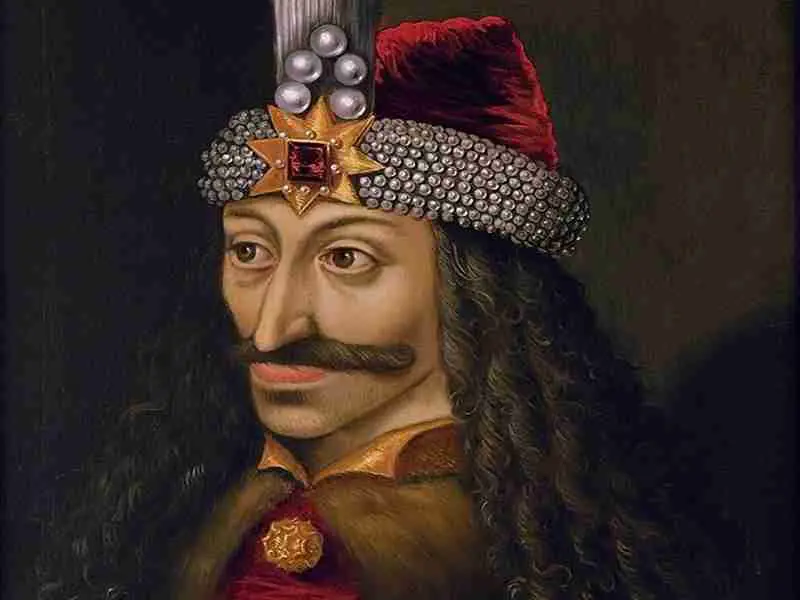
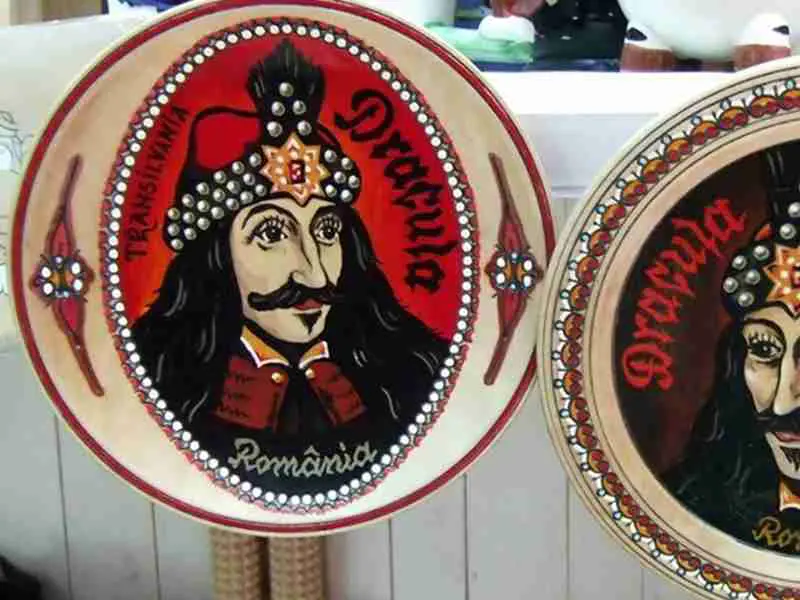
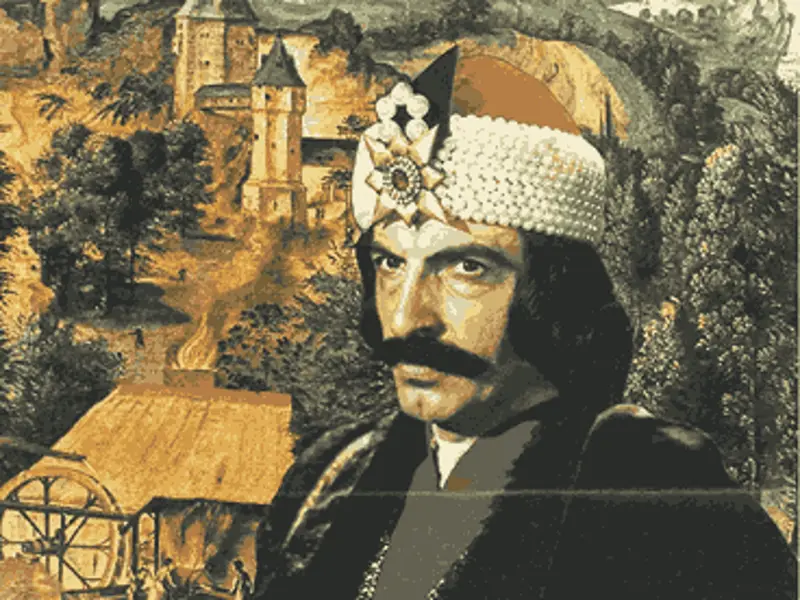
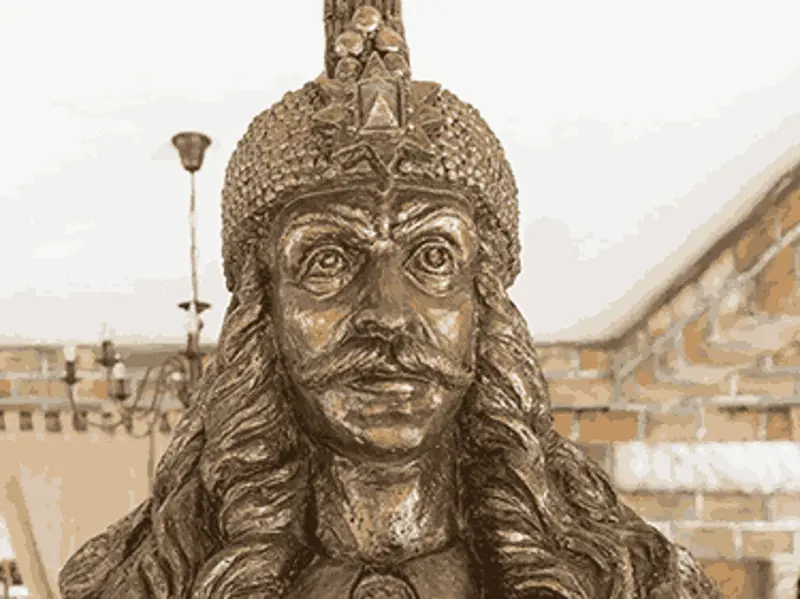
Behaviors perceived as "vampiric," such as isolation or nocturnal rituals, have been analyzed by psychologists and sociologists to understand the cultural impact. Vlad Țepeș and his stories accentuated these traits, providing a real basis for vampire mythology and folkloric narrative structures.
Myth, culture and personality
Vampire psychology explains how myth influences perceptions of human behavior and morality. Studies show that vampires symbolize internal conflicts, the desire for immortality, and the temptation of the unknown, which makes the legend of Dracula still relevant today.