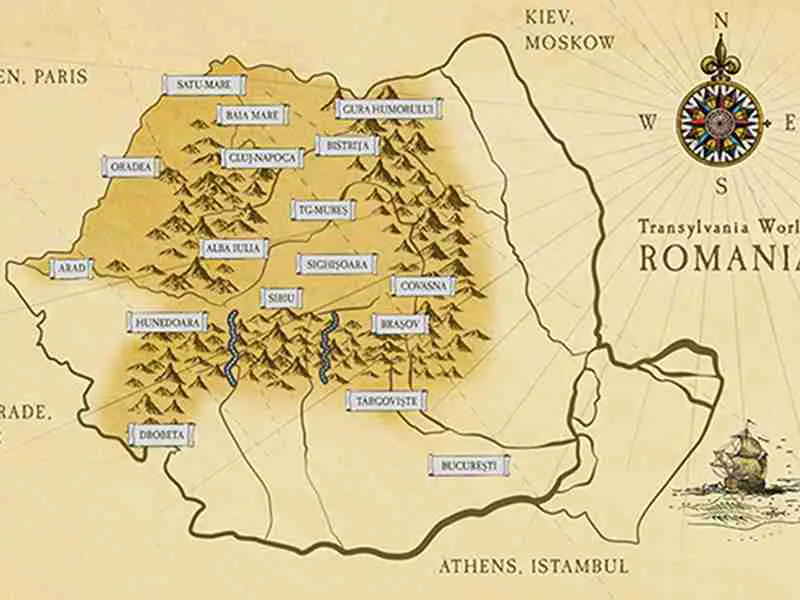
In the heart of Transylvania, among dense forests and villages shrouded in fog, the traditions related to the figure of Dracula continue to fascinate. They are not just echoes of the past, but living manifestations of a culture that weaves together history, faith, and mystery.
Traditions born of fear and respect
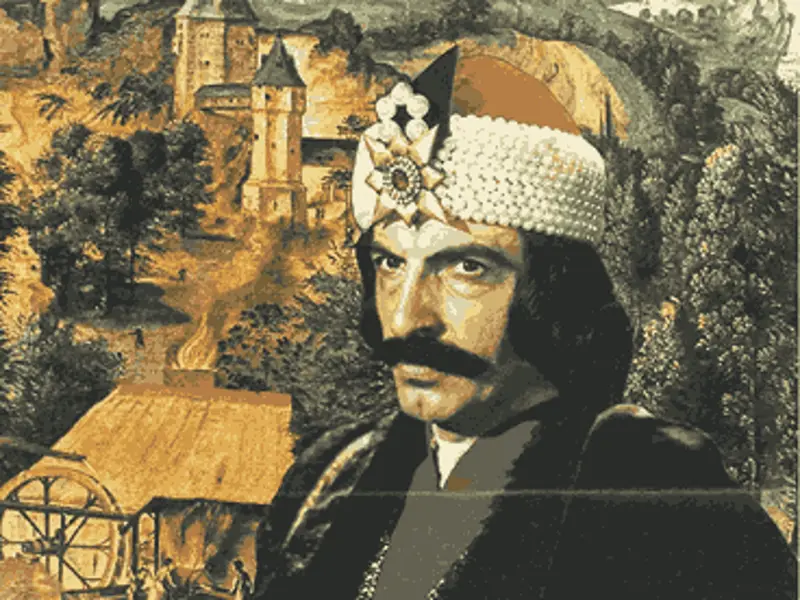
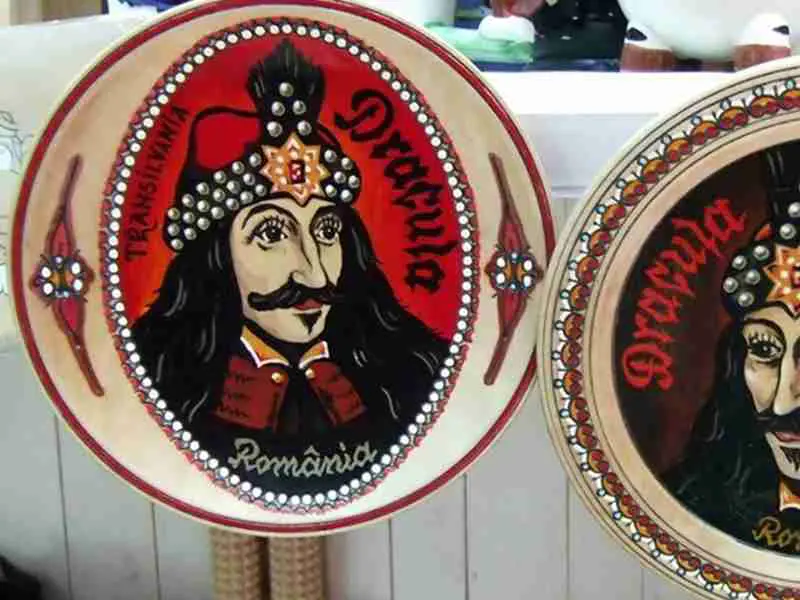
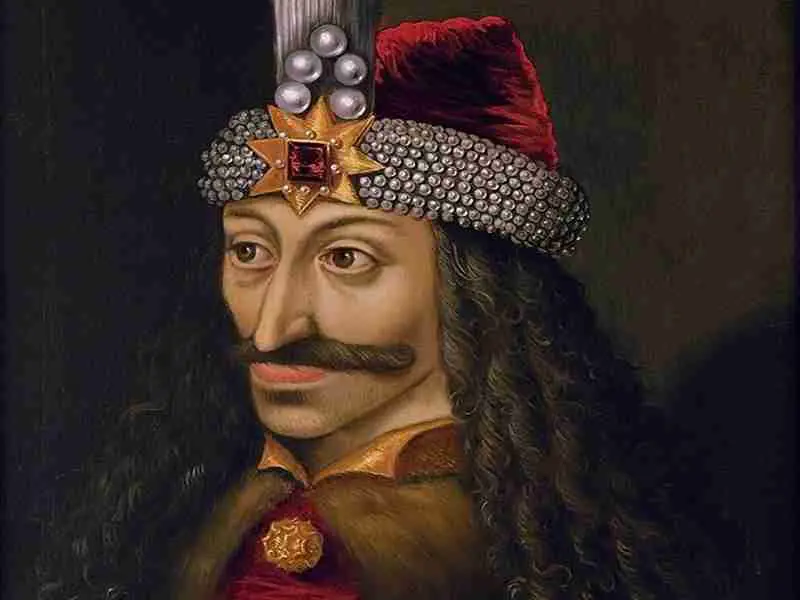
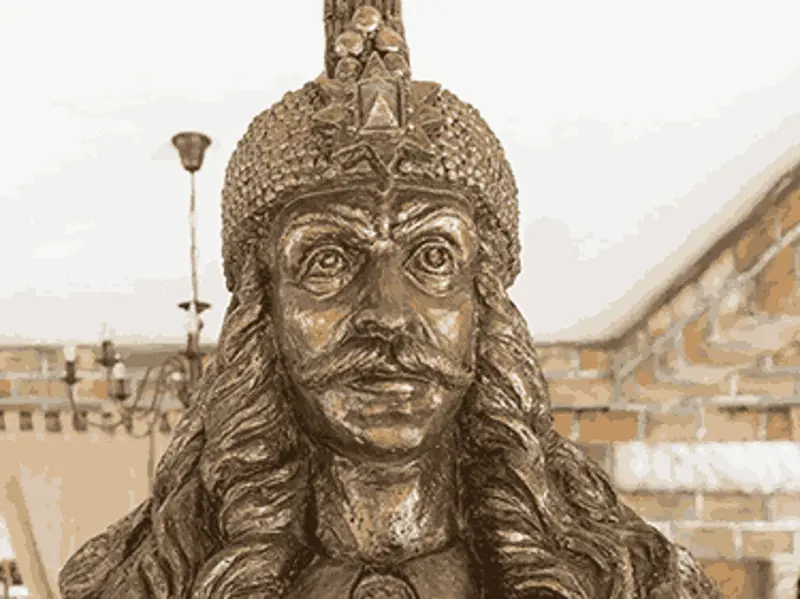
In Transylvanian villages, the name of Vlad Țepeș was always uttered with a combination of fear and admiration. It was said that the ruler had punished evil without mercy, but also that his spirit still watches over the places he defended. From these beliefs were born customs: lighting a fire on the outskirts of the village to drive away spirits, reciting prayers on the night of Sânziene, or ringing bells when a storm was approaching – all gestures intended to keep evil away.
Customs related to life and death
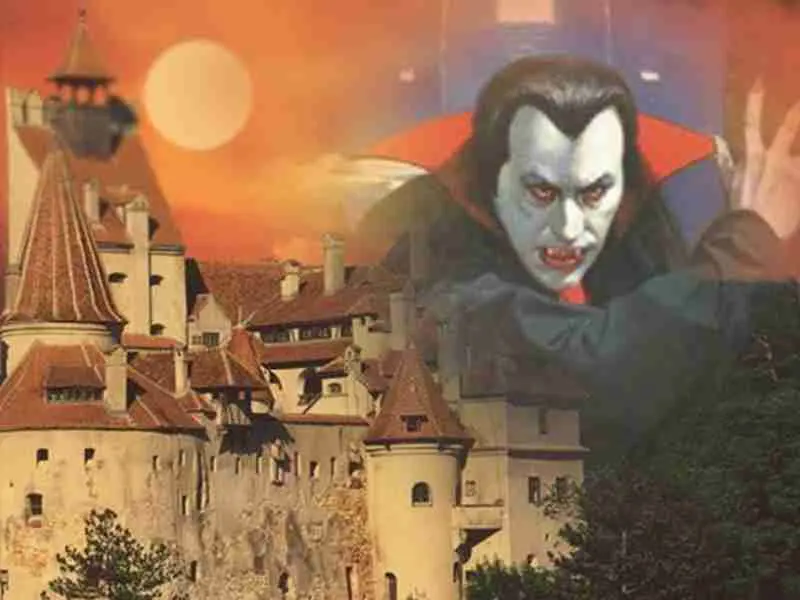
The vampire myth has deep roots in Romanian folklore. It was said that the souls of the unreconciled could return among the living, and to prevent this, strict rituals were observed: mirrors were covered, holy water was sprinkled around the house, and the light was kept on for three nights. These practices intertwine the Christian religion with the ancestral fear of darkness and the unknown – a combination that has fed the legend of Dracula over the centuries.
Traditions of celebration and rebirth
Despite the gloomy tone of the legends, Transylvanian traditions also have a bright side. Around summer bonfires, people tell stories about the ruler as a symbol of justice and courage. In some villages, the custom of the “light vigil” is still preserved – a night in which young and old stay awake, honoring the memory of those who have passed and calling for luck for the coming year. Thus, fear is transformed into communion, and the legend becomes a form of cultural identity.
The spiritual legacy of the legend
The traditions related to Dracula are not just superstitions, but expressions of a collective spirit that has learned to live between faith and myth. They reflect the human desire to understand death, to find meaning in suffering and to maintain a connection with the past. Just as red wine is drunk in honor of life, so the legend of Vlad Țepeș is celebrated as a symbol of the strength and mystery that defines Transylvania.