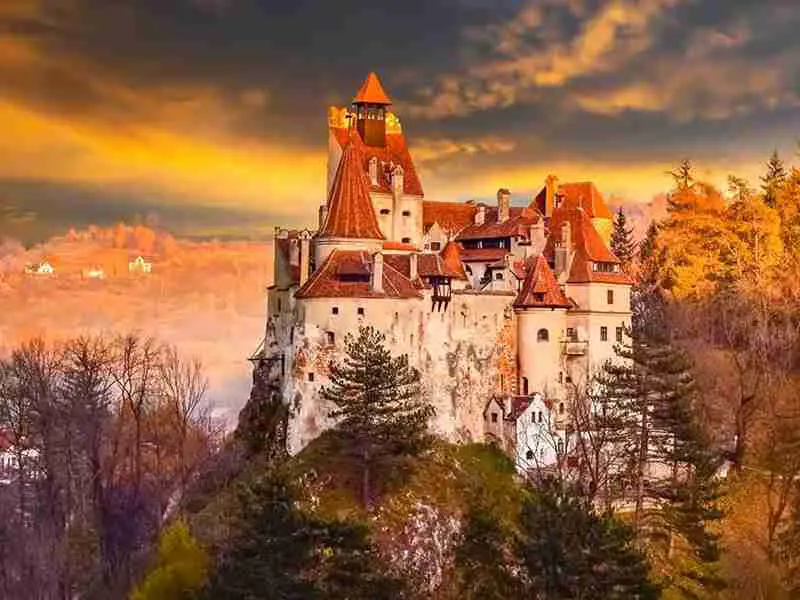
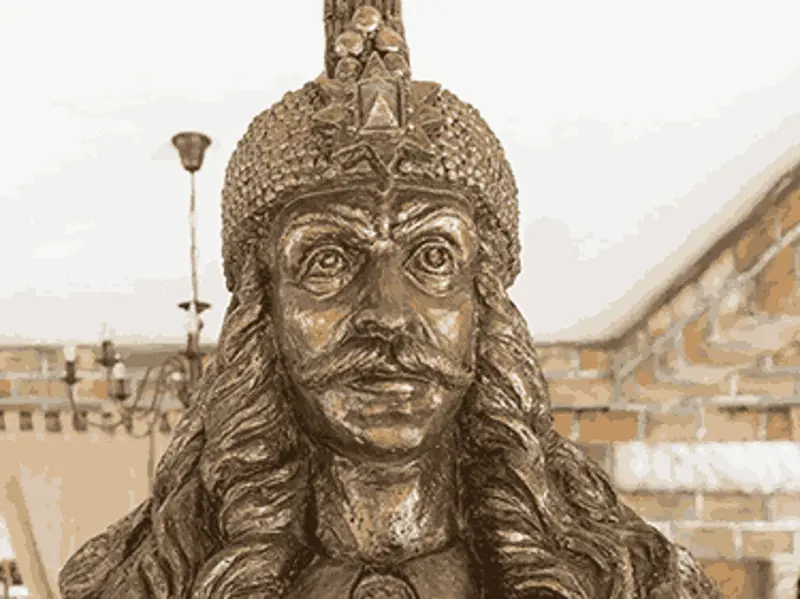
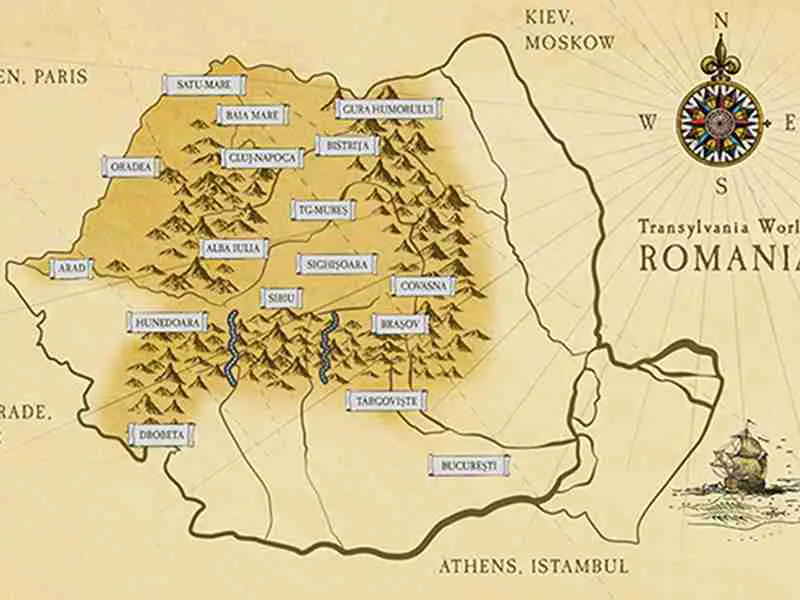
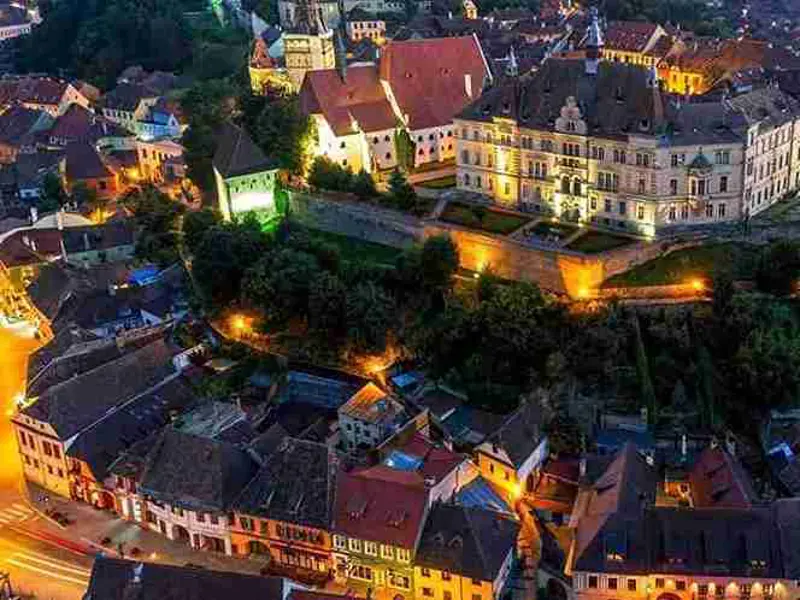
Transylvania, a land of legends and archaic beliefs, preserves to this day an unseen world of rituals and superstitions. In its villages, every gesture, every celebration and every sign in nature carries a hidden meaning, passed down from generation to generation. These customs are not just remnants of the past – they are the living link between people, nature and the unseen forces that govern the world.
Rituals of protection and purification
In Transylvanian culture, protective rituals have always been essential. It is said that, to ward off evil spirits, householders lit fires on the eve of major holidays or sprinkled salt on the doorstep. In some villages, the custom of sprinkling the yard with holy water is still preserved today, to keep away the “unclean shadow”. These simple gestures hide a deep belief: the balance of the world can only be maintained by respecting traditions.
Superstitions related to death and the strigoi
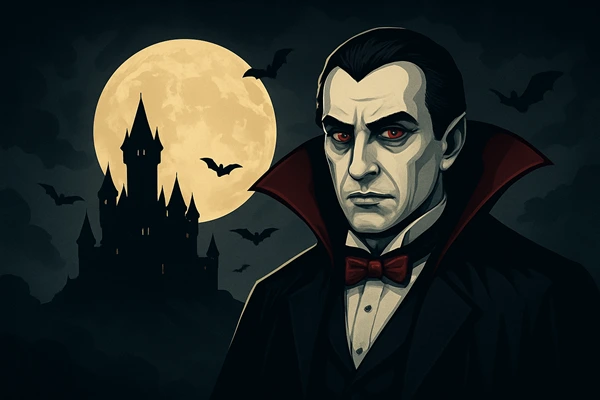
Death, in Transylvanian folklore, is not the end, but a passage to another world. Therefore, people created numerous rituals to ensure that the soul of the departed would not return in the form of a strigoi. Coins were placed on the eyes of the deceased, candles were lit at the head and feet, and the mirror was covered to prevent the soul from wandering. It was believed that if these traditions were neglected, the spirit could return among the living, disturbing the peace of the Transylvanian nights.
Beliefs that give meaning to everyday life
In Transylvania, superstitions were not only about fear, but also about hope. A black cat crossing your path was a bad omen, but a horseshoe found on the road brought good luck. Women believed that if they dreamed of clean water, good news would follow, and if a mirror broke, a loved one would leave. All these beliefs make up a living fabric of the Transylvanian identity, where magic and reality coexist.