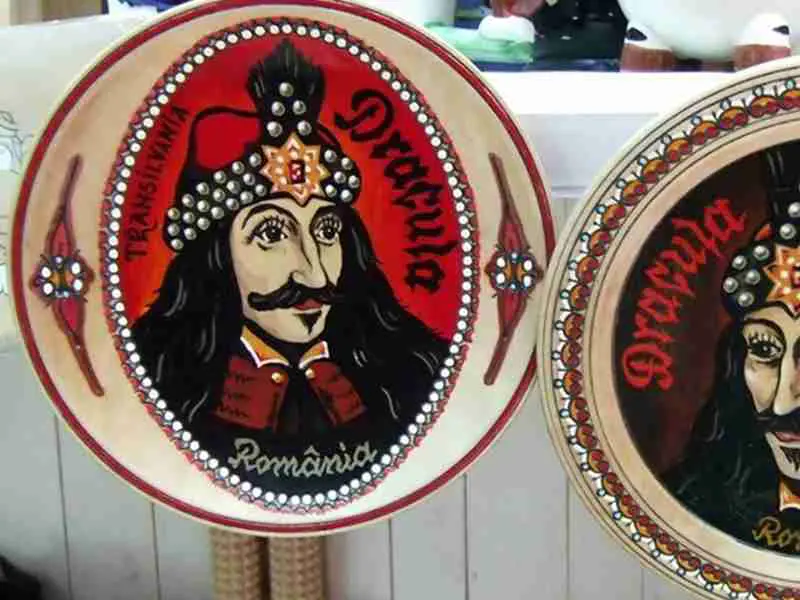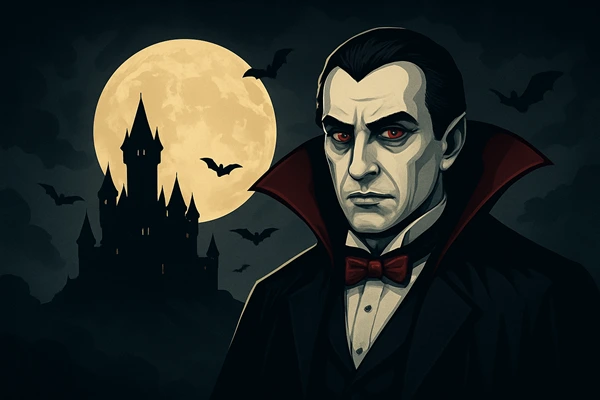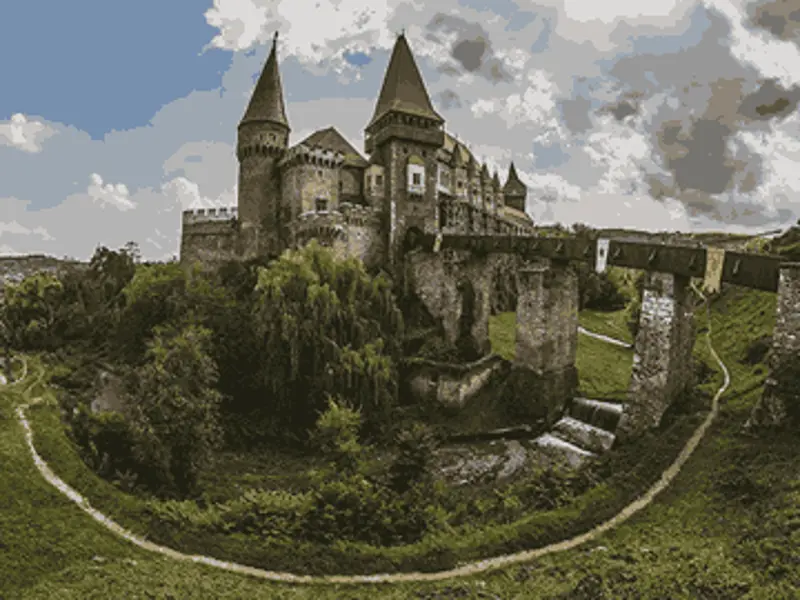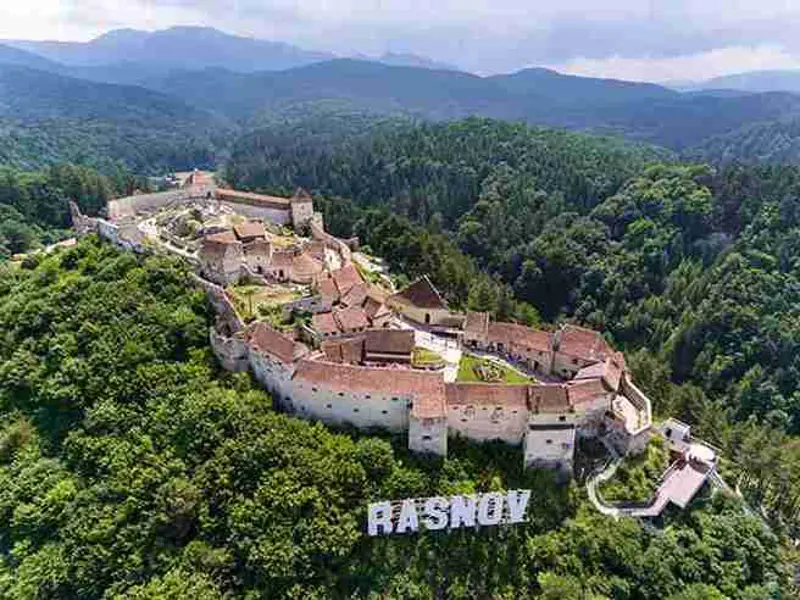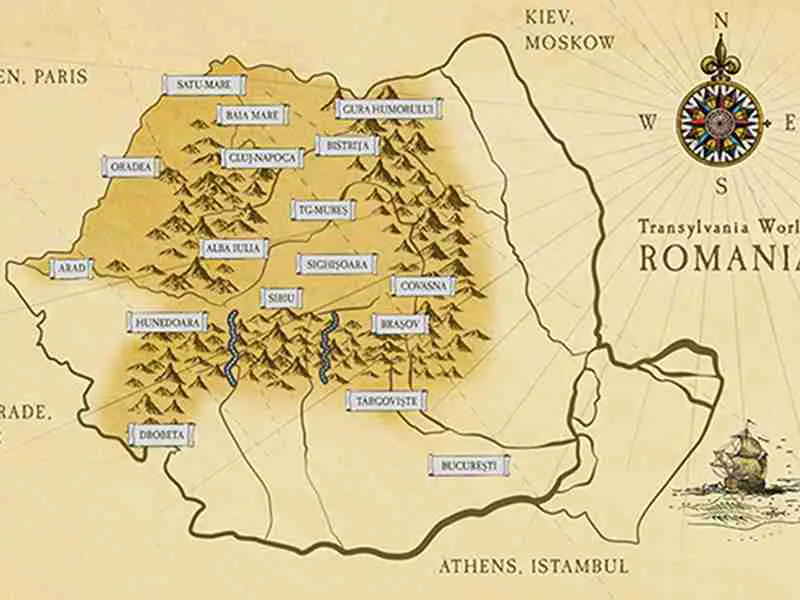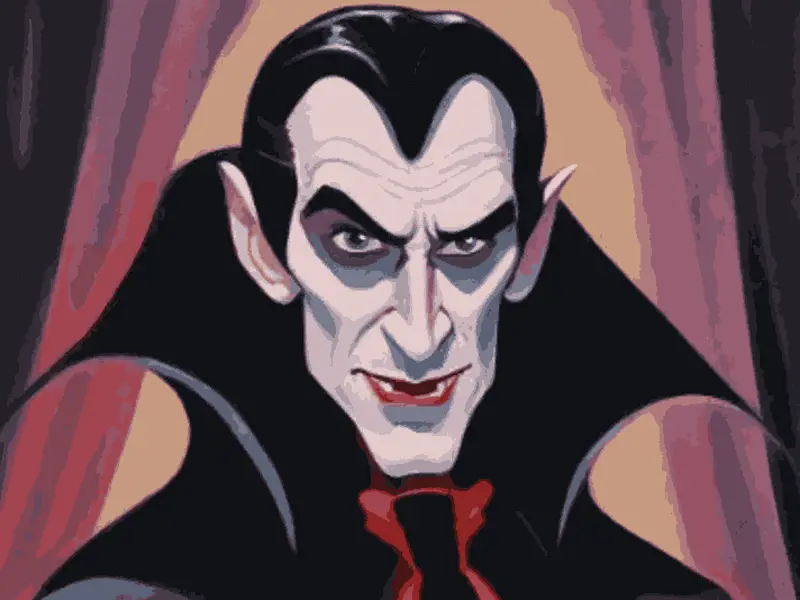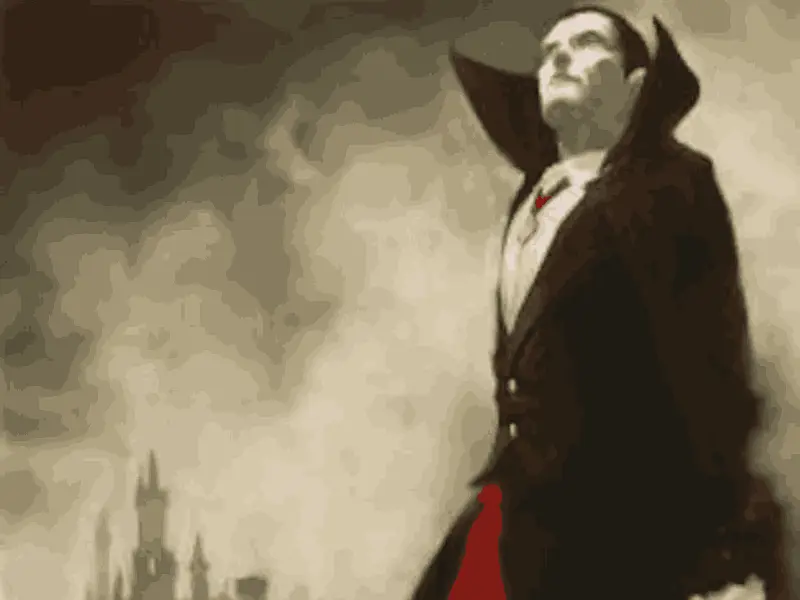
The science behind the Dracula myth explores the real-life explanations of vampirism and the origins of Transylvanian legends. By combining historical, medical, and psychological research, we can better understand why these stories continue to fascinate.
Historical and biological origins
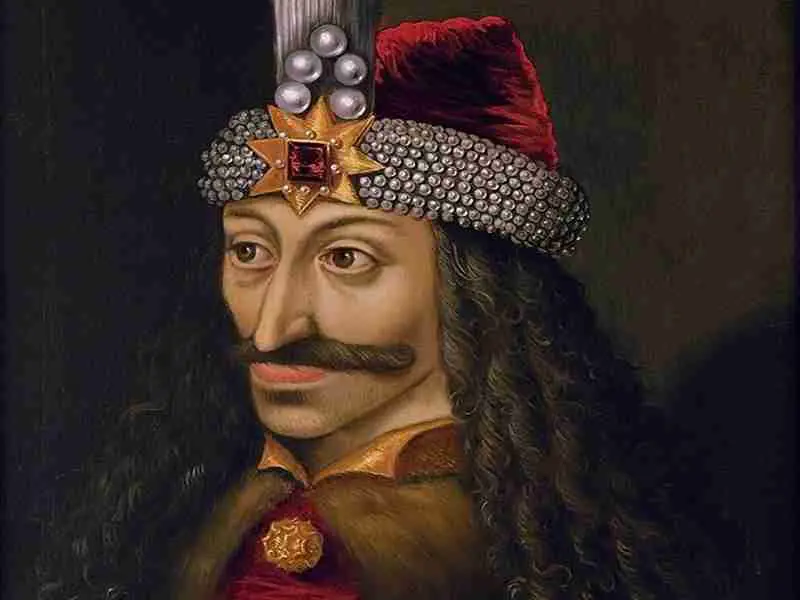
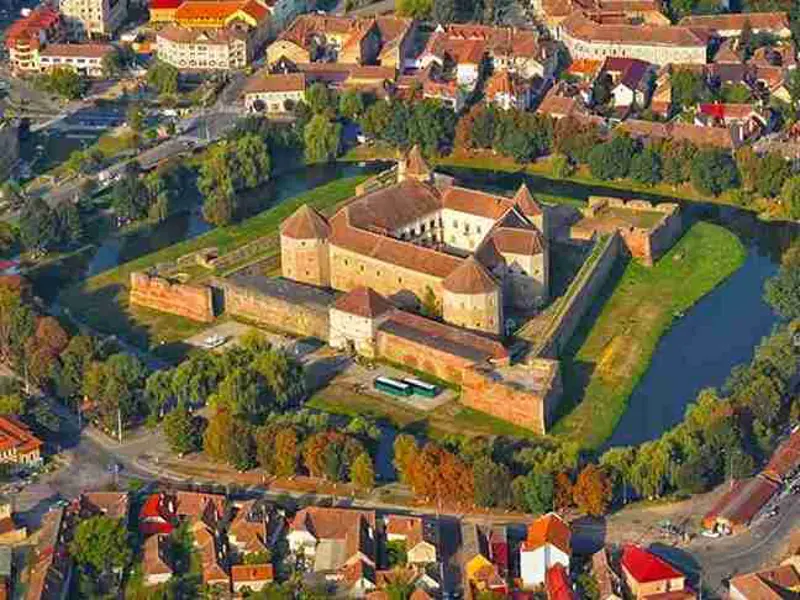
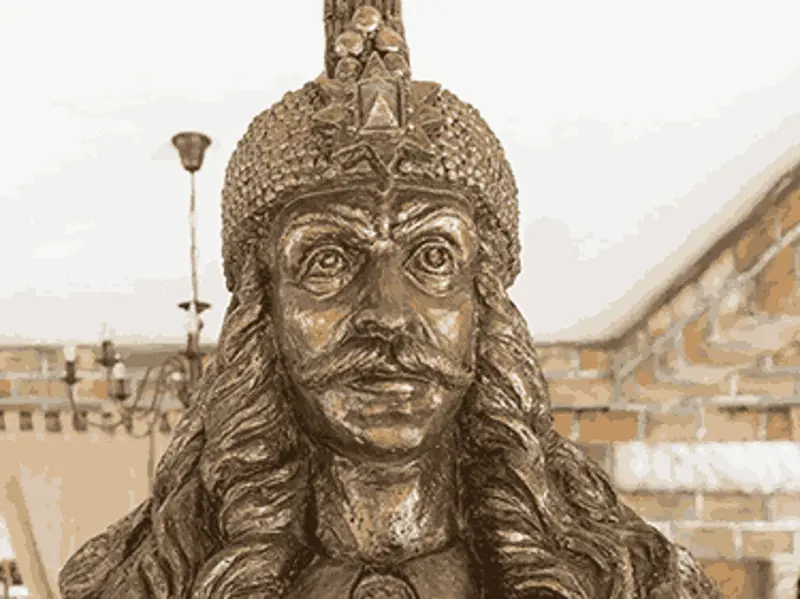
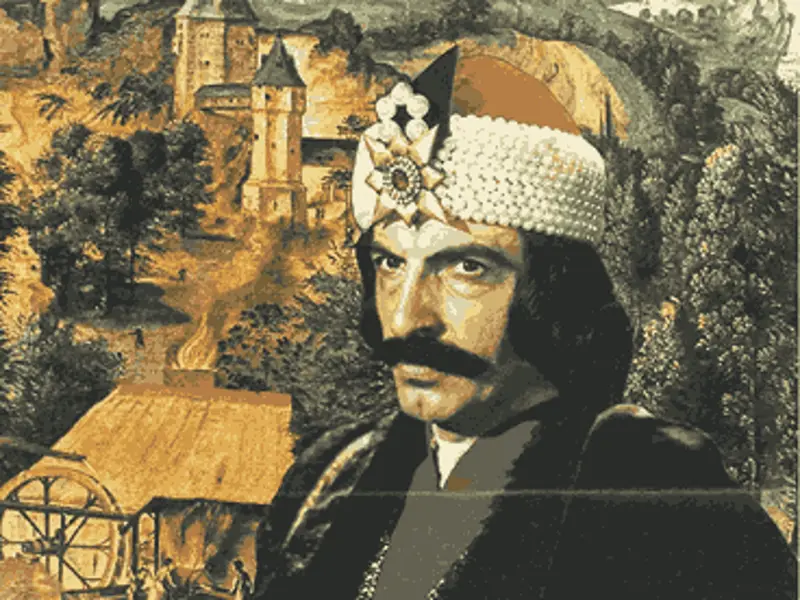
The vampire myth has its roots in the history of Transylvania and the deeds of Vlad Țepeș, but also in medical observations of the time. Diseases such as porphyria and other rare conditions inspired beliefs that people could be "vampires." These scientific explanations complement folklore and demonstrate how legends are formed from real experiences combined with collective fear.
Vampiric psychology and behavior
Psychologists explain the appeal of vampires by the desire for immortality, the fear of death, and the fascination with the unknown. The Dracula myth capitalizes on these emotions, creating complex characters that convey fear and admiration at the same time. Nocturnal behaviors, isolation, and fictional rituals are interpreted as symbolic manifestations of human psychology.
Modern culture and science
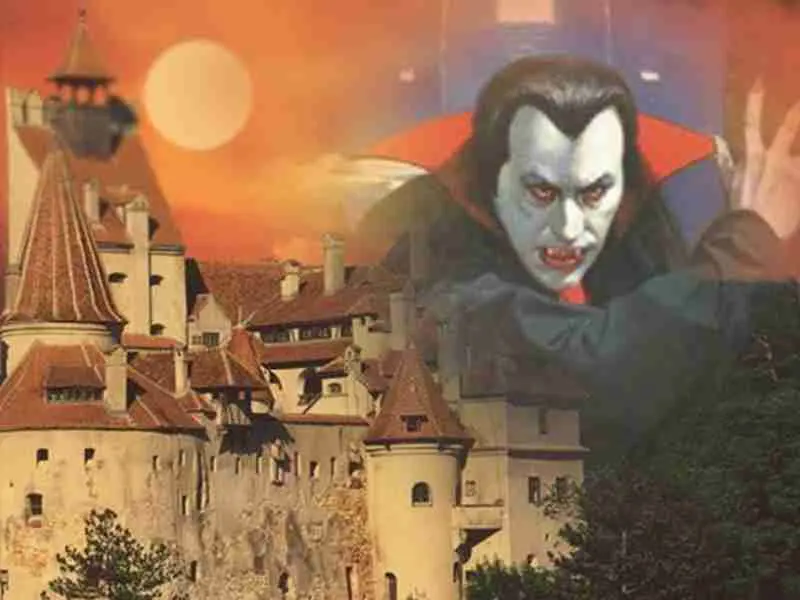
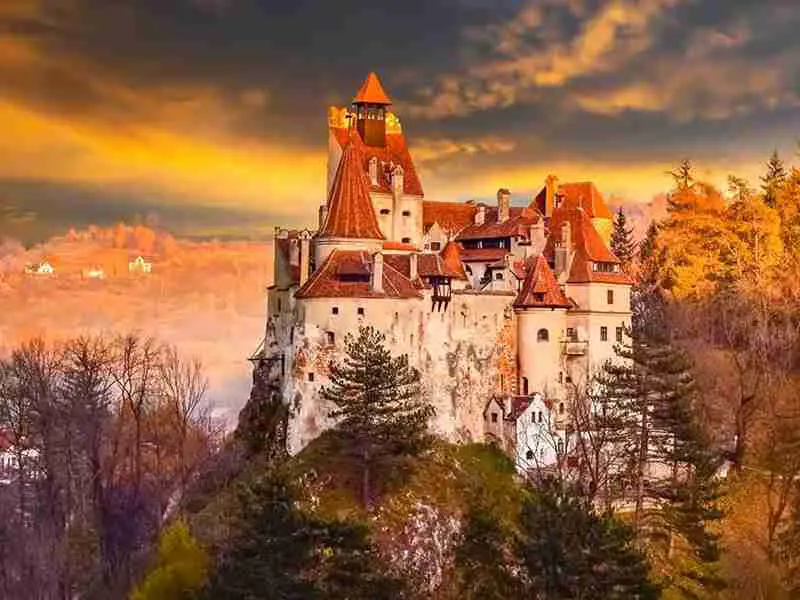
Modern studies combine history, medicine, and psychology to explain why the vampire legend persists in popular culture. Films, literature, and tourism in Transylvania are examples of how the Dracula myth continues to influence society, even when we scientifically explain its origin.