The legends of Dracula and stories of vampires have fascinated people for centuries. In this article, we explain their real origins and how the myths have shaped history and culture.
Historical origins of legends
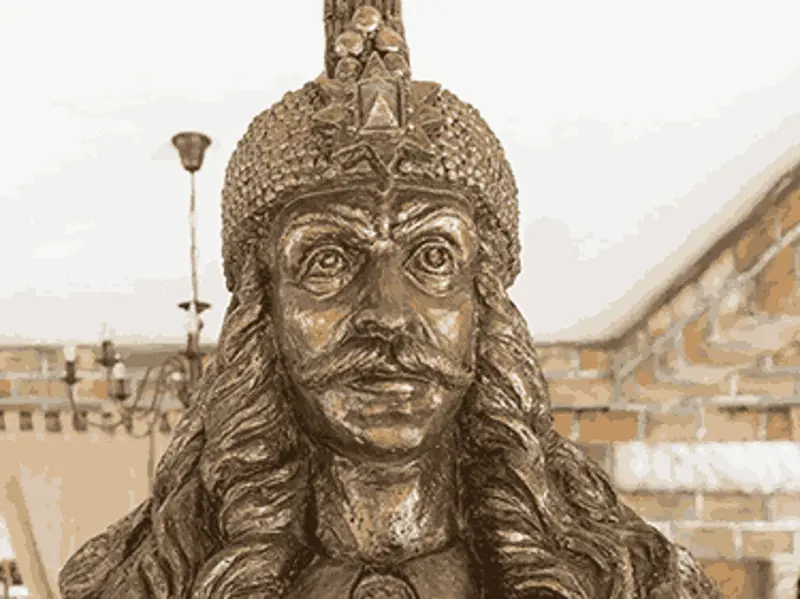
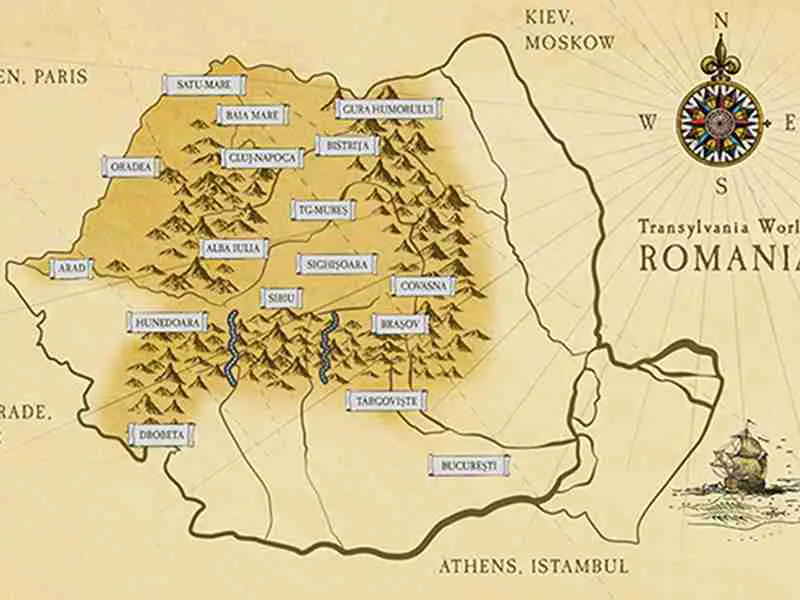
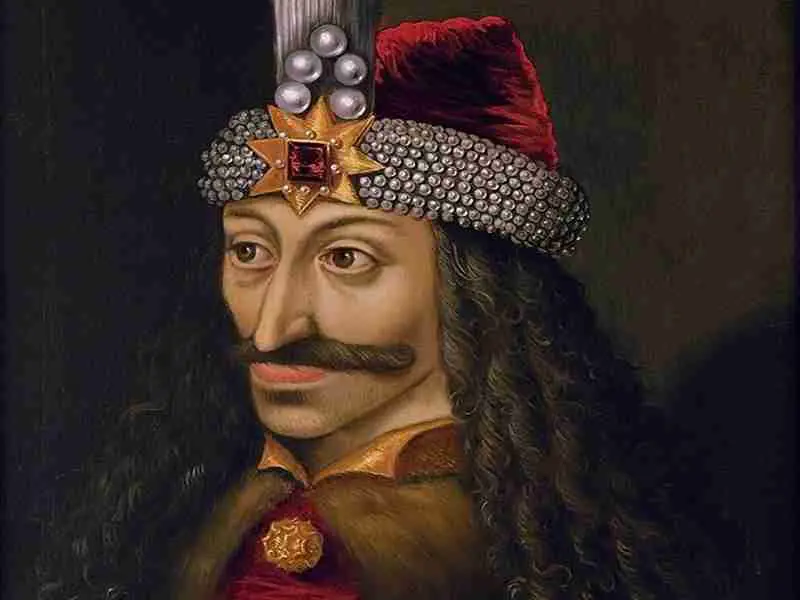
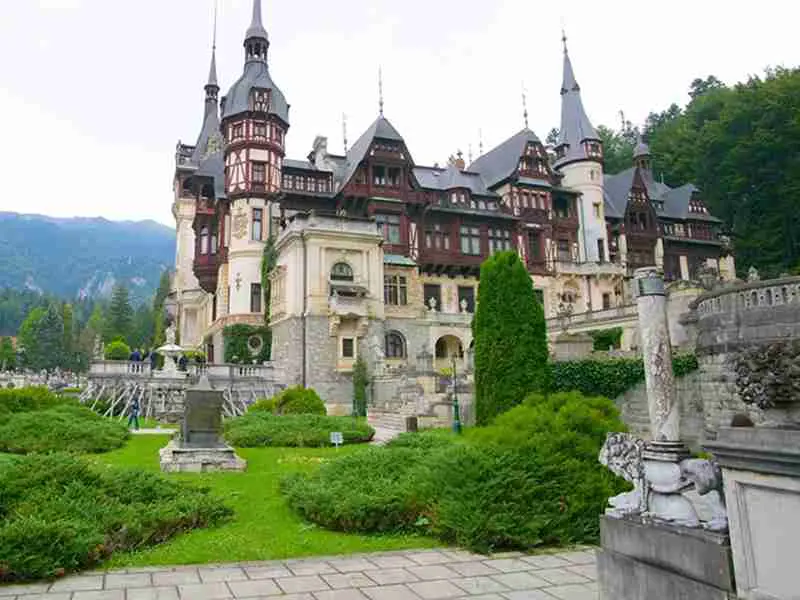
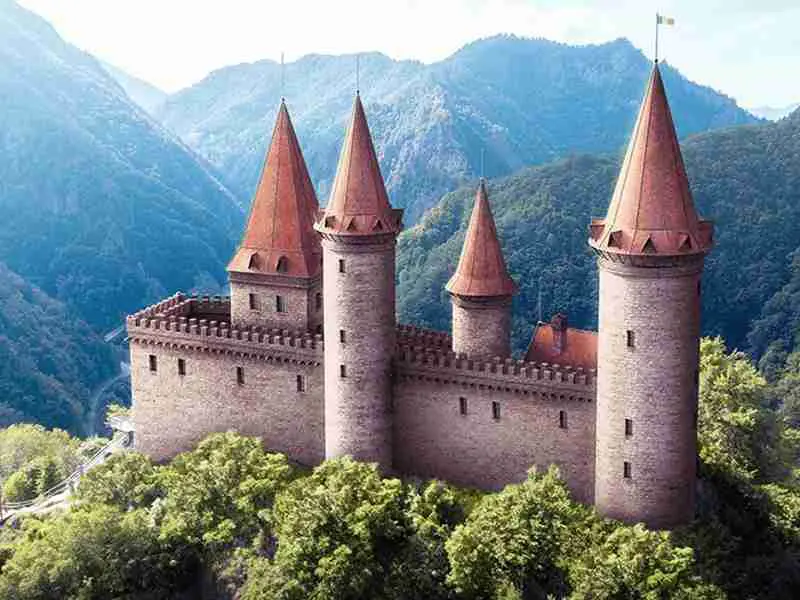
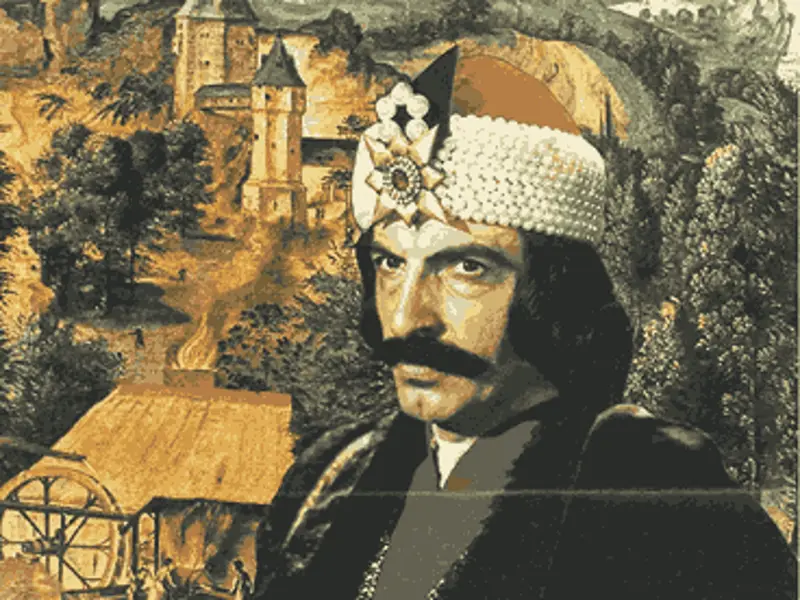
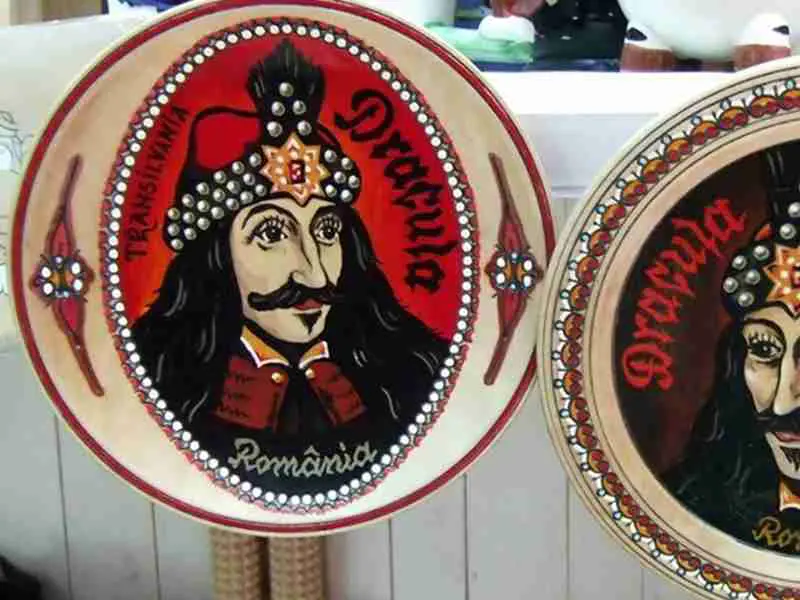
Many of the Dracula legends are based on the real-life exploits of Vlad Țepeș and historical events in Transylvania and Wallachia. Local customs and stories of the dead rising from the graves formed the basis of the vampire myth. Researchers have identified medical and social factors that amplified these stories, explaining why the fear of vampires was so strong in past centuries.
Medical and cultural explanations
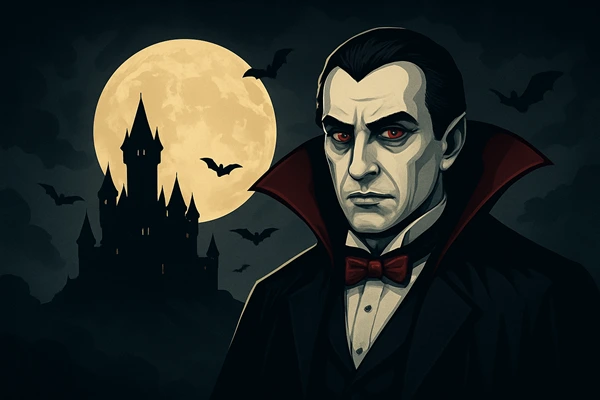
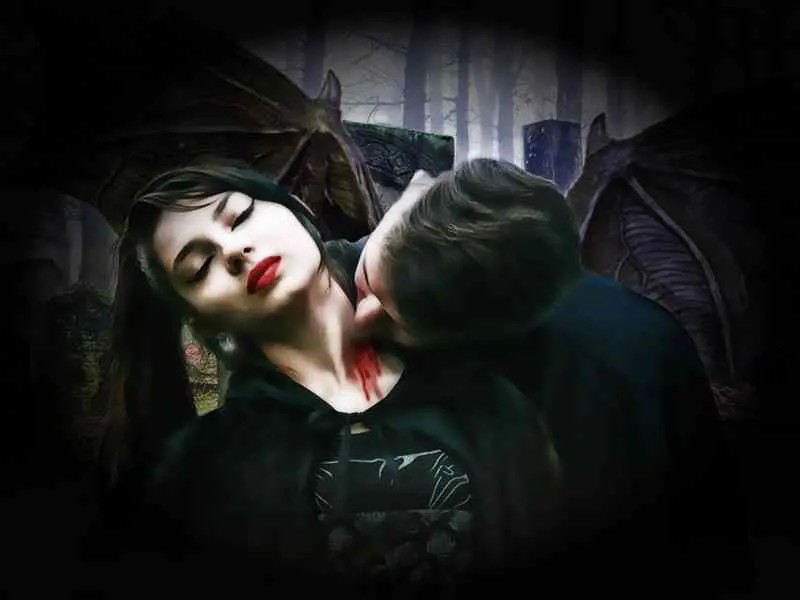
Diseases such as porphyria, tetanus, and other rare conditions can cause symptoms that have been interpreted as signs of vampirism. Popular culture has also turned these symptoms into fascinating stories, which have found their way into literature, theater, and film. Legends also serve as moral lessons or symbols of collective fear, explaining the behaviors of communities in the past.
Why it continues to fascinate us
Explaining the legends does not diminish their mystery, but adds depth to cultural and historical understanding. The Dracula myths and vampire stories remain relevant in tourism, literature, and film, being an example of how science and folklore intertwine. Understanding these legends provides a clear look at their origins and how fear, reality, and imagination combined to create the Dracula myth.