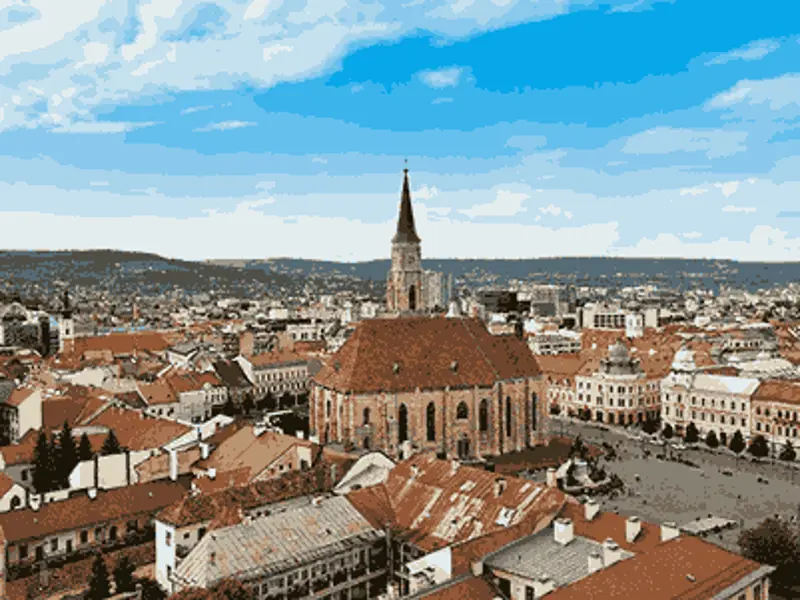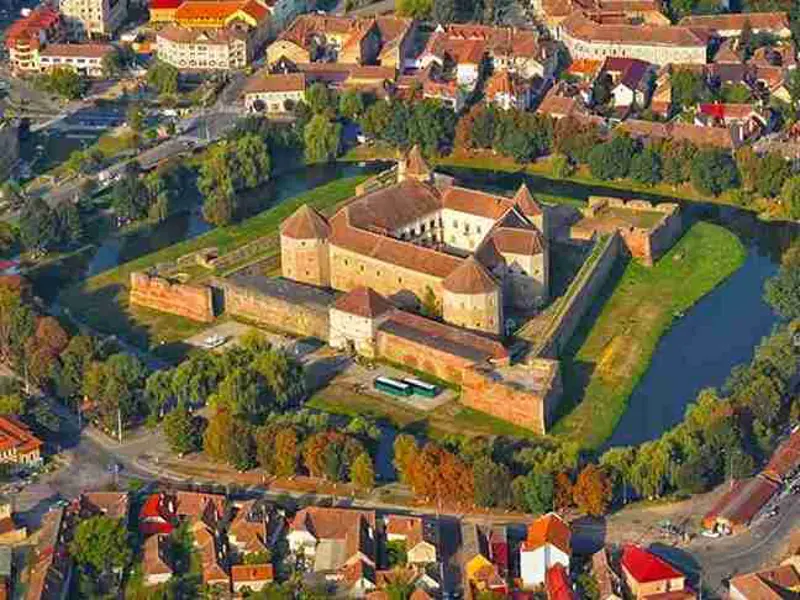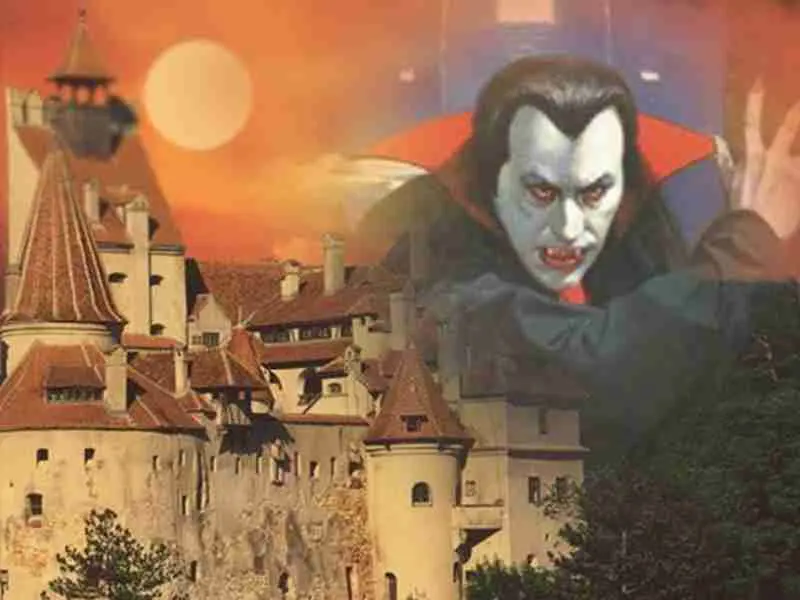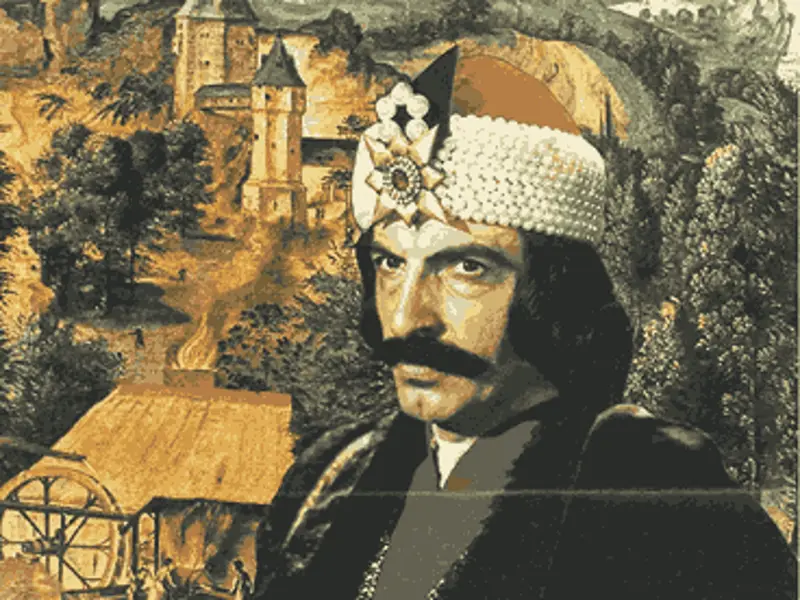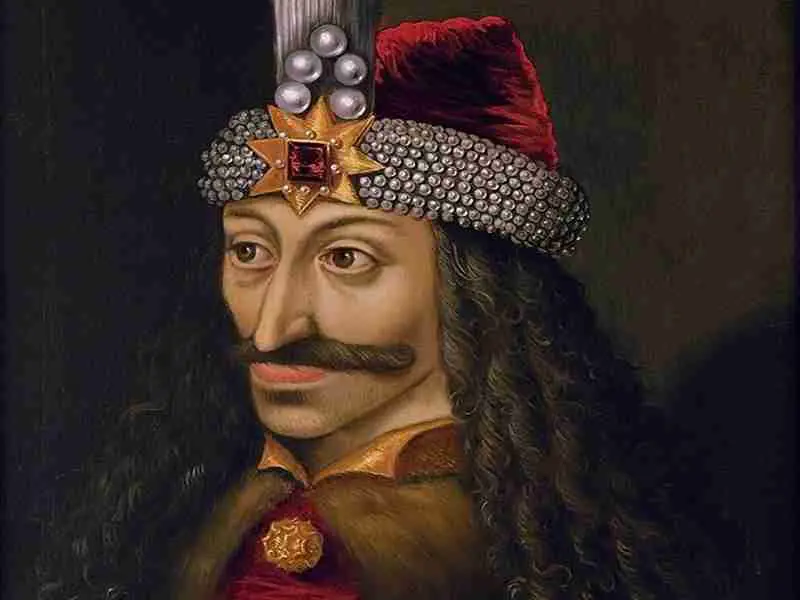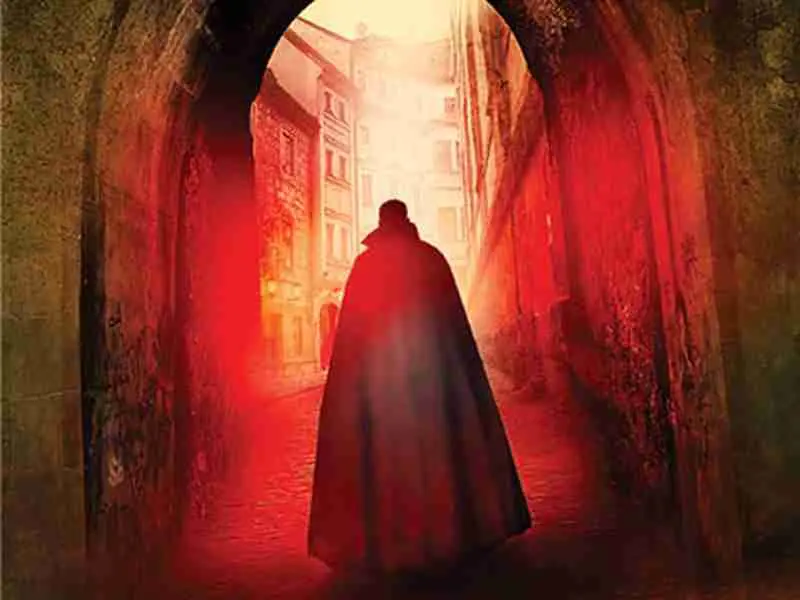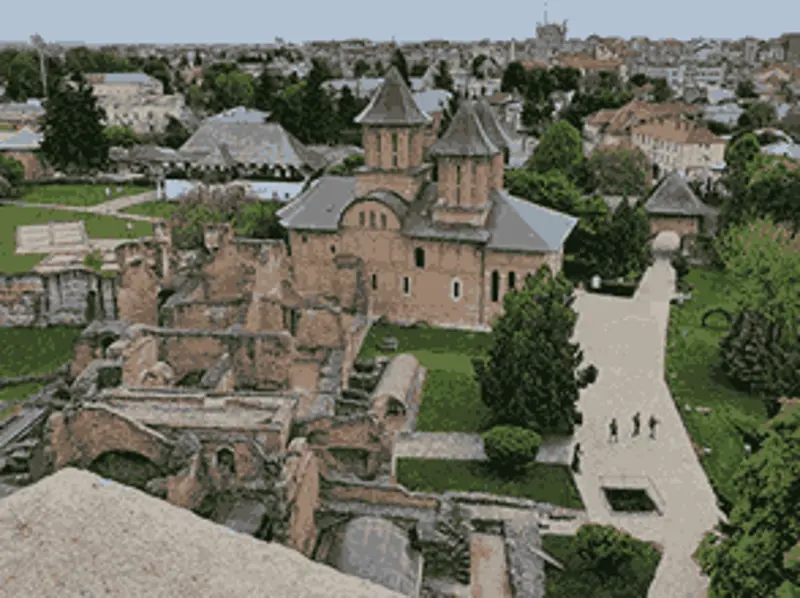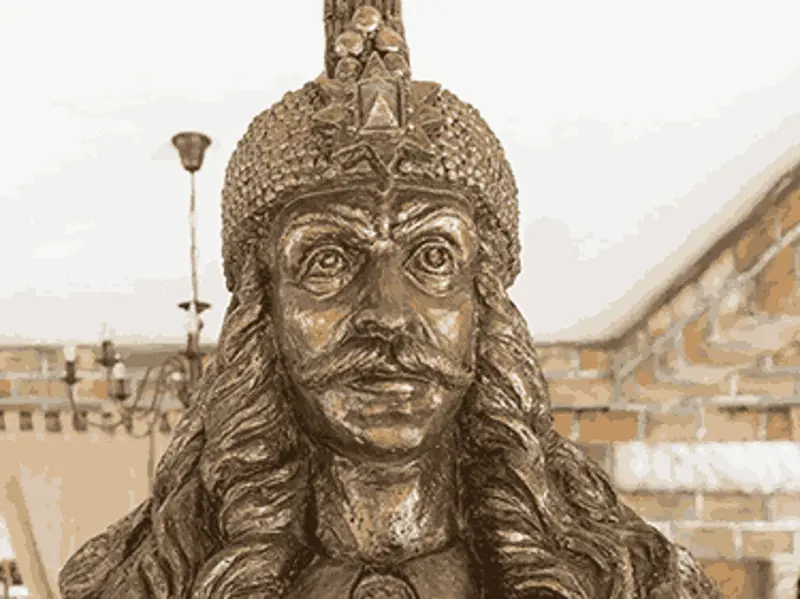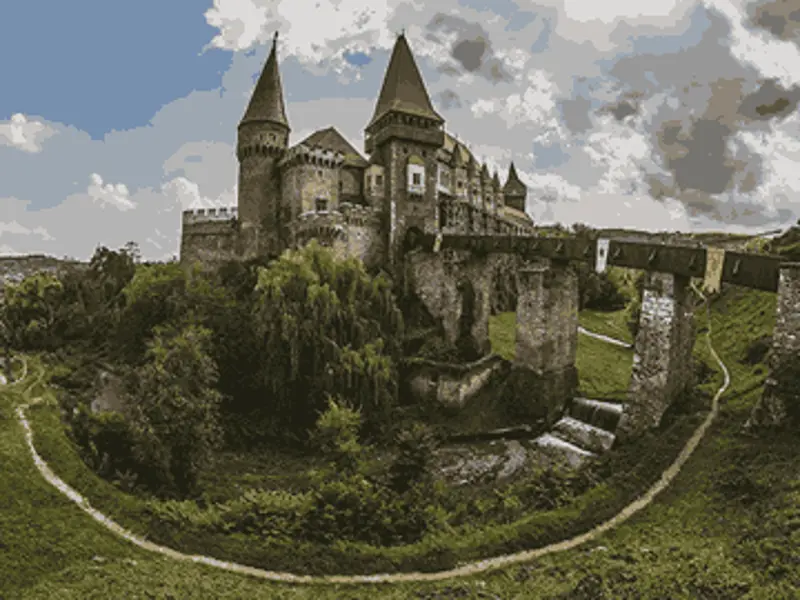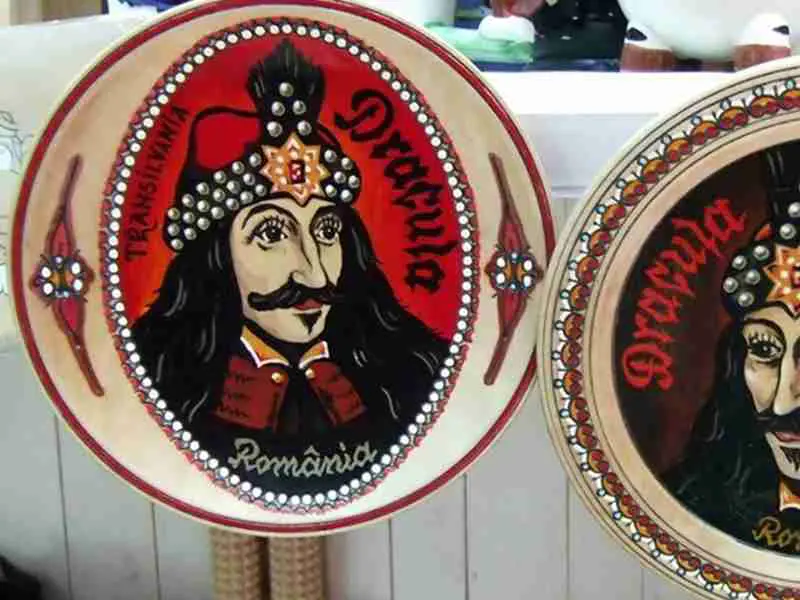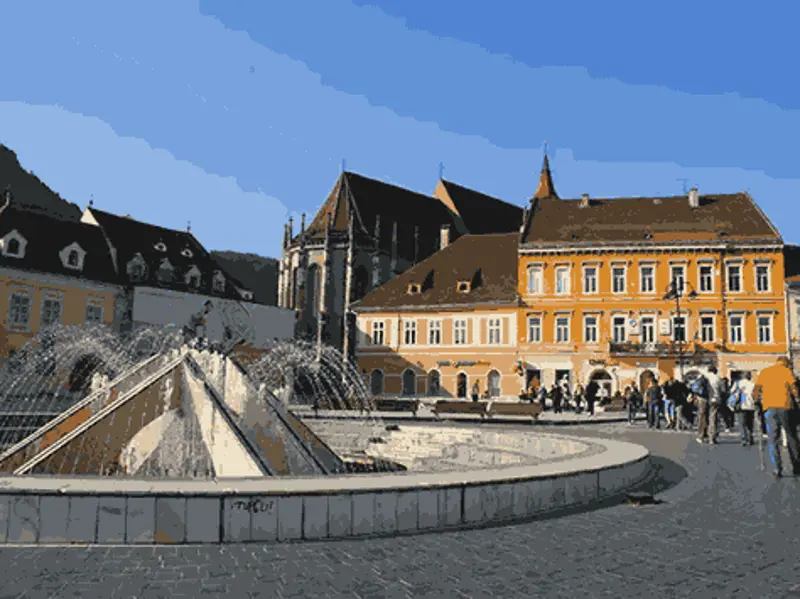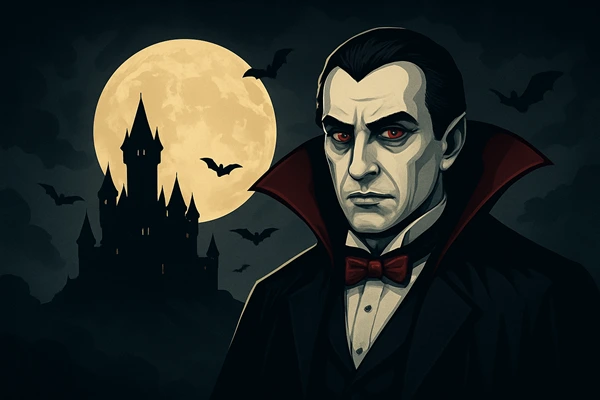
Gothic culture has its origins in the Middle Ages, when architecture, literature, and art developed into a distinct style characterized by dark elements and religious symbolism. This culture influenced medieval buildings, imposing cathedrals, and illuminated manuscripts, providing a setting of mystery and solemnity. Gothic elements can also be found in contemporary literature inspired by myths and legends, including the story of Dracula.
Who influenced Gothic culture?
- Medieval Architects and Craftsmen
- Writers and Philosophers of the Middle Ages
- The Church and Religious Communities
What characterizes the Gothic style?
- Architecture with high arches and stained glass
- Religious symbolism and dark themes
- Literature and art with fantastic and mysterious motifs
How did it spread?
- Through cathedrals and churches in medieval Europe
- Through manuscripts and illustrated literary works
- Through local traditions and myths
Why is it important?
- Influences modern art, architecture, and literature
- Connects history with contemporary culture
- Inspires fascination with mystery and Gothic aesthetics
Where can it be observed?
- Medieval Cathedrals and Churches of Europe
- Gothic Art Museums and Exhibitions
- Gothic-Inspired Literature and Films
Conclusion
The origin of Gothic culture continues to inspire contemporary art and literature, providing a link between the past and the present and keeping alive the medieval elements and mystery characteristic of this culture.