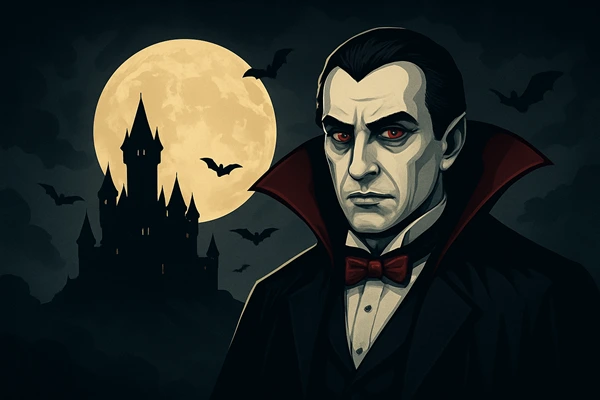
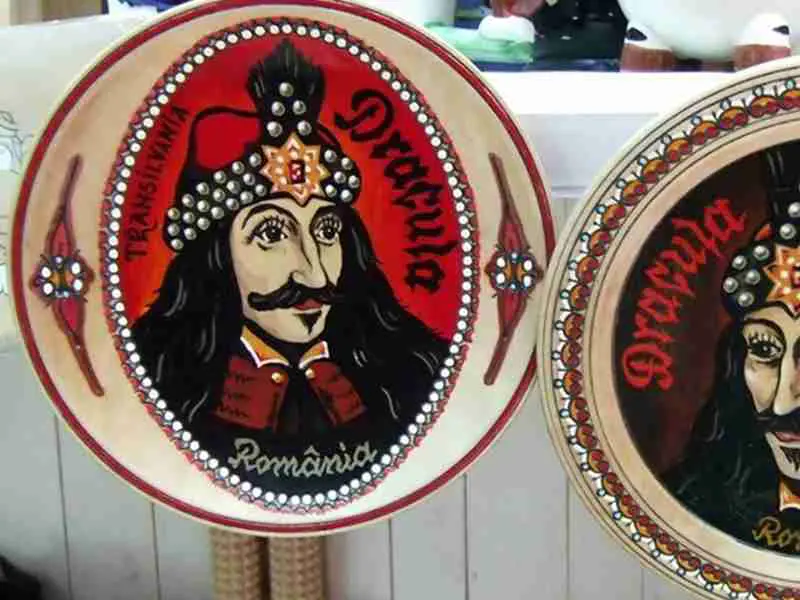
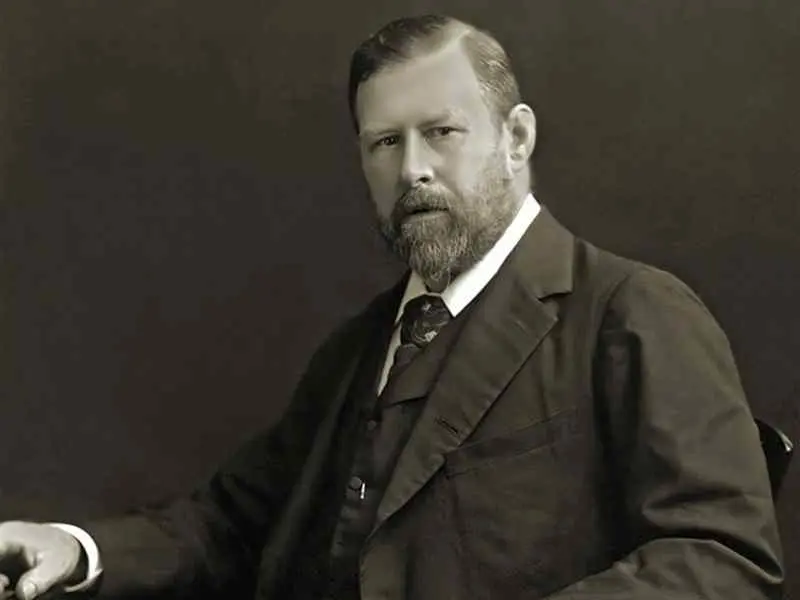
The myth of Dracula and vampires is not only based on folklore, but can also be interpreted through the lens of medicine. Specialists have identified rare medical conditions and diseases that fueled the vampire legend and turned the stories of Transylvania into persistent myths.
Rare diseases and symptoms associated with vampirism
Some genetic or medical conditions, such as porphyria or hematological abnormalities, cause sensitivity to light or skin color abnormalities, which has given rise to the perception of some people as "unusual" or "vampire-like". These observations were integrated into local stories, fueling the legend of Dracula and the attraction to vampires.
Vampire psychology and behaviors
Psychology researchers have analyzed human behaviors associated with blood lust or rituals related to vampirism. Cultural experiences, collective fears, and Transylvanian traditions have accentuated the mythical characteristics of vampires, also explainable from a medical and social perspective.
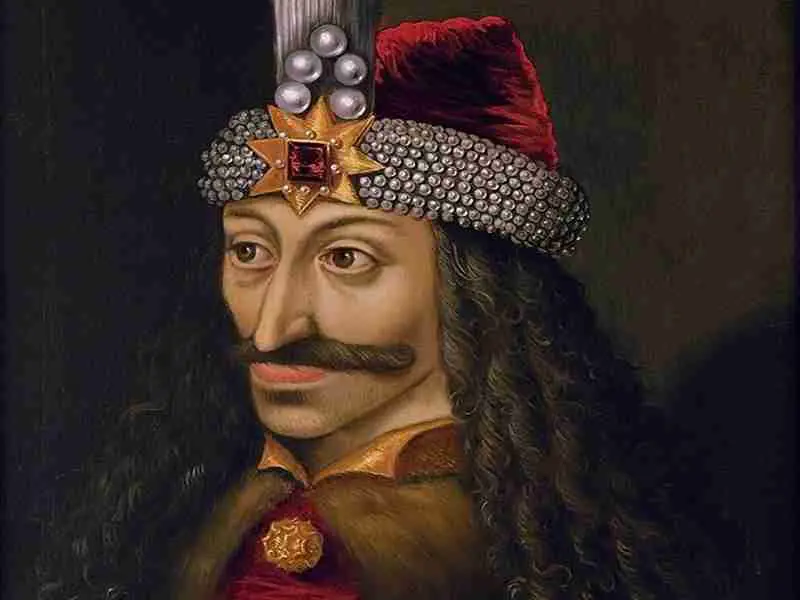
The connection with Vlad Țepeș and the historical legacy
The deeds of Vlad Țepeș and his methods of punishment have been reinterpreted medically and culturally, providing a basis for vampire myths. Thus, history, folklore, and medical observations combine to explain why Dracula became the universal symbol of vampirism.