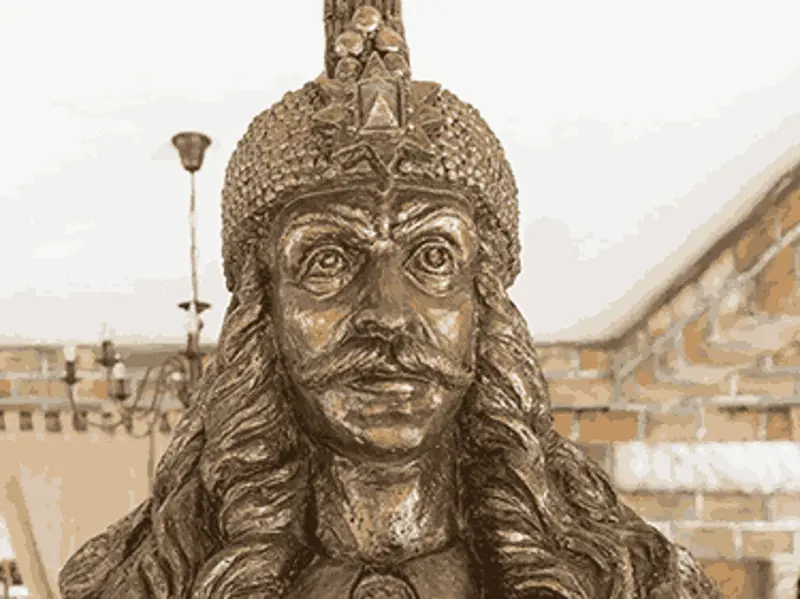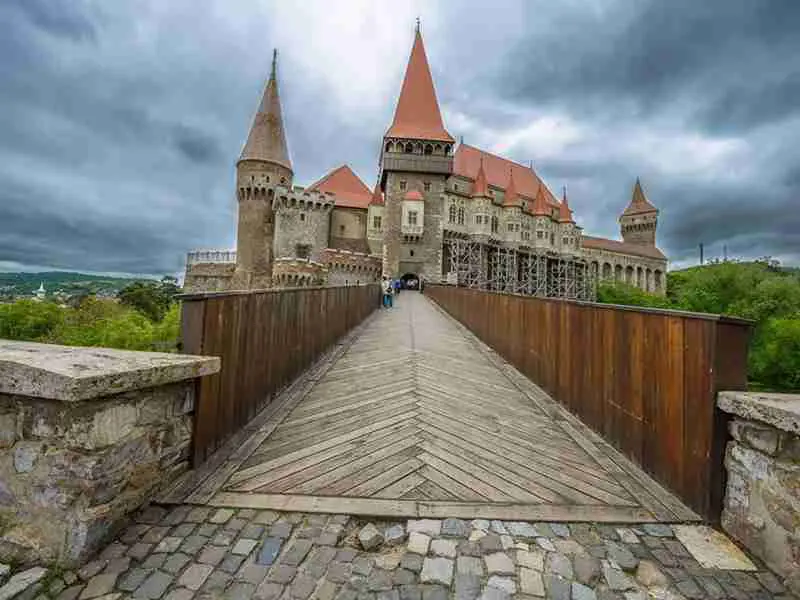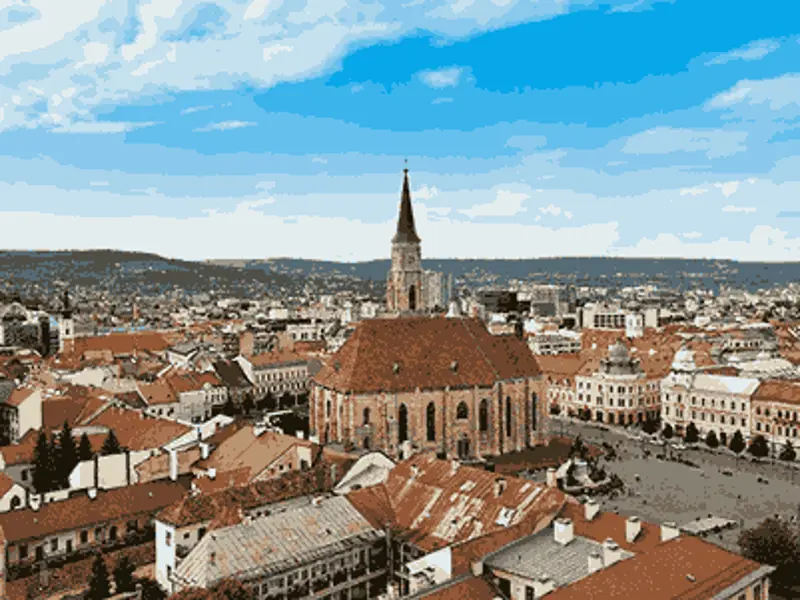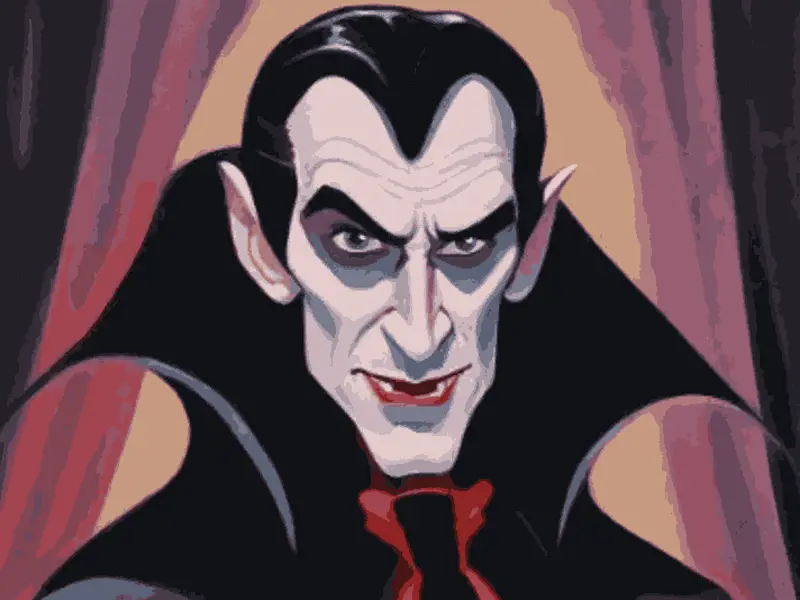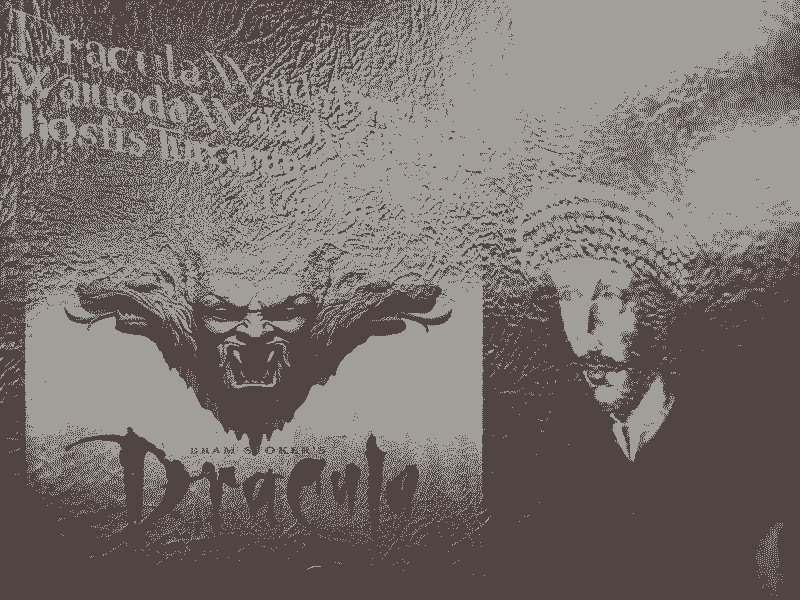
After Bram Stoker's novel and its appearance in cinema, Dracula ceased to be just a myth. He has become a cultural archetype, an international symbol and, above all, an extremely powerful brand. This article examines how the legend influenced the Gothic subculture, was adopted into marketing, and shaped the world's perception of Transylvania.
Dracula and the Birth of the Gothic Subculture
The vampire myth, as popularized by Stoker and later by films, provided an aesthetic and thematic framework essential to the development of the Gothic subculture and adjacent genres (horror, darkwave).
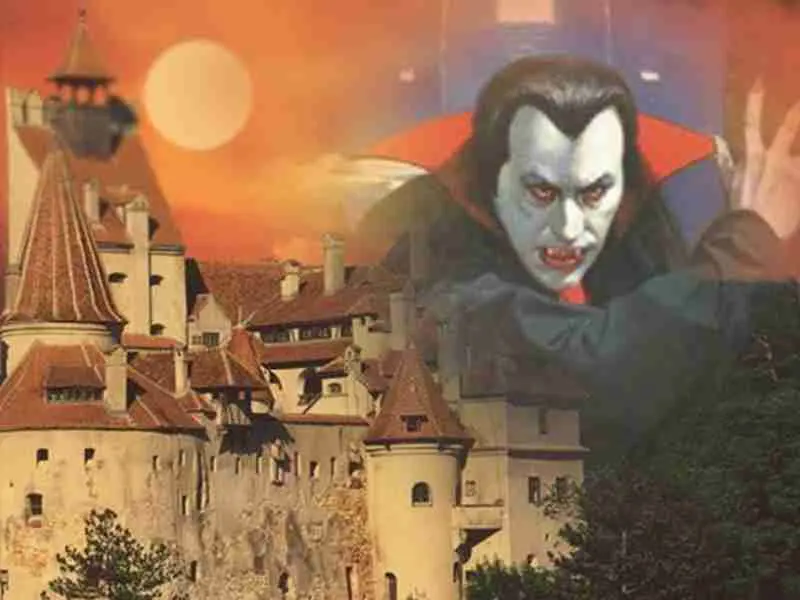
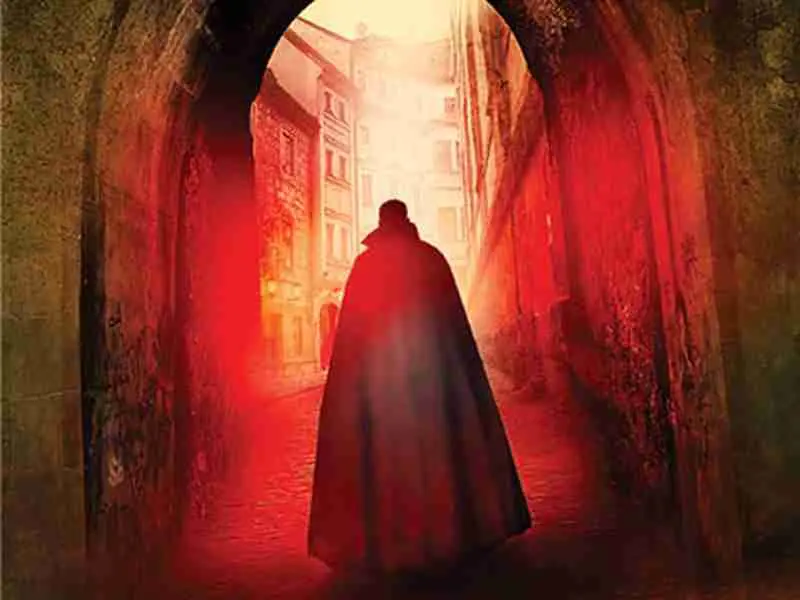
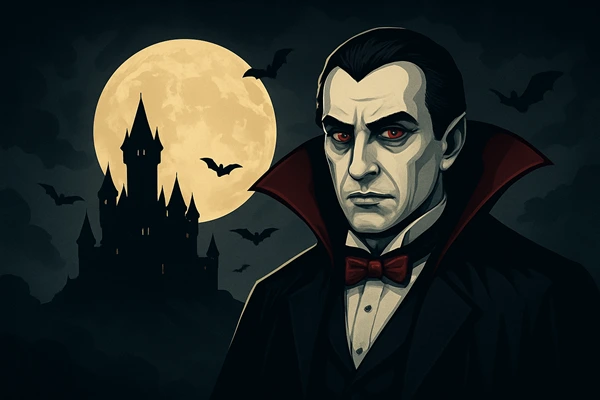
- Aesthetics: The black cloak, the mystery, the medieval architecture and the decadent nobility are elements taken directly from the classic interpretations of Dracula.
- Fandom: The legend has created a community of fans who study and celebrate Gothic themes, from Victorian fashion to dark music.
- Musical Influence: From gothic rock bands to ambient music, the vampiric motif serves as a metaphor for alienation, immortality, and dark romanticism.
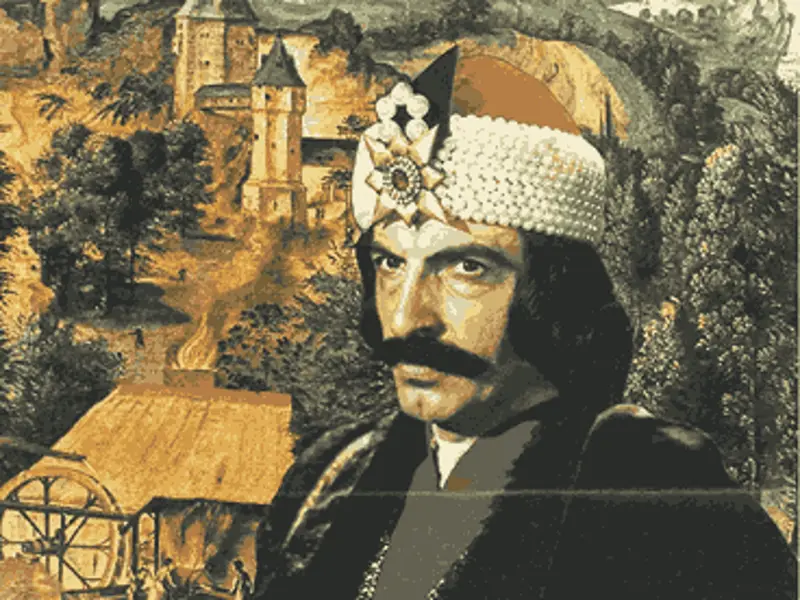
Cultural Branding Analysis (From Vlad Țepeș to Logo)
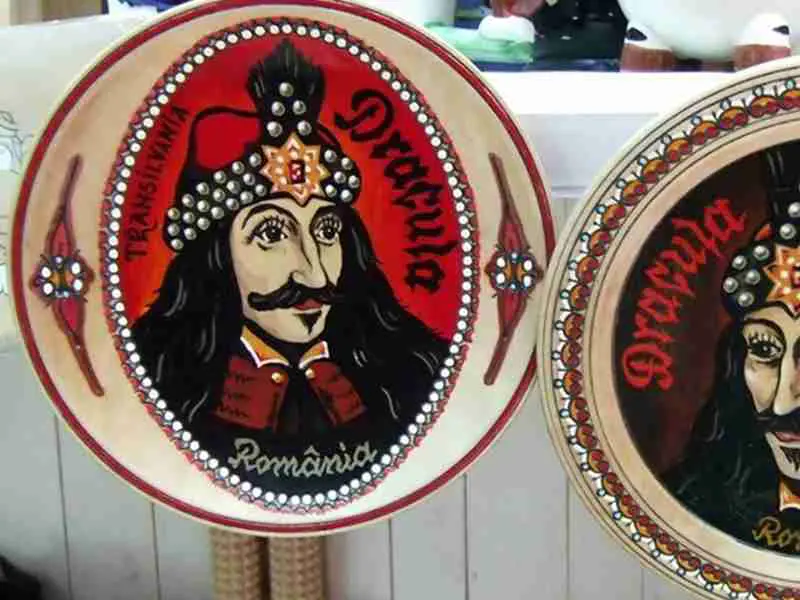
The transformation of Dracula from a literary character into a commercial product is a sociological case study. The name „Dracula” and the associated iconography (Fangs, Bats, Castle) are instantly globally recognizable.
1. The use in Marketing and Advertising
- Marketing: The image is used to sell everything from toys and cereals to advertising campaigns (Ex: promoting blood donations).
- Intellectual property: Although the character *Dracula* is in the public domain, its variations (such as *Hotel Transylvania*) generate huge revenues in the entertainment industry.
2. The impact on the image of Transylvania
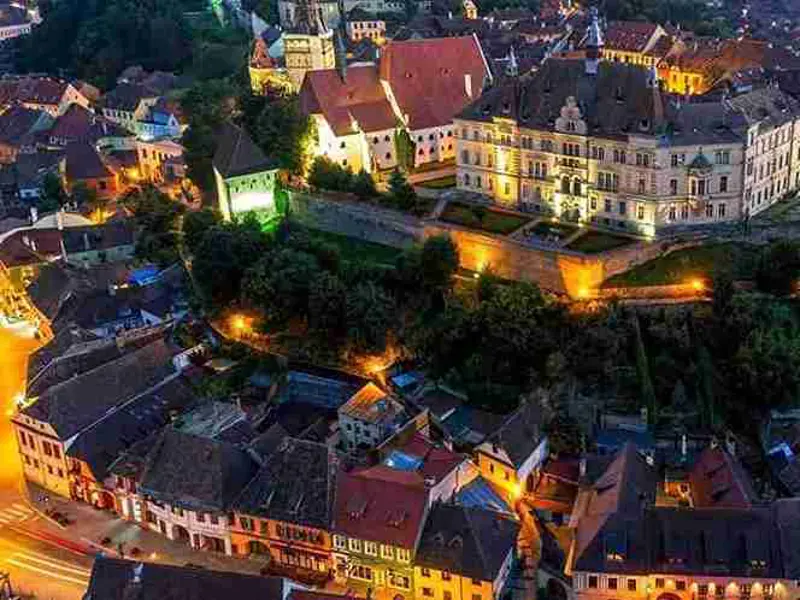
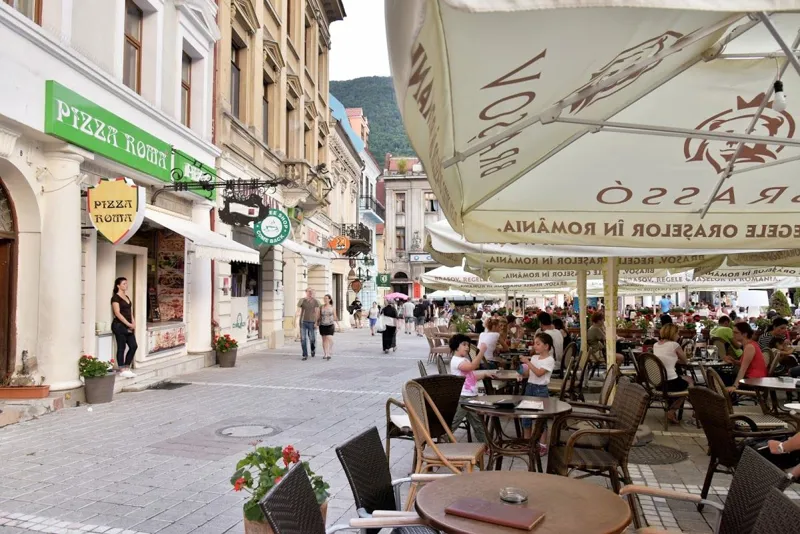
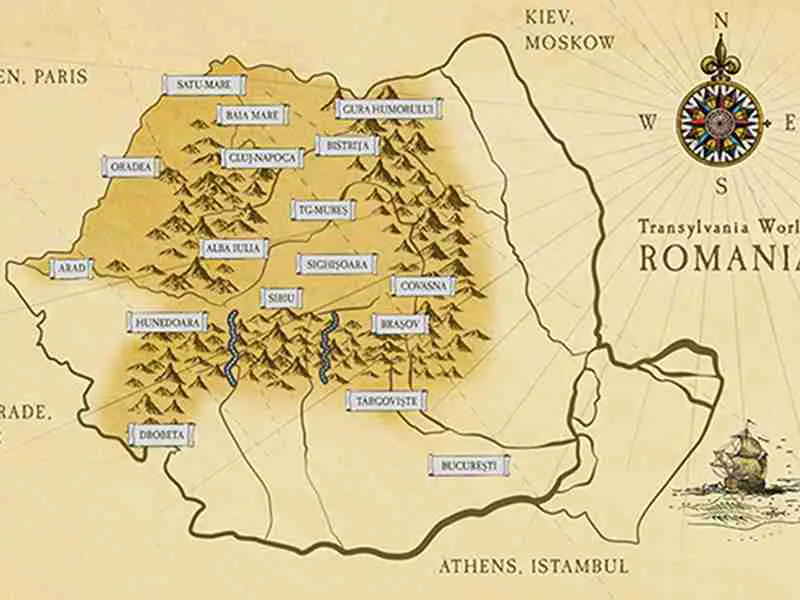
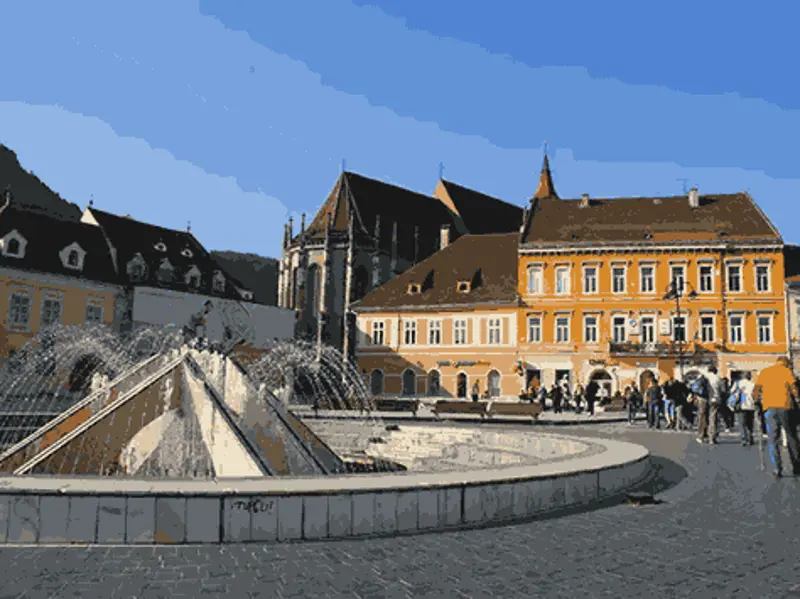
- Stereotypes: Although it generated interest, the Dracula branding also created persistent stereotypes about Romania, seen as a dark and mysterious land.
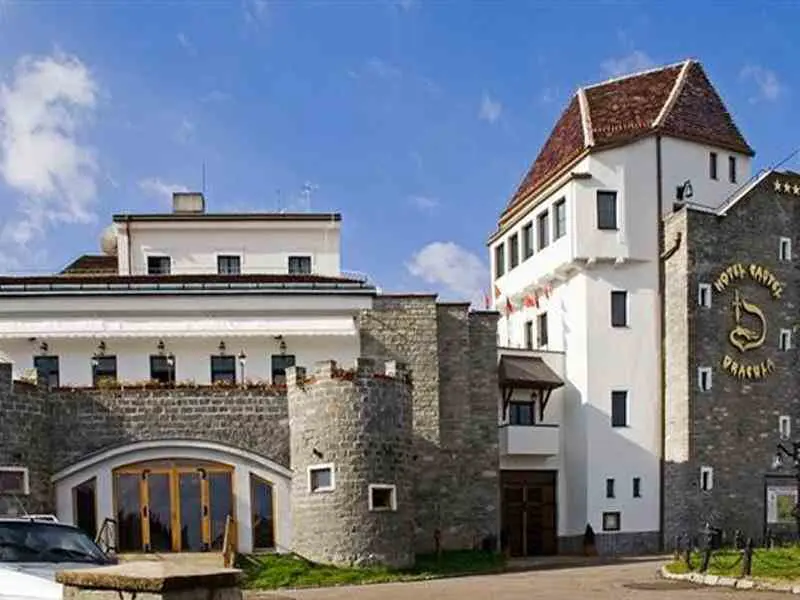
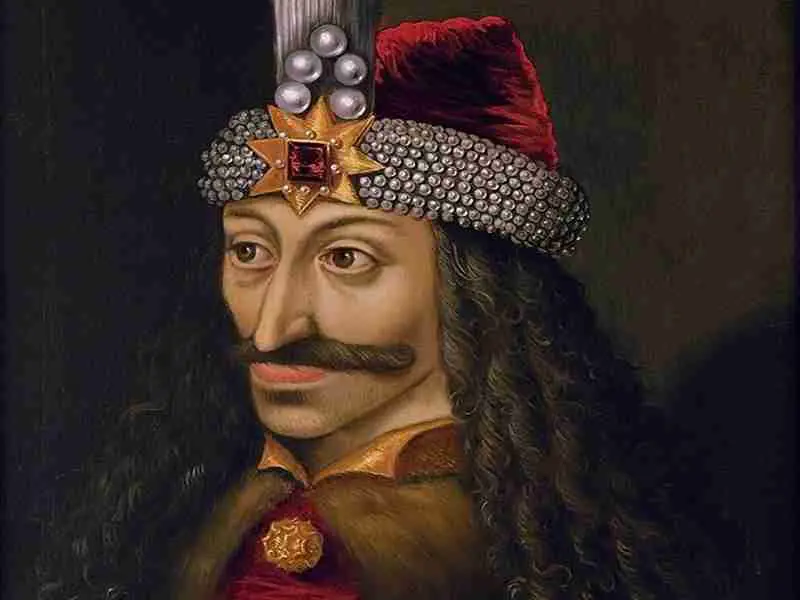
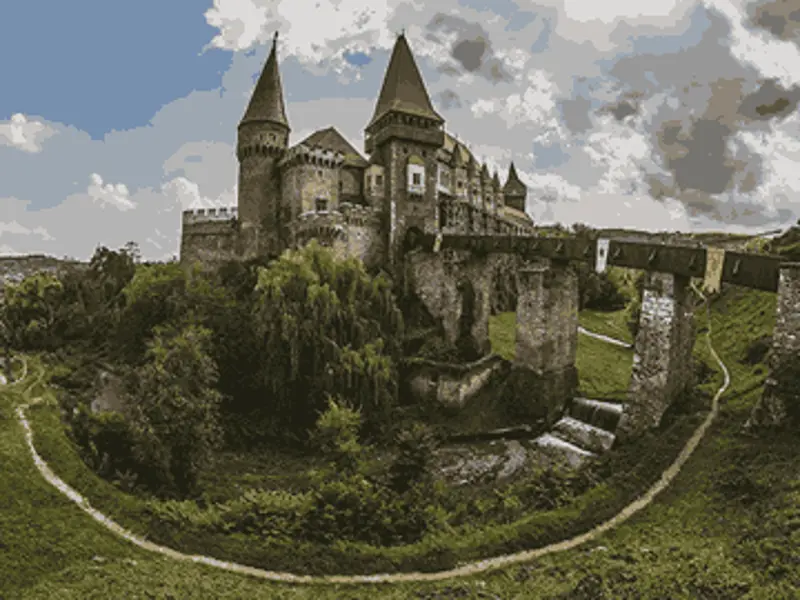
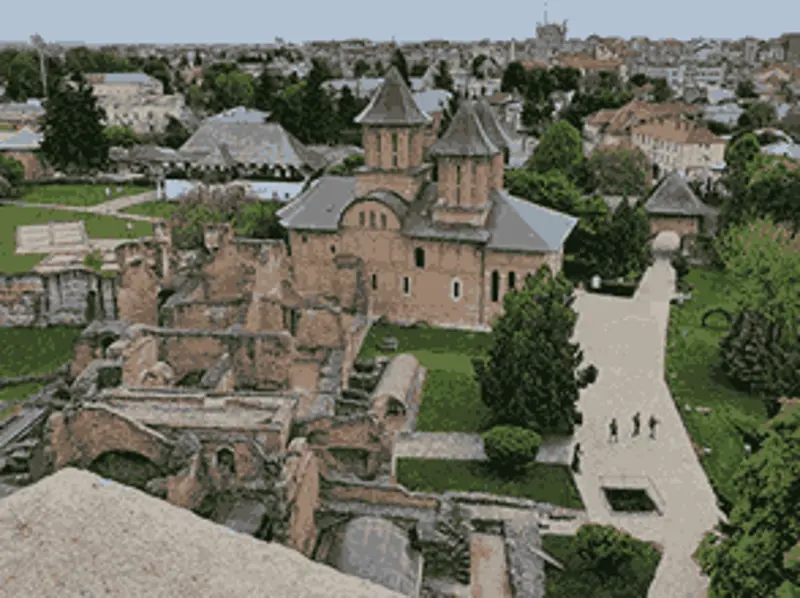
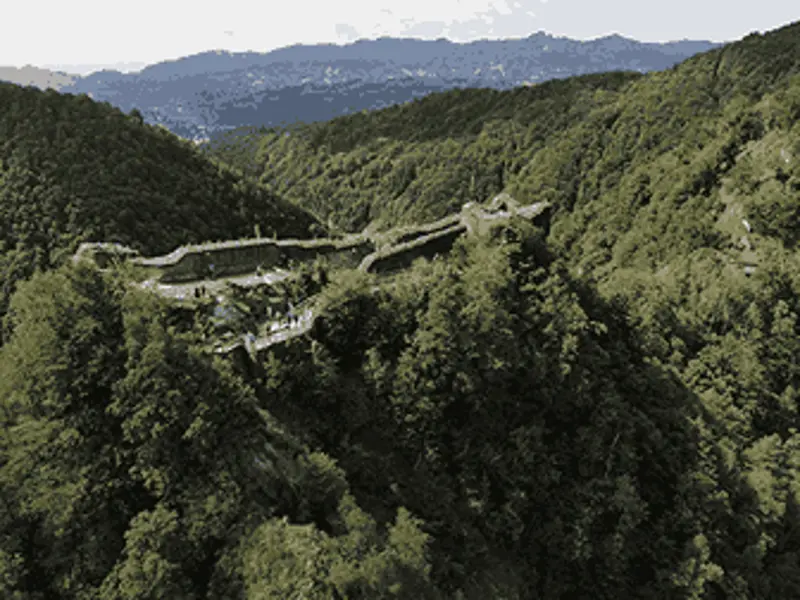
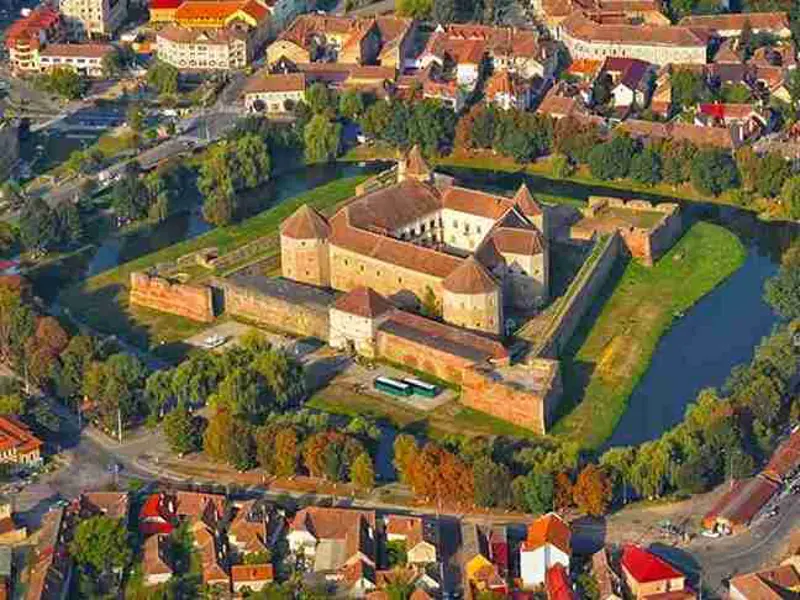
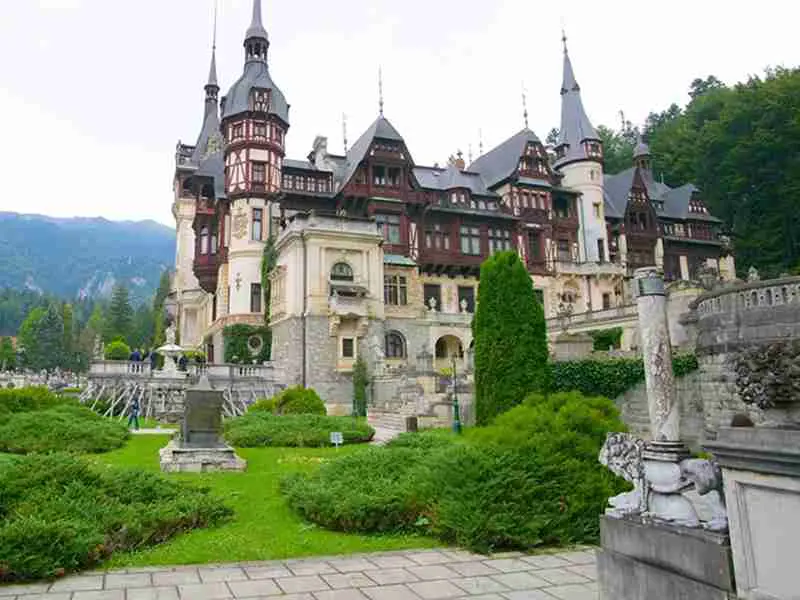
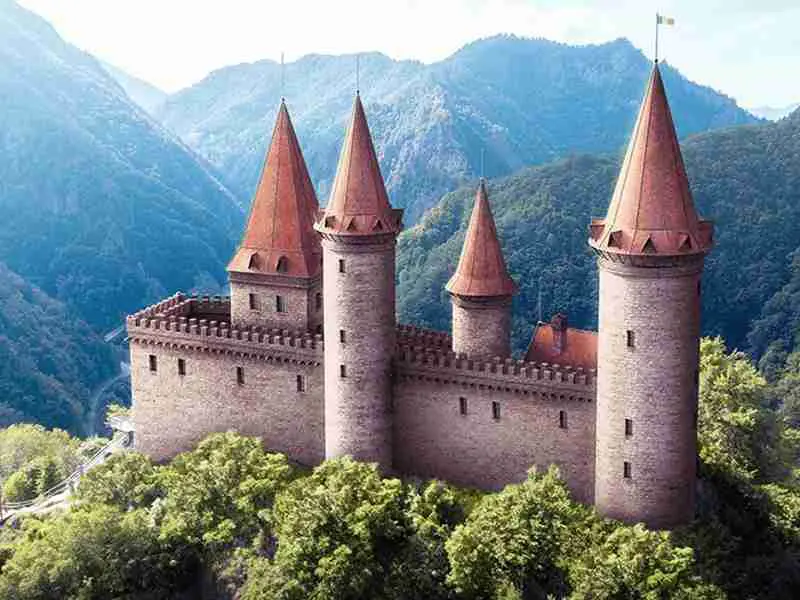
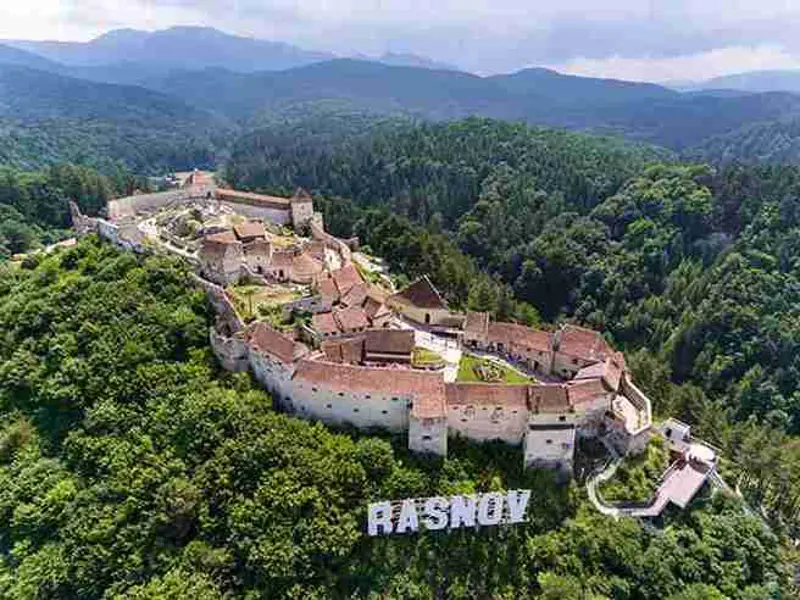
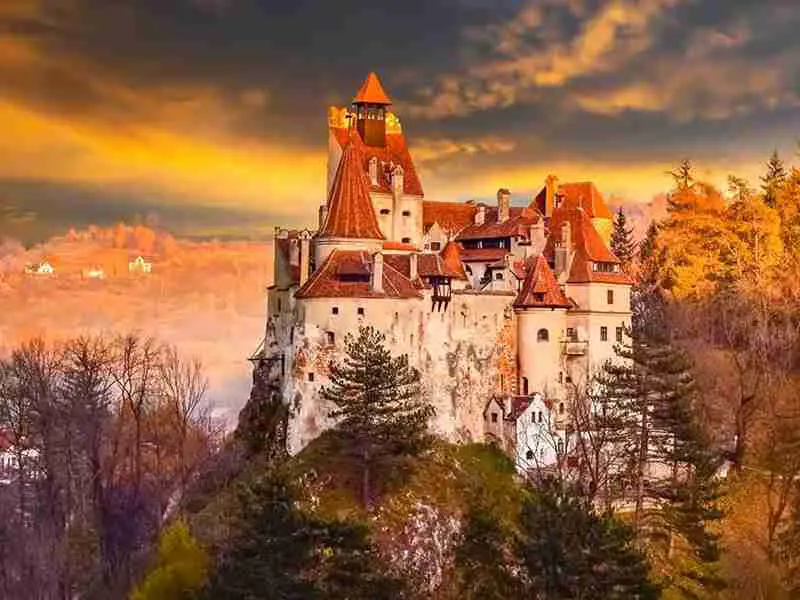
- Turism: Dracula's name is a major economic driver, even though real historical sites (related to Vlad Țepeș) are often overshadowed by false or exaggerated landmarks.
The Phenomenon of Fandom and Online Communities
Digital culture has further amplified the Dracula phenomenon. Fandoms no longer passively consume the legend, but recreate it.
The interaction and re-creation of myths
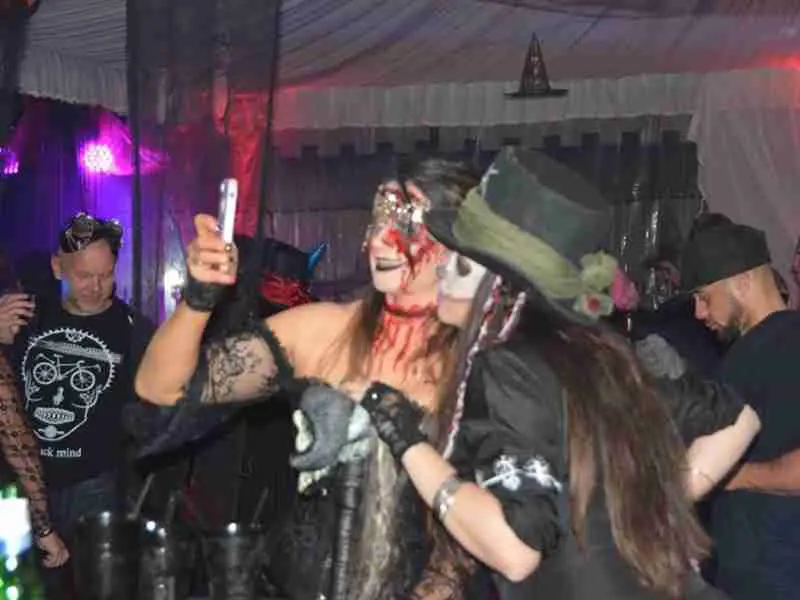
- Fan Fiction and Art: Fans create their own stories, artwork, and cosplay, shifting narrative control from the creator to the consumer.
- Retromania: There is a constant fascination with re-adapting old, classic interpretations (Ex: Nosferatu, Bela Lugosi).
- Video Games: The Dracula/Vampire universe is a mainstay of video games (Ex: *Castlevania*), demonstrating the adaptability of the myth to new media.
Conclusion: The Universal Symbol of Power
Dracula's success as a modern sociocultural phenomenon lies in his ability to metaphorize universal themes: power, immortality, seduction, and the struggle between good and evil. Through his adoption in art, fashion, and marketing, the legend continues to evolve, securing its place not only in the history books but also in the global cultural landscape of the 21st century.