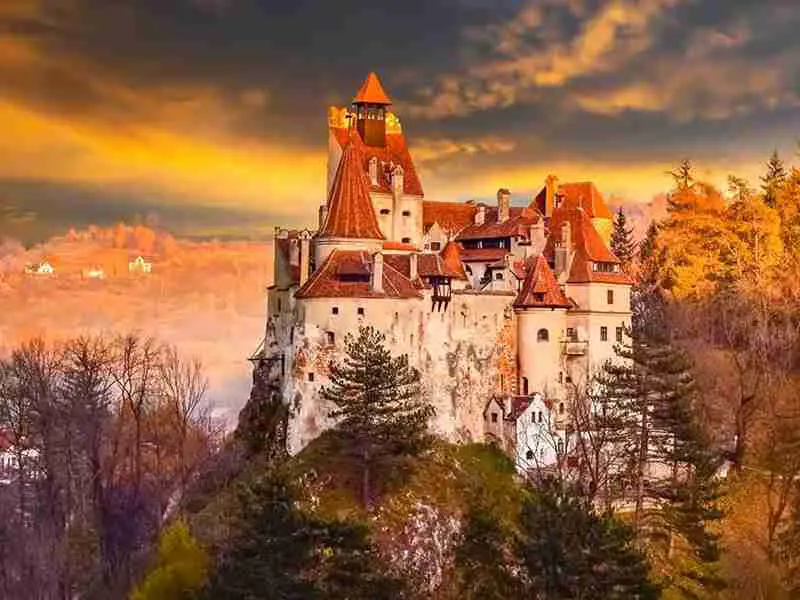
Sighișoara is one of the most beautiful and well-preserved inhabited medieval fortresses in Europe. Here, between the old stone walls and the guild towers, one of the most fascinating legends in the world was born – that of Count Dracula, inspired by the historical figure of the ruler Vlad Țepeș. Visiting this Transylvanian city, you have the feeling that time has stopped, and every street tells you a story.
The origin and history of Sighisoara
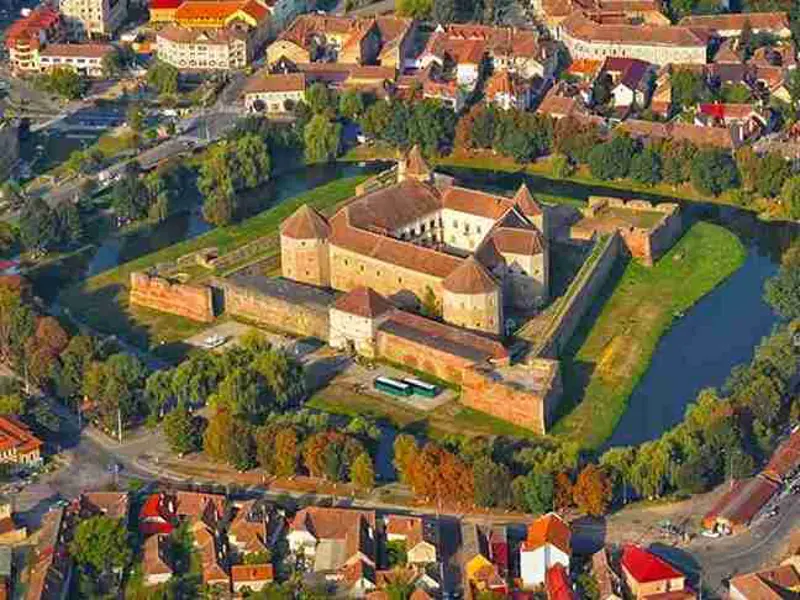
Founded by Saxon settlers in the 12th century, Sighișoara was an important craft and commercial center of Transylvania. The fortress was strategically built on a hill, offering a panoramic view of the Târnava Mara valley and natural protection against invaders. In the Middle Ages, the city was known as Schäßburg and was part of the network of fortifications of the Transylvanian Saxons.
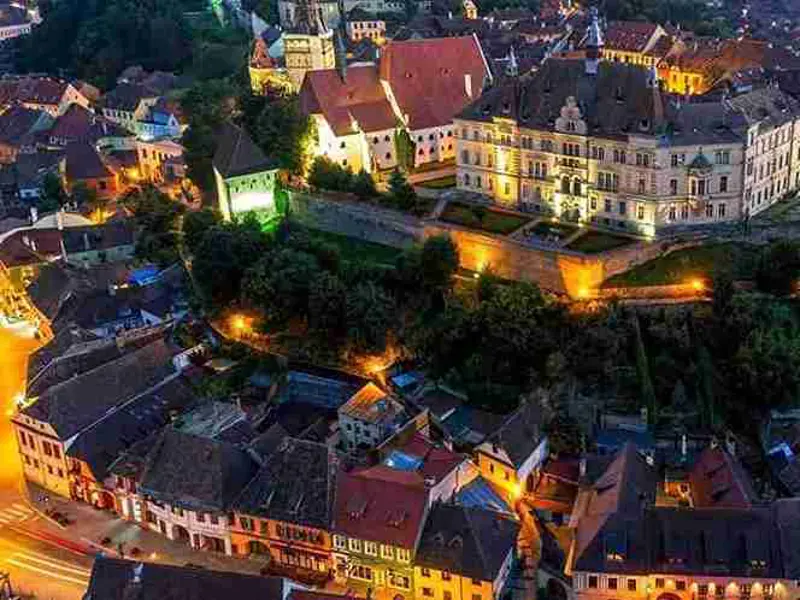
In the 15th century, Sighișoara was a thriving economic center, inhabited by craftsmen, merchants, and nobles. Each guild had its own defensive tower, and the walls of the fortress rose imposingly around over 150 colorful stone houses. Here, in 1431, Vlad Țepeș was born, the son of voivode Vlad Dracul.
Vlad Dracul House – the birthplace of the legend
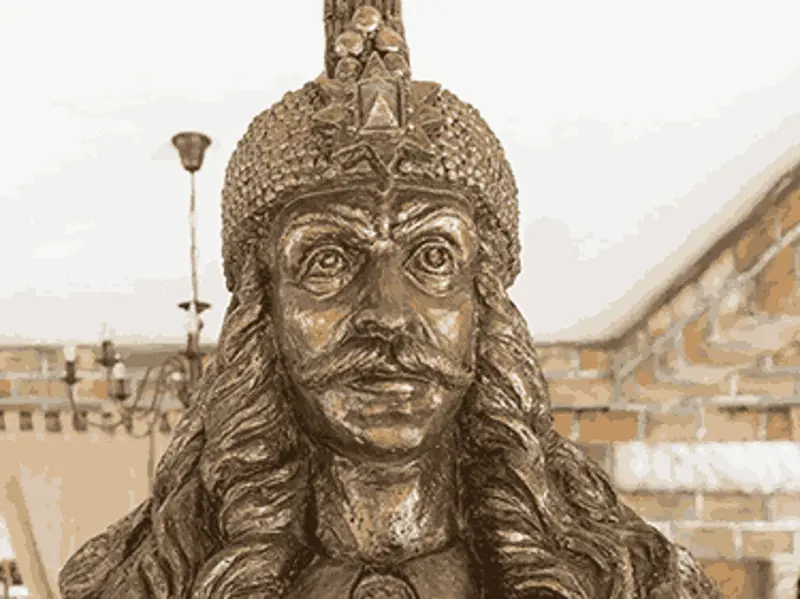
One of the most visited attractions in Sighișoara is the Vlad Dracul House, located in Citadel Square. The yellow building, with Gothic windows and a memorial plaque on the facade, is believed to be the birthplace of Vlad Țepeș, the future ruler of Wallachia and the main inspiration for the character Count Dracula.
Today, the house houses a themed restaurant and a small museum dedicated to the medieval era. Visitors can admire Gothic decorations, armor, weapons and period objects. The atmosphere of mystery is complemented by stories about the Draculești family and its connections with the Order of the Dragon – the symbol that inspired the name “Dracula”.
The legend of Vlad Țepeș and the connection with Dracula
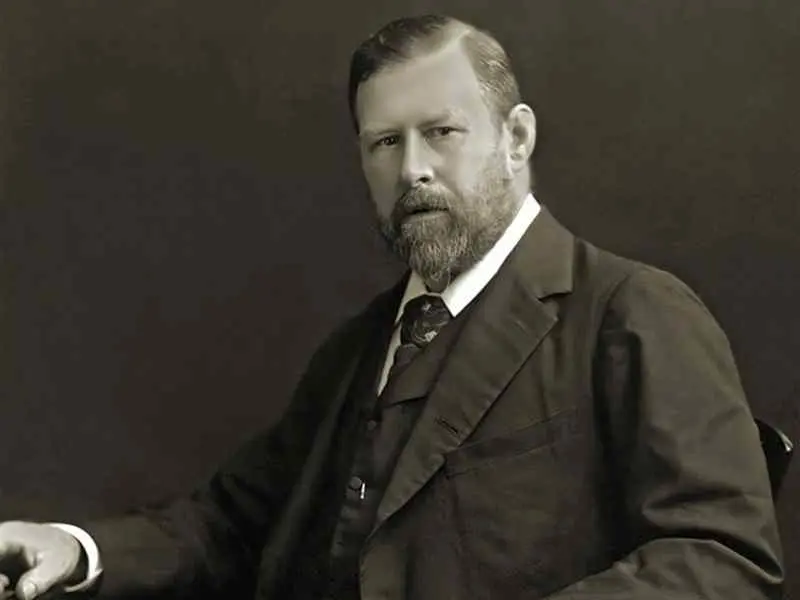
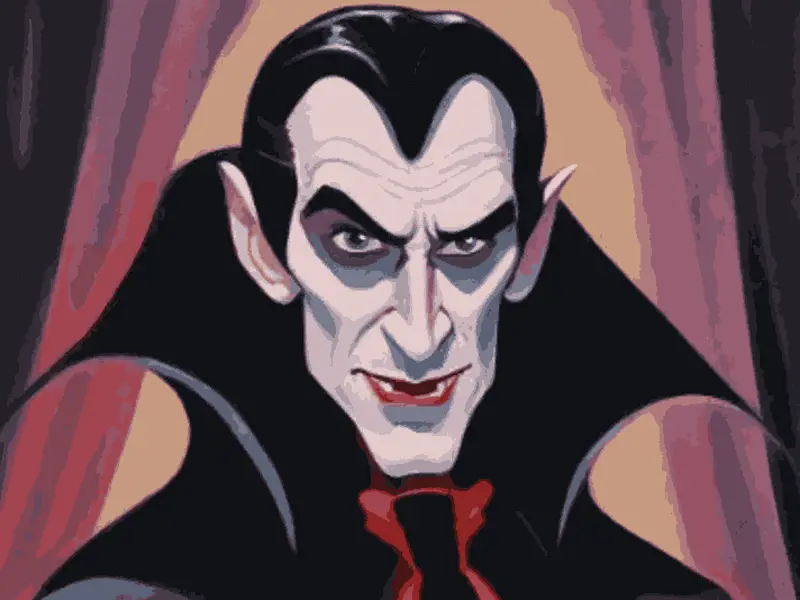
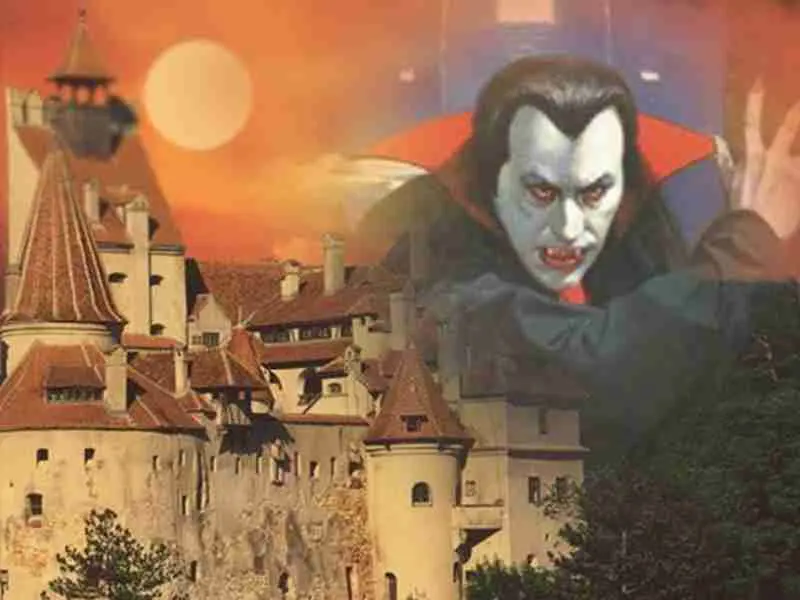
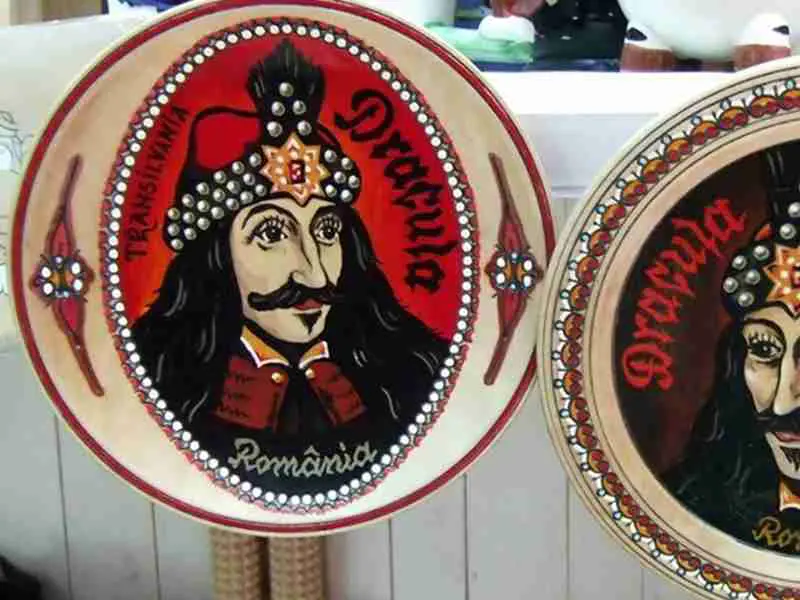
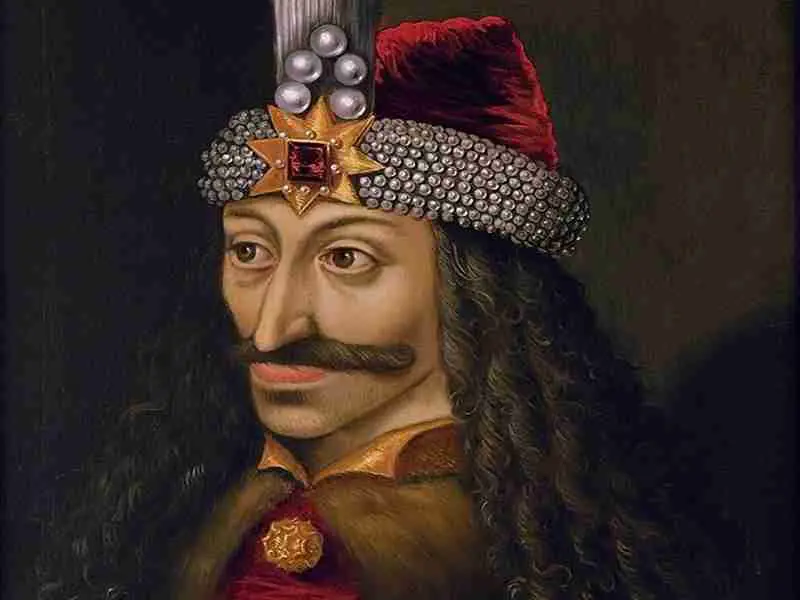
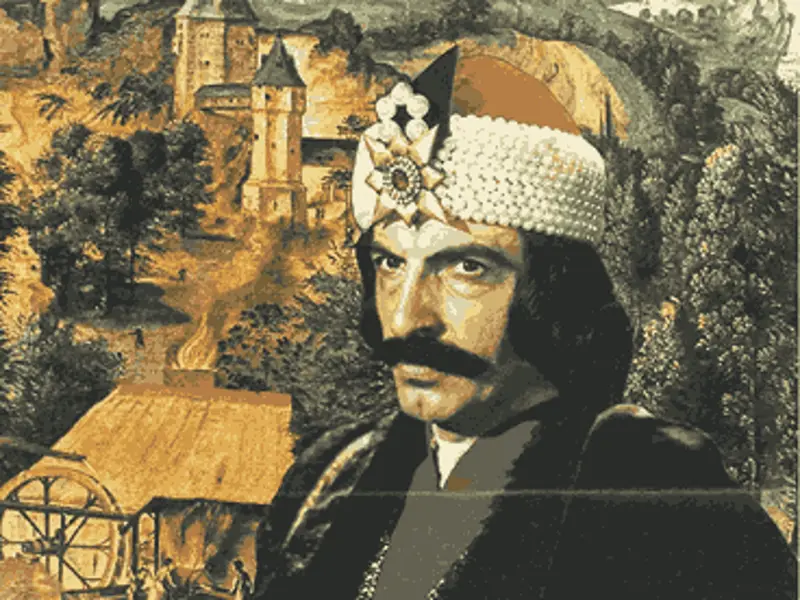
Vlad Țepeș (1431–1476) was a ruler of Wallachia, known for his cruelty towards his enemies, but also for his fairness towards his people. Nicknamed "Țepeș" for his method of punishment by impalement, he became a symbol of ruthless justice. In Western culture, his fame was reinterpreted through the novel "Dracula" written by Bram Stoker in 1897, which transformed the ruler into an immortal vampire from Transylvania.
Although Sighisoara does not appear directly in Stoker’s novel, the city remains an essential point on the “Dracula” route. Tourists from all over the world come here to feel the energy of the place where the legend was born – between historical reality and literary myth.
What can you visit in Sighisoara?
In addition to the Vlad Dracul House, the Sighisoara fortress offers a multitude of spectacular tourist attractions, which transport you directly to the Middle Ages.
- Clock Tower – the symbol of the city, built in the 14th century. Today it houses the History Museum of Sighișoara and offers a superb panorama of the city.
- The Hill Church – one of the largest Gothic churches in Transylvania, with medieval frescoes and an impressive crypt.
- The Schoolmen's Staircase – a covered wooden passage, built in the 17th century, leading to the Evangelical School and the Hill Church.
- The Guild Towers – 9 of the original 14 towers have survived to this day: the Blacksmiths' Tower, the Tinsmiths' Tower, the Ropemakers' Tower, the Tailors' Tower, each bearing the mark of the guild that built it.
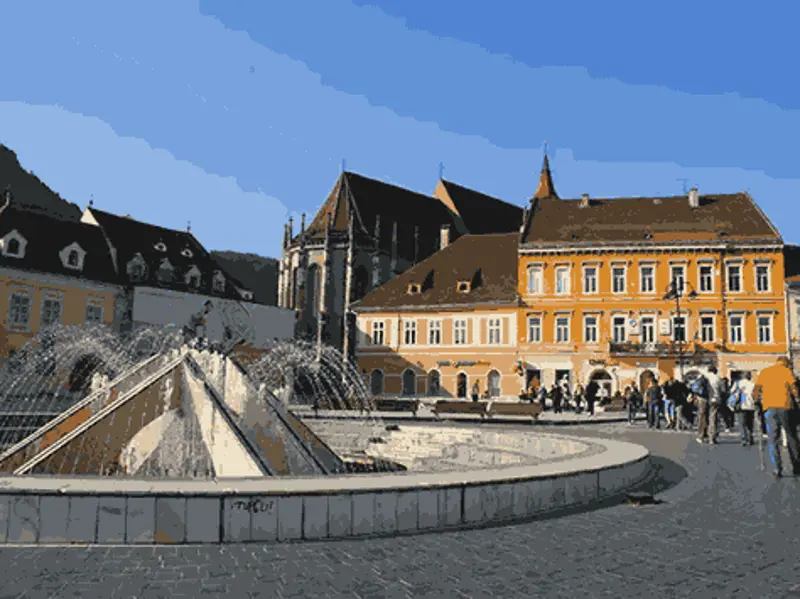
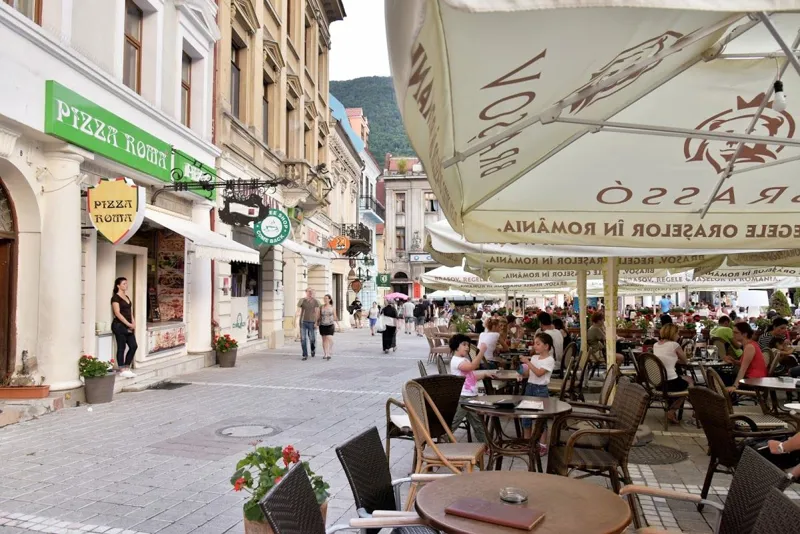
- The Fortress Square – the heart of Sighișoara, a lively place with terraces, medieval festivals and local artisans.
Sighisoara Medieval Festival
Every summer, the city hosts the famous Sighisoara Medieval Festival, a celebration of history and tradition. The streets are filled with knights, ladies, craftsmen, musicians and actors, in an atmosphere that perfectly recreates the era of Vlad Țepeș. The event attracts thousands of Romanian and foreign tourists, being one of the most popular cultural events in Transylvania.
Local traditions and gastronomy
Sighișoara is not only about history and architecture, but also an authentic cultural experience. Local restaurants offer traditional Transylvanian dishes, such as:
- Transylvanian tochitura with polenta;
- beef goulash with paprika;
- Saxon pies and cakes with apples or sweet cheese;
- local wines from the Târnava Mari area.
On summer evenings, the terraces in Citadel Square are animated by medieval music and warm lights, offering visitors a romantic and mysterious atmosphere.
Sighisoara – a UNESCO destination
Since 1999, Sighisoara Citadel has been a UNESCO World Heritage Site, recognized as one of the most authentic inhabited medieval fortresses in Europe. Its colorful houses, cobblestone streets, and original fortifications have remained almost unchanged over the centuries.
By visiting Sighișoara, you have the opportunity to step into the heart of Transylvania, where history, legend and culture intertwine in a unique way. Whether you are passionate about history, architecture or just want to feel the Gothic atmosphere of the place, this city will conquer you irreparably.
How to get to Sighisoara
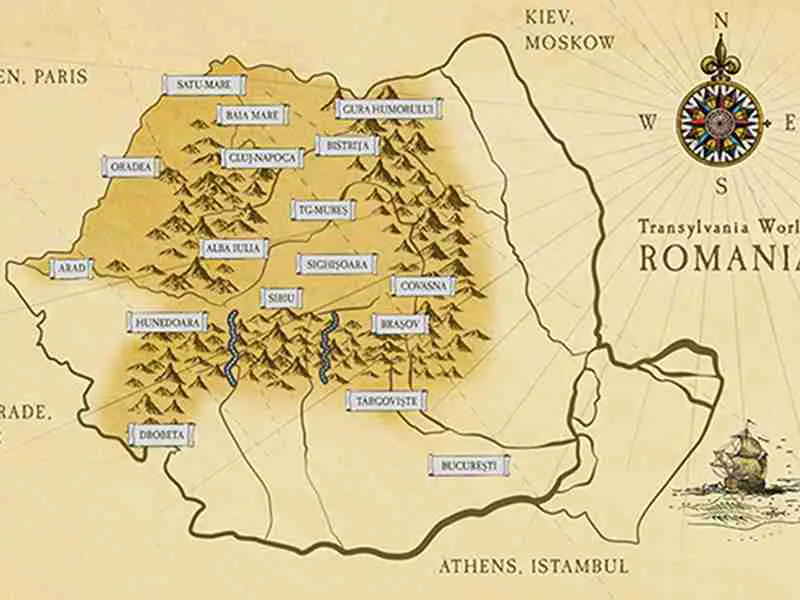
Sighișoara is located in Mureș County, approximately 120 km from Brașov and 300 km from Bucharest. You can easily reach:
- 🚗 by car – on E60 (DN13), Brașov – Târgu Mureș route;
- 🚆 by train – Sighișoara train station has direct connections with Bucharest, Brașov, Cluj-Napoca and Târgu Mureș;
- 🚌 by bus – there are regular services from the main cities of Romania.
Conclusion
Sighișoara is more than a tourist destination – it is a place of legends, stories and living history. It is the birthplace of Vlad Țepeș, the ruler who inspired one of the most famous figures in world culture: Count Dracula. Visiting this fortress, you enter a world where reality and myth coexist, and every stone corner reminds you that the legend never dies.