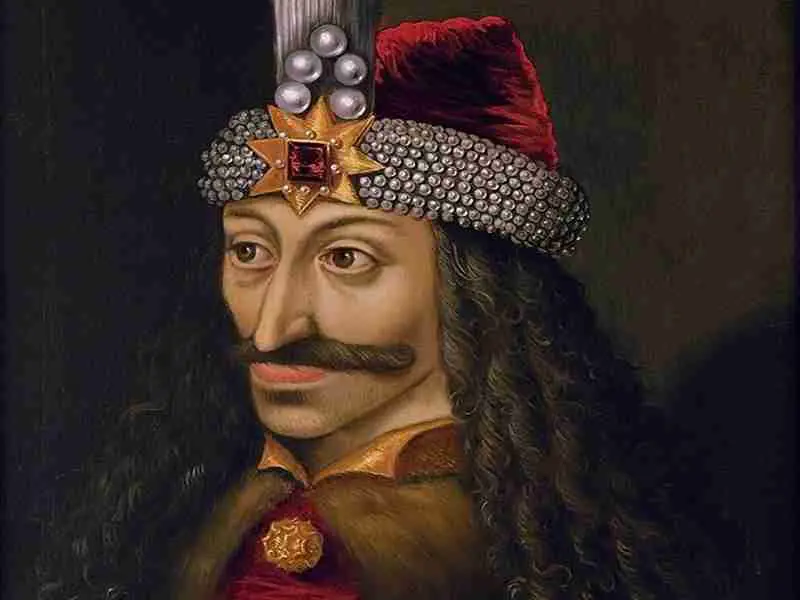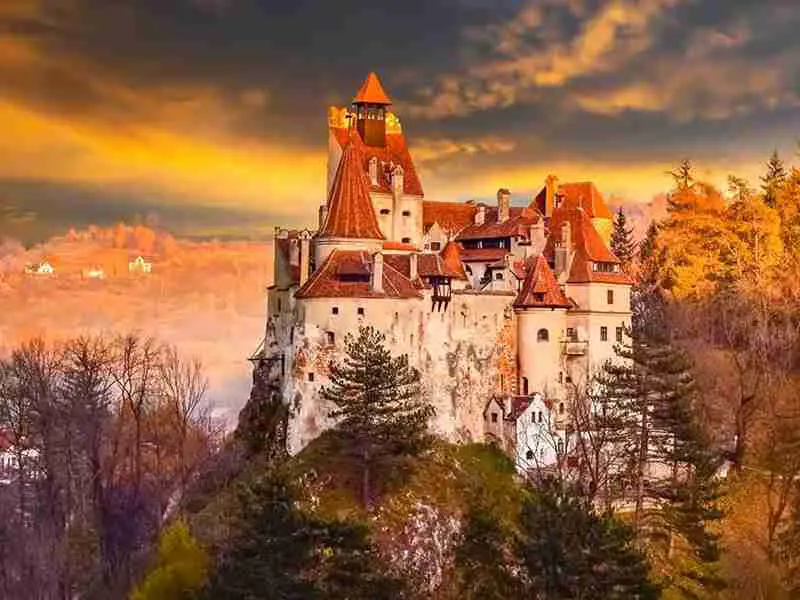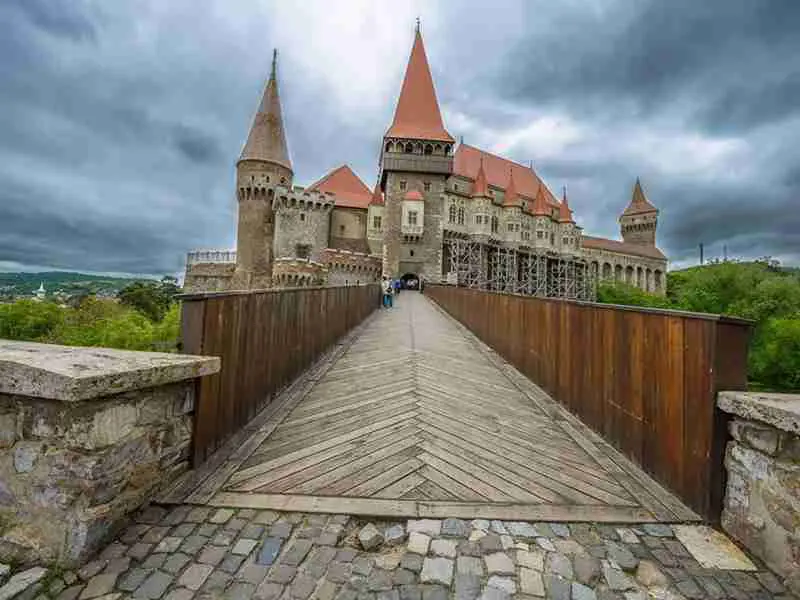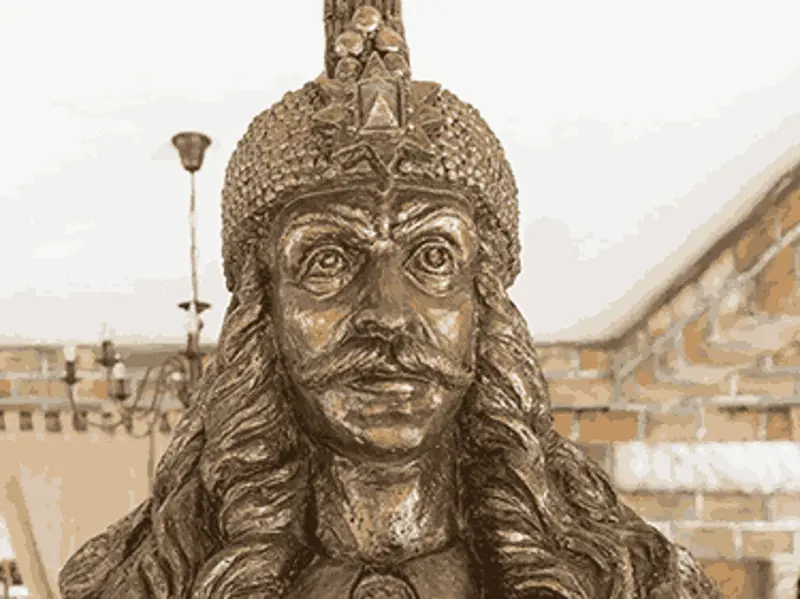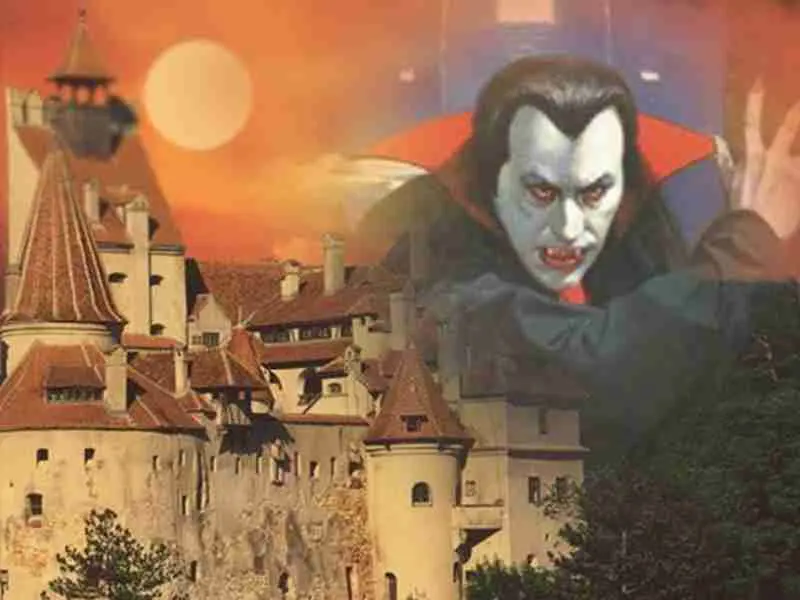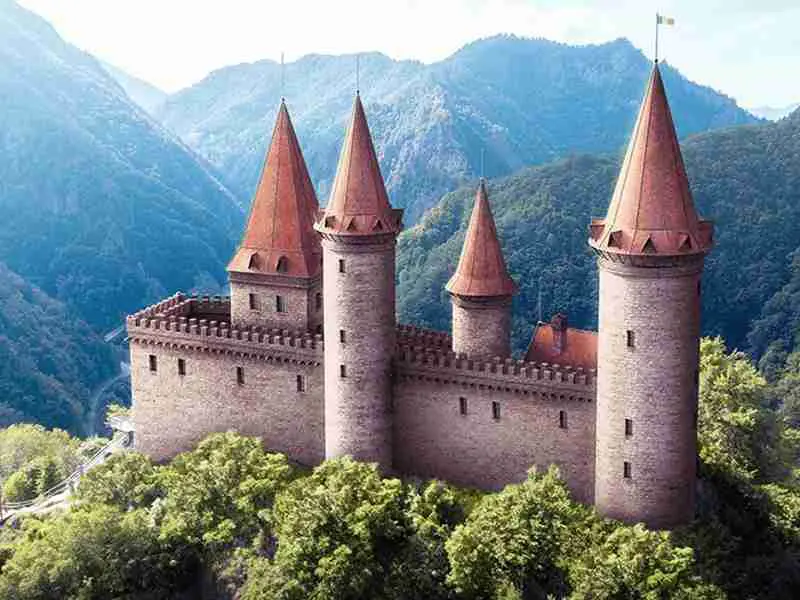
Far from the pomp and romantic story of Bran Castle, hidden in the heart of the Fagaras Mountains, lies Poenari Fortress – the true fortified residence of voivode Vlad Țepeș. Built on a steep cliff above the Arges River, this impressive fortress remains a symbol of resistance, power and mystery related to the historical figure who inspired the legend of Count Dracula.
History of Poenari Fortress
Built in the 14th century, Poenari Fortress was originally a modest fortification, erected by the rulers of Wallachia. In the second half of the 15th century, Vlad Țepeș strengthened the walls and transformed the fortress into a strategic point of defense against Ottoman invasions. Its position, on a cliff at an altitude of over 850 meters, made the fortress almost impossible to conquer.
Legend has it that Vlad Țepeș used the strength of traitorous boyars to rebuild the walls of the fortress. After a plot discovered by the ruler, he forced the boyars to climb the mountain and work until exhaustion. Many perished on the way, and the fortress was finished at the cost of blood and betrayal..
Architecture and strategic positioning
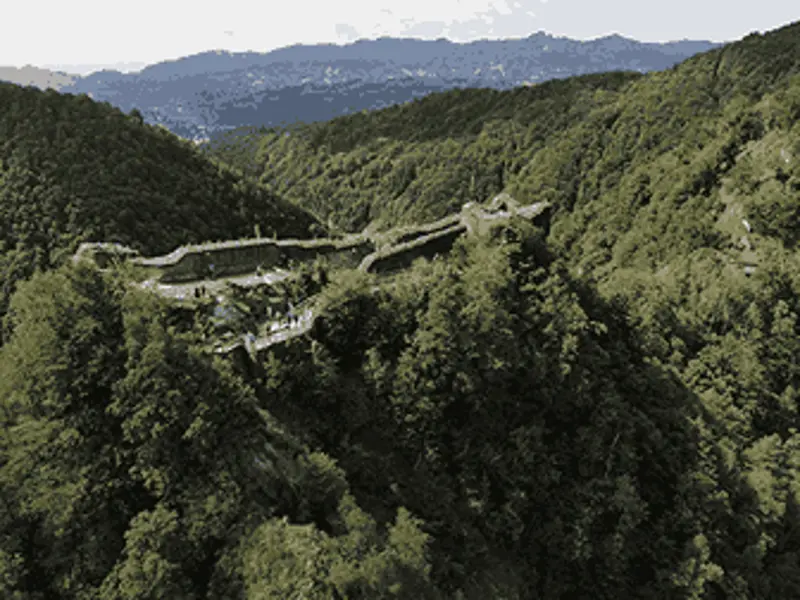
Poenari Fortress impresses with its dramatic location, on a rocky peak overlooking the Argeș Gorge. The walls, built of red brick and river stone, stretch for about 60 meters, forming a wedge-shaped fortress, perfectly adapted to the mountainous terrain.
- The outer walls – over 2 meters thick, protected the fortress against attacks with firearms.
- The defense towers – offer a spectacular panorama of the valley and had a strategic observation role.
- The unique access – today it is made on a staircase of 1480 steps, which offers an unforgettable experience for visitors and symbolizes the ascent to the legend of Dracula.
Poenari is often called "the true fortress of Vlad Țepeș" because, unlike other places associated with the legend, there is clear evidence of the ruler's presence here. In addition, the isolation and harshness of the place perfectly reflect the unyielding character of the one who inspired the myth of Dracula.
The Legends of Poenari Fortress
The history of the fortress is sprinkled with bloody stories and fantastic events, which contributed to creating its mysterious aura.
The legend of the punished boyars
After a noble revolt against the ruler, Vlad Țepeș invited them to an Easter feast. During the meal, he accused them of treason, arrested them, and forced them to climb the steep mountain to Poenari. There, they were forced to rebuild the fortress walls. It is said that only a few survived, and from that day on, the fortress became a symbol of Țepeș' absolute power.
The legend of Vlad Țepeș's wife
Another story says that Vlad Țepeș's wife, who was in the fortress during an Ottoman attack, threw herself into the Argeș River to avoid being captured. The place where she fell is called "Valea Doamnei", and the legend recalls the courage and devotion of the ruler's family.
The legend of the secret tunnel
According to local stories, the fortress had a secret tunnel leading to the village of Arefu, at the base of the mountain. Although the tunnel was never fully discovered, its idea further fueled the mystery surrounding the fortress.
Poenari Fortress and the connection with the legend of Dracula
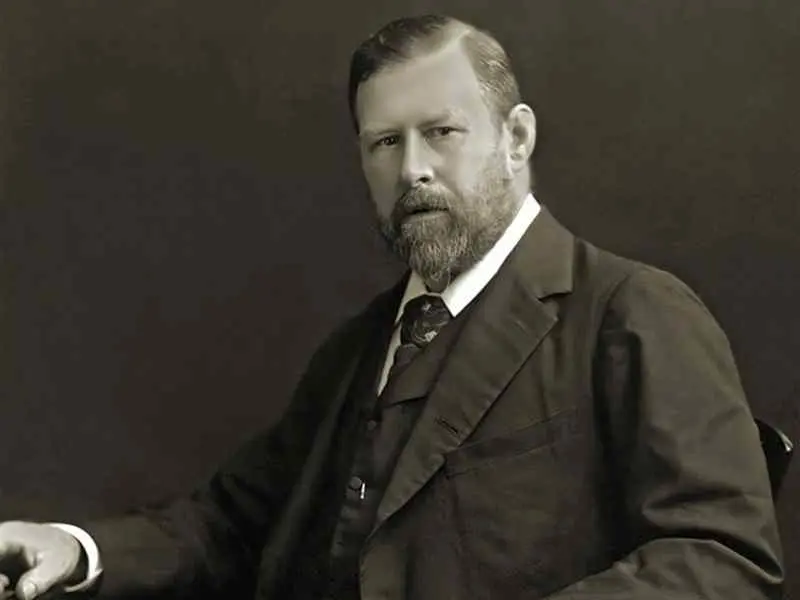
Although Bram Stoker, the author of the novel "Dracula", never visited Romania, the description of the count's castle fits surprisingly well with the image of Poenari Fortress: an isolated castle, on a steep cliff, surrounded by dense forests and precipices. This has led many researchers to consider Poenari as the real inspiration for the residence of the legendary Transylvanian vampire.
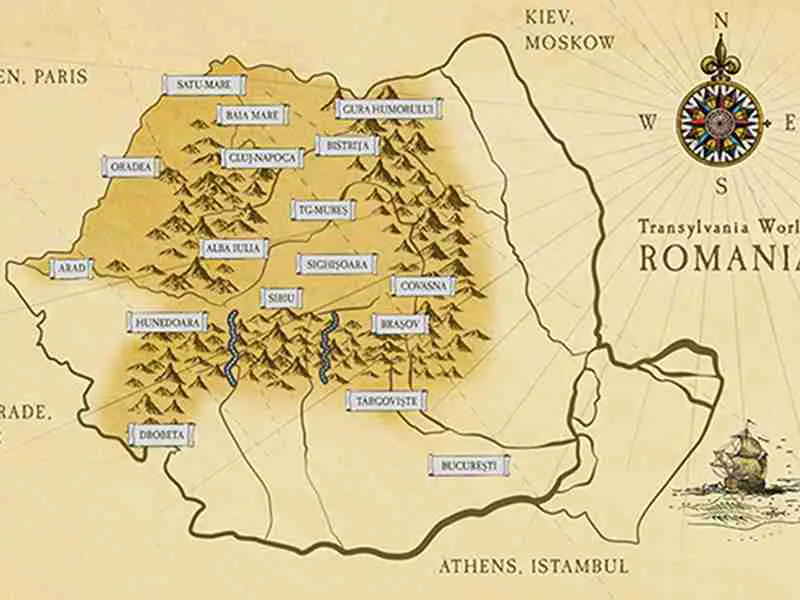
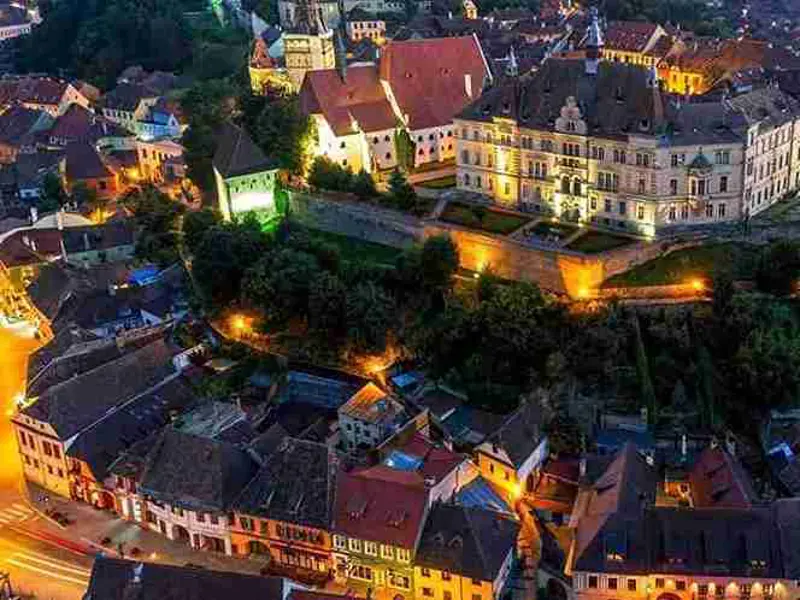
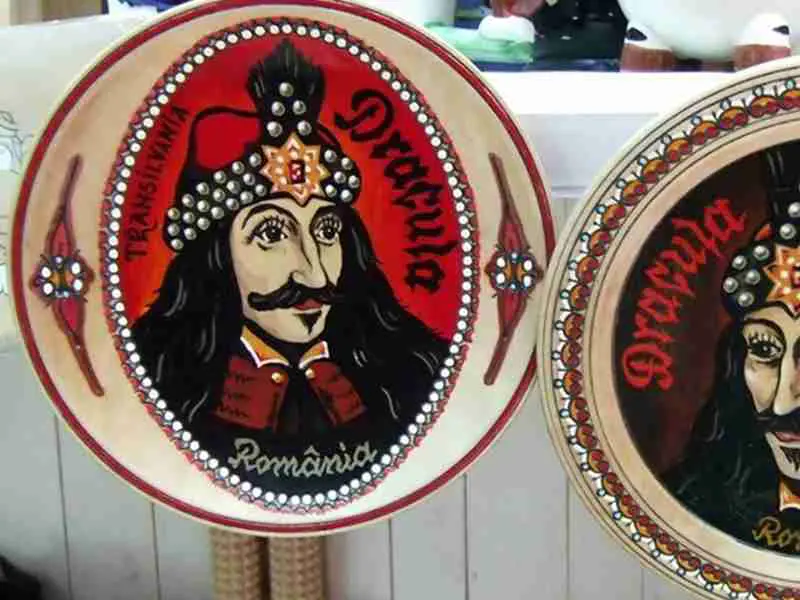
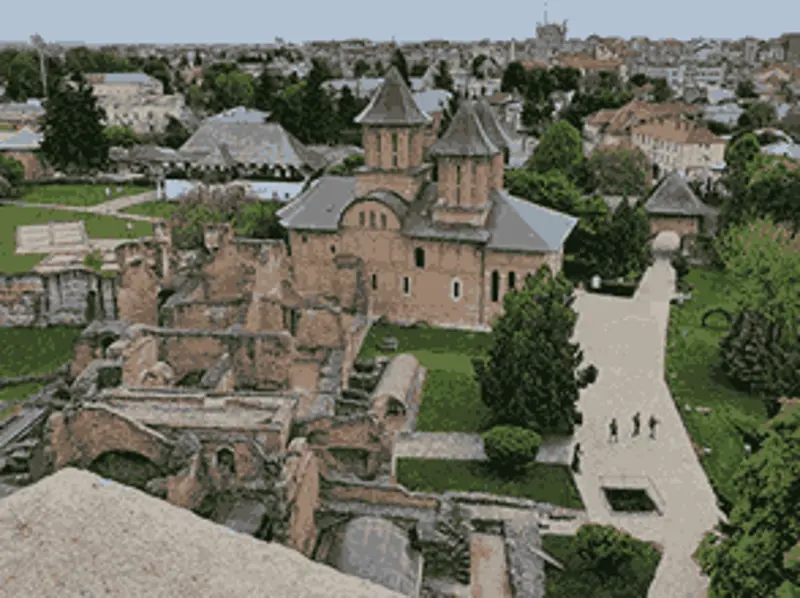
Today, the fortress is included in the "Dracula Route" – a tourist circuit that connects the main places associated with Vlad the Impaler: Sighișoara, Brașov, Bran, Târgoviște and Poenari. Unlike Bran, which attracts with its myth and aesthetics, Poenari fascinates with its authenticity and its brutal, almost untamed energy.
Visiting Poenari Fortress
The road to the fortress is an adventure in itself. Access is via the famous Transfăgărășan, one of the most spectacular mountain roads in the world. From the base of the mountain, visitors must climb the 1,480 stone steps that lead up to the ruins. The climb is demanding, but the view that awaits you at the top is worth every step.
- Visit schedule: summer (10:00 – 18:00), winter (10:00 – 16:00), with breaks in the cold season due to bears in the area;
- Access: can be easily reached from the city of Curtea de Argeș (25 km) or from Căpățânenii Ungureni;
- Entrance fee: symbolic, used for trail maintenance and tourist safety;
- Duration of the climb: 30–40 minutes at a medium pace, sports shoes and water recommended.
What can you see in the area?
The Poenari area is one of the most picturesque regions of Romania, combining history with the wild nature of the Carpathians. Nearby attractions include:
- Vidraru Dam – an engineering masterpiece located just a few kilometers from the fortress, offering spectacular views of the artificial lake.
- The Statue of Prometheus – located on the edge of the dam, symbolizes human energy and sacrifice.
- Curtea de Argeș Monastery – one of the most beautiful churches in Romania, the resting place of the kings of Romania.
- Transfăgărășanul – considered one of the most beautiful roads in the world, ideal for explorers and adventure enthusiasts.
The importance of Poenari Fortress in Romanian culture
Poenari Fortress is more than just a medieval ruin – it is a symbol of Romanian resistance and the fearless spirit of Vlad Țepeș. The place represents a connection between history, myth and national identity. For tourists, it is a destination that offers not only a history lesson, but also an intense spiritual experience.
Many visitors say that once they reach the top of the mountain, they feel a special energy, as if the echo of the past still echoes within the walls. Poenari remains a unique destination for those who want to enter the real heart of the Dracula legend.
Conclusion
Poenari Fortress is not just a tourist attraction – it is a place of legends, courage and resistance. Here, between sky and stone, Vlad Țepeș built not only his fortress, but also a part of his immortality. Each stone bears the memory of a ruler who inspired fear, respect and myths that endure to this day.
Visit Poenari Fortress and experience the legend where it truly began. Learn more about Dracula's trails and historical destinations in Transylvania at complexdracula.ro.