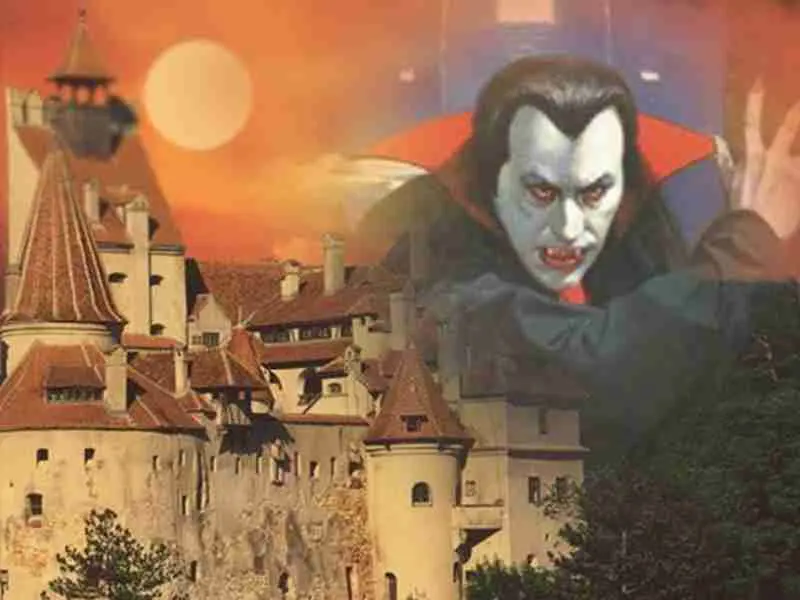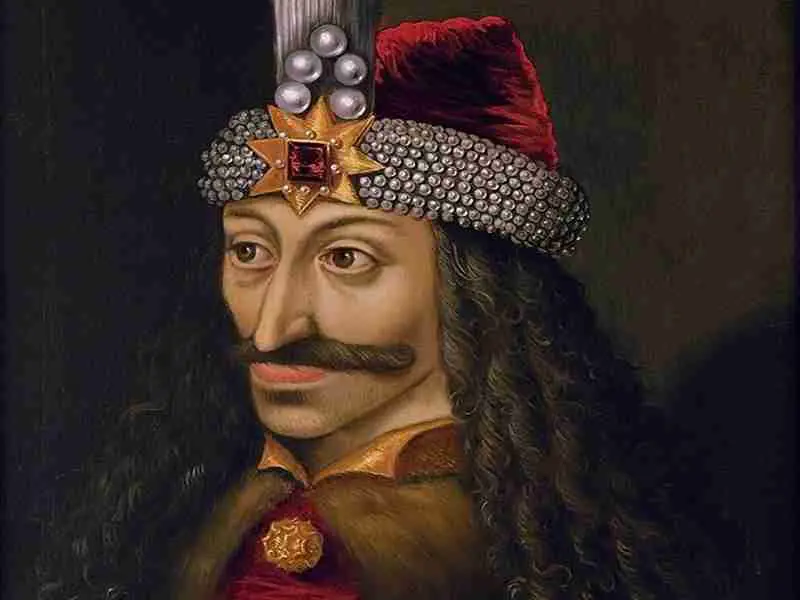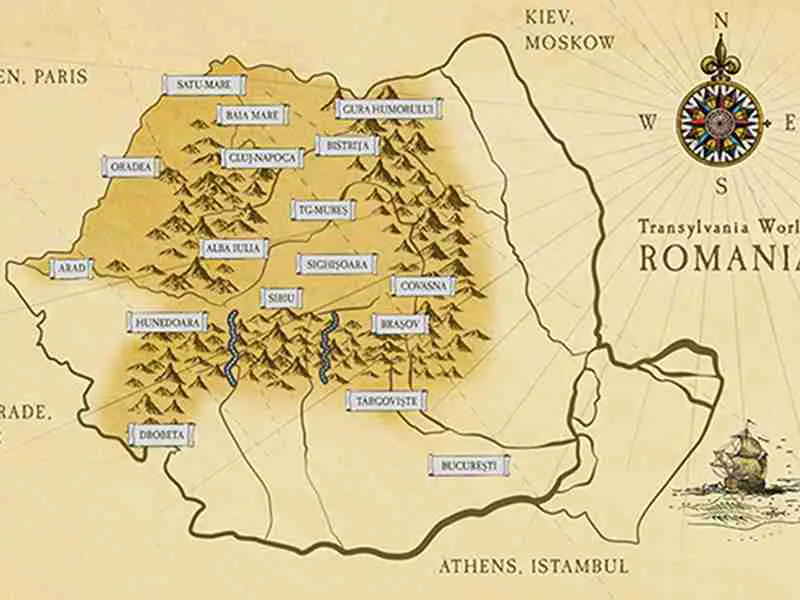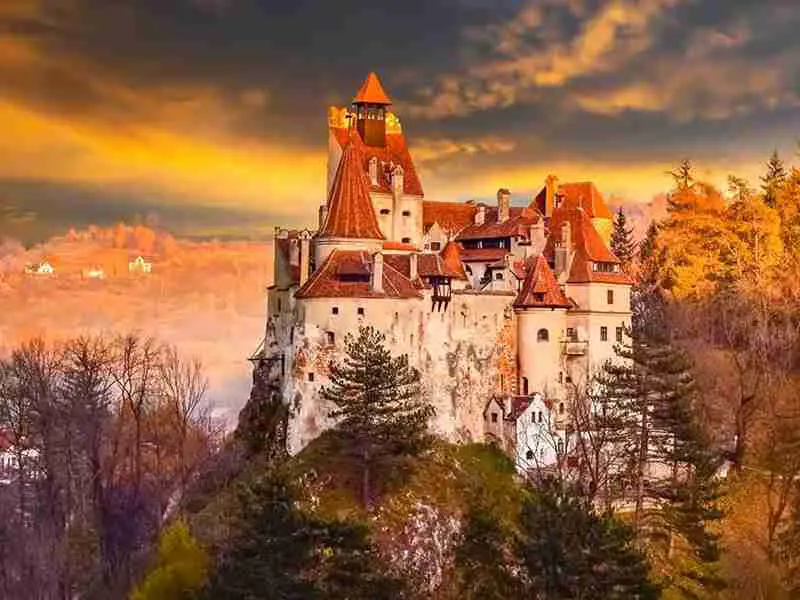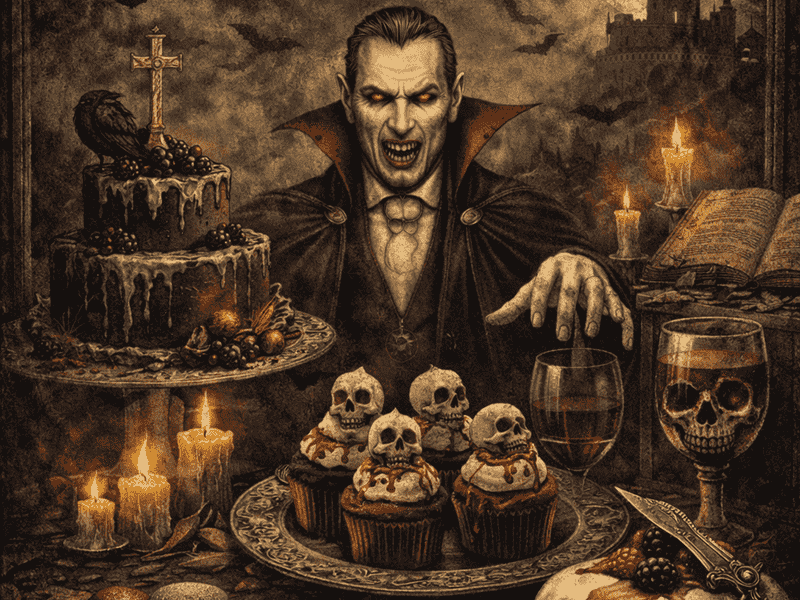
Desserts inspired by the legend of Dracula represent one of the most creative reinterpretations of medieval gastronomy. Although sweets were rare in the era of Vlad Țepeș, today culinary imagination has transformed the idea of "gothic" into a unique aesthetic, based on dark chocolate, dark fruits and intense flavors. The popularity of the vampire myth has inspired numerous confectioneries and themed restaurants to create spectacular delights, designed to recreate the dark and mysterious atmosphere of Transylvania.
What ingredients define Gothic desserts?
- Dark chocolate with high cocoa content
- Intense red fruits such as cherries and currants
- Exotic spices used in the Middle Ages
- Glossy glazes and metallic decorations
Examples of Dracula-inspired desserts
- Cakes with dark chocolate and rum essence
- Cakes with a "bloody" look created from red fruit puree
- Medieval pies reinterpreted with berries
- Desserts with vanilla cream and dark tops
Why are themed desserts popular?
- Gothic atmosphere attracts tourists and legend lovers
- Allows creative reinterpretation of medieval gastronomy
- Intense flavors match the vampire theme
- Offers memorable culinary experiences
Conclusion
Dracula-inspired Gothic desserts combine Transylvanian tradition with modern aesthetics, resulting in spectacular dishes in both taste and presentation. They not only satisfy the desire for something sweet, but also the curiosity for the dark universe of the legend. Thus, vampire gastronomy becomes a culinary art form that continues to fascinate and inspire.