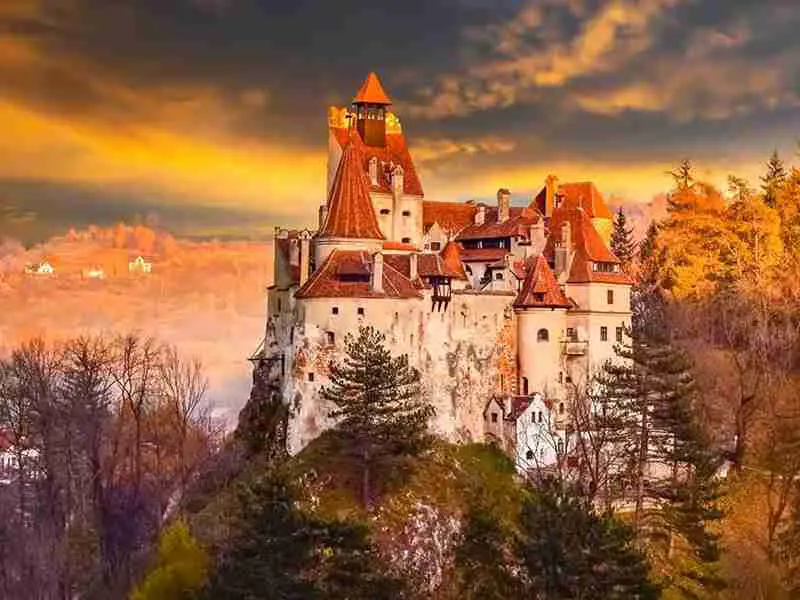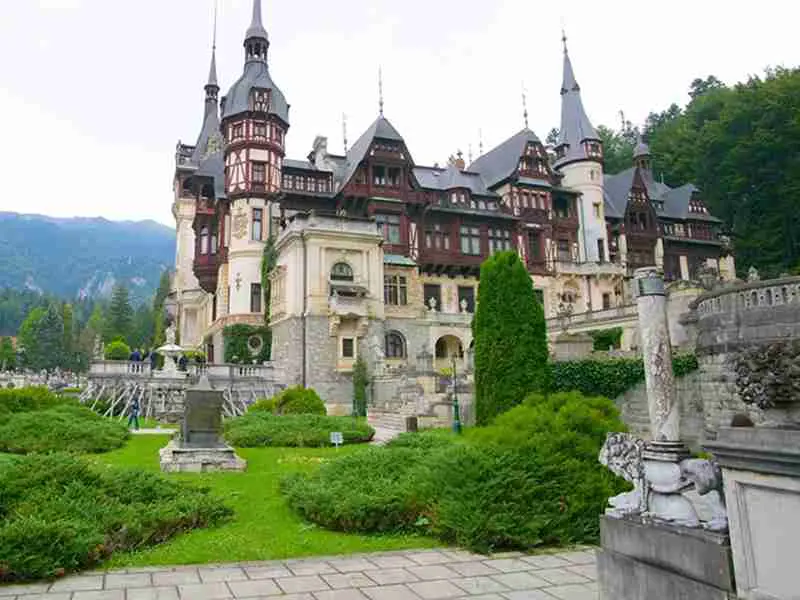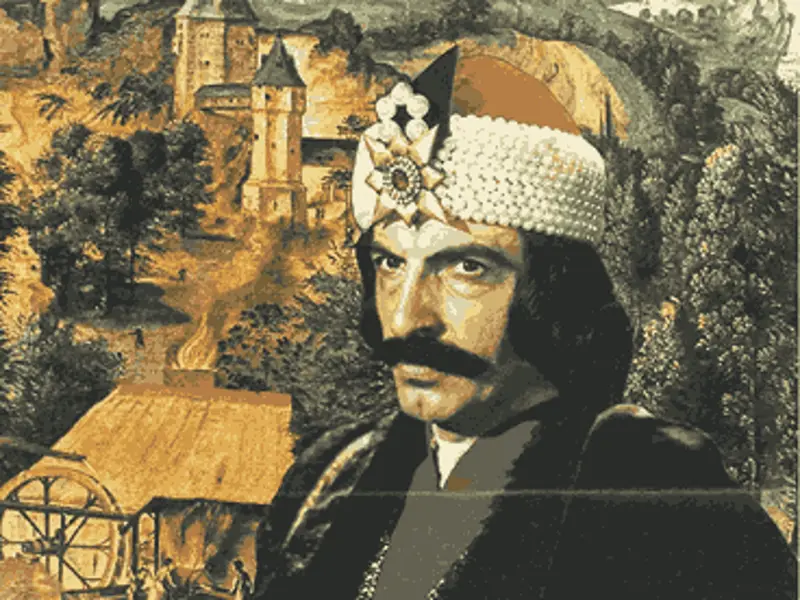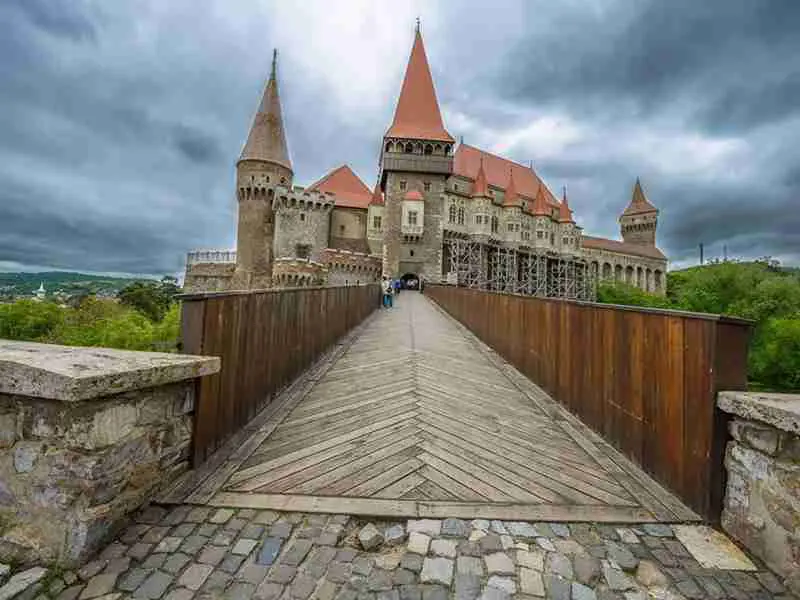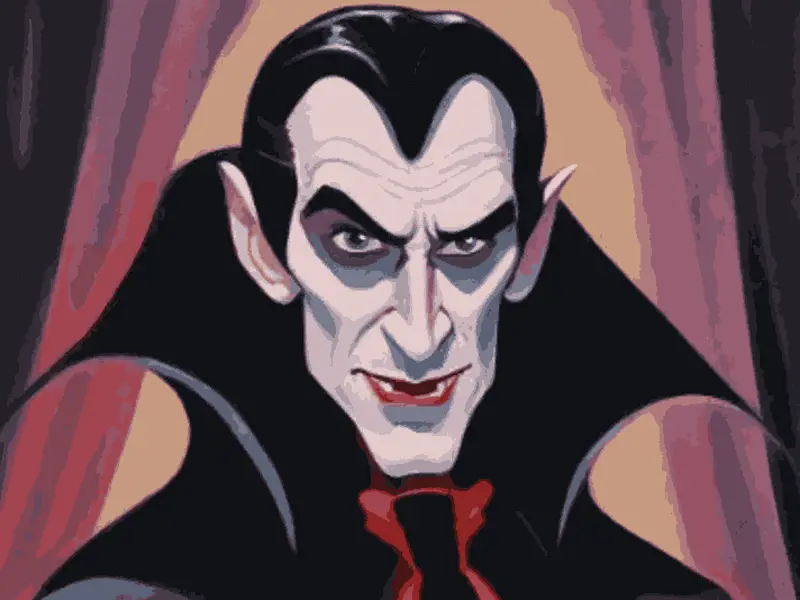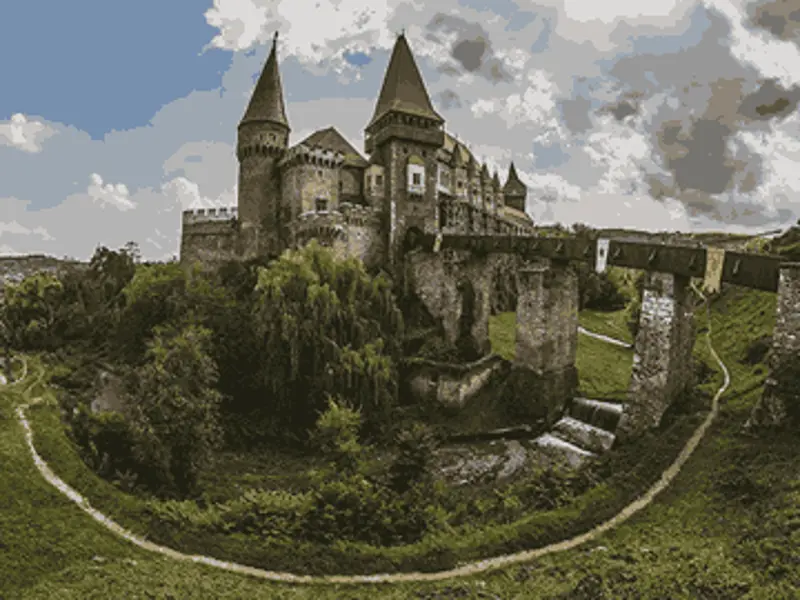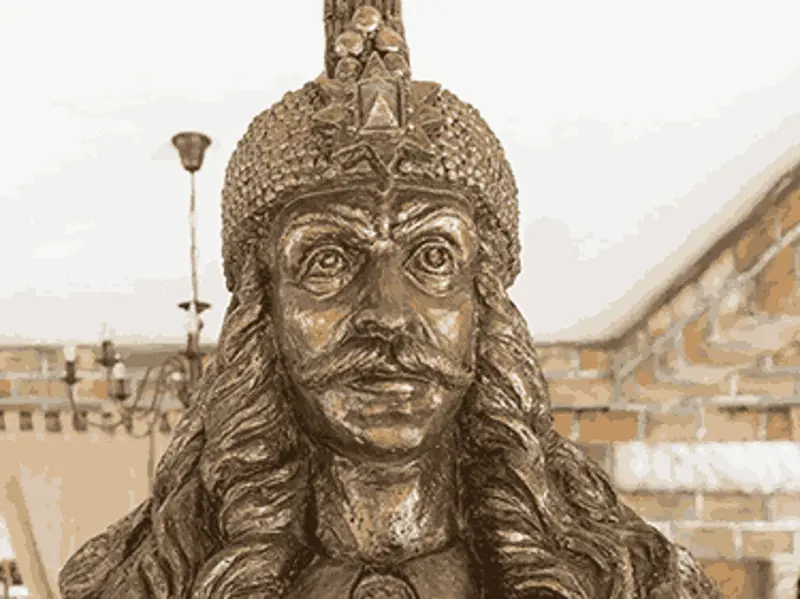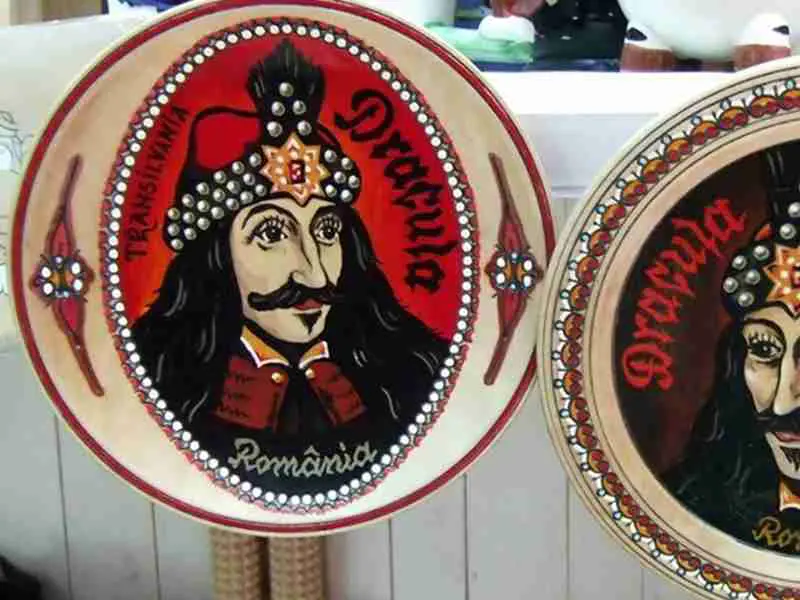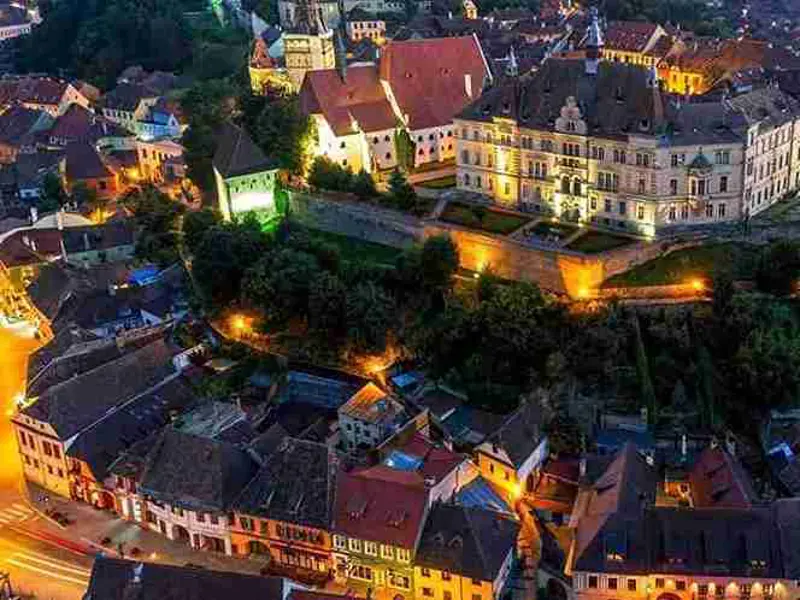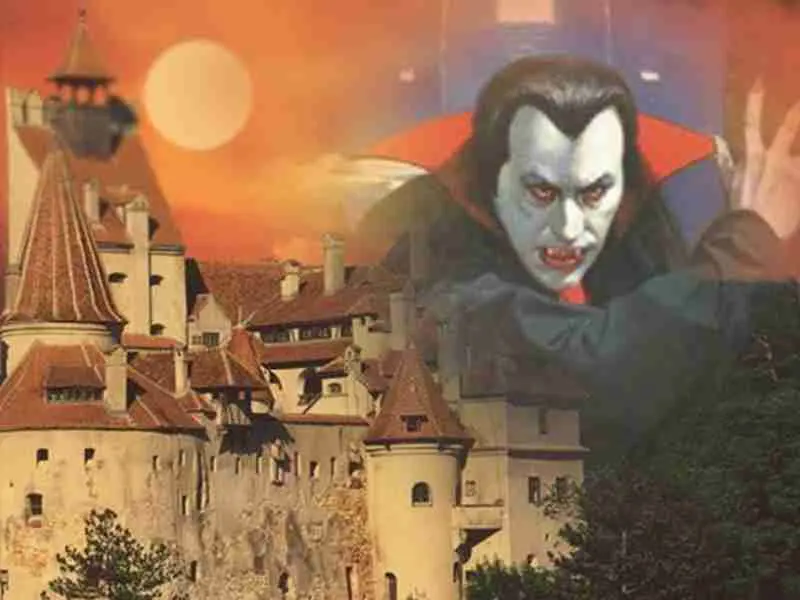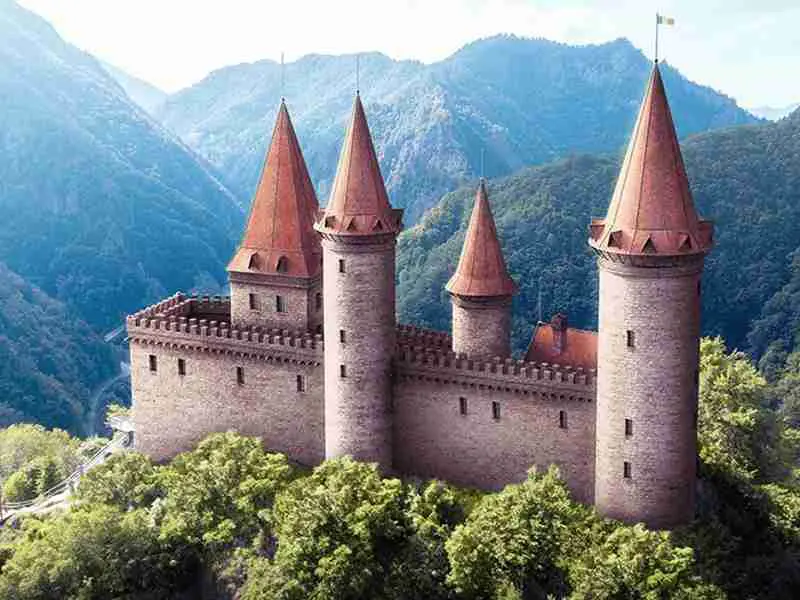
Night has always played an essential role in Transylvanian myths, and many of the folk traditions were later associated with the legend of Dracula. Full moons, strong winds, the silence of the forests and the shadows of the hills inspired old stories, passed down from generation to generation. In the rural environment, people attributed various manifestations of nature to unseen forces and developed rituals for protection. Over time, these beliefs influenced the image of the vampire, shaping the Gothic atmosphere specific to the area.
What customs were associated with the full moon?
- Avoiding forests on bright nights
- Protecting the household with Christian symbols
- Locking animals in shelters before sunset
- Using candlelight at windows
What role did spirits play in Transylvanian traditions?
- Spirits were believed to pass between worlds on certain nights
- There were rituals to appease the undead
- Ancestor commemoration customs are still practiced
- Religious symbols were considered protective
How did Dracula become connected to nocturnal customs?
- The atmosphere of Transylvania inspired Gothic literature
- Medieval accounts of night battles were reinterpreted
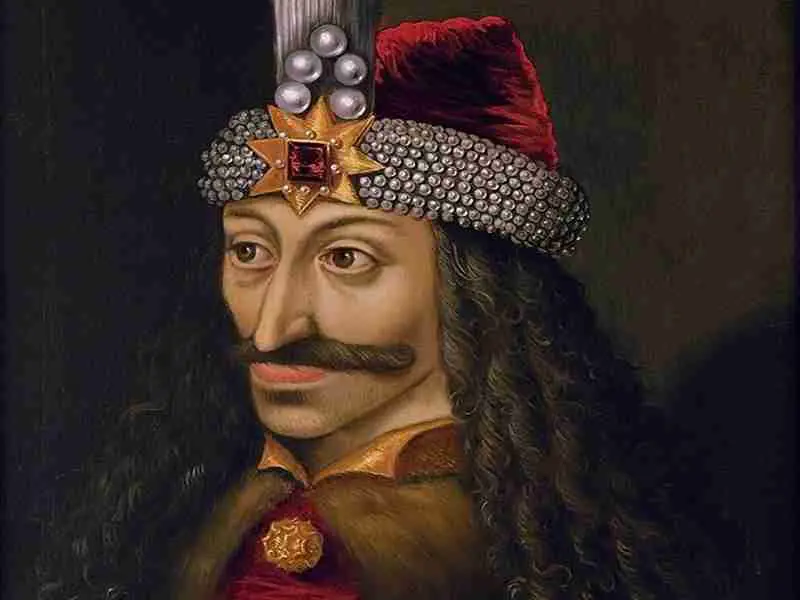
- The person of Vlad the Impaler was associated with symbols of strength
- The vampire myth evolved through the combination of folklore and fiction
Conclusion
Transylvanian traditions related to the night and spirits are the basis of many modern legends. They outline a mysterious universe, which gave rise to the Gothic image of Dracula. Far from being just stories, these customs reflect the way ancient communities understood the world and protected their daily lives.