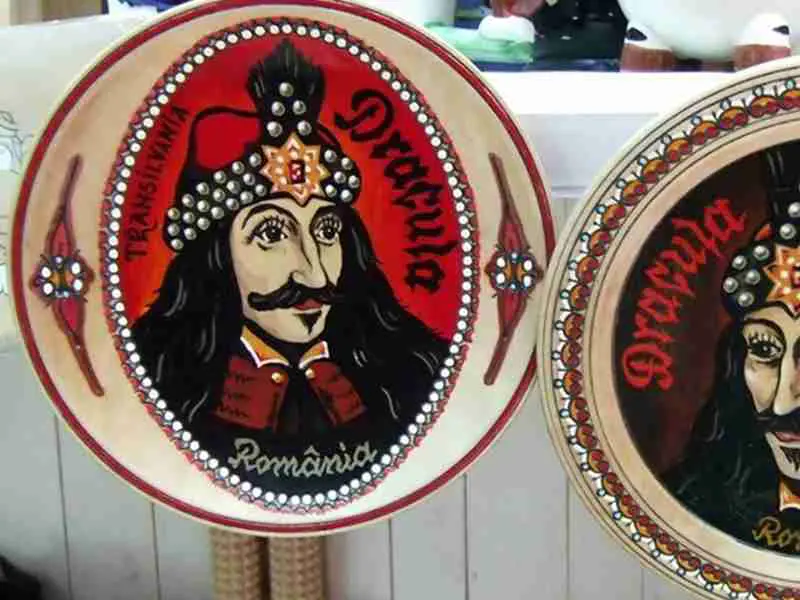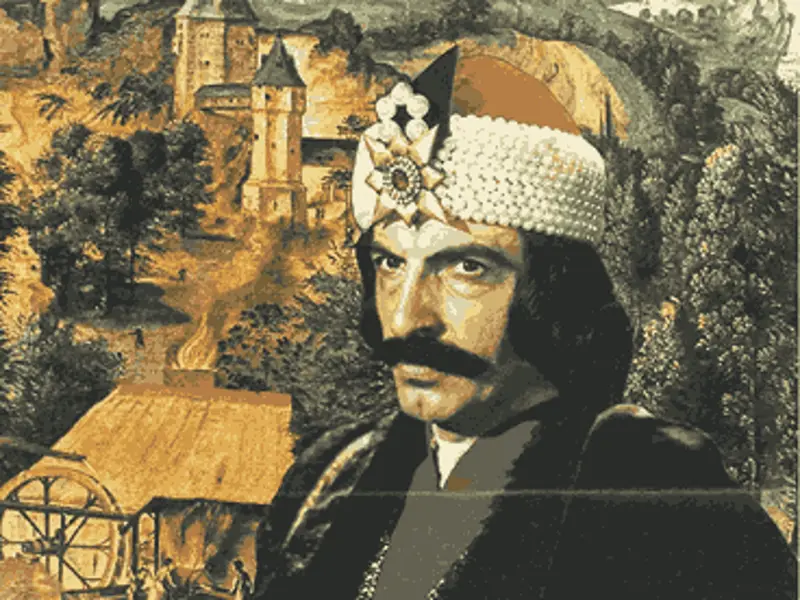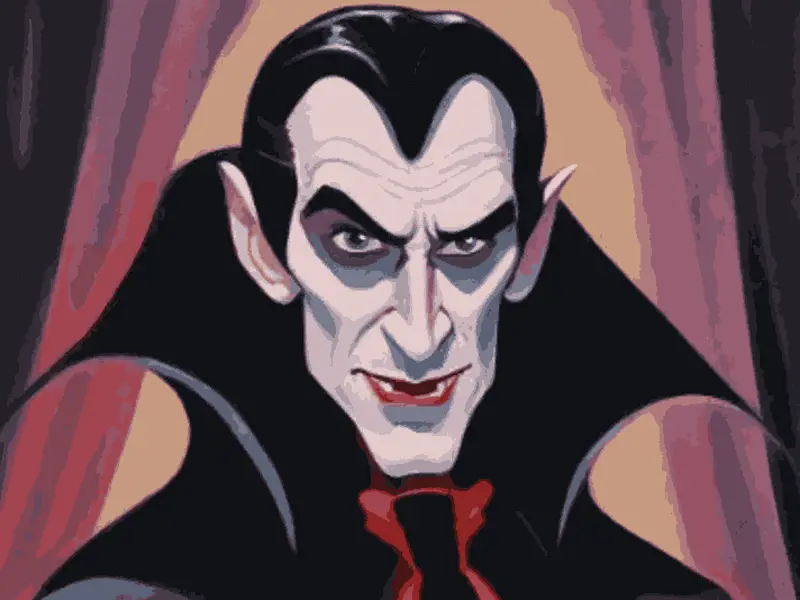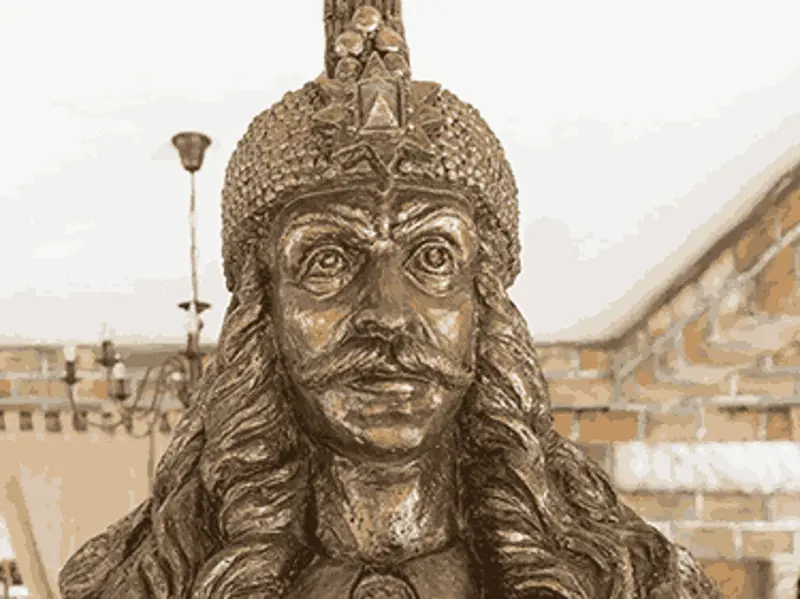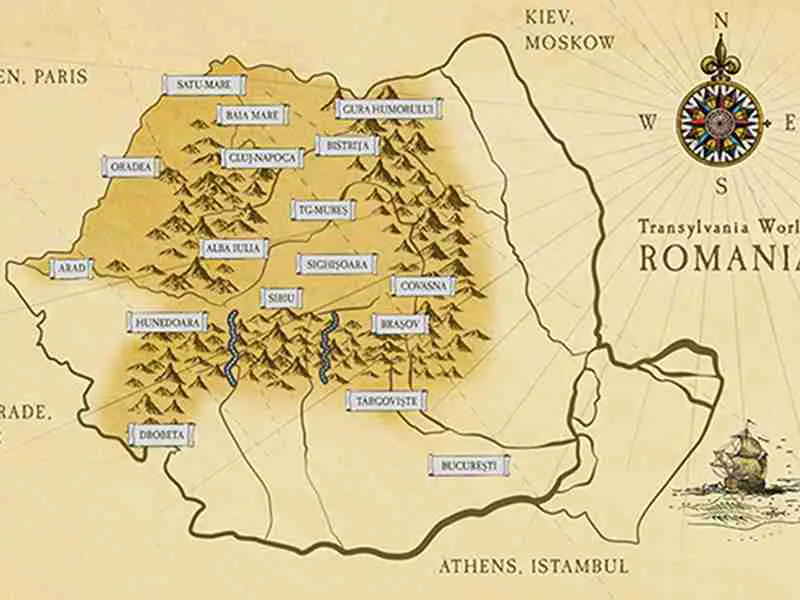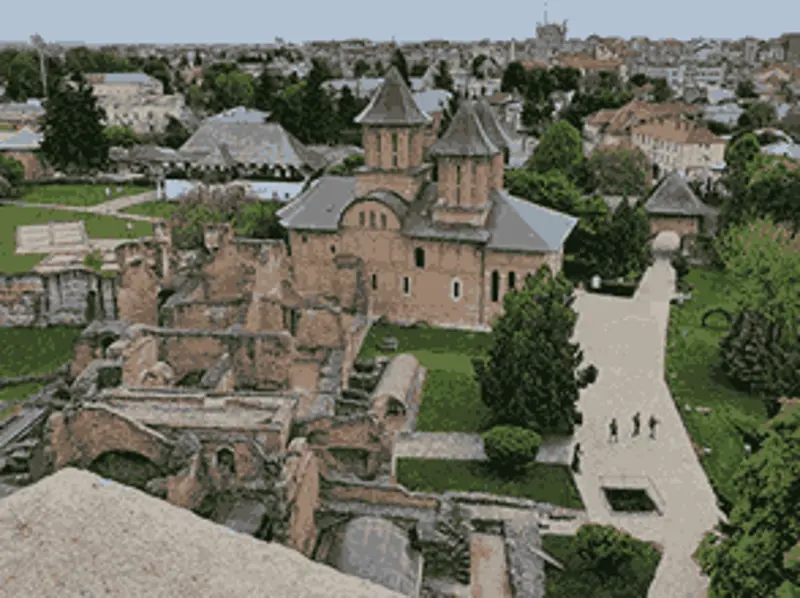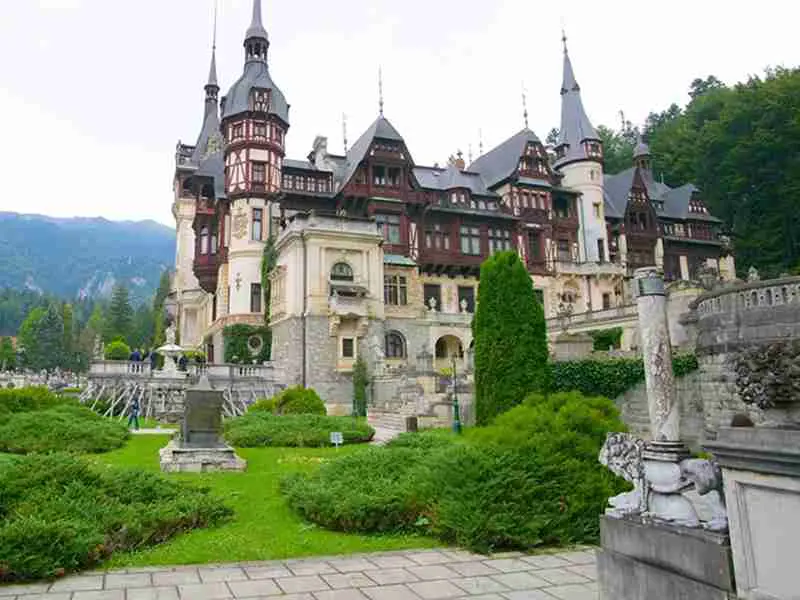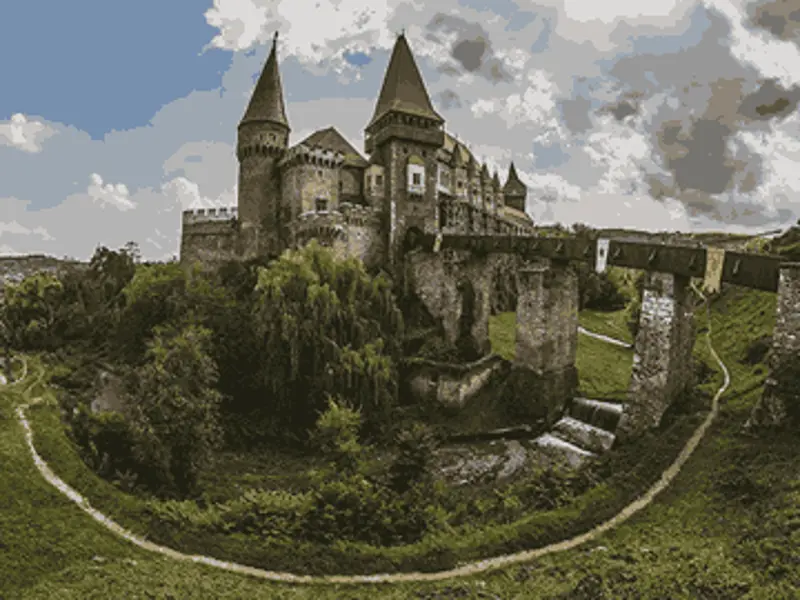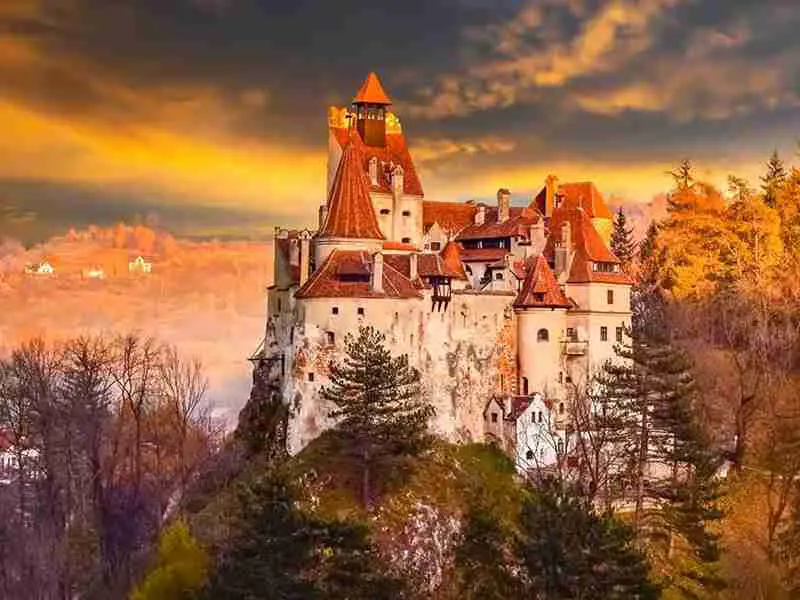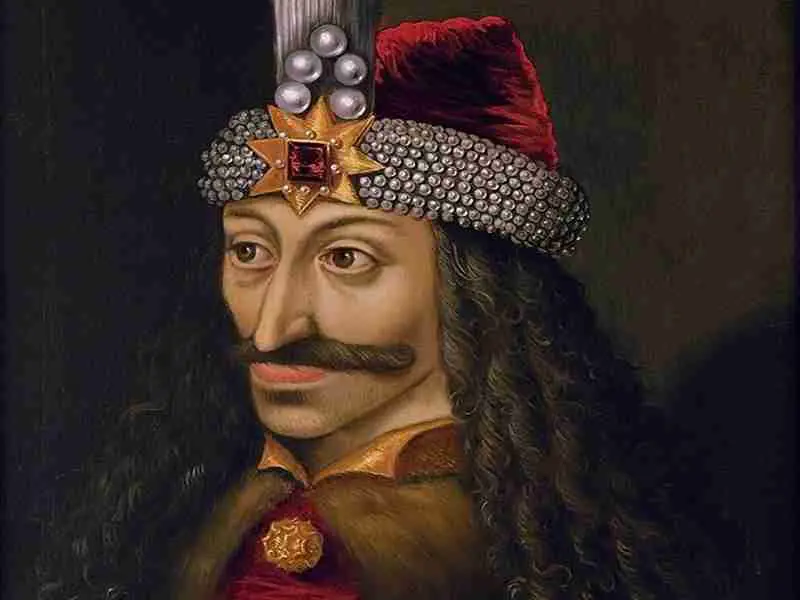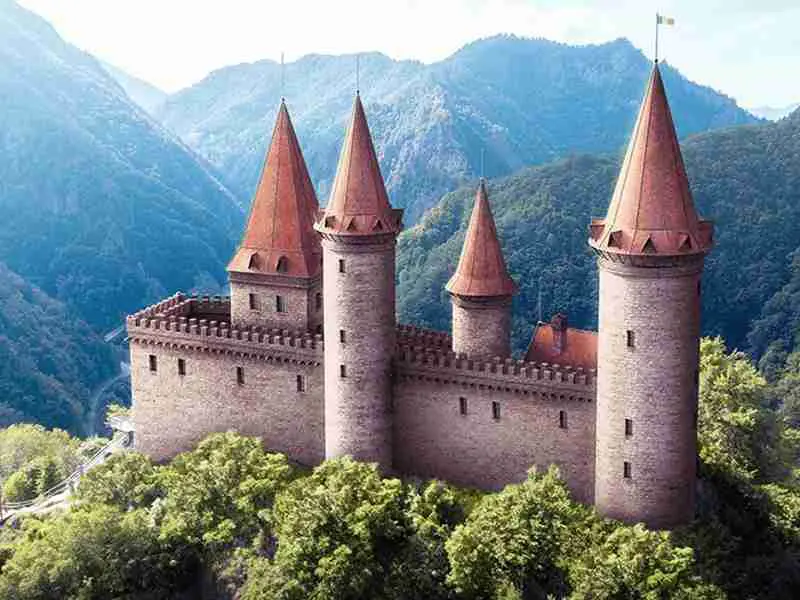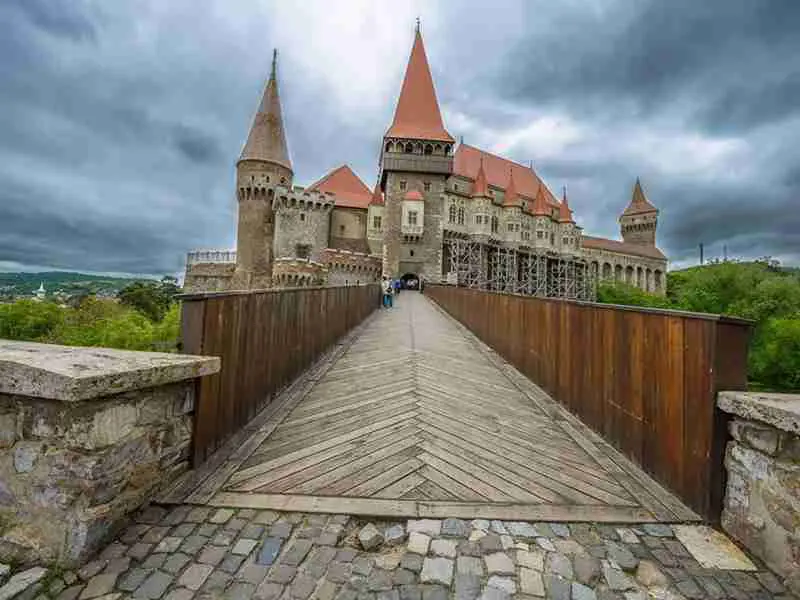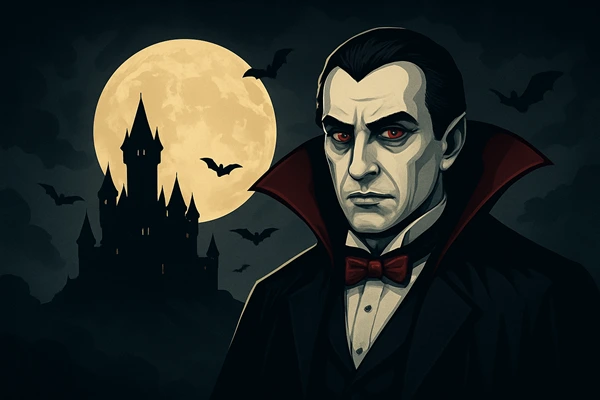
The real history of "Dracula" is much more complex than the literary legend or the cinematic interpretations. His origins are deeply intertwined with the figure of Vlad Țepeș, ruler of Wallachia in the 15th century, known for his harsh military strategies and anti-Ottoman policy. The historical context of the era, marked by wars, invasions and struggles for the throne, contributed decisively to shaping his image. Over the centuries, real facts have combined with popular stories, resulting in a character who oscillates between national hero, tyrant and universal symbol of mystery. This fascinating mixture was the basis of the modern Dracula myth.
What is the origin of the name Dracula?
- The name comes from the Order of the Dragon, to which Vlad Țepeș's father belonged
- "Dracul" meant "dragon", and "Drăculea" came to be associated with his son
- The transformation into a "demonic" meaning occurred later, through popular interpretations
What historical elements shaped the image of Vlad Țepeș?
- Continuous struggles against the Ottoman Empire
- Harsh reforms to stabilize the country
- Extreme punitive methods, including impalement
- Sometimes exaggerated accounts by foreign chroniclers
- Internal conflicts with noble boyars
Who were the main sources that influenced the myth?
- Saxon chroniclers, who described him brutally
- Romanian oral traditions, which presented him as a vigilante
- Foreign travelers who documented his deeds
- Foreign propaganda of the era
- Renaissance literature and European folklore
What facts are often confused with the Dracula legend?
- Association with vampirism, which only appeared in the 19th century
- Its role in macabre stories transmitted by the Saxons
- The confusion between cruelty and mystical rituals
- Exaggerations in pamphlets printed in medieval Germany
- Correlation with supernatural creatures that do not exist in Romanian sources
Why does the story of Dracula continue to fascinate?
- The unique blend of political reality and myth
- The ambivalence of the character: hero and tyrant at the same time
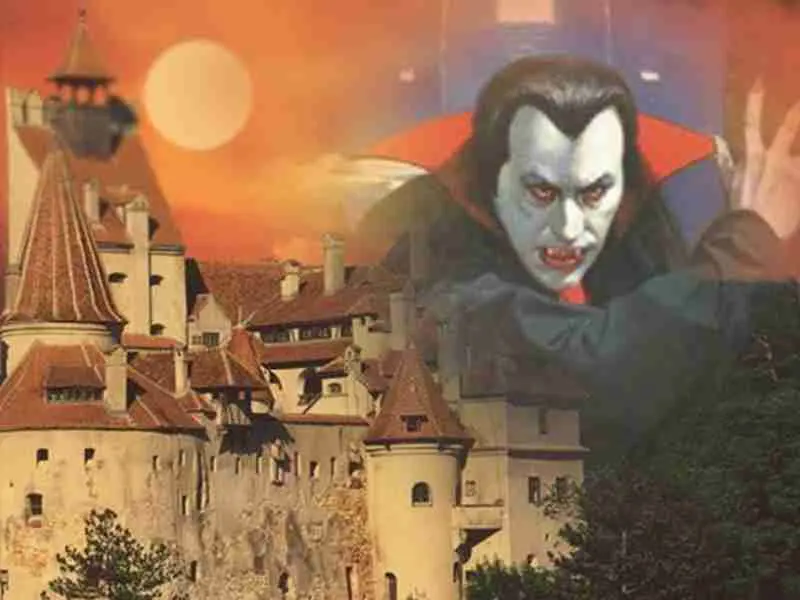
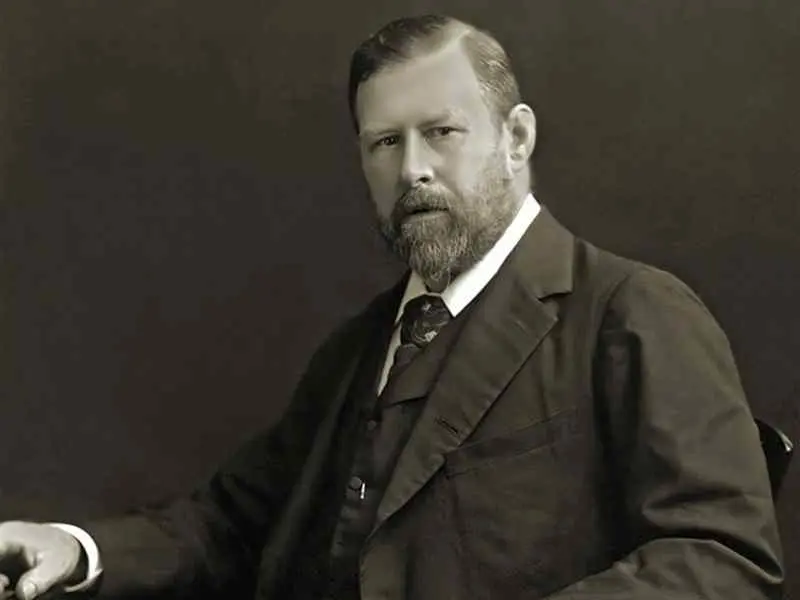
- The enormous impact of Bram Stoker's novel
- The influence of cinema on the modern image
- The interest in the medieval past of Eastern Europe
Conclusion
Dracula, as we know him today, was born from the meeting of real history and the collective imagination. Vlad Țepeș was a remarkable ruler, and his actions provided fertile ground for rumors, stories and interpretations. Although film and literature have amplified the fantastic elements, the roots of the character are found in a tumultuous era, when power, loyalty and survival dictated the fate of an entire people. This combination makes Dracula one of the most fascinating characters in universal history.