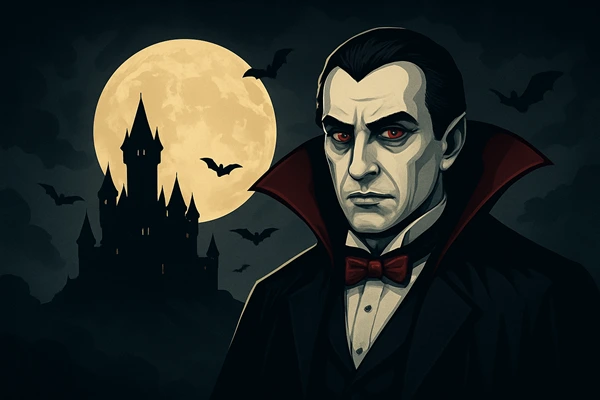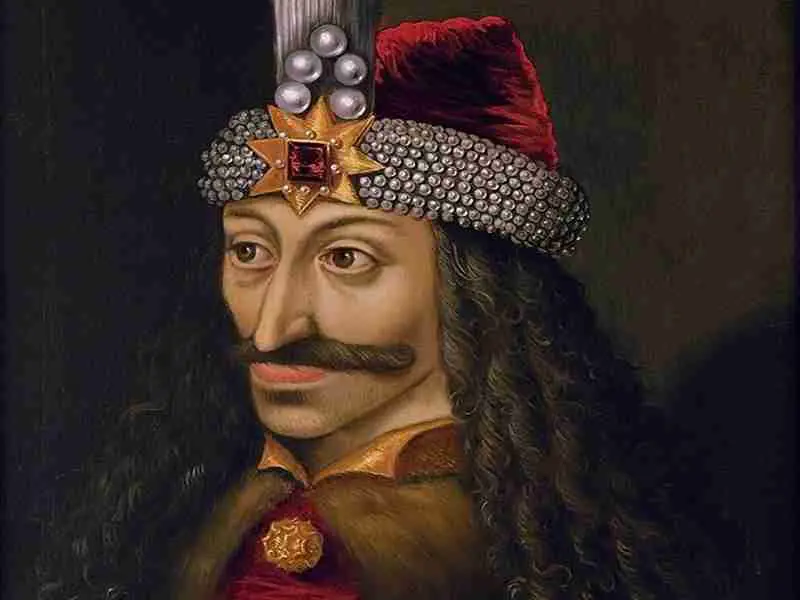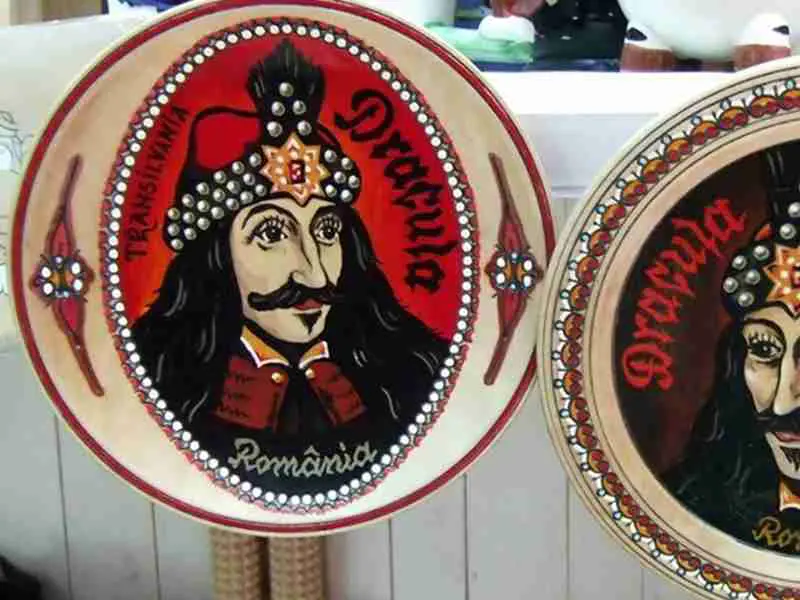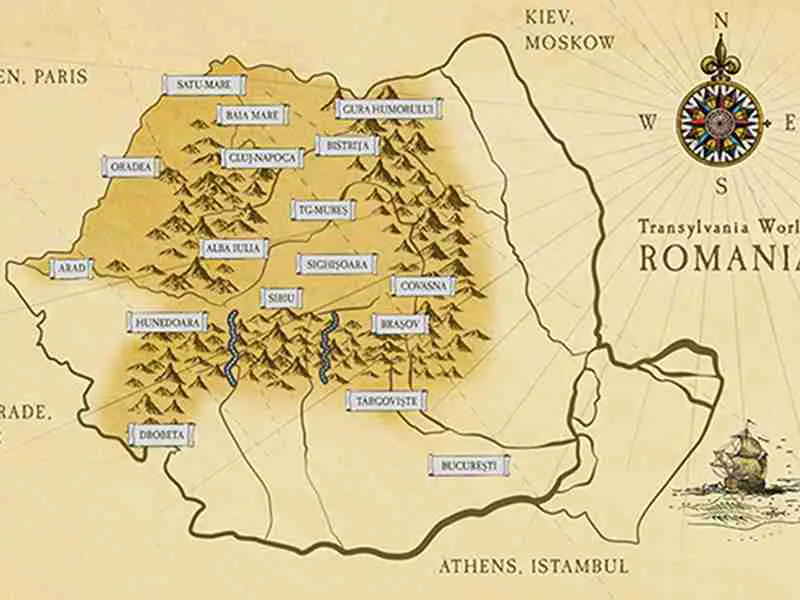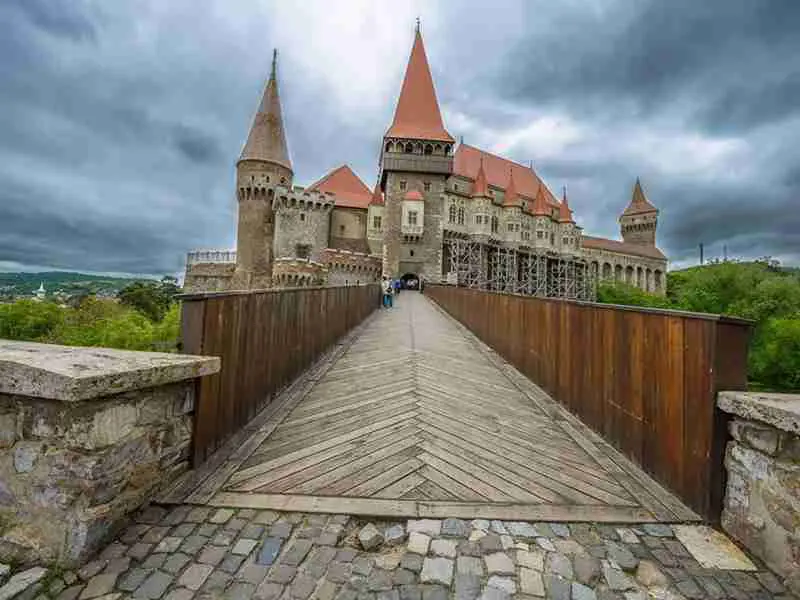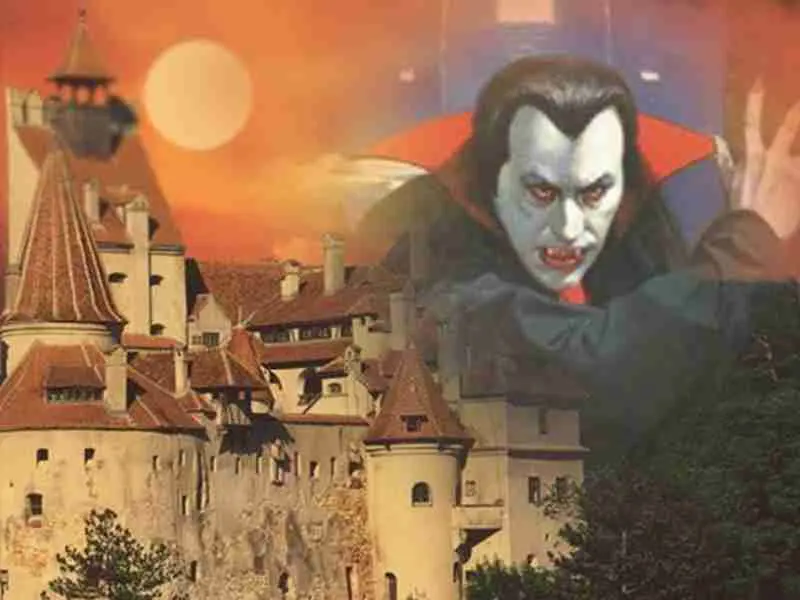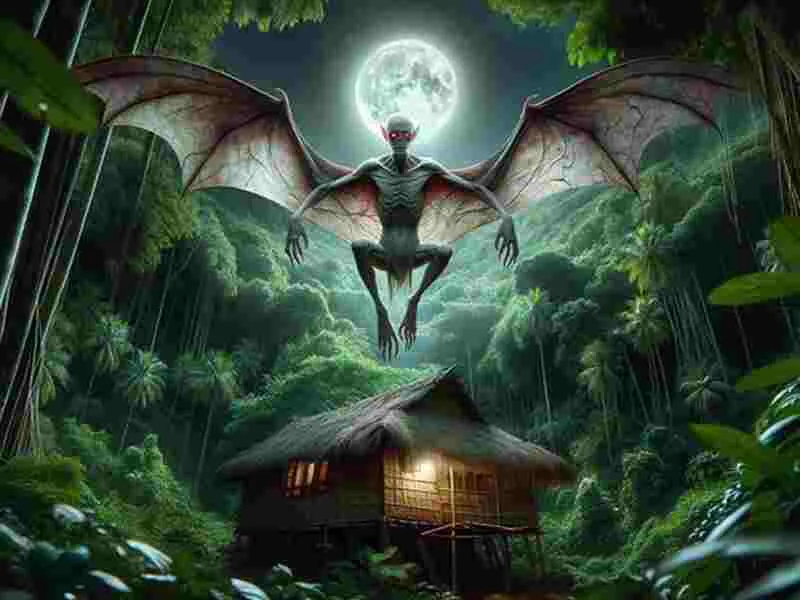
Although Dracula and the Strigoi(a creature from Romanian folklore similar to a vampire) dominate the Western landscape, the myth of the creature that feeds on blood or vital energy is universal. This extensive comparative study explores vampiric figures from Southeast Asia, the Far East, and Latin America, demonstrating that the fear of the dead returning is a cultural constant.
Asian Vampires: Transformation and Seduction
Asian folklore features some of the most graphic and unusual vampiric creatures, often linked to witchcraft and the concept of the double.
1. Penanggalan (Malaysia, Indonesia)
- Description: A demonic woman, during the day taking on a human form, and at night, her head detaches from her body, flying away accompanied by her entrails.
- Food: It feeds mainly on the blood of women giving birth and babies.
- Defense Method: Pineapple leaves (which mess up the intestines) and thorns (to tear open his stomach).
2. Jiangshi (China)
- Description: Known as the "jumping vampire" or "Chinese zombie." It is a reanimated, rigid corpse that moves by jumping and feeds on *Chi* (life force).
- Defense Method: A paper with an incantation (seal) stuck on the forehead or mirrors.
American and Latin American Myths: From Ancient to Modern
Latin America and Native American peoples have their own creatures that feed on blood or souls.
1. Chupacabra (Latin America)
- Description: Although a modern legend (emerging in Puerto Rico in the 1990s), *Chupacabra* (literally "goat-sucking") feeds on the blood of domestic animals.
- Contrasts: Unlike classic vampires, it is a rather animalistic and alien creature, reflecting the anxieties of the 20th century.
2. Soucouyant (Caraibe)
- Description: A witch who sheds her human skin at night and flies in the form of a ball of fire, to suck the blood of victims.
- Defense Method: Coarse salt was sprinkled where she left her skin, preventing her from returning to human form.
Conclusion: Consumer Fear
Comparative mythology shows that, regardless of geography, the fear of the being who "consumes" the lives of others is omnipresent. Whether it is blood, life force (Chi), or the energy of loved ones, these myths serve as cultural explanations for unexplained illnesses, sudden death, or collective failures.