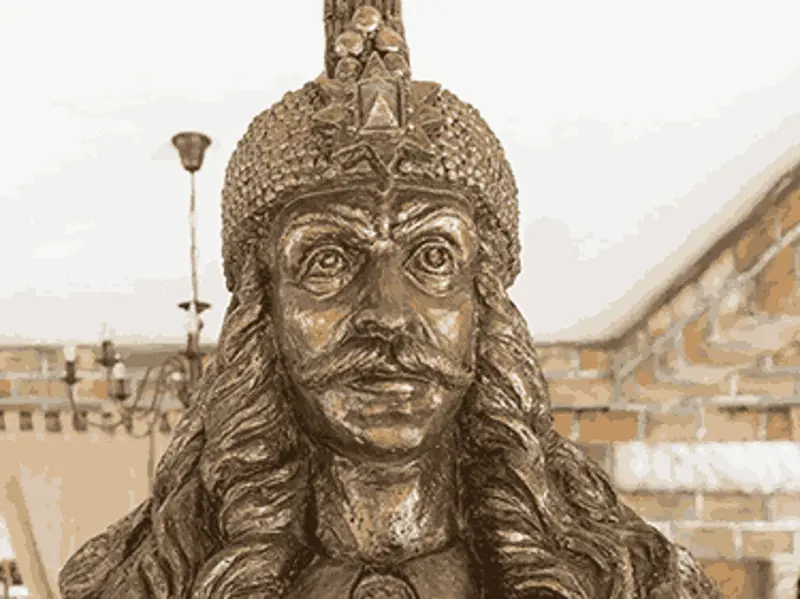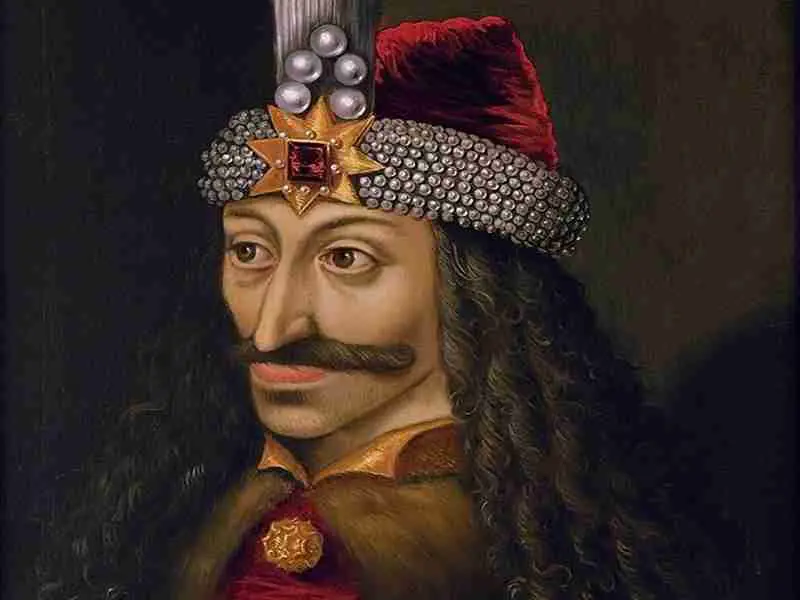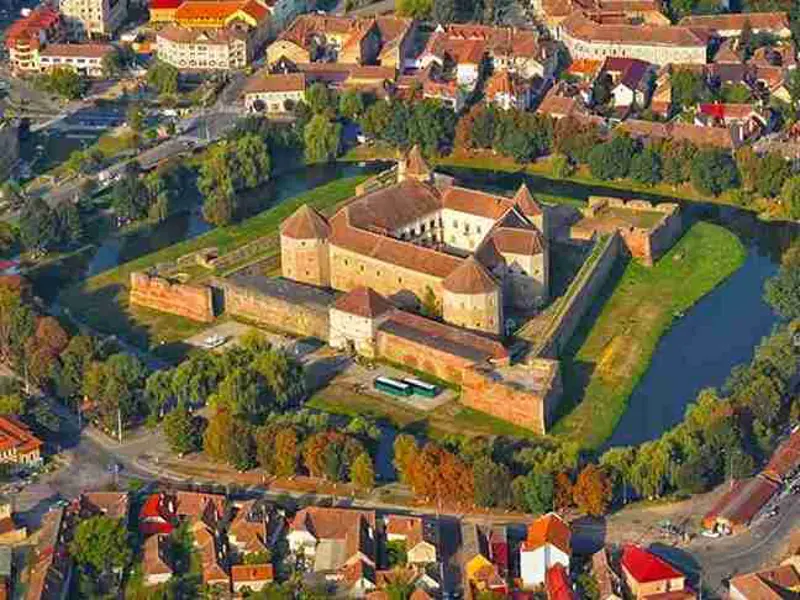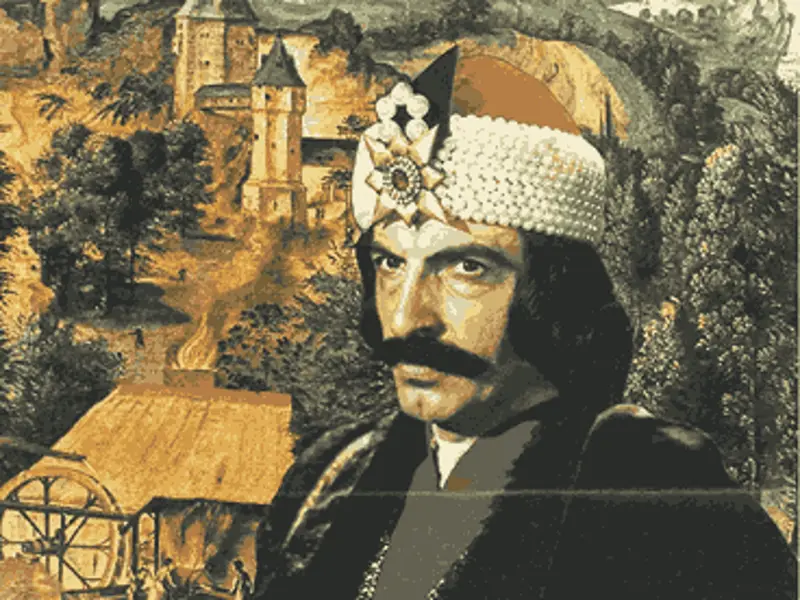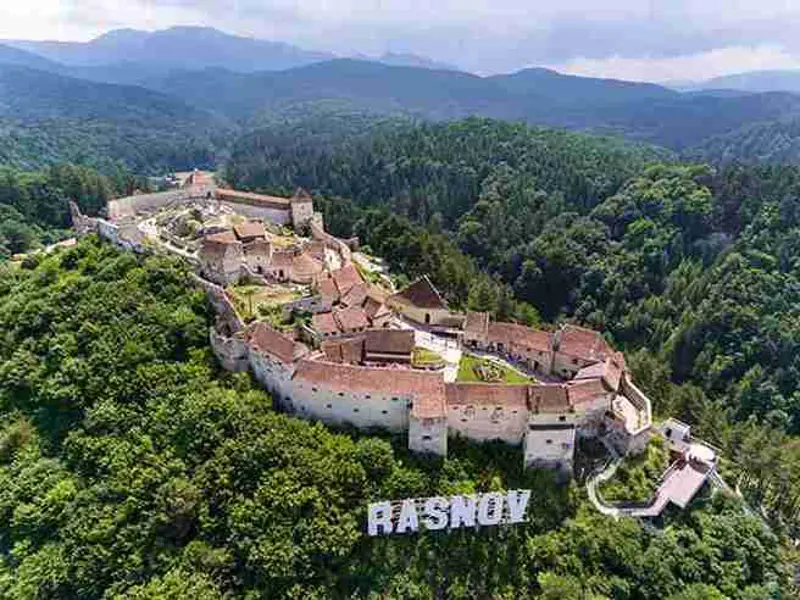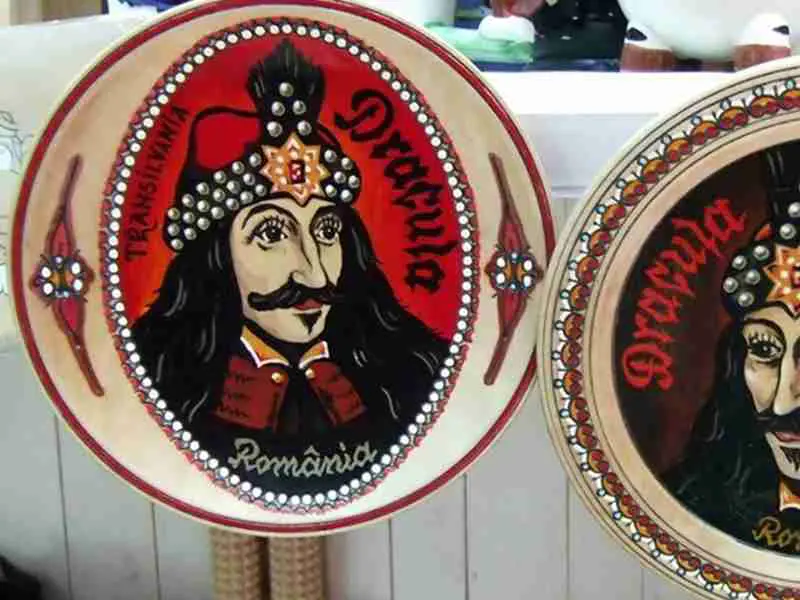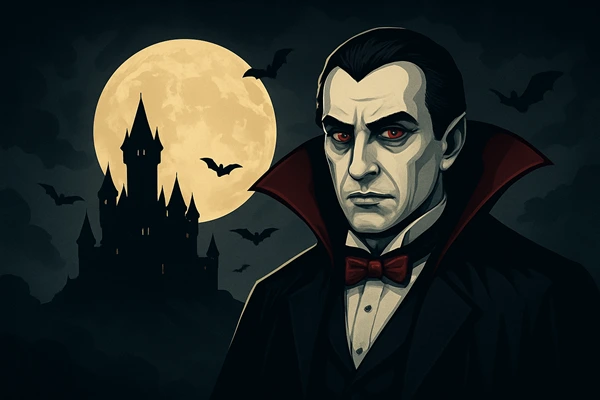
The image of Vlad Țepeș was shaped not only by his real deeds, but also by the way in which the chroniclers of the time chose to present them. In the 15th century, political disputes, power struggles and tensions between Romanians and Saxon colonies generated numerous accusatory texts. Many of these presented the ruler in an extremely negative light, describing him as a cruel, sometimes even monstrous ruler. However, Romanian sources and some foreign accounts show him as a righteous leader, concerned with the stability of the country and the fight against corruption. This dual perspective is the basis of the Dracula myth, which was built over time from a mixture of historical reality and propagandistic exaggerations.
Why were negative chronicles written about Vlad Țepeș?
- Economic conflicts between the ruler and the Saxon merchants
- Political interests of the Transylvanian cities
- The need of his opponents to undermine his authority
- The widespread distribution of printed pamphlets in Germany
- Oral transmission of sensational stories
What historical sources give a different picture of him?
- Romanian chronicles, which present him as a justiciary
- Reports of favorable foreign ambassadors
- Internal documents of the princely court
- Diplomatic letters addressed to neighboring lords
- Folk traditions preserved in villages
What historical details were the basis for the exaggerations?
- The highly publicized impalement
- The swift reprisals against traitorous boyars
- The military campaigns against the Ottomans
- The harsh methods of maintaining order
- The lack of a strong Western diplomatic image
What impact did these texts have on the Dracula myth?
- They created a profile of the ruler associated with violence
- They served as an inspiration for modern writers
- They fueled public interest in the figure of Vlad the Impaler
- They influenced Gothic literature and horror stories
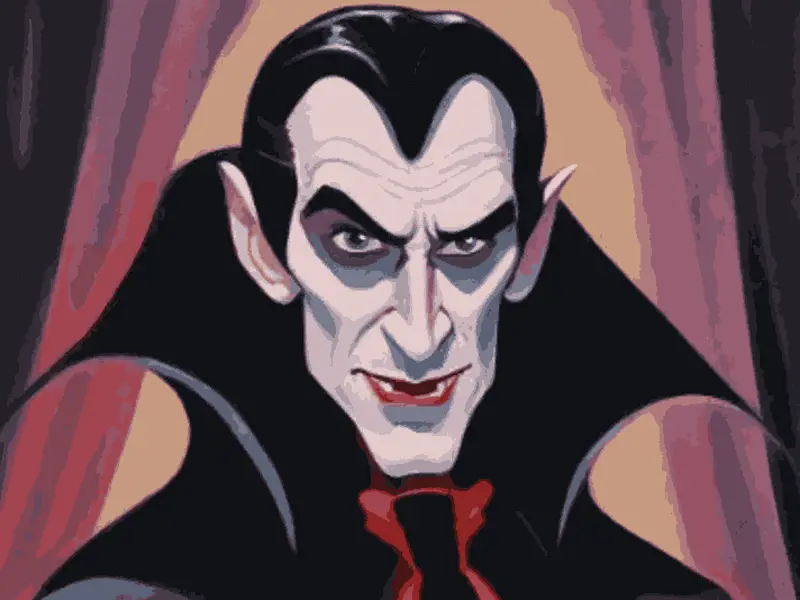
- They paved the way for Bram Stoker's novel
Why is it important to look at these chronicles critically?
- The political context of the time strongly influenced the accounts
- Many texts were propaganda tools
- Modern interpretations can correct exaggerations
- Historical truth becomes more visible through comparison
- Myth can only be understood by filtering the sources
Conclusion
Medieval chronicles played a decisive role in shaping the image of Vlad Țepeș, oscillating between demonization and glorification. They represent one of the most important components in the genesis of the Dracula myth, but they must be interpreted with caution, taking into account the political and economic interests of the era. Only through critical analysis of these sources can we separate real facts from historical fiction and understand why the figure of Vlad Dracula continues to fascinate audiences around the world.