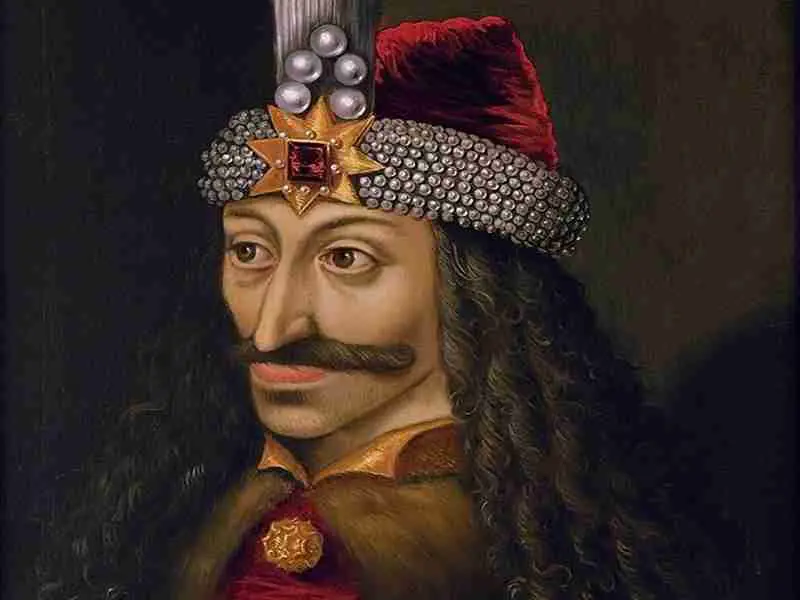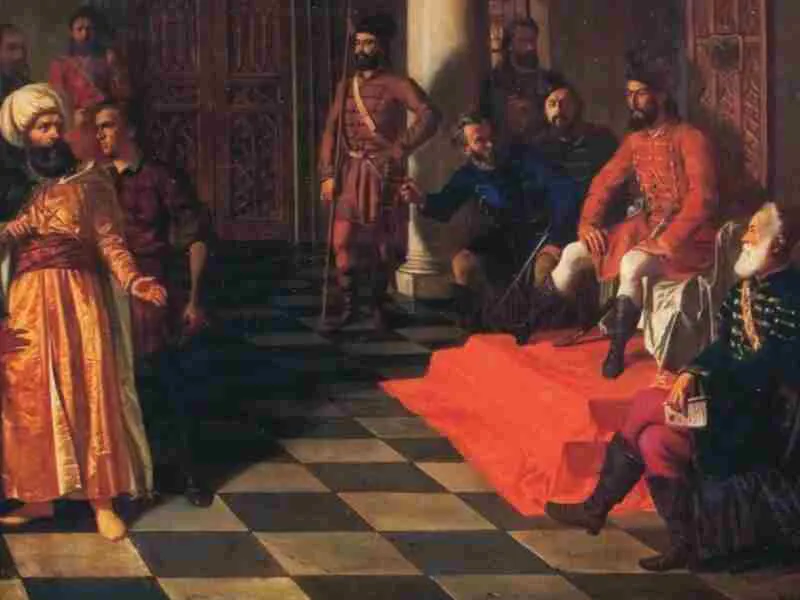
The Dracula myth was not born only from folklore, but also from documents. The primary sources about the reign of Vlad Tepes, written in the 15th century, offer contradictory images: from a bloody tyrant (in German pamphlets) to a harsh but just defender (in Slavonic chronicles). This article critically analyzes the most important historical sources that formed the basis for the construction of the legend.
The Importance of Analyzing Primary Sources
For any serious historical study, it is essential to distinguish between primary sources (written by contemporaries or eyewitnesses) and secondary sources. In the case of Vlad the Impaler, primary sources are not neutral, being strongly influenced by the political context and interests of the parties involved – Transylvania, Hungary, and the Ottoman Empire.
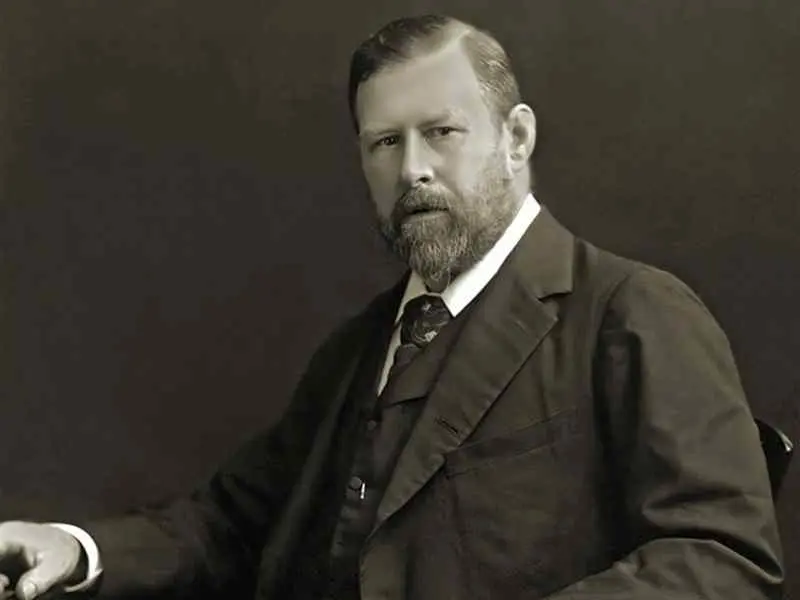
Analysis of the sources helps separate historical fact from political propaganda, revealing how the image of the ruler was shaped before Bram Stoker wrote the novel.*Dracula*.
- Definition: Primary sources include official documents, letters, and chronicles.
- Challenge: Primary sources about Vlad the Impaler are often contradictory.
- Objective: Identifying political motivations and narrative influences.
German Pamphlets: The Creation of the Monster
The chronicles printed in the German environment (starting in the 1460s), although historical documents, are considered today the most virulent form of negative propaganda against Vlad Țepeș.
The Content and Circulation of Pamphlets
- Purpose: The denigration of Țepeș in front of the Western powers, especially after the conflict with the Saxon merchants in Transylvania.
- Narration: The focus is exclusively on cruelty, sadism, and unimaginable acts of torture (impalement, banquets surrounded by corpses), without political context.
- Dissemination: These pamphlets, printed en masse, created "Dracula's" European reputation as a tyrant, directly influencing Bram Stoker's perception.
- Example: The famous story of the golden cup left at the well (in other sources, not in the German ones).
Slavonic (Russian) Chronicle: The Image of the Righteous Ruler
In stark contrast to the German narrative, the chronicles written in the Slavonic space (also known as the *Story of Prince Dracula*) offer a much more nuanced perspective.
Slavonic Themes and Context
- Purpose: The promotion of a strong ruler, capable of maintaining internal order and defending Christianity against the Ottomans.
- Narration: Although atrocities are mentioned, they are justified as acts of **severe justice** necessary to combat the corruption, theft, and treachery of the boyars.
- Impact: This version contributed to the portrayal of Țepeș as a model of centralized authority and patriotism, a narrative favorable to the Orthodox powers.
Other Historical Sources and Materials (Archaeology)
Primary source research extends beyond written documents to include material evidence:
Non-textual evidence
- Numismatics: Coins issued during the reign of Țepeș (evidence of sovereignty and monetary reform).
- Sigillography: The seals used in the documents of the Royal Court.
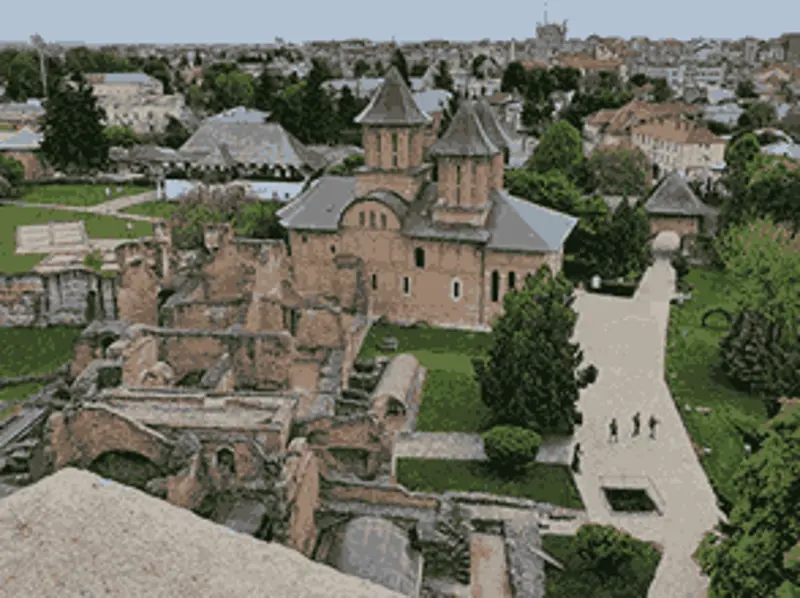
- Architecture: The remains of the Old Court (Bucharest) and the fortifications of Târgoviște, proving its investments in infrastructure.
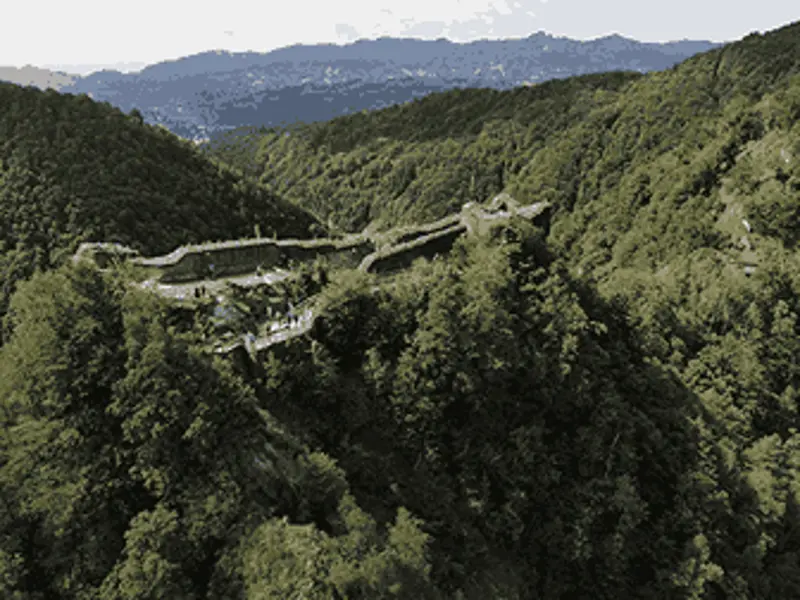
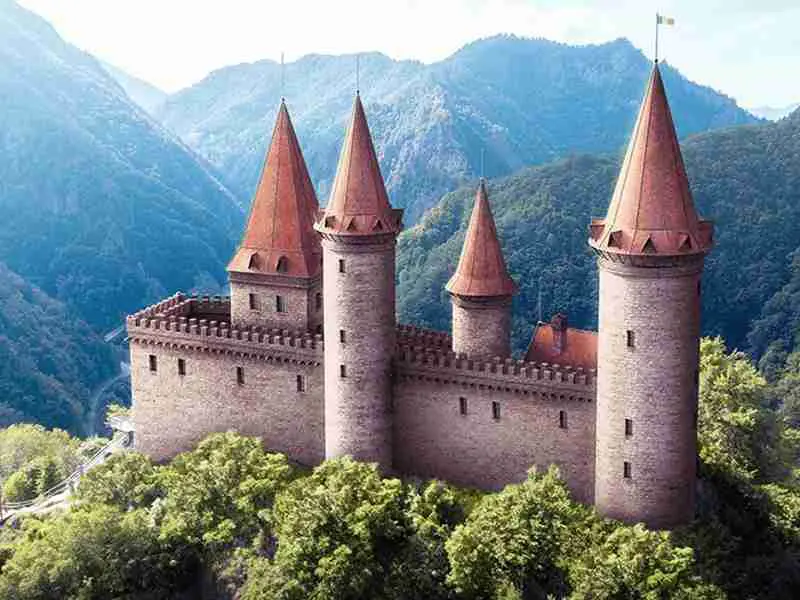
- Archaeology: Excavations around key sites (e.g. Poenari Castle), providing the strategic context of the reign.
Conclusion: The Duplicity of the Primary Source
Analysis of primary sources shows that Vlad the Impaler was a dual character *right from the start*. His image as a national hero defender (Slavonic) and as a diabolical monster (German) are not modern inventions, but the result of an intense propaganda struggle in the 15th century.
- The Dracula myth was built on the divergence of historical sources.
- Modern research focuses on harmonizing these conflicting accounts.
- German pamphlets were the literary basis for Bram Stoker, not Slavonic history.