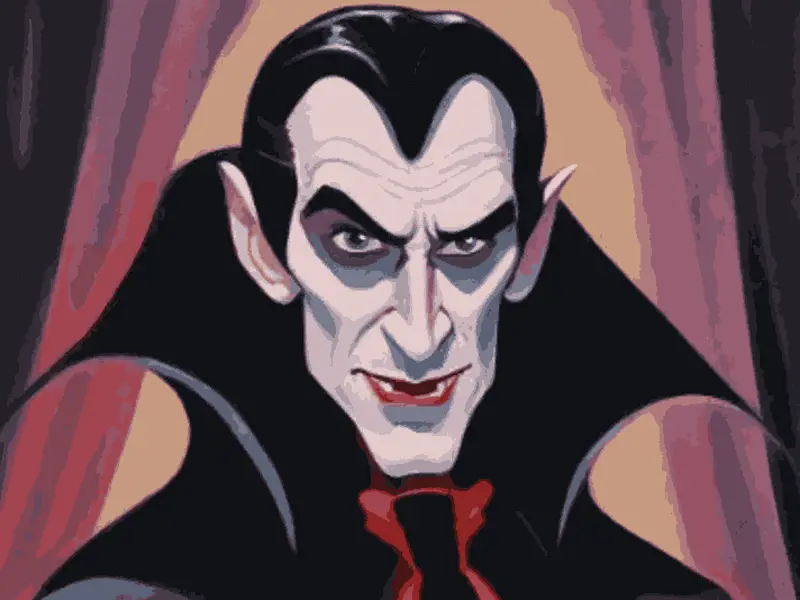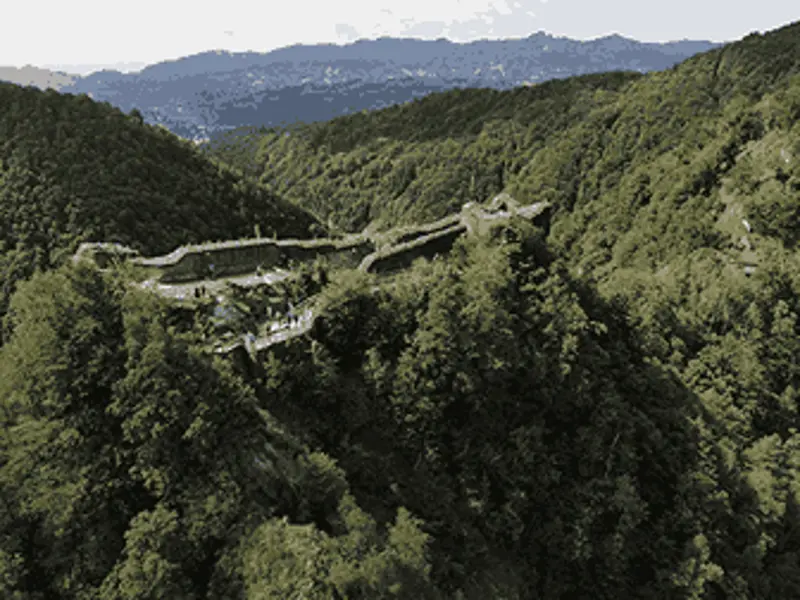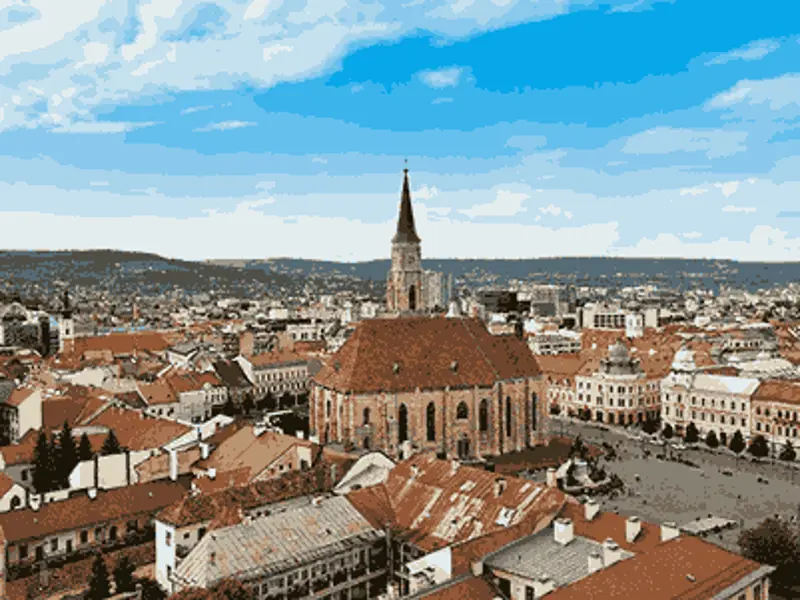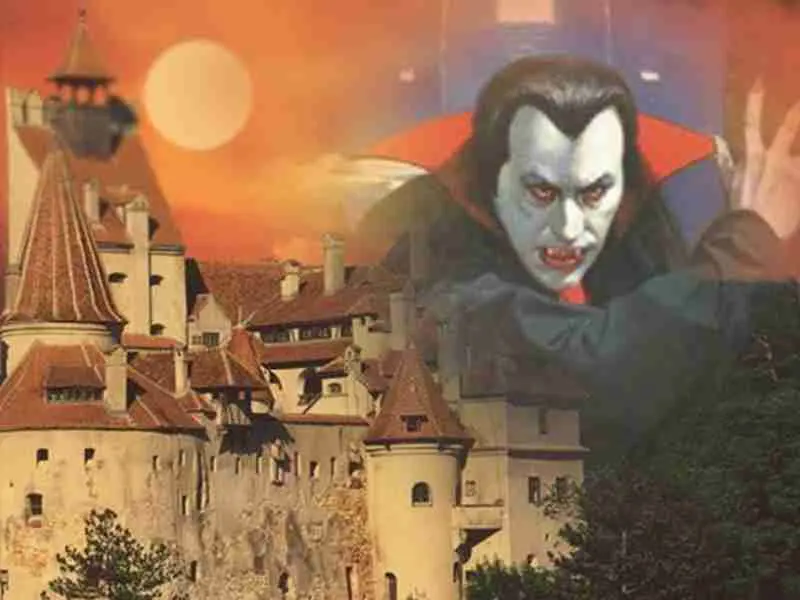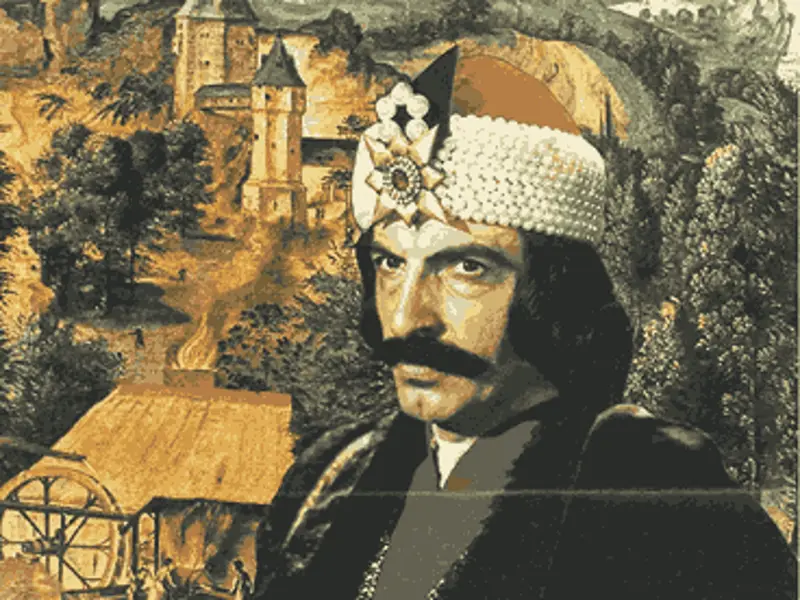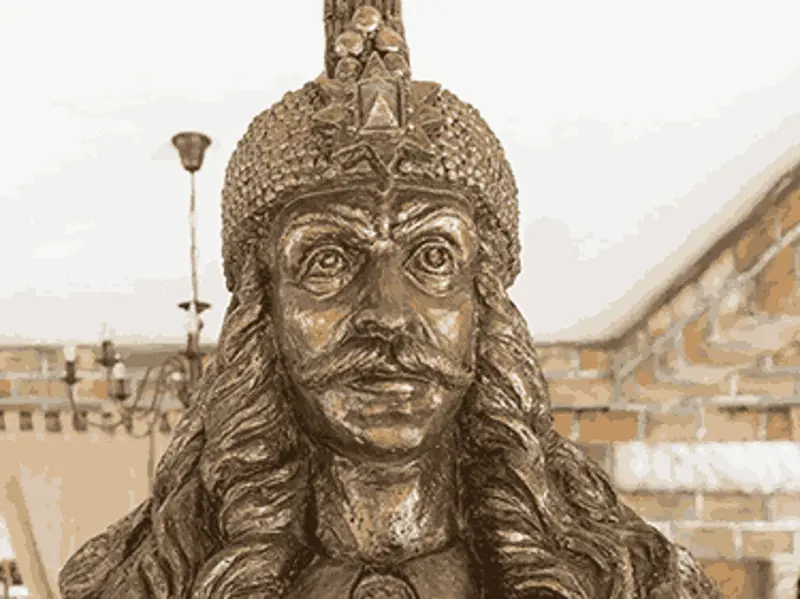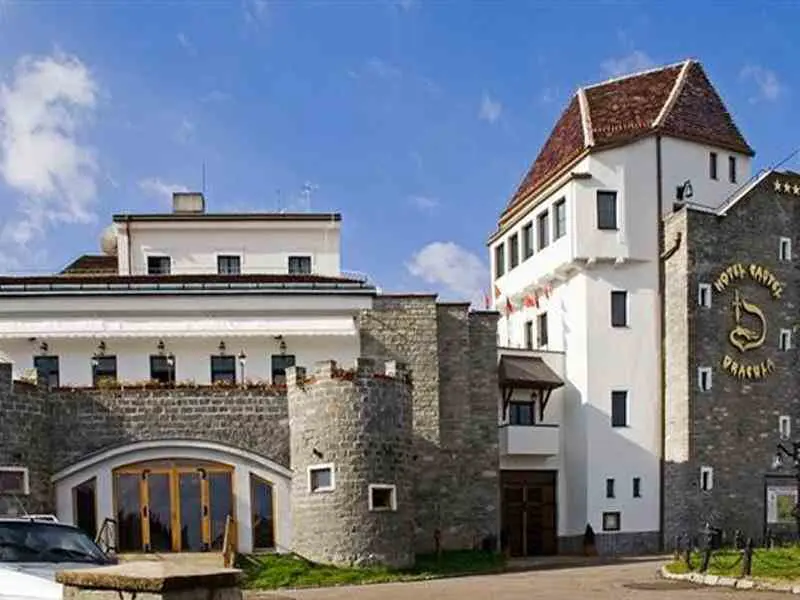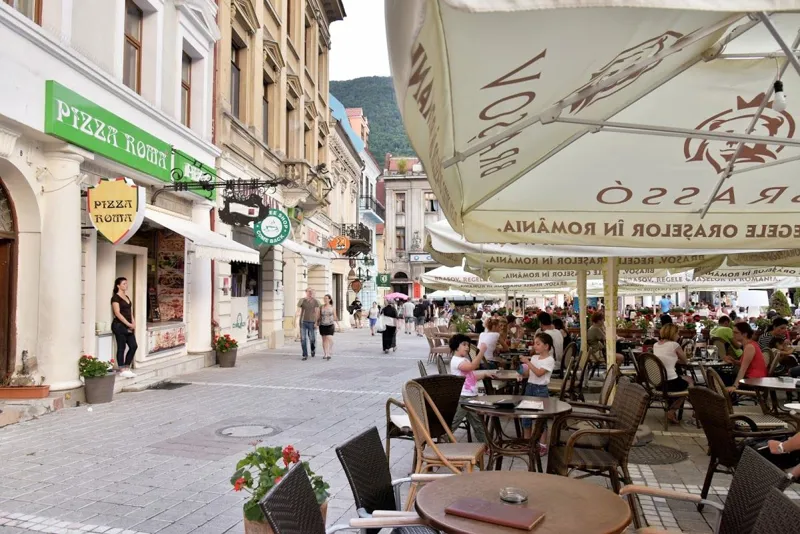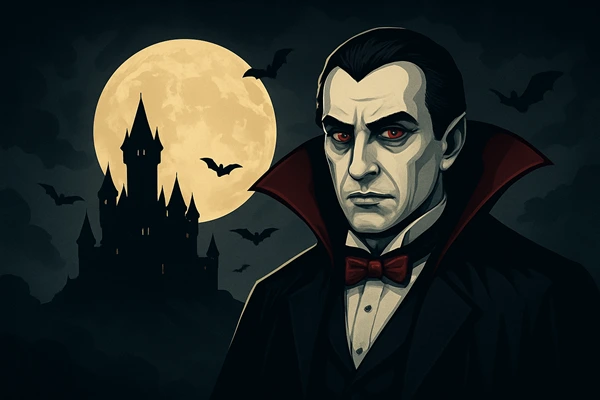
Gothic myths and culture have had a significant impact on visual art, inspiring contemporary painting, sculpture, and installations. The legend of Dracula and the traditions of Transylvania have become frequent themes for European artists, who use Gothic symbols and medieval elements to create works full of mystery and emotion. This influence is visible in both classical paintings and modern and digital art.
Who was inspired by these influences?
- Medieval and Contemporary Painters and Sculptors
- Visual Artists from Central and Eastern Europe
- Graphic Designers and Illustrators
What elements are used?
- Gothic and Medieval Symbols
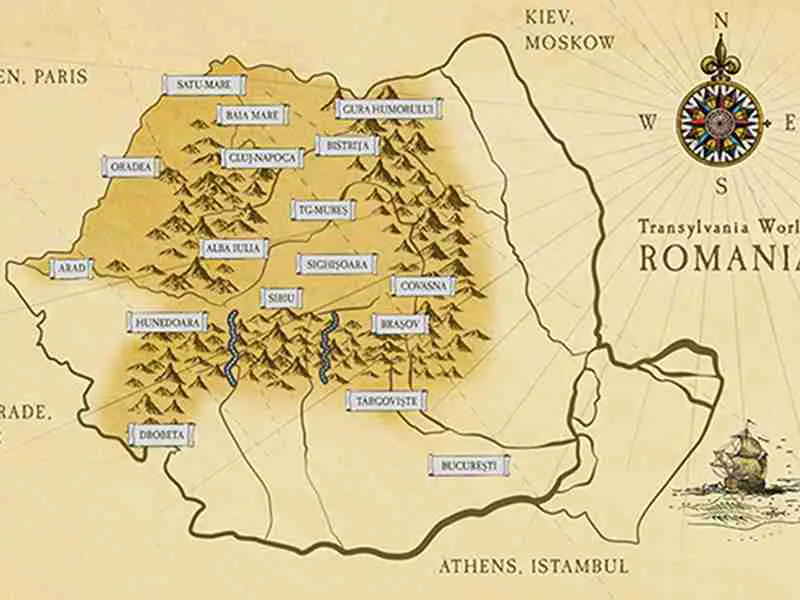
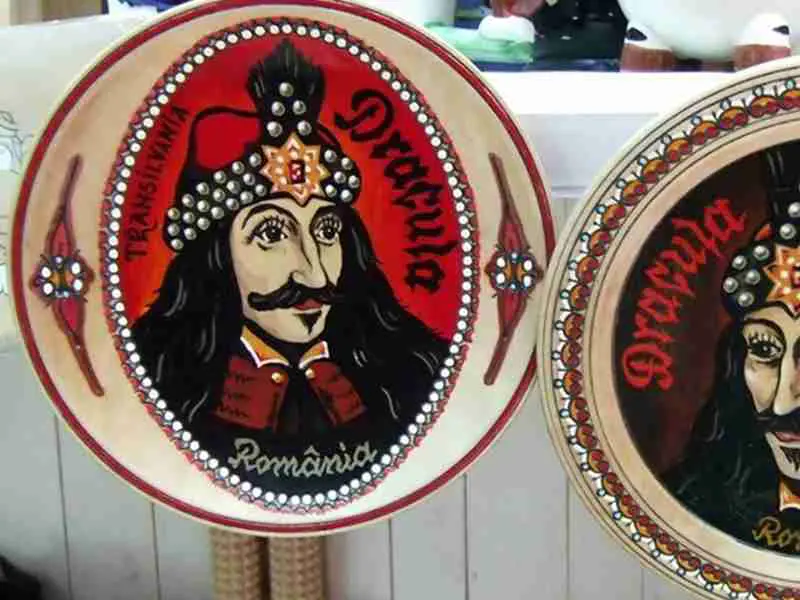
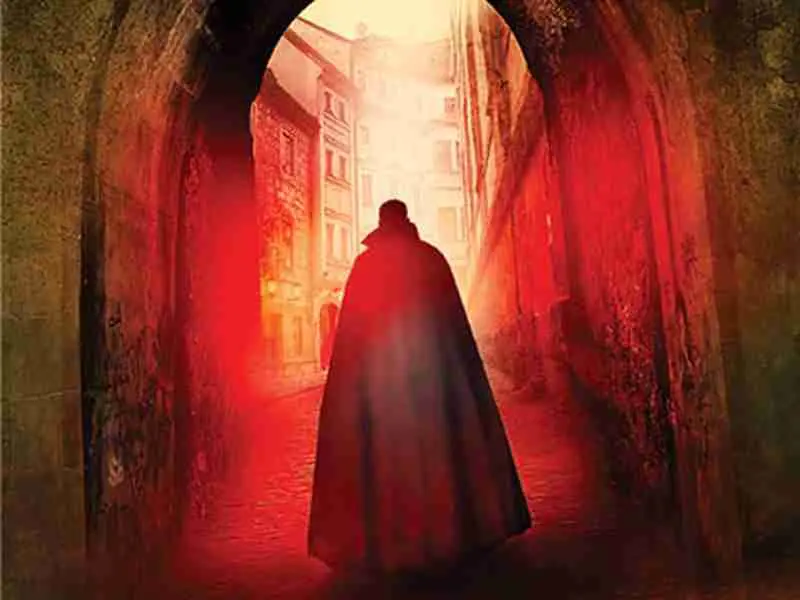
- Vampiric Imagination and Legends of Transylvania
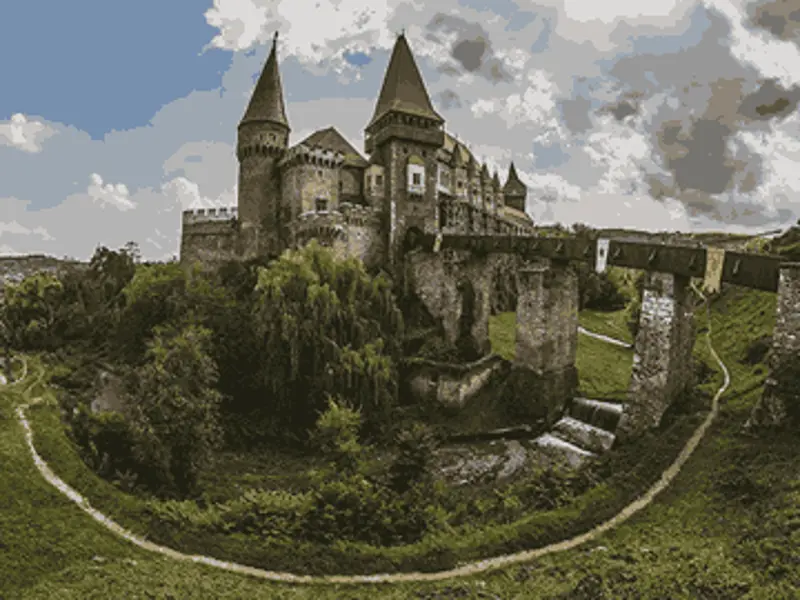
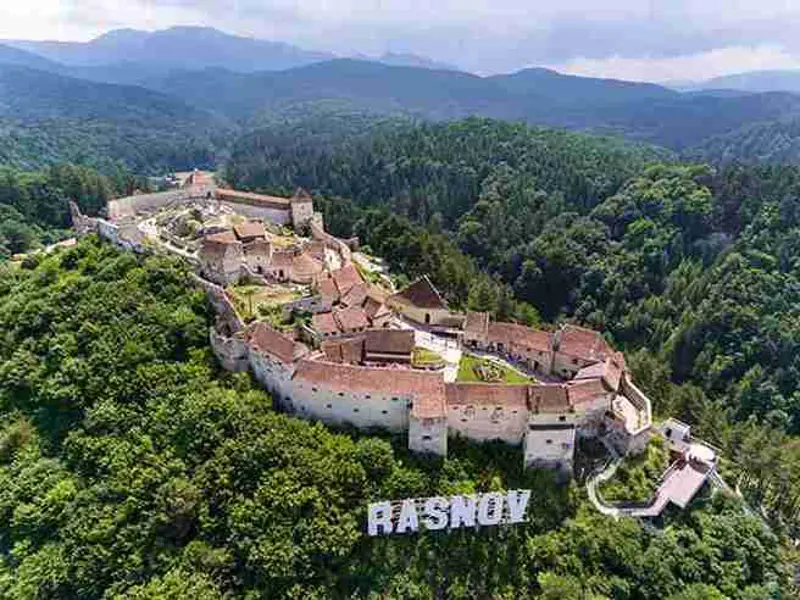
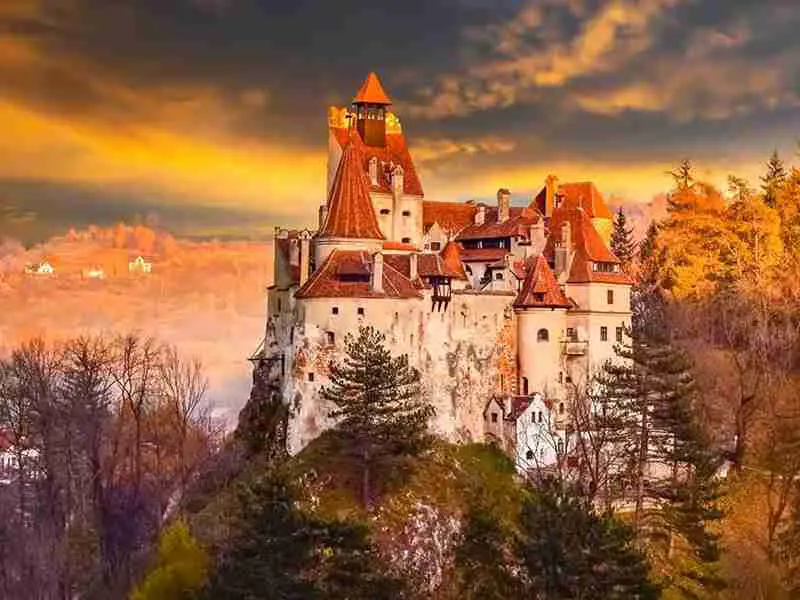
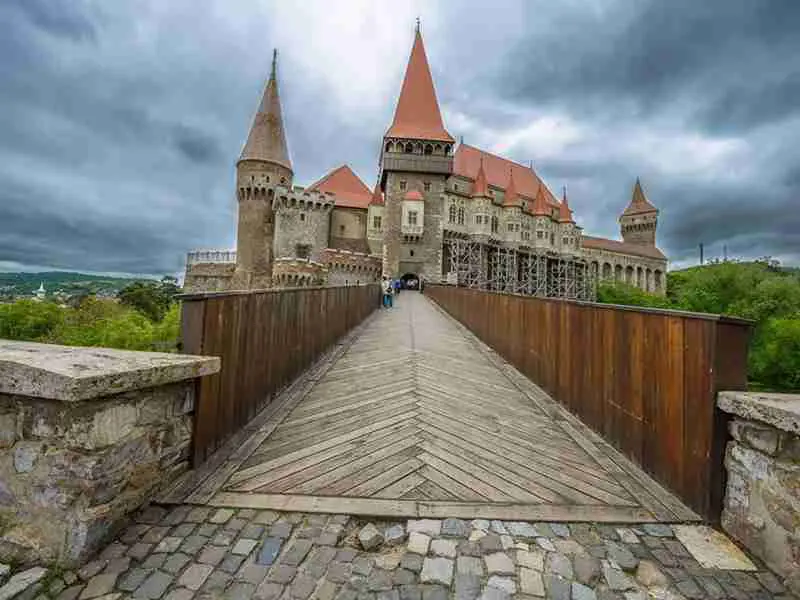
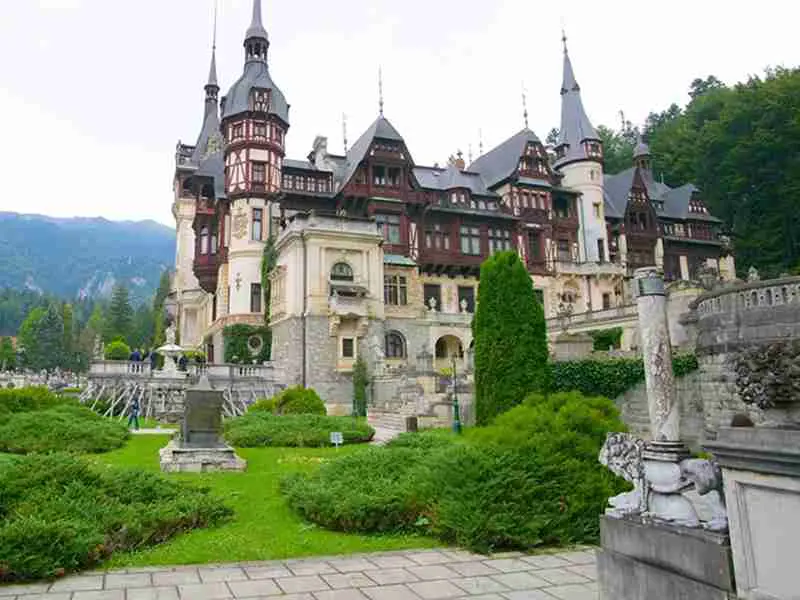
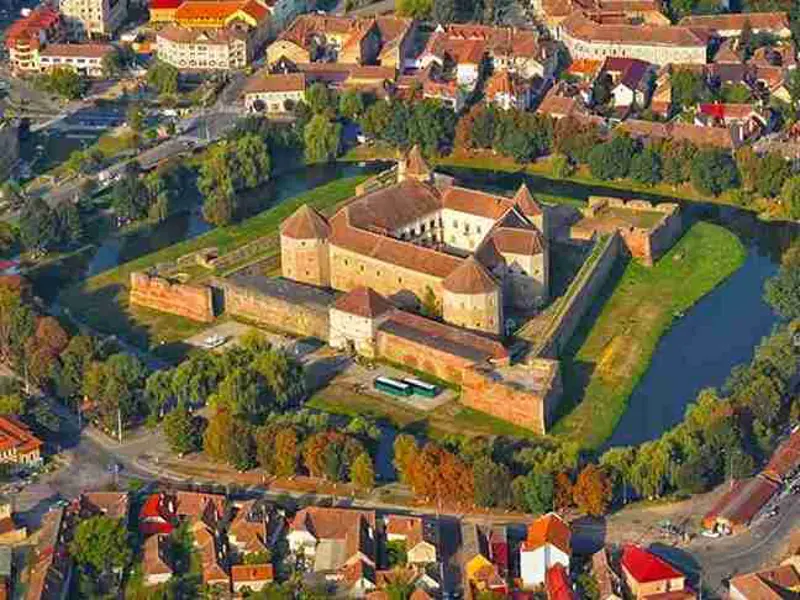
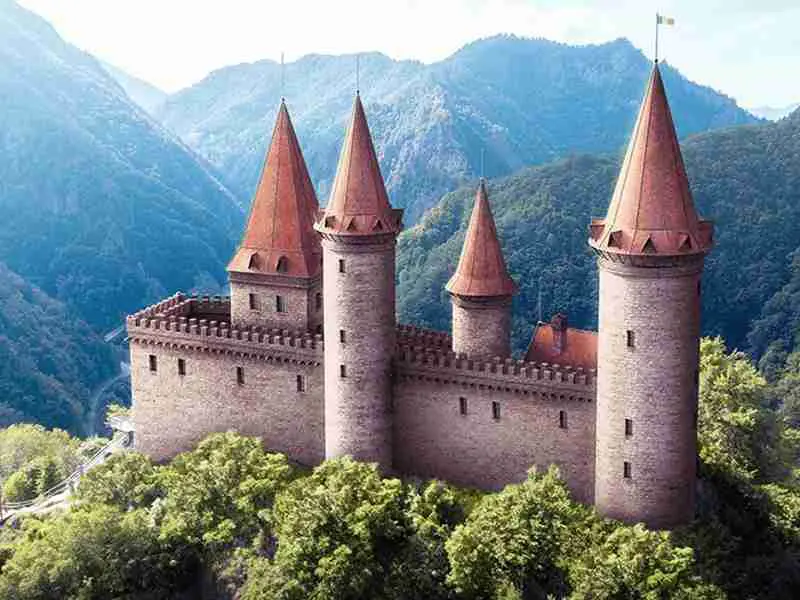
- Architecture and Landscapes Inspired by Bran Castle and Fortresses
How does influence manifest itself?
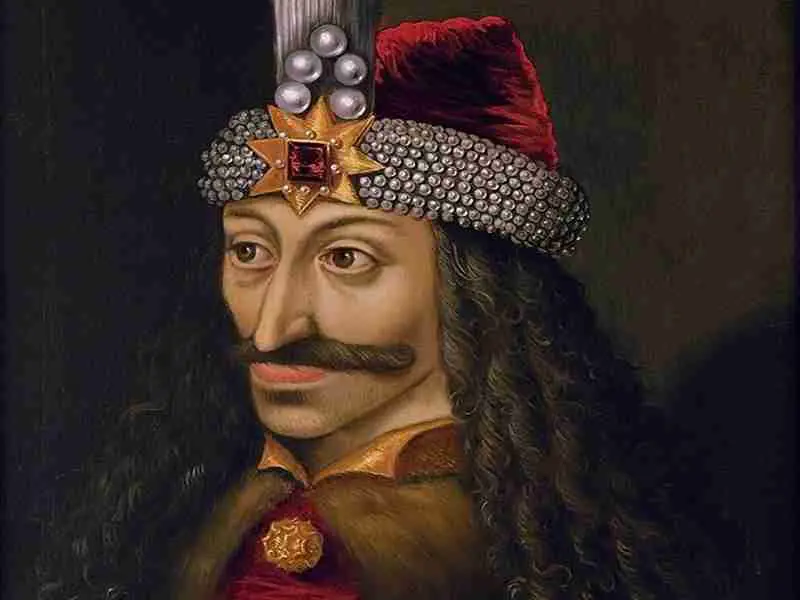
- In paintings, frescoes and illustrations
- In thematic sculptures and exhibitions
- In digital art and multimedia installations
Why is it important?
- Preserves visual and cultural traditions
- Provides insight into the myths and legend of Dracula
- Inspires new generations of artists
Conclusion
Cultural influences in visual art demonstrate how myths and traditions can transform artistic expression, keeping Transylvania's cultural heritage and legends alive in the perception of modern audiences.