Why Dracula became an iconic character for theater
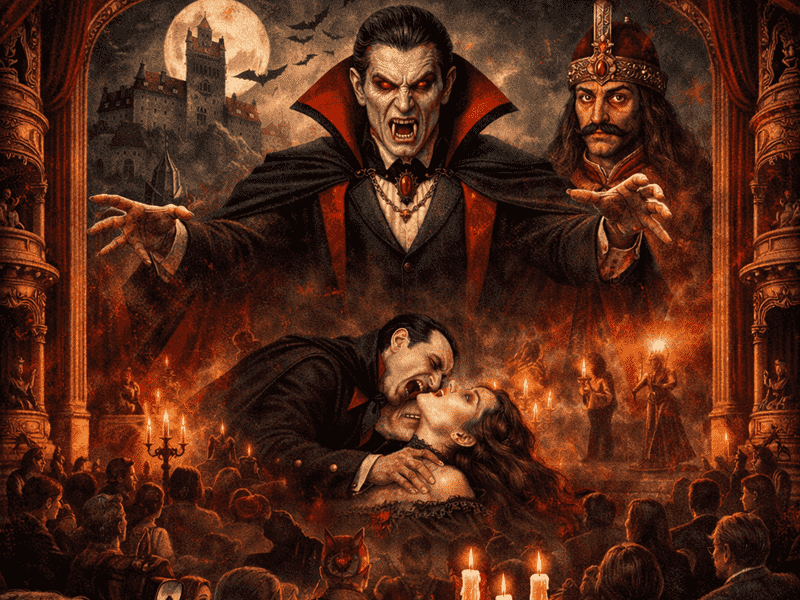
Theater has found in Dracula an ideal character: mysterious, dramatic, and loaded with symbols. In stage adaptations, the vampire is not just a supernatural antagonist, but a metaphor for deep-seated fears, inner conflicts, and repressed desires. This complexity gives the director the freedom to create visually and emotionally powerful performances. From expressionism to minimalist modern theater, Dracula has been reinterpreted in dozens of forms, each highlighting a different facet of the myth.
What types of theatrical adaptations are there?
In the world of theater, Dracula has evolved from a Gothic tale into themed shows that combine psychological drama, dark romance, and vampiric symbolism. Some productions are faithful to Bram Stoker's novel, while others offer modern reinterpretations or humorous satires.
- Classical adaptations – follow the narrative thread of the novel, emphasizing suspense.
- Modern productions – explore the psychological analysis of the character.
- Gothic musicals – combine dramatic music with the aesthetics of dark theater.
- Experimental performances – use light, movement, and abstract symbols.
How Dracula is portrayed on stage
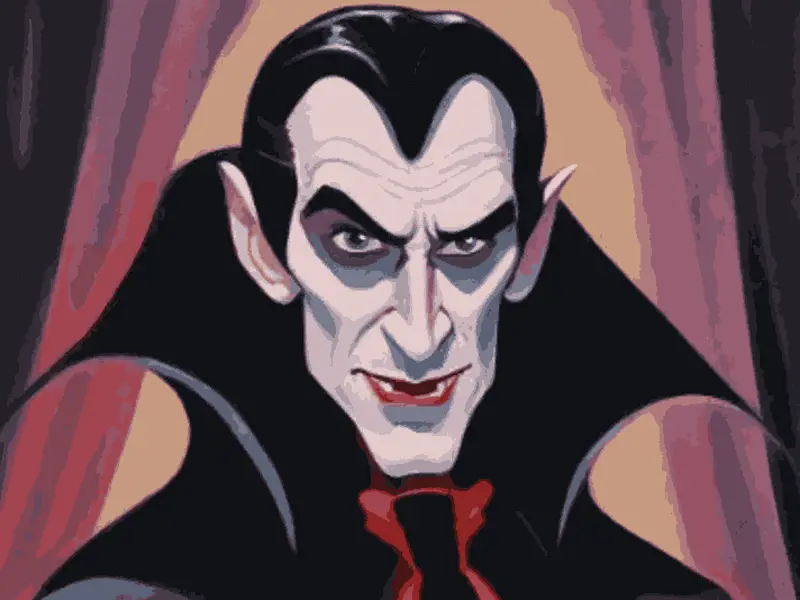
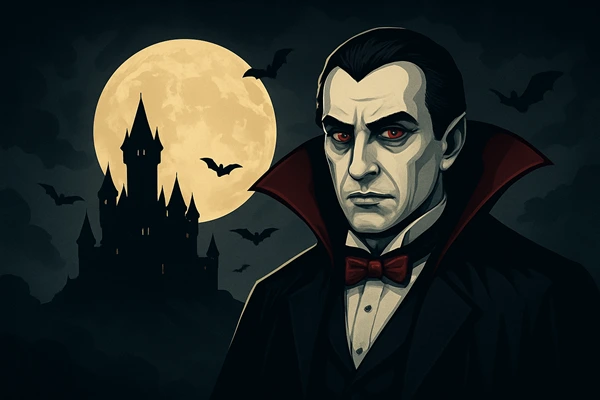
Depending on the style of the show, Dracula he can be presented as a fearsome monster, a tragic nobleman, a dark seducer or even a philosophical figure. The actors emphasize bodily expressiveness, slow rhetoric and psychological tension, transforming each appearance into a memorable moment. Costumes inspired by the medieval era or reinterpreted in a modern way amplify the enigmatic aura.
- Seductive Dracula – charisma, control, magnetism.
- Tragic Dracula – victim of his own destiny and curse.
- Monstrous Dracula – symbol of ancestral fear.
- Philosophical Dracula – introspective character, confronted with immortality.
Where are Dracula shows most often staged?
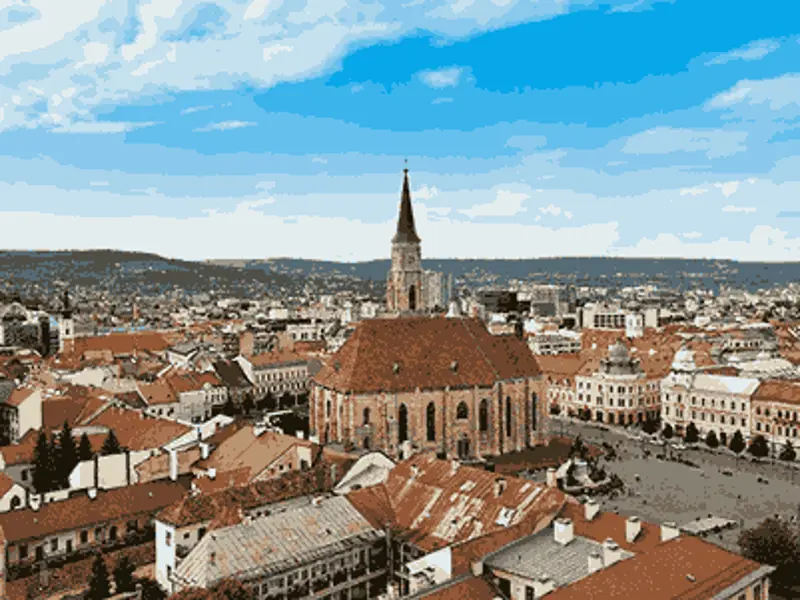
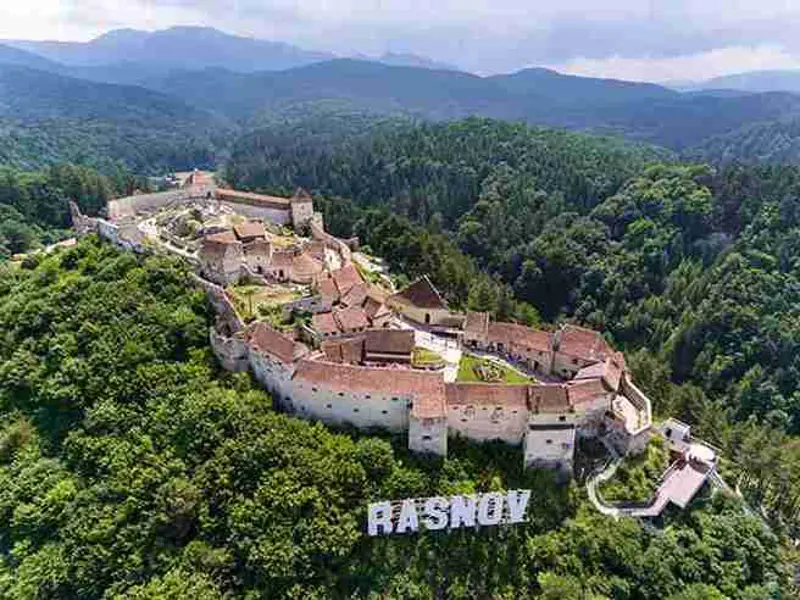
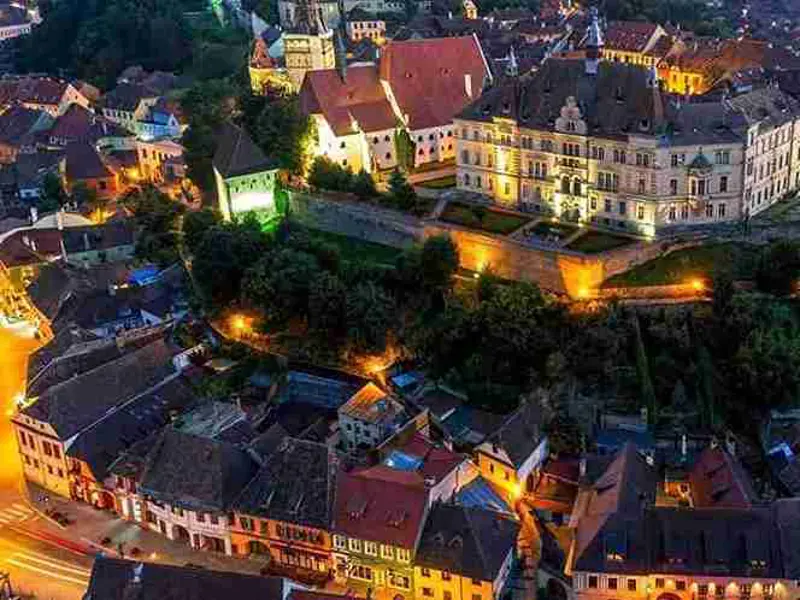
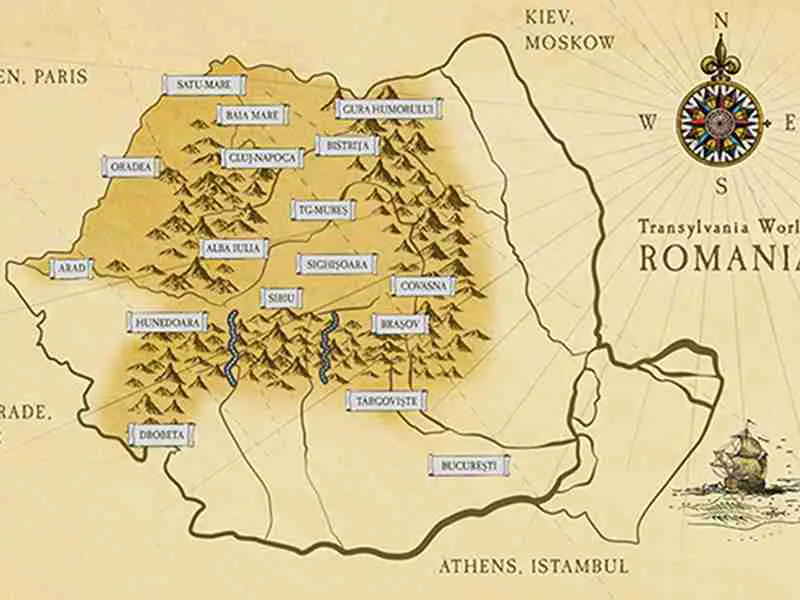
Theaters in Europe and America frequently present adaptations of the legend, especially during goth festivals, fall seasons, or in educational projects dedicated to Gothic literature. Transylvania, as a symbolic place, becomes a point of interest for traveling productions and thematic outdoor performances, which reconstruct the medieval atmosphere.
- National theatres – dramatic performances and classic adaptations.
- Independent theatres – modern reinterpretations and visual experiments.
- Cultural festivals – Gothic-themed night shows.
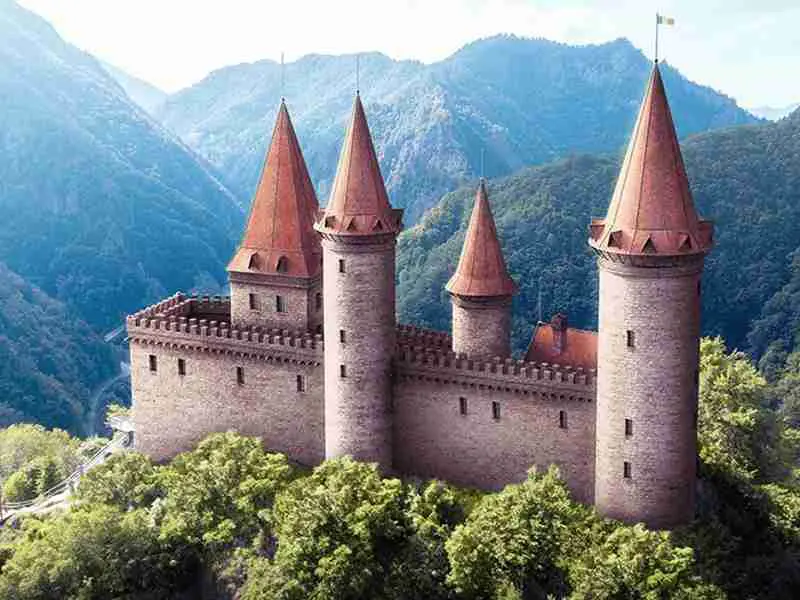
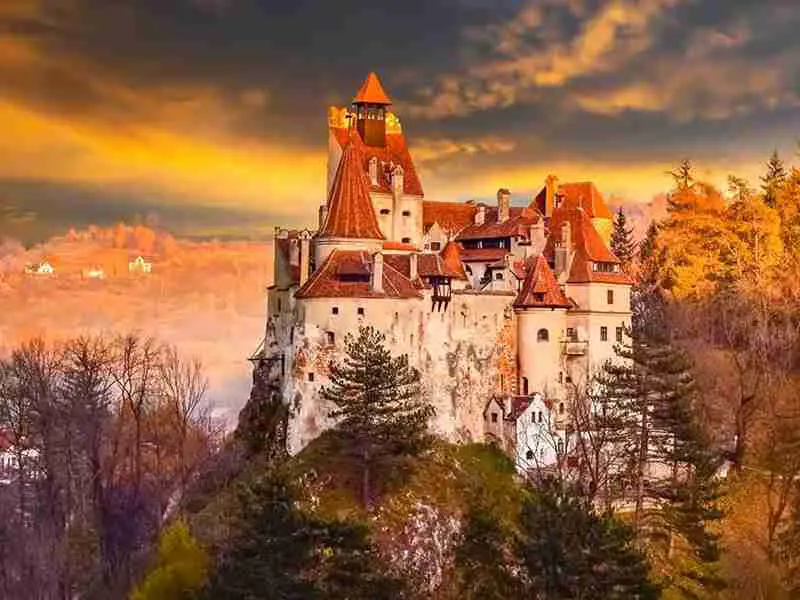
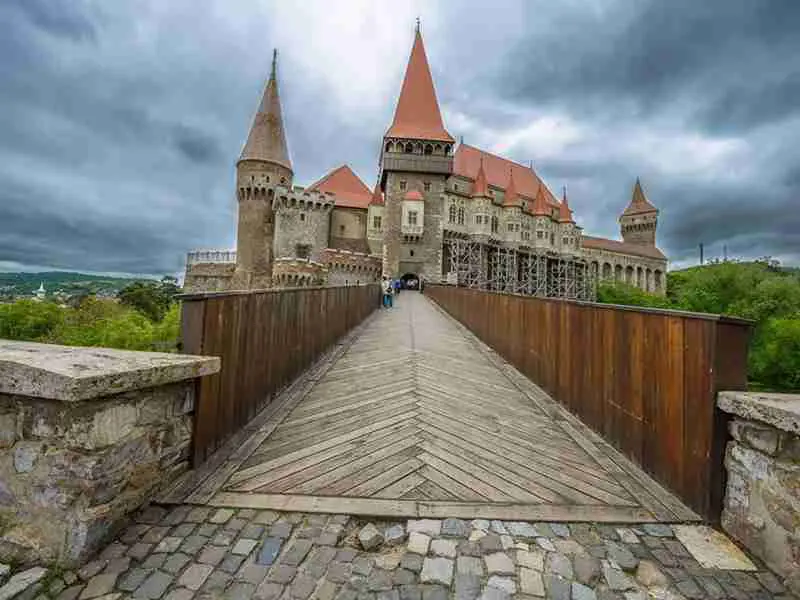
- Events in Transylvania – performances in historic fortresses and castles.
Conclusion
Dracula holds a distinct place in world theater due to his symbolic power and dramatic versatility. The character continues to inspire directors, actors, and set designers, demonstrating that the vampire myth is as fascinating and relevant today as it was over a century ago.