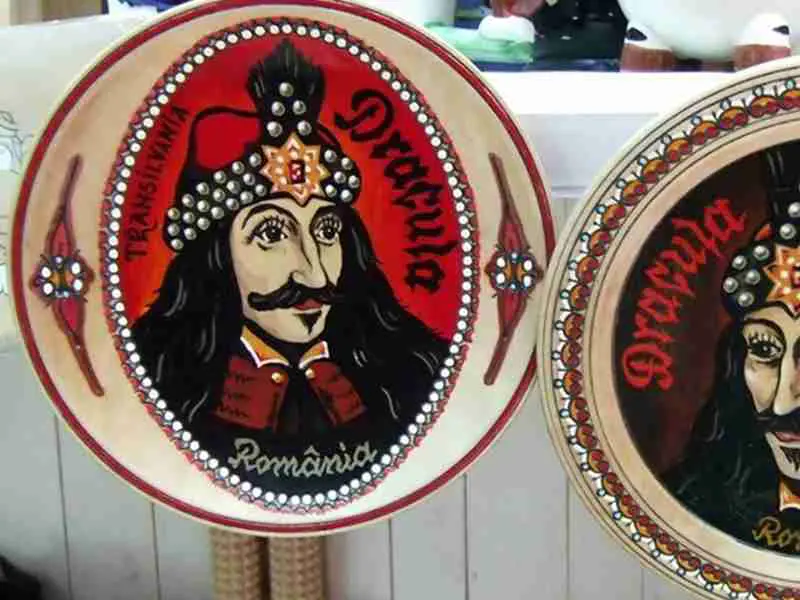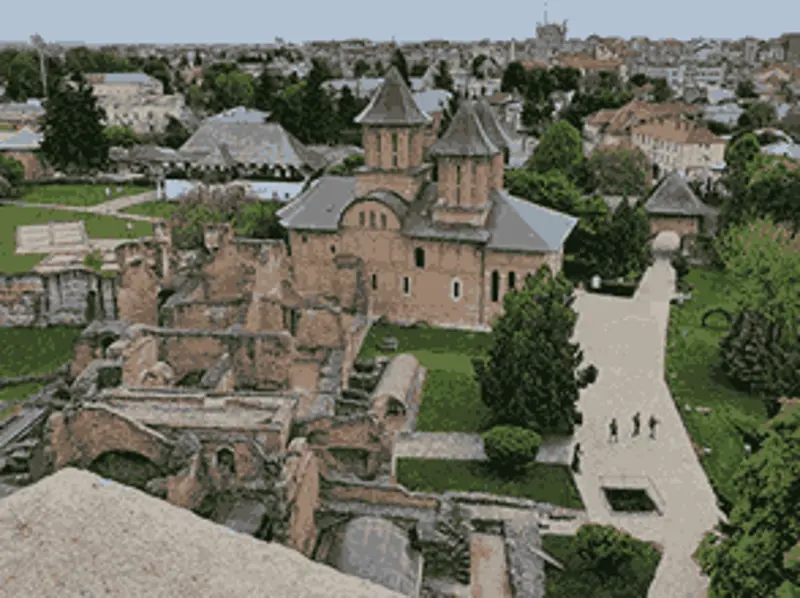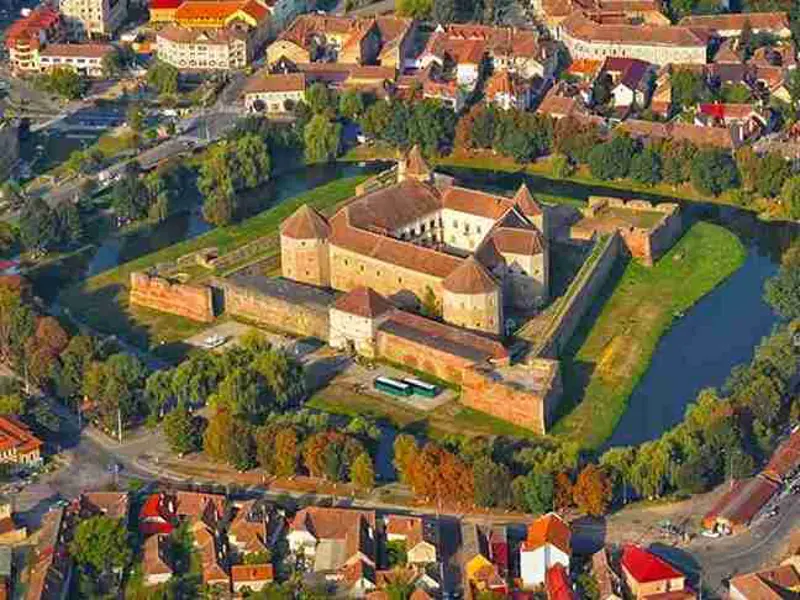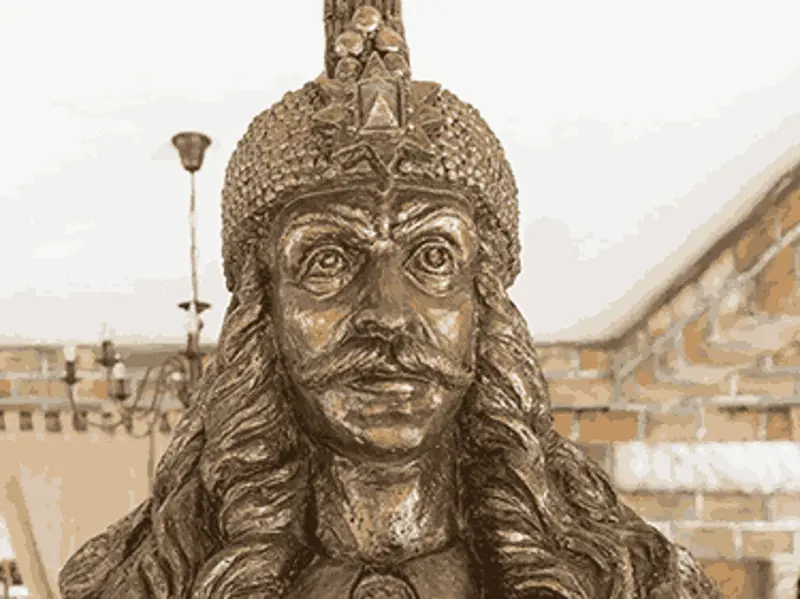
The myth of Dracula is not just a Gothic tale; it sparks interest and scientific research. Specialists in history, biology and medicine have analyzed the origins of vampires, the phenomenon of vampirism and the connection with ruler Vlad Țepeș, to understand how legends become cultural reality.
Historical and anthropological perspective
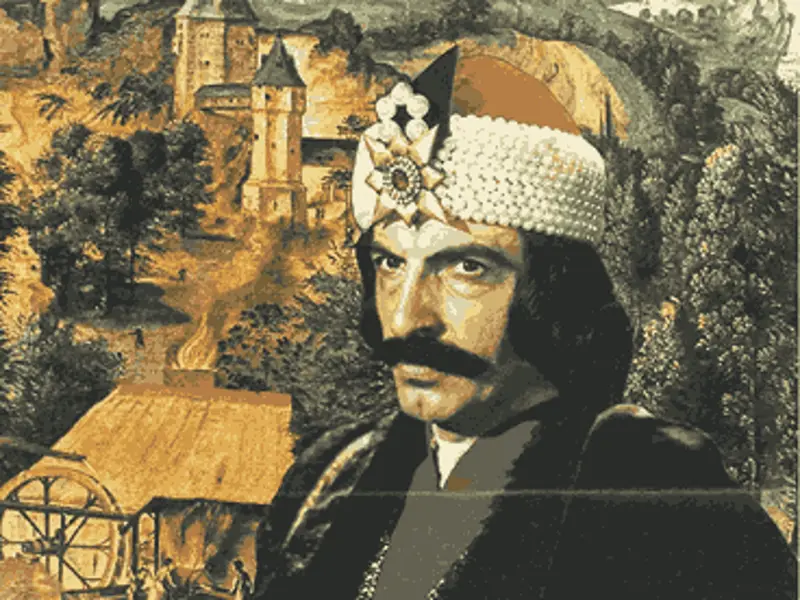
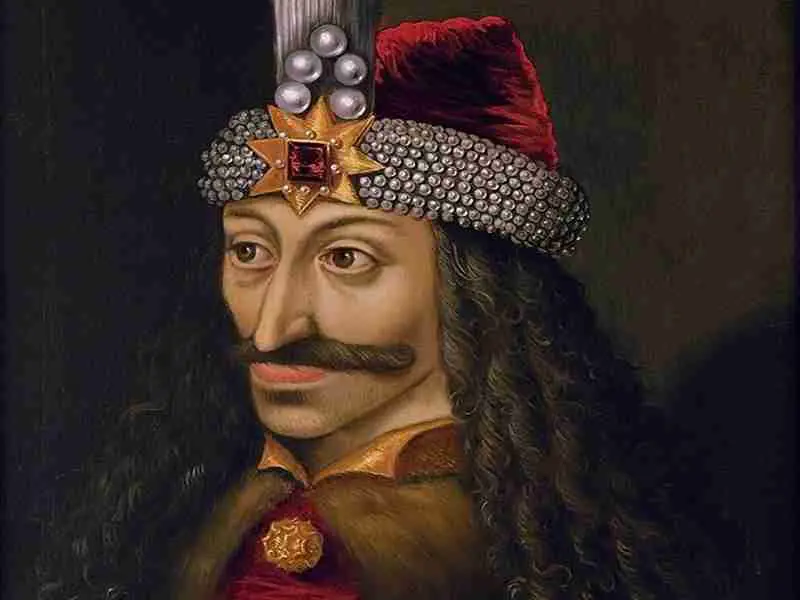
Historical research shows that Vlad Țepeș inspired vampire stories through his deeds and methods of defending Wallachia. Anthropologists explore local traditions and Transylvanian superstitions, explaining how fear and folklore generated enduring myths.
Biological and medical explanations
Some studies suggest that the phenomenon of vampirism may have roots in real diseases or rare medical conditions, such as porphyria or catalepsy. Researchers are trying to identify the biological causes that gave rise to the legends of vampires and their bloodlust.
Cultural influence and modern science
Interdisciplinary analyses combine history, medicine, and psychology to understand the ongoing fascination with Dracula. Literature, films, and thematic tourism are influenced by this research, providing a scientific view of a myth that spans centuries.