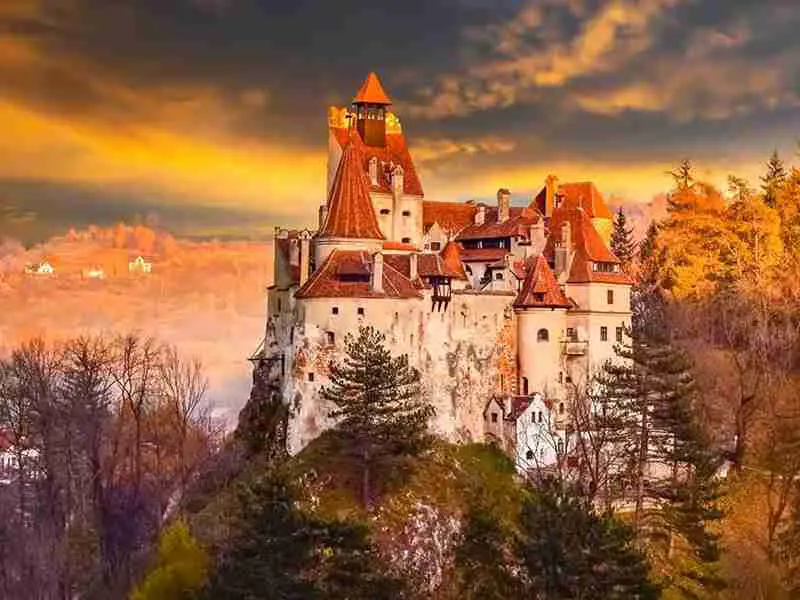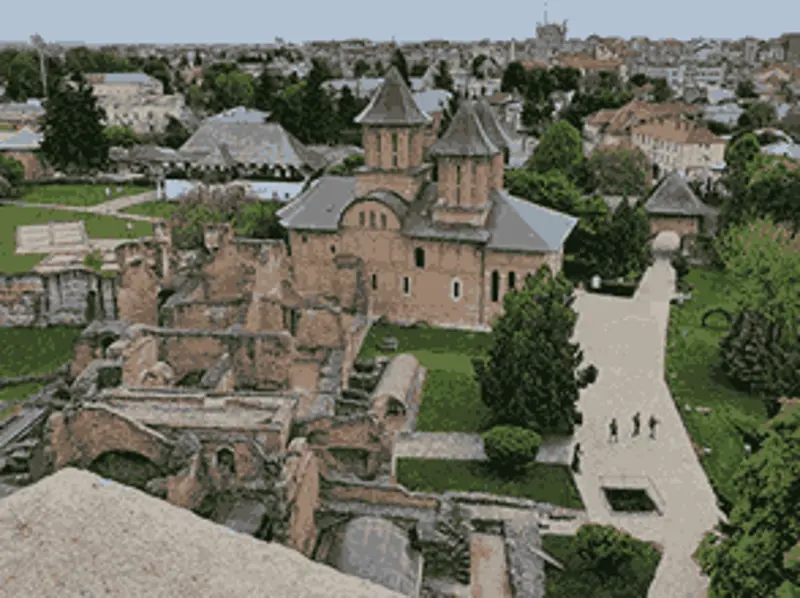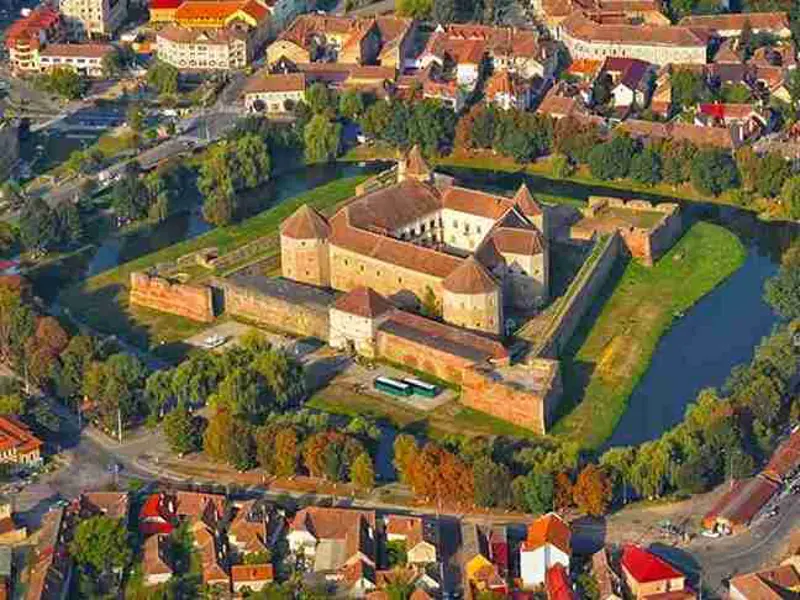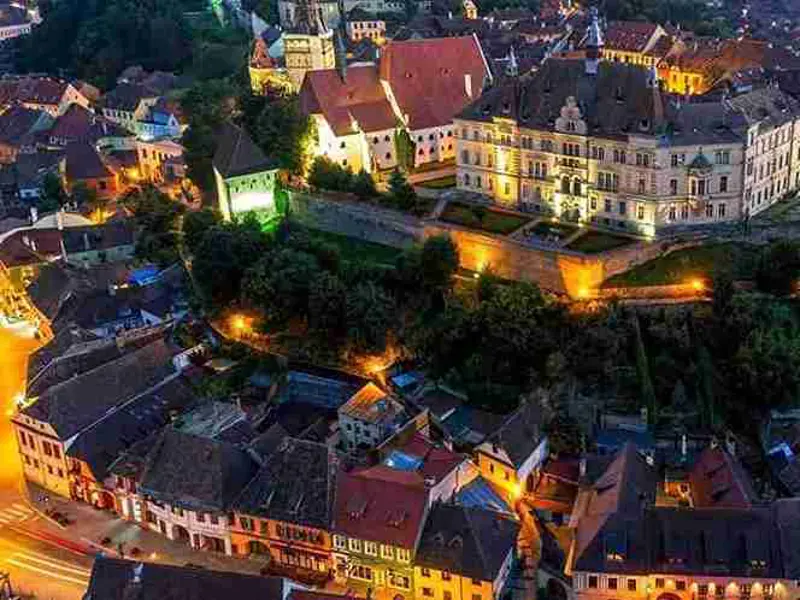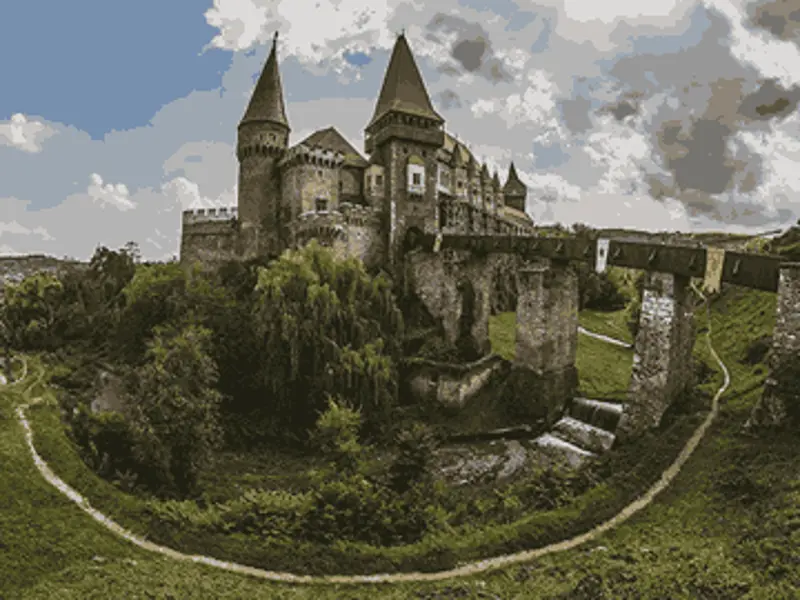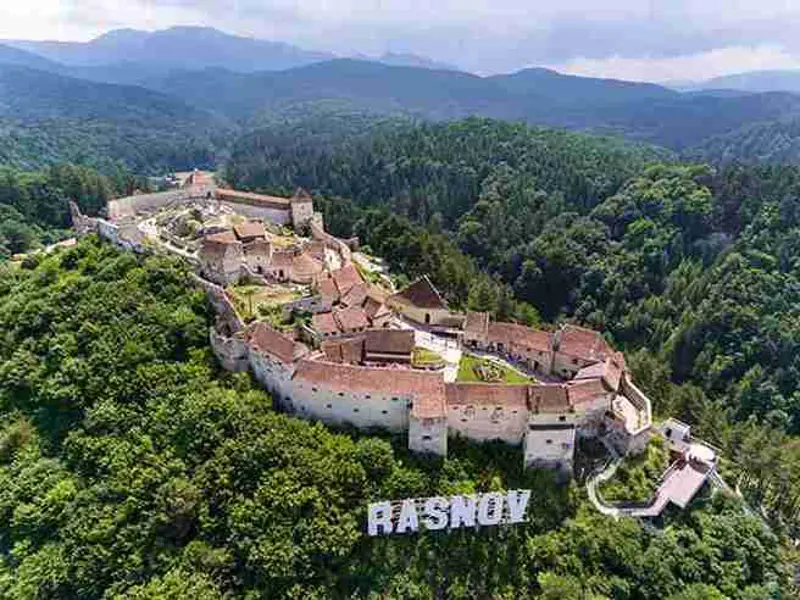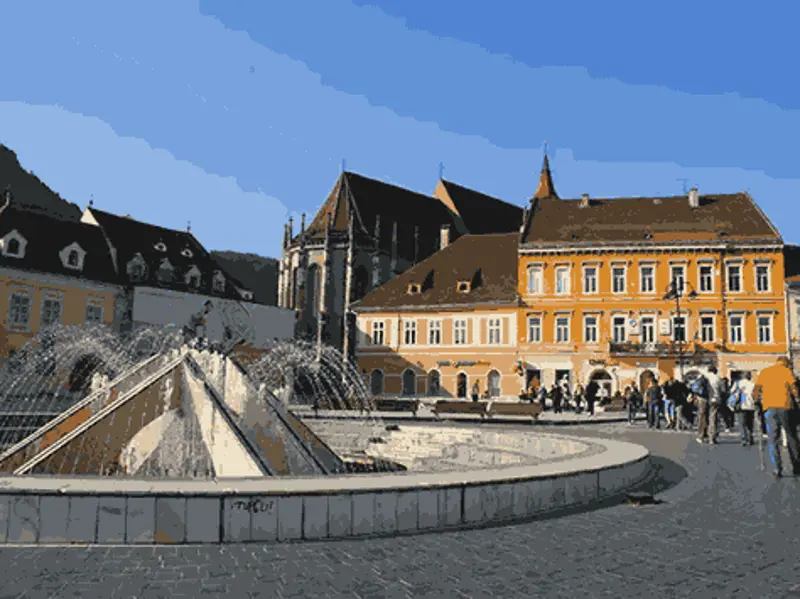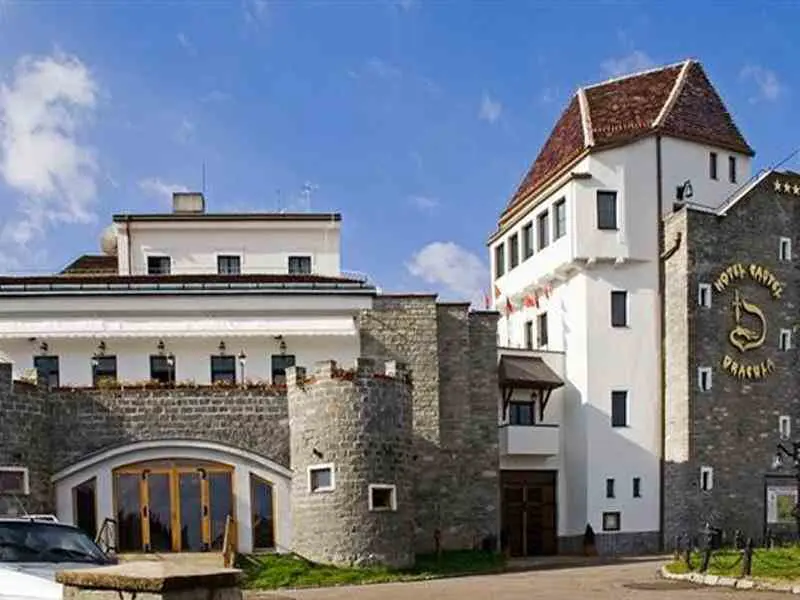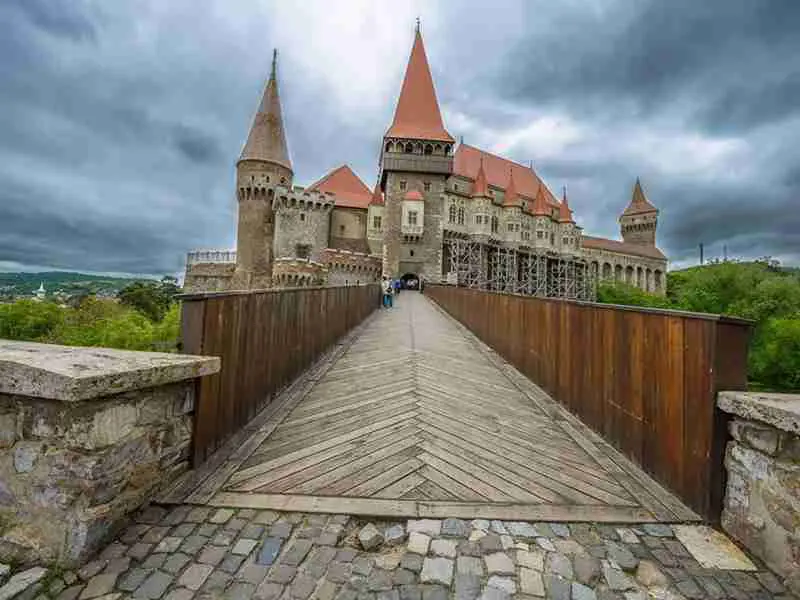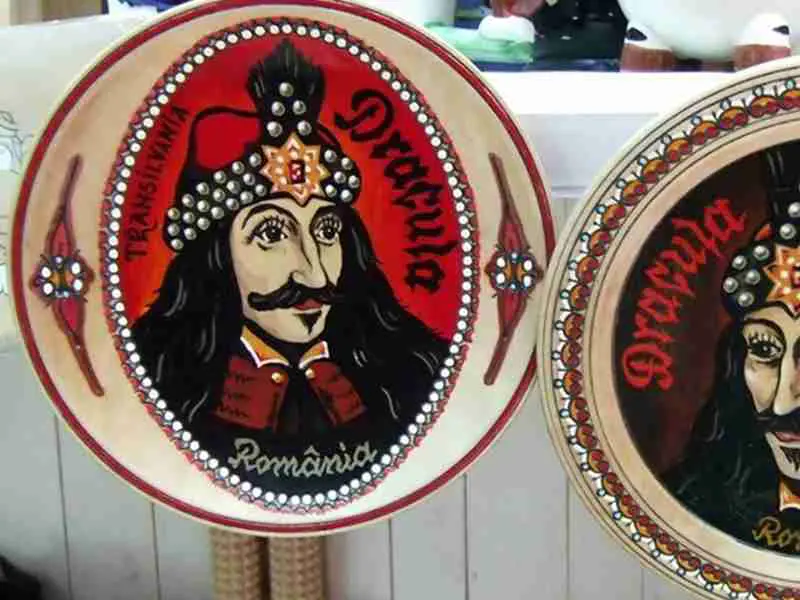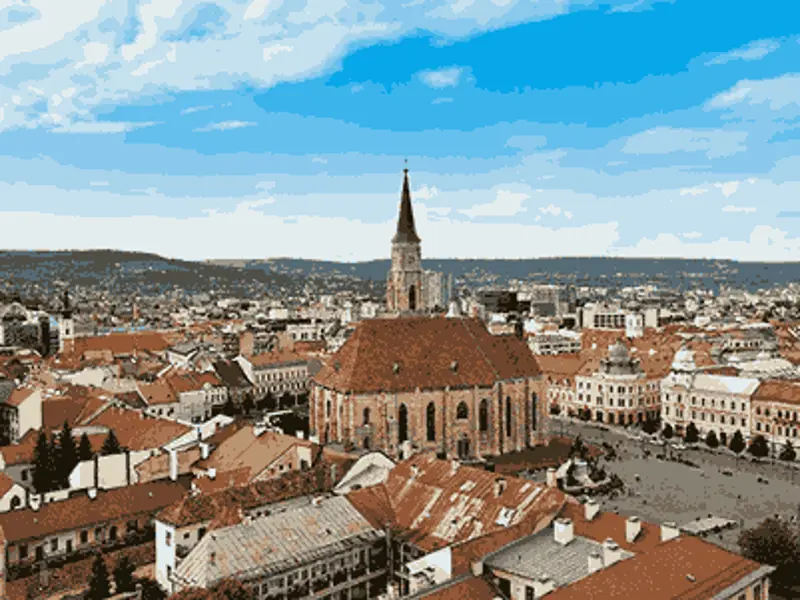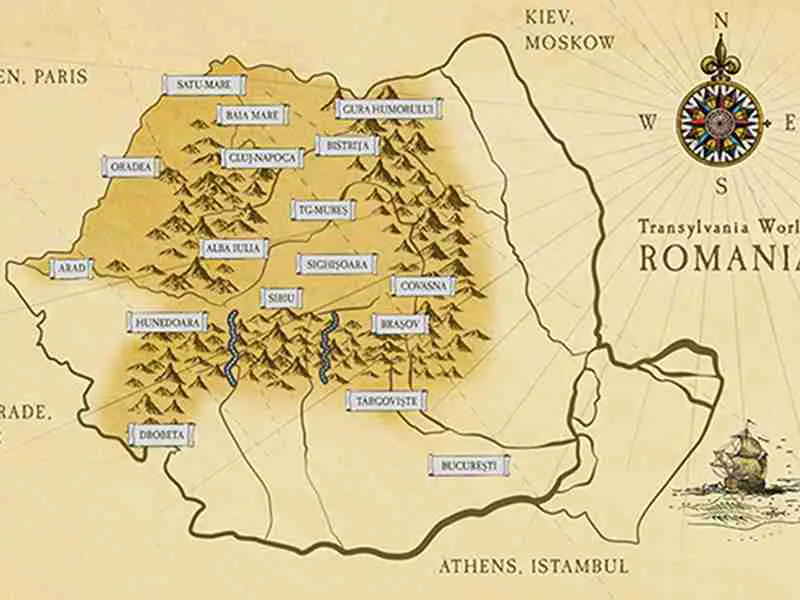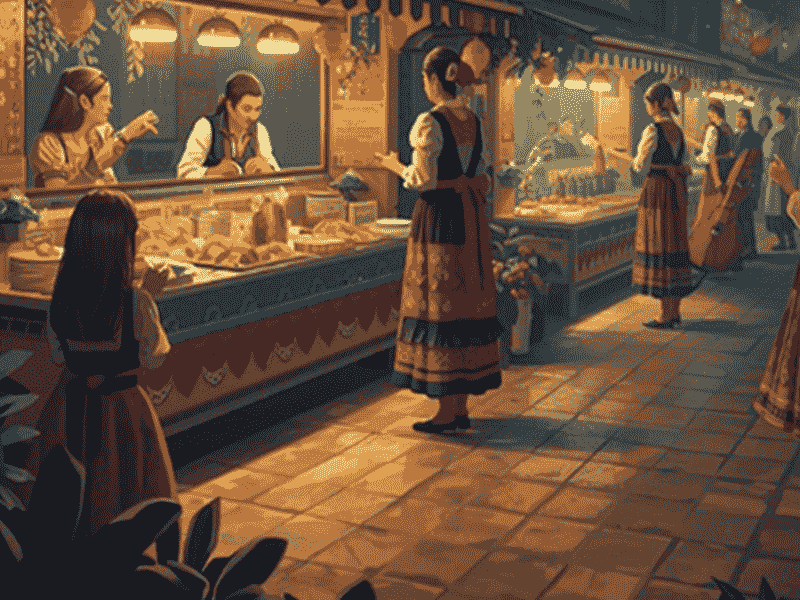
In Transylvania, food festivals are a bridge between the past and the present, bringing together in one place the gastronomic traditions, local products and the festive atmosphere specific to the region. The events are organized in fortresses, old squares or traditional villages, offering visitors the opportunity to experience old tastes, traditional cooking techniques and culinary stories passed down from generation to generation. Here, modern chefs and village housewives meet, each contributing to an authentic culinary spectacle.
What types of dishes can be tasted?
- "Tochitura" and goulash cooked in huge cauldrons
- Meat smoked or marinated according to ancient recipes
- Pies with cheese, cabbage or potatoes
- Homemade bread baked on the hearth
- Traditional desserts with nuts, honey and fruits
What elements make these festivals unique?
- Medieval decorations and traditional costumes
- Historical reenactments with knights and craftsmen
- Stands with wines, syrups and artisanal products
- Live music inspired by Transylvanian folklore
- Workshops for visitors – from bread baking to wood carving
What do food festivals bring to communities?
- Promoting local producers
- Preserving gastronomic traditions
- Increasing tourist interest in the region
- Strengthening Transylvanian cultural identity
Conclusion
Food festivals transform tradition into a living experience, where visitors can sample the history, culture and gastronomic diversity of Transylvania. They are an authentic celebration of communities and their culinary heritage.