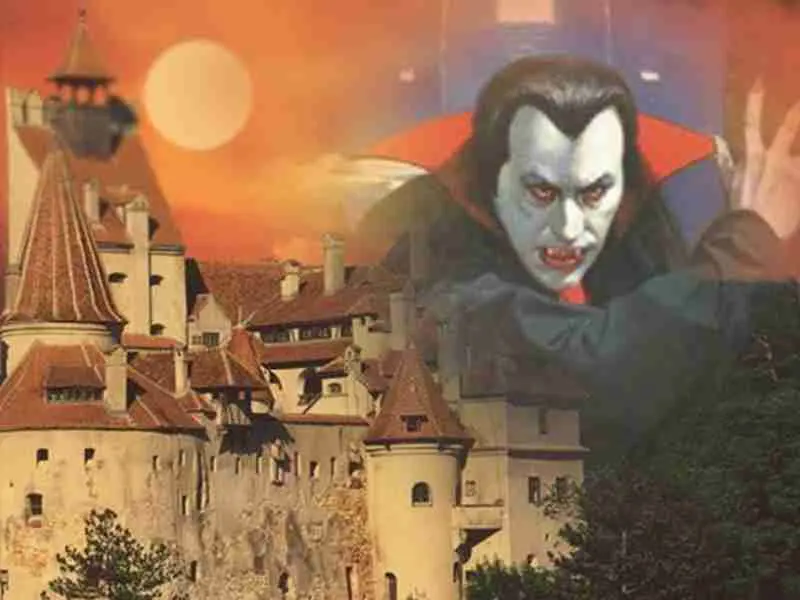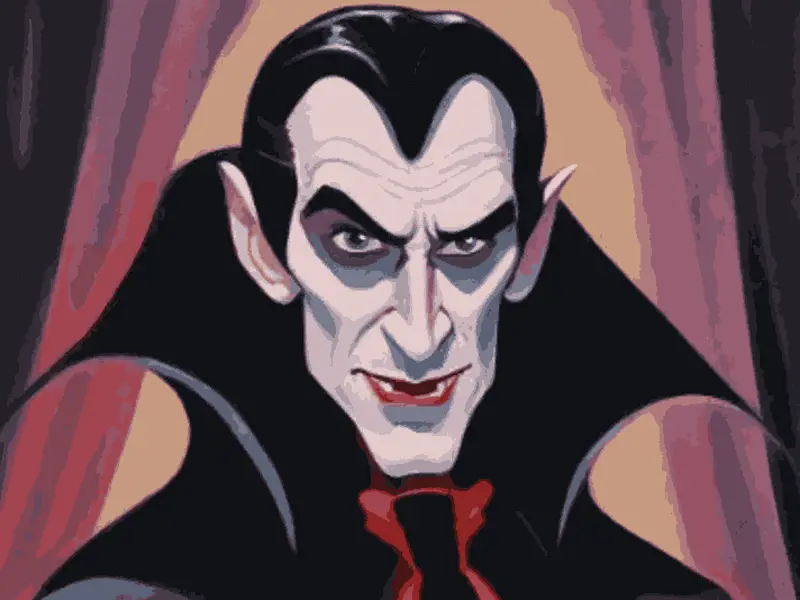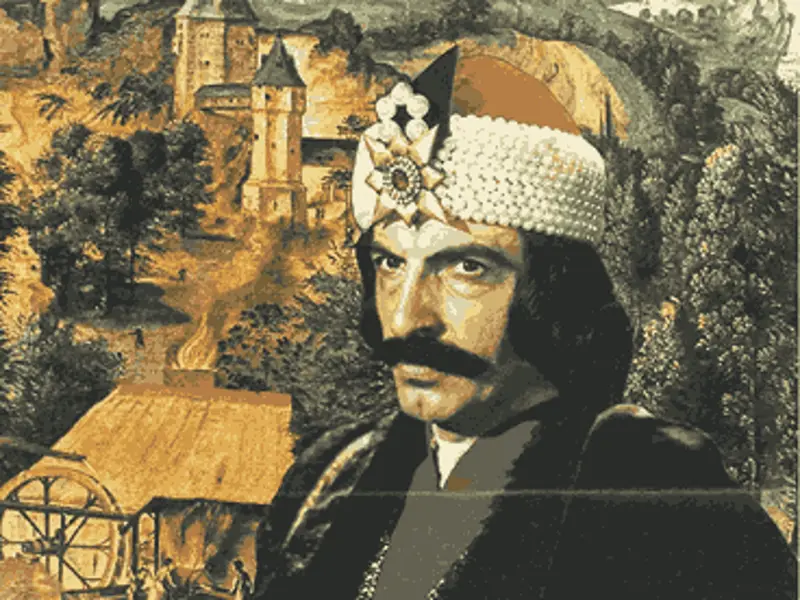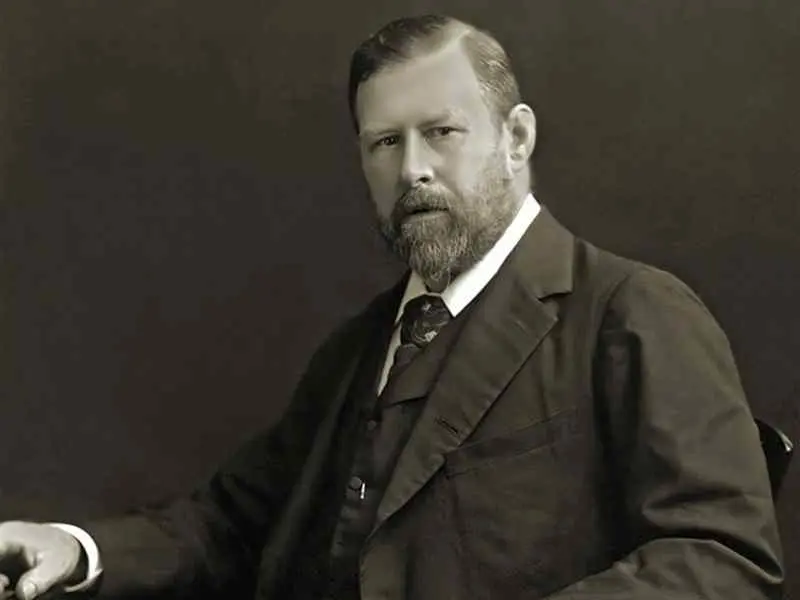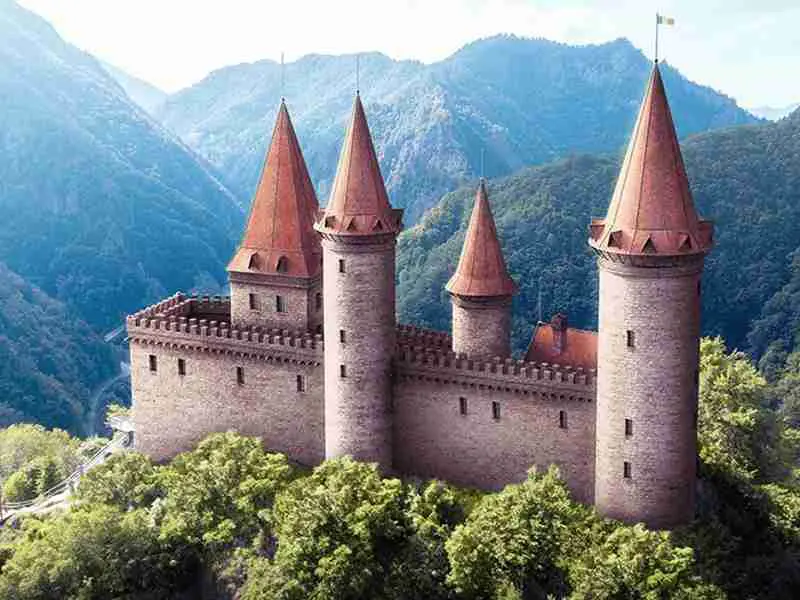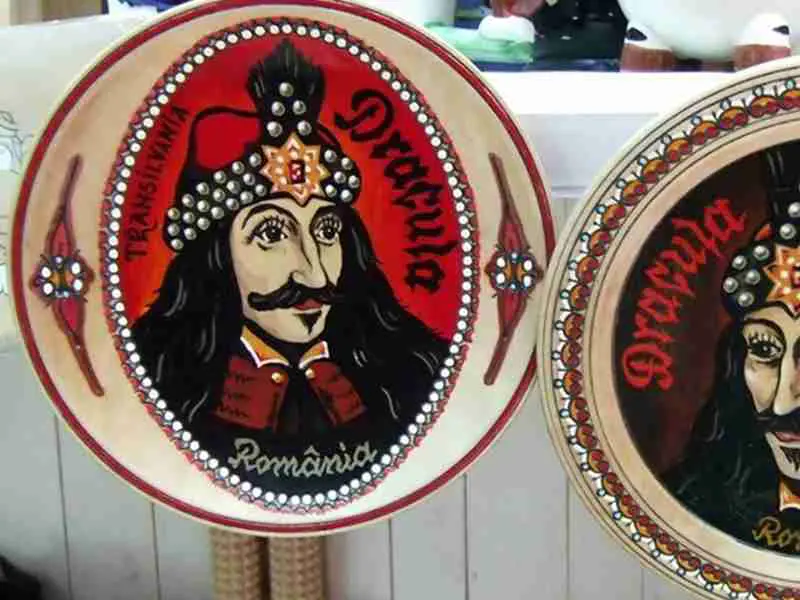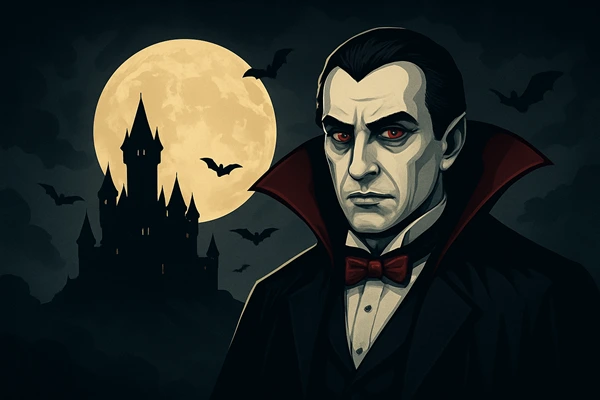
Dracula has been a constant source of inspiration for literature, combining Romanian folklore with European Gothic novels. From Transylvanian folk tales to Bram Stoker's novel "Dracula," the character has evolved into a universal symbol of vampirism and mystery. The literature explores themes such as power, fear, seduction, and eternity, offering readers a captivating foray into the Gothic world.
Who wrote about Dracula?
- Romanian Writers of Folk Literature
- Bram Stoker and the Authors of Gothic Literature
- Contemporary Fantasy and Horror Authors
What topics are addressed?
- The Vampire Myth and Local Legends
- The Power and Cruelty of Vlad Țepeș
- Romanticism and Gothic Horror
How did it spread?
- Translations into many languages
- Films and television adaptations
- Comics and contemporary literature
Why is it relevant?
- Connects Romanian folklore with global culture
- Inspires creativity and artistic expression
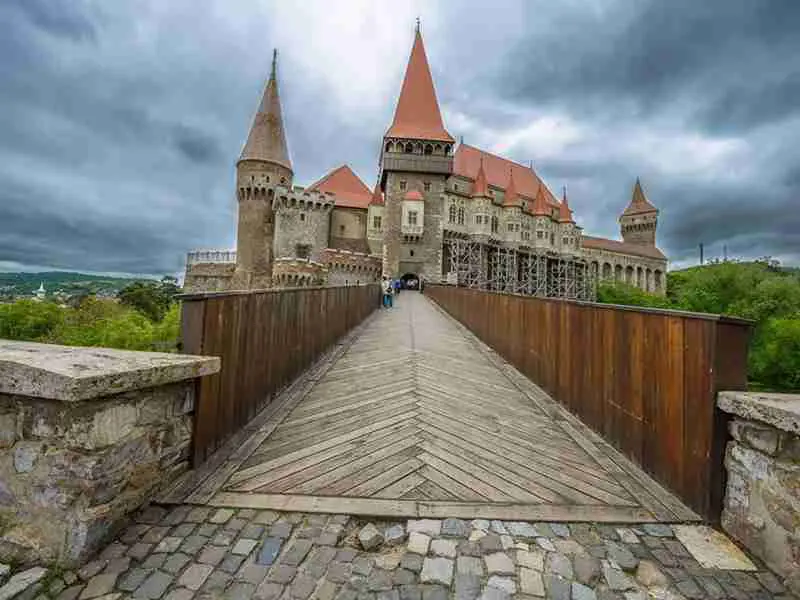
- Promotes the cultural and historical heritage of Transylvania
Where can you discover these works?
- Romanian and international bookshops and libraries
- Museums dedicated to Gothic literature
- Thematic literary events and festivals
Conclusion
Dracula in literature represents a symbol of the power of the Transylvanian myth. This influence continues to inspire writers and readers around the world, keeping the vampire legend alive.