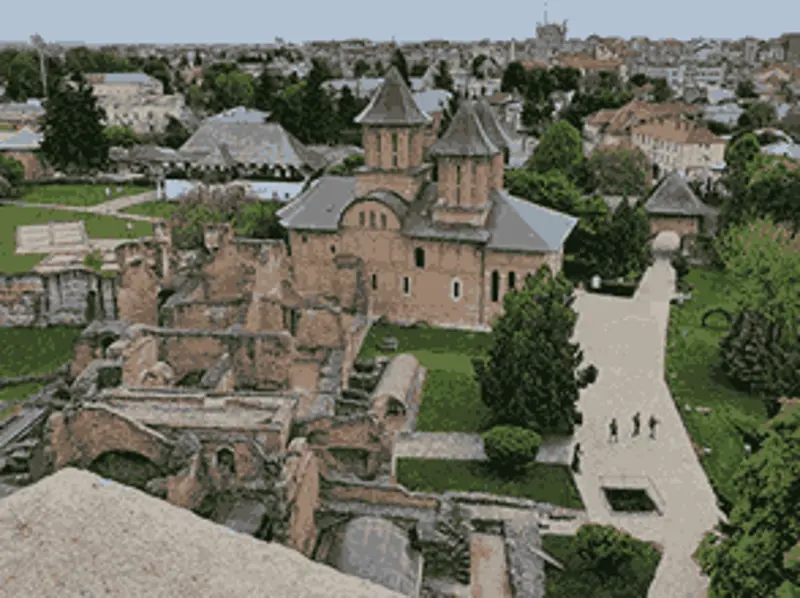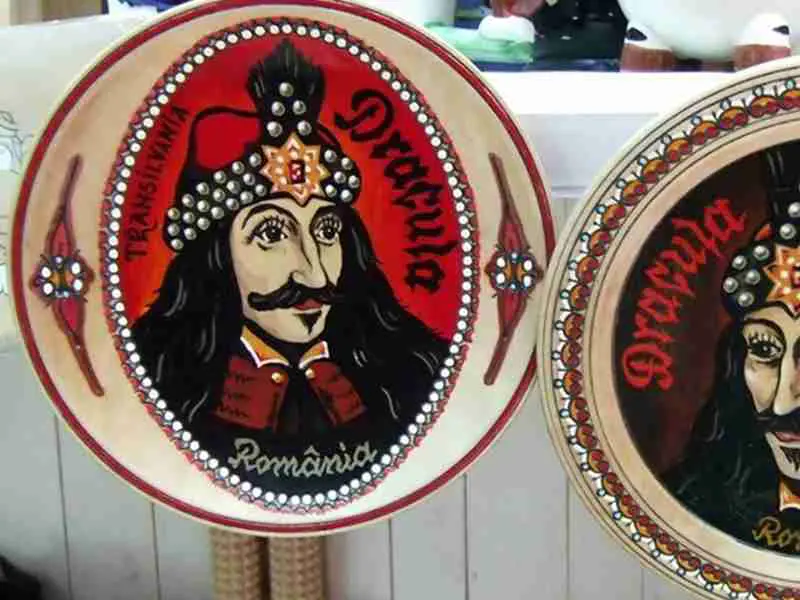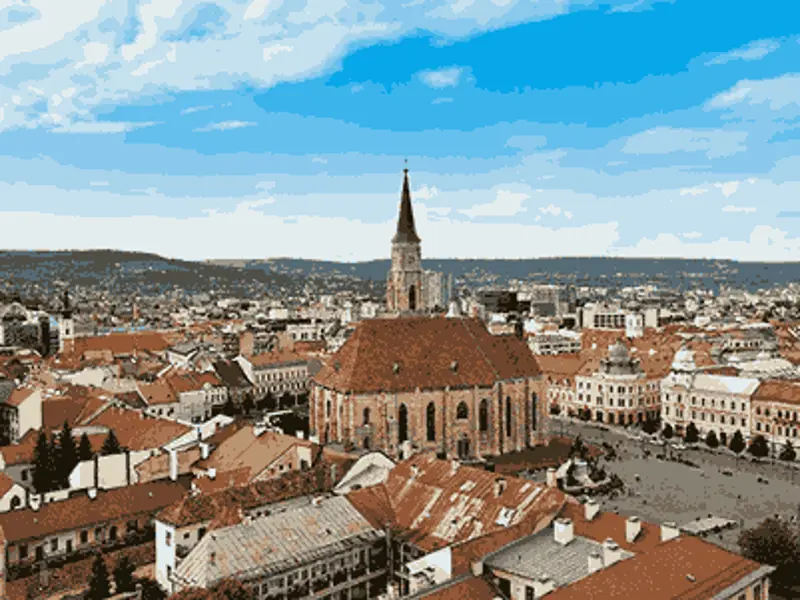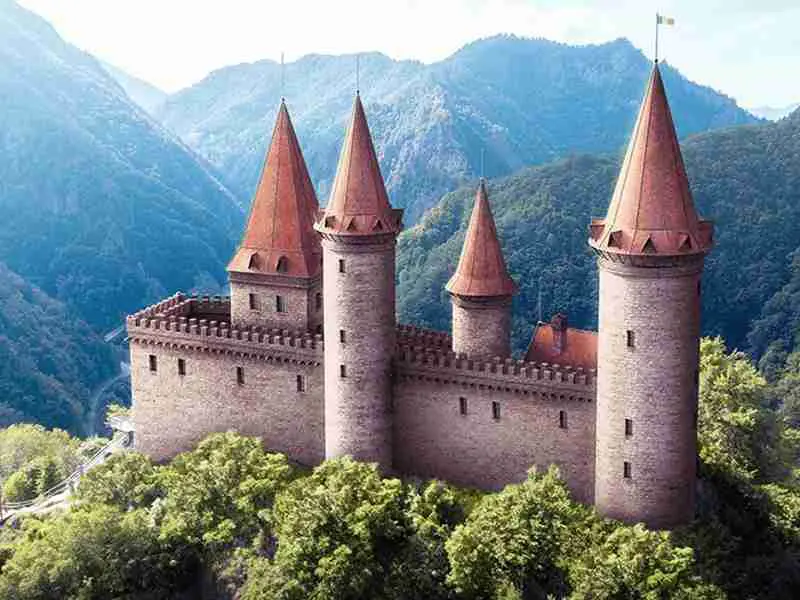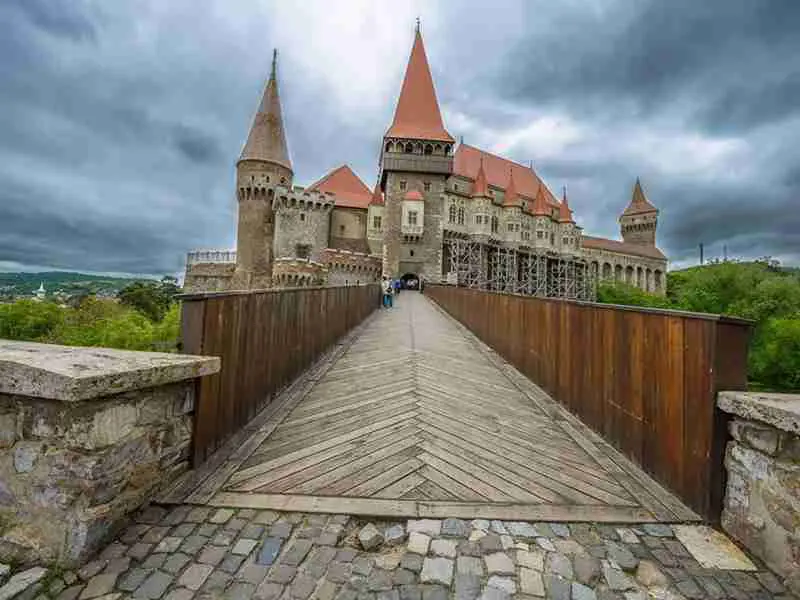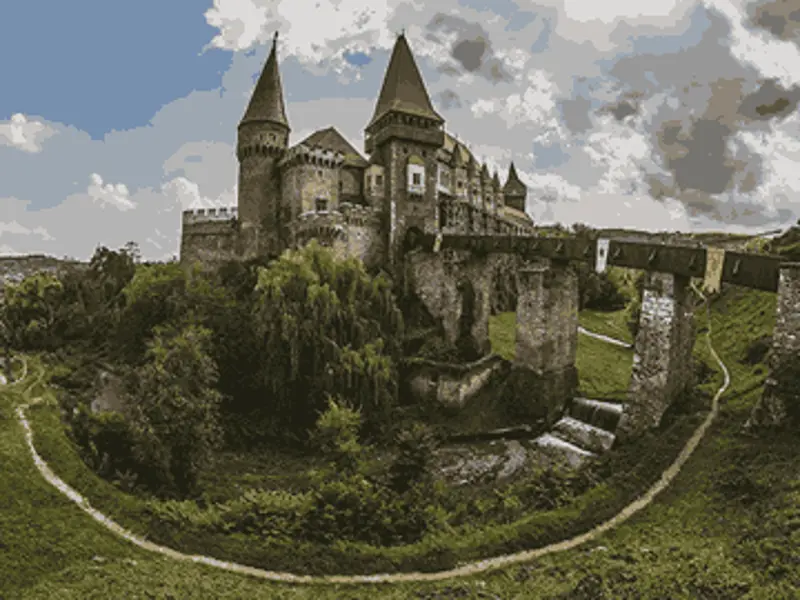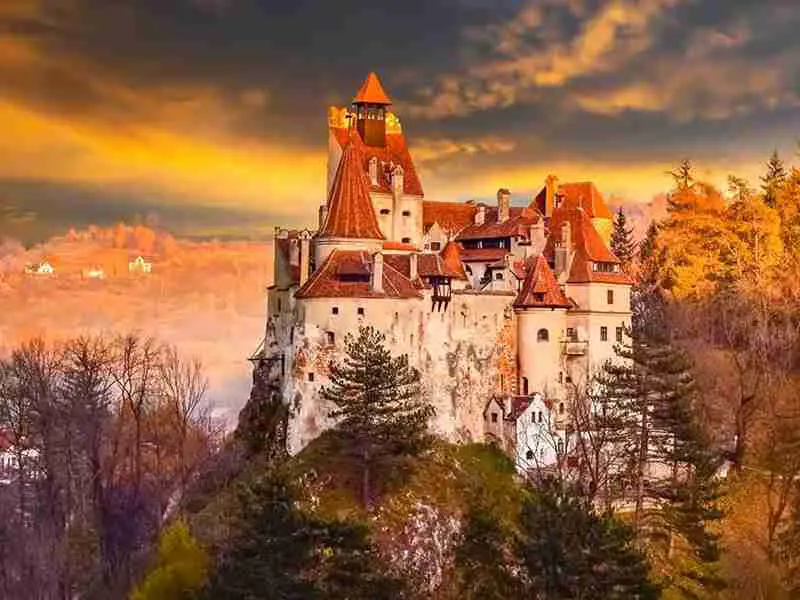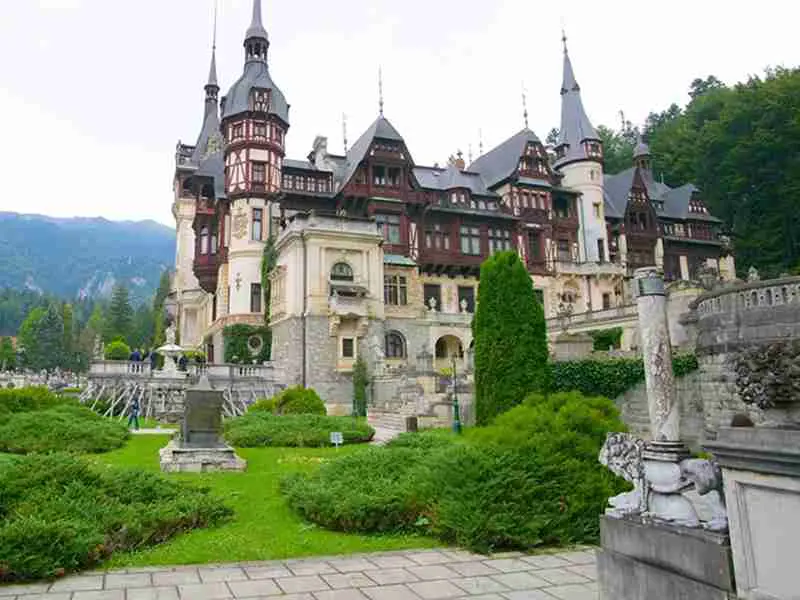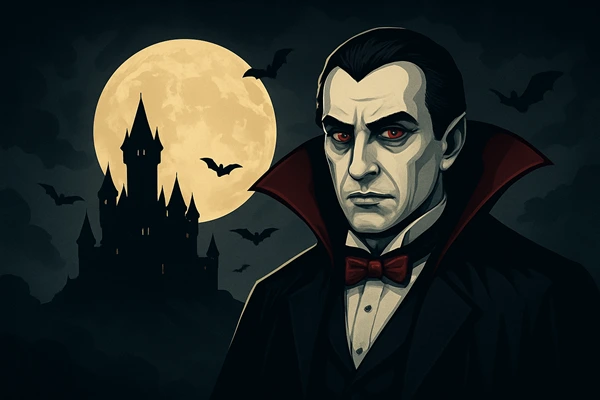
Gothic architecture is characterized by high arches, colorful stained glass windows, and elaborate sculptural details. Iconic monuments, such as cathedrals in France and Germany, became symbols of the Middle Ages and Gothic culture. The Gothic style quickly spread throughout Europe, leaving an impressive architectural legacy that continues to fascinate tourists and art enthusiasts.
Who built these monuments?
- Architects and craftsmen of the Middle Ages
- Religious and noble communities
- Artisans specialized in sculpture and stained glass
Which buildings are the most important?
- Notre-Dame Cathedral in Paris
- Cologne Cathedral, Germany
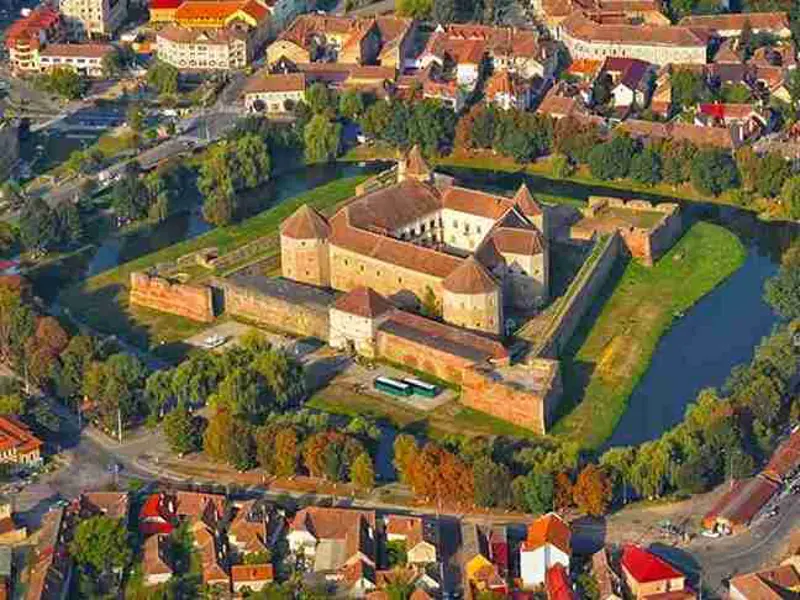
- Gothic Churches and Monasteries in Transylvania
How are they made?
- With high arches and a pointed arch
- Colorful stained glass windows with religious symbols
- Detailed carvings on the facades and interiors
Why are they important?
- Represents medieval art and technology
- Connects religious and cultural history
- Inspires contemporary architecture and art
Where can you visit them?
- Europe: France, Germany, Italy
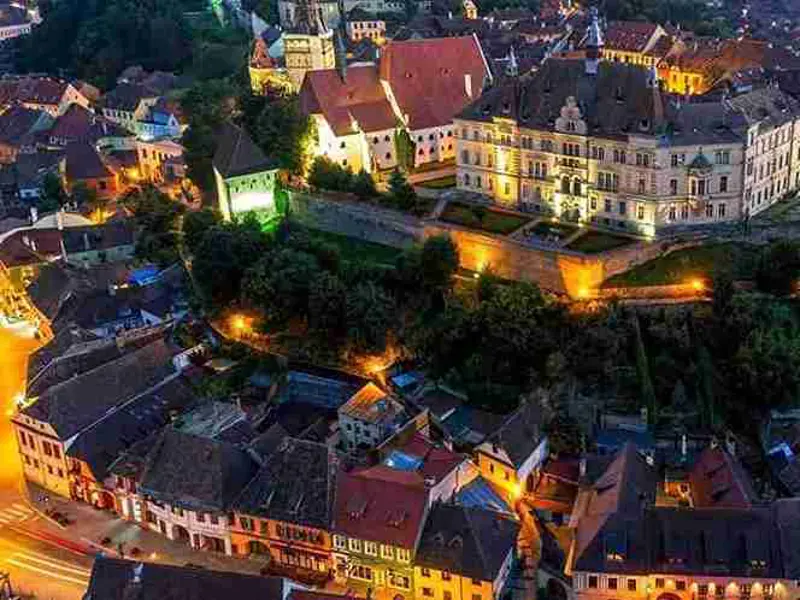
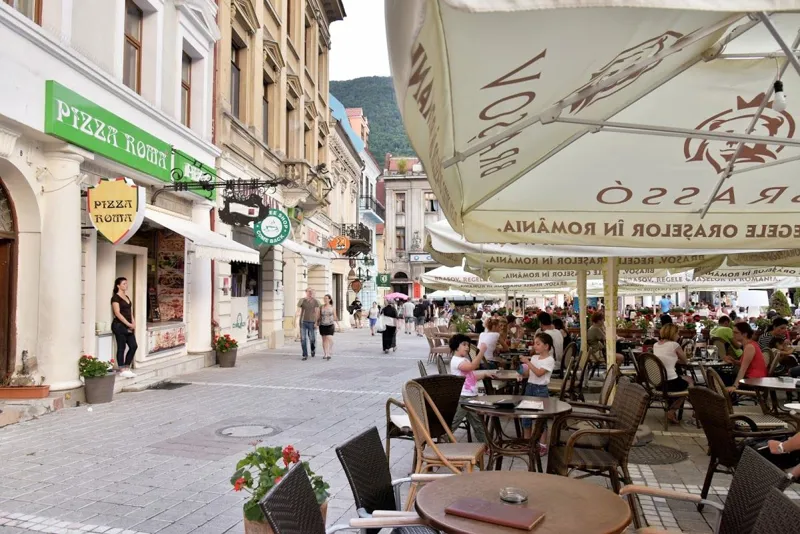
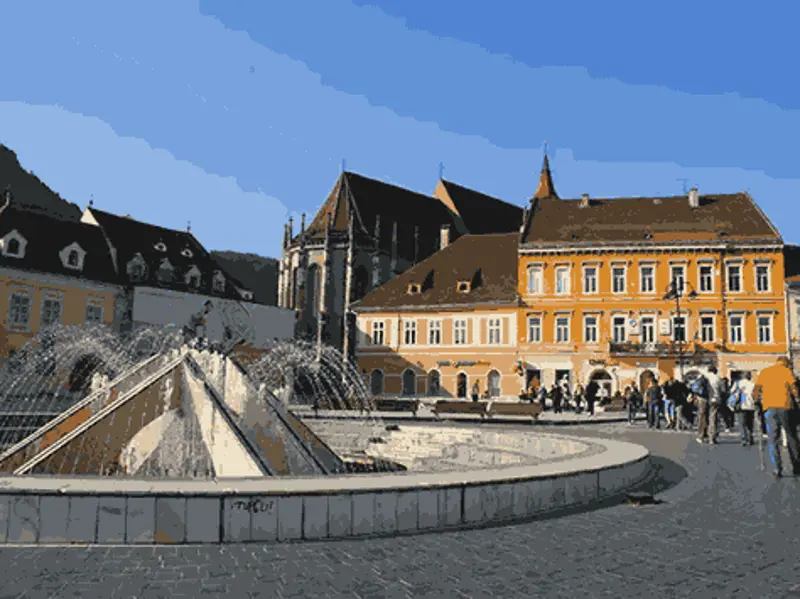
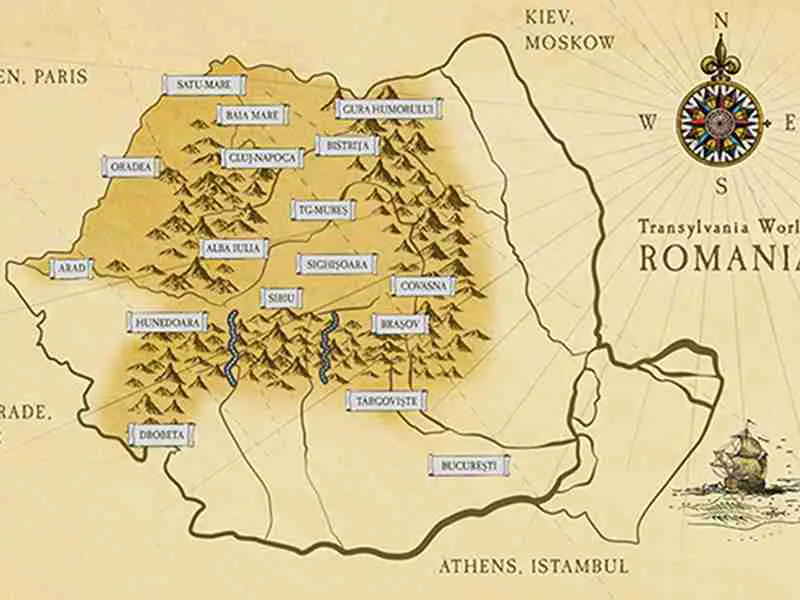
- Transylvania: Brașov, Sibiu, Sighișoara
- Museums and exhibitions dedicated to Gothic architecture
Conclusion
Gothic architecture remains a symbol of medieval craftsmanship, fascination with detail, and European cultural tradition, keeping alive the aesthetics and mystery of the era.