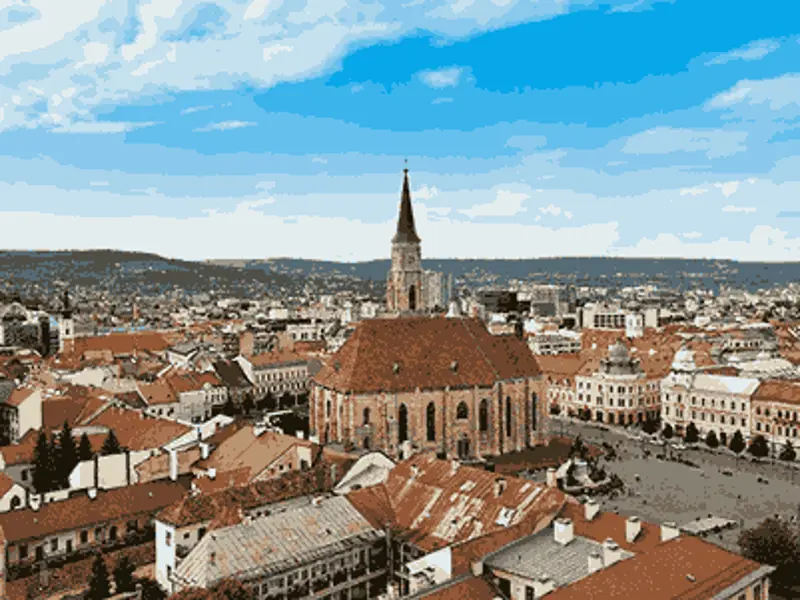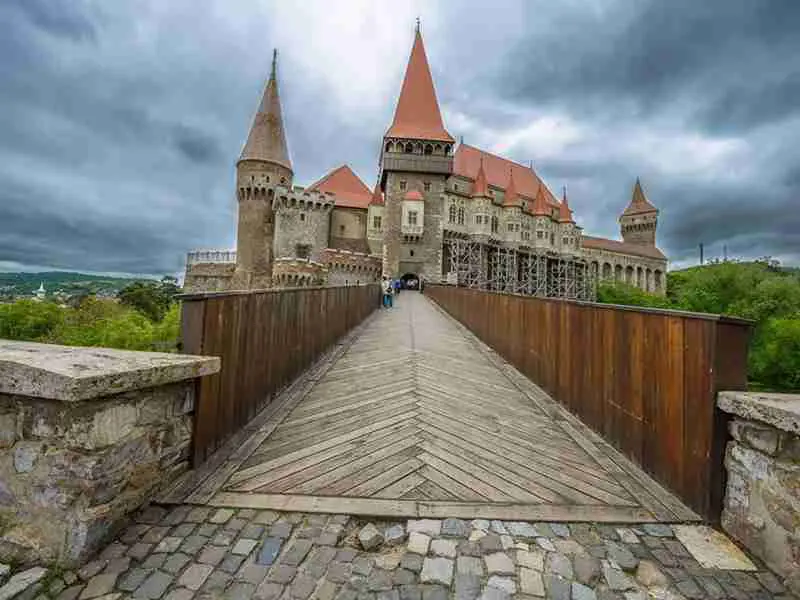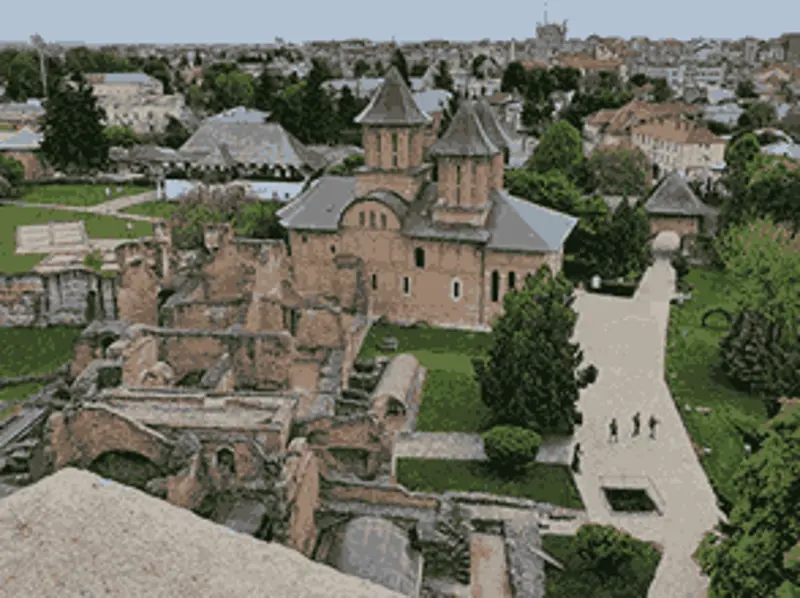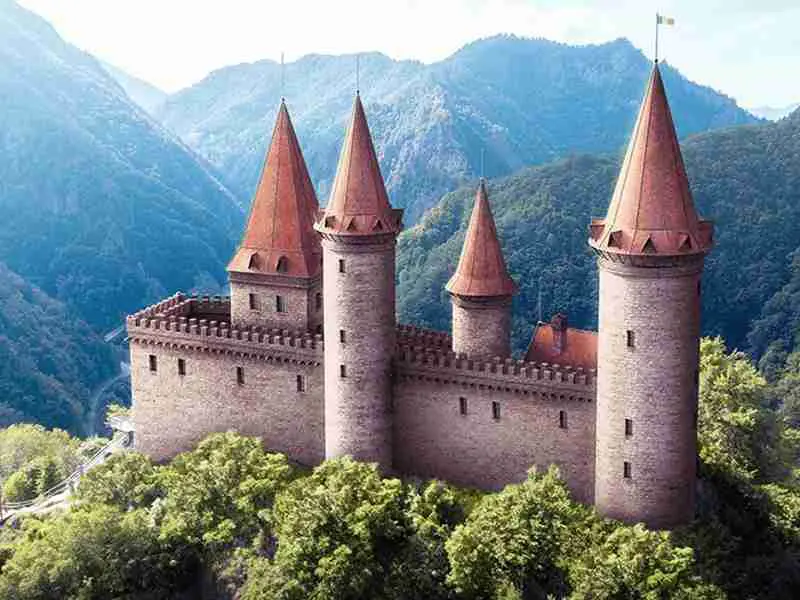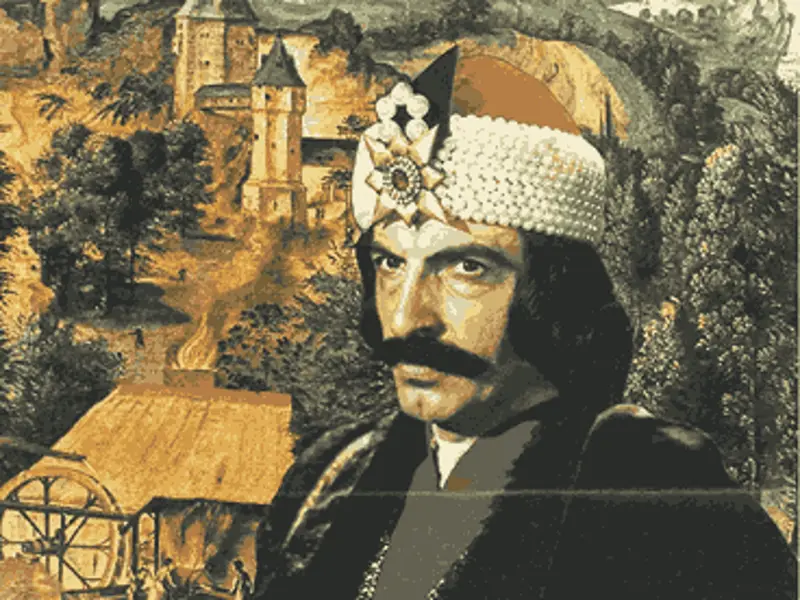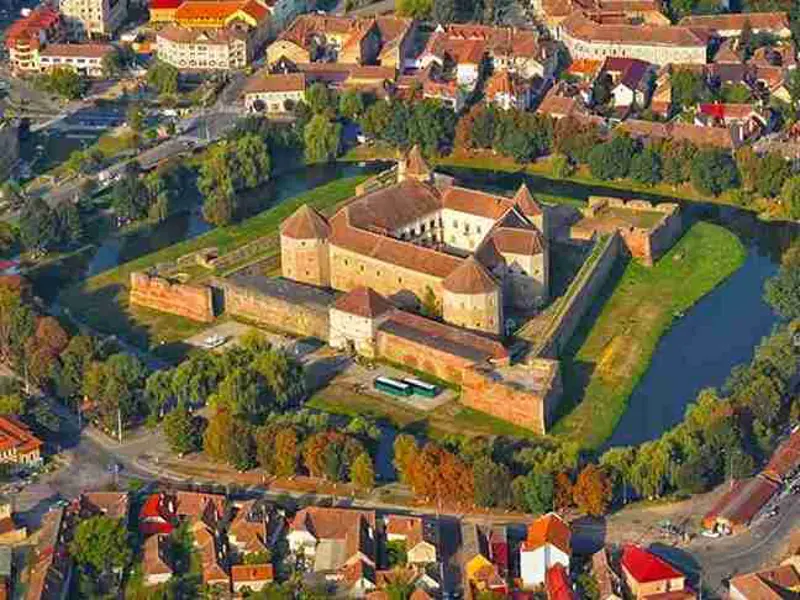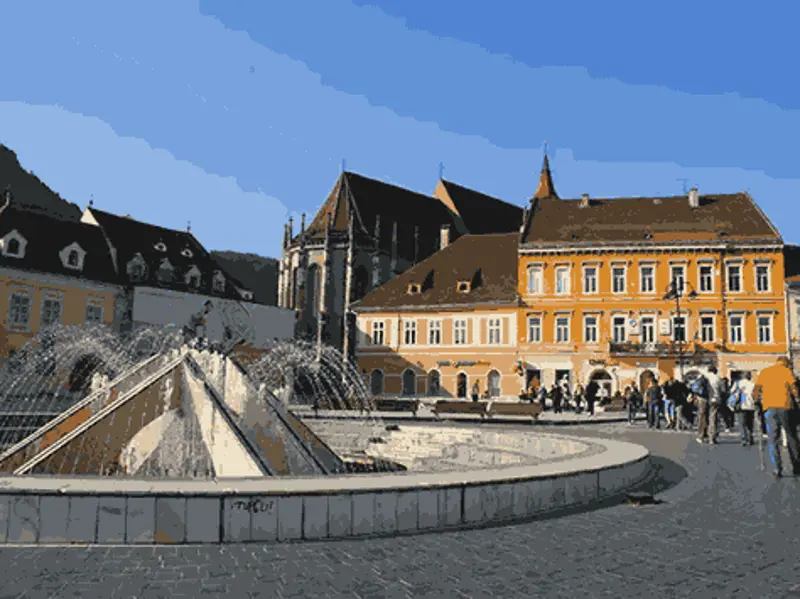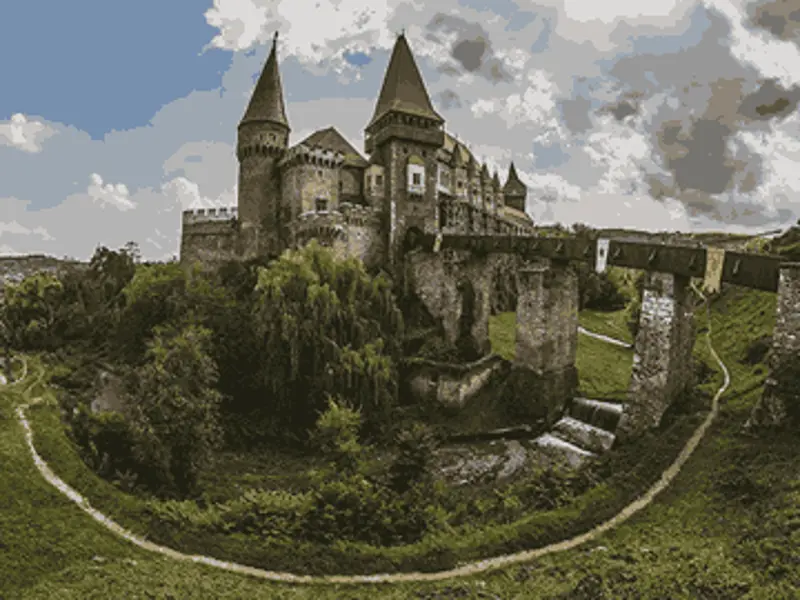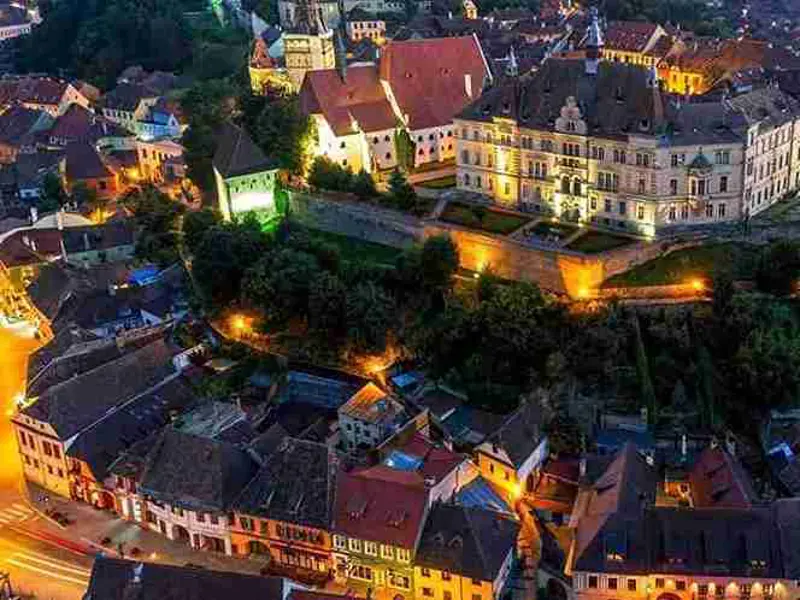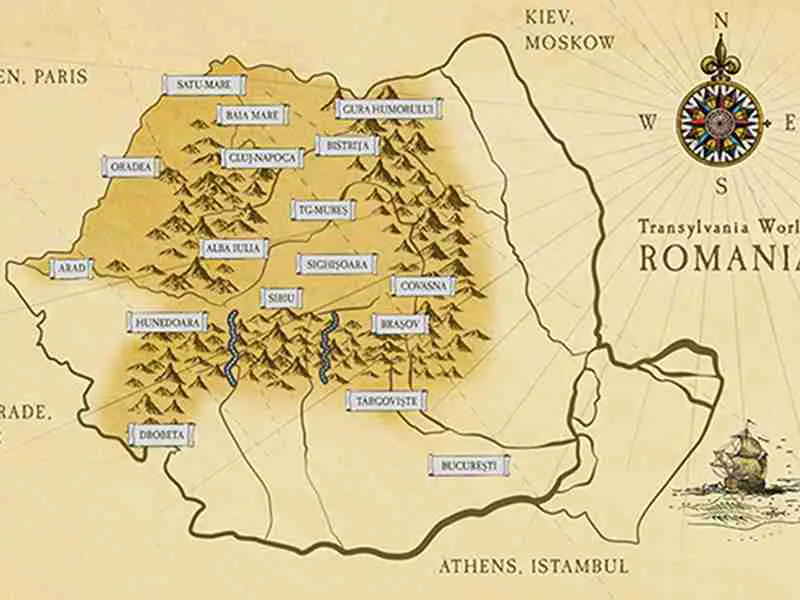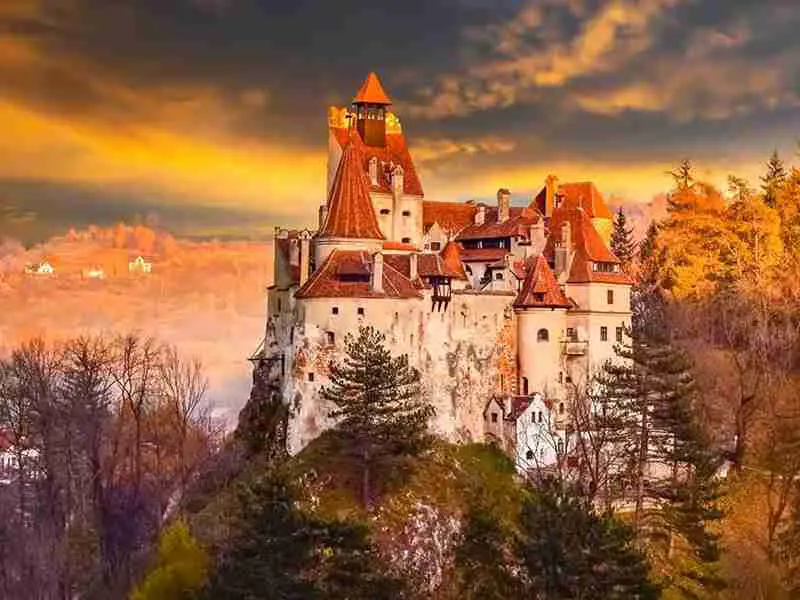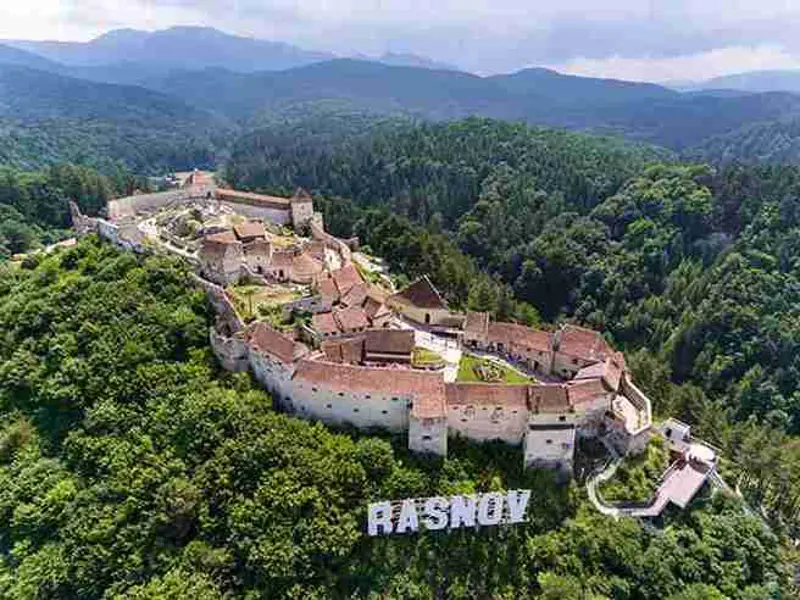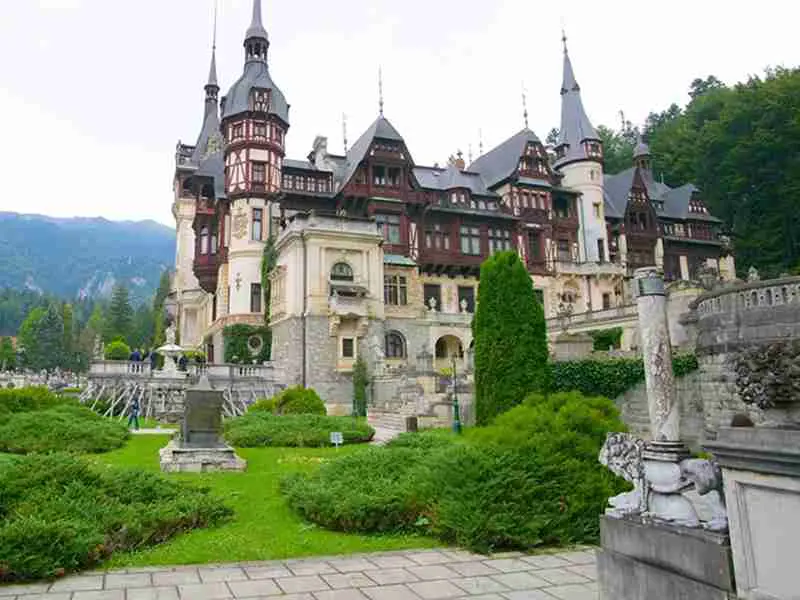
Gothic culture left a strong mark on architecture, recognizable by its high arches, pointed arches, and impressive stained glass windows. Medieval monuments, cathedrals, and churches built in this style reflect the cultural influences of the Middle Ages, combining functionality with aesthetics. Transylvania, with its fortified fortresses and churches, preserves impressive examples of Gothic architecture that continue to inspire artists and architects.
Who contributed to the development of Gothic architecture?
- Medieval architects and craftsmen
- Religious and noble communities
- Artisans specializing in sculpture and stained glass
What elements define the Gothic style?
- High arches and pointed arches
- Colorful stained glass windows with religious symbols
- Sculptural decor and ornamental details
How did the Gothic style spread?
- Through cathedrals and churches built in Europe
- Through manuscripts and illustrated literary works
- Through the commercial and cultural influences of the era
Why is this influence important?
- Inspires contemporary architecture and design
- Connects the past with the cultural present
- Keeps medieval traditions and symbols alive
Where can it be observed?
- Medieval Cathedrals and Churches in Europe
- Gothic Art Museums and Exhibitions
- Historical Monuments in Transylvania
Conclusion
The Gothic influence on architecture remains visible today, providing a connection between history, culture and creativity, preserving the fascinating medieval aesthetic in contemporary life.