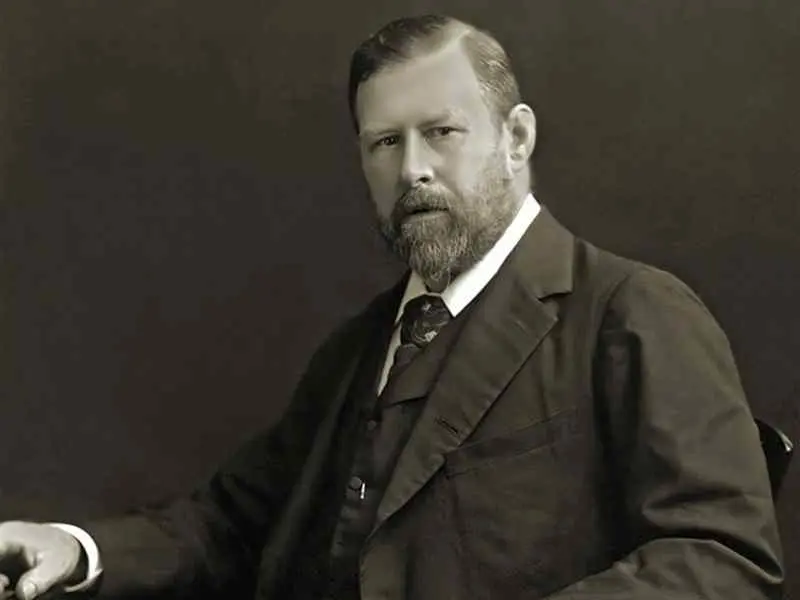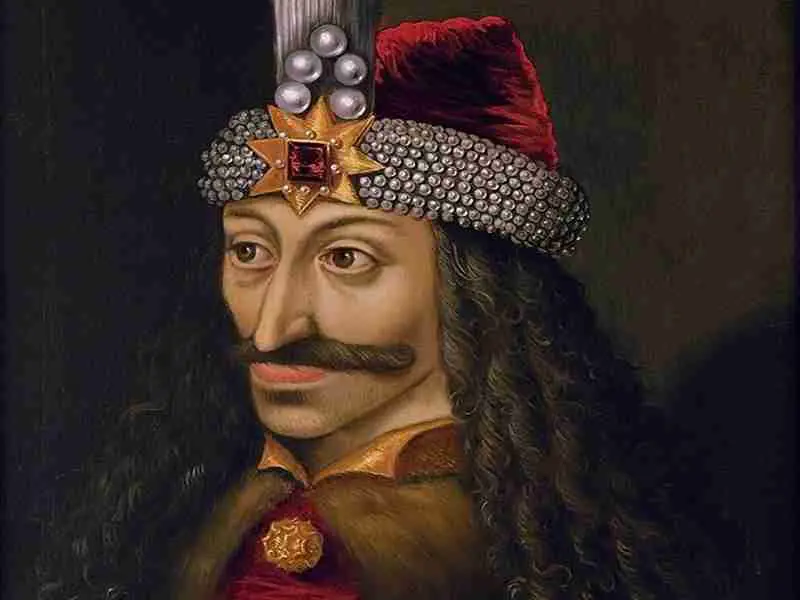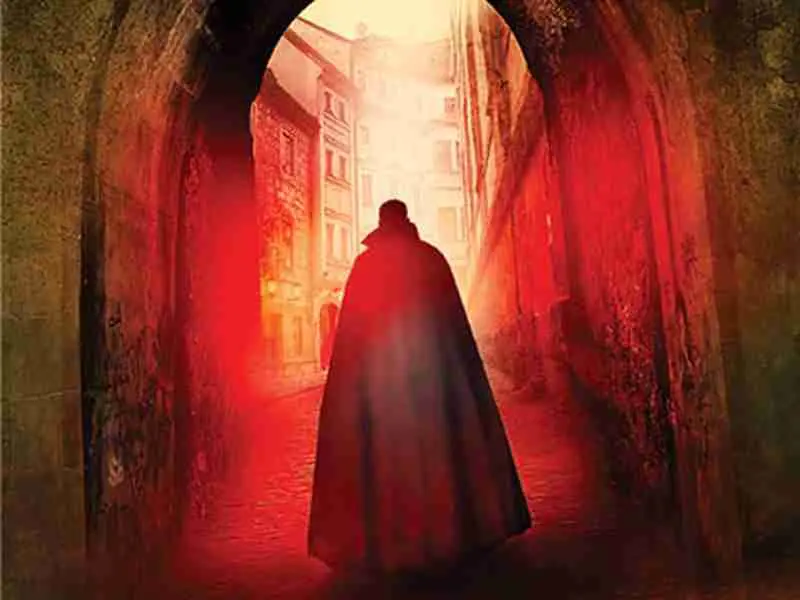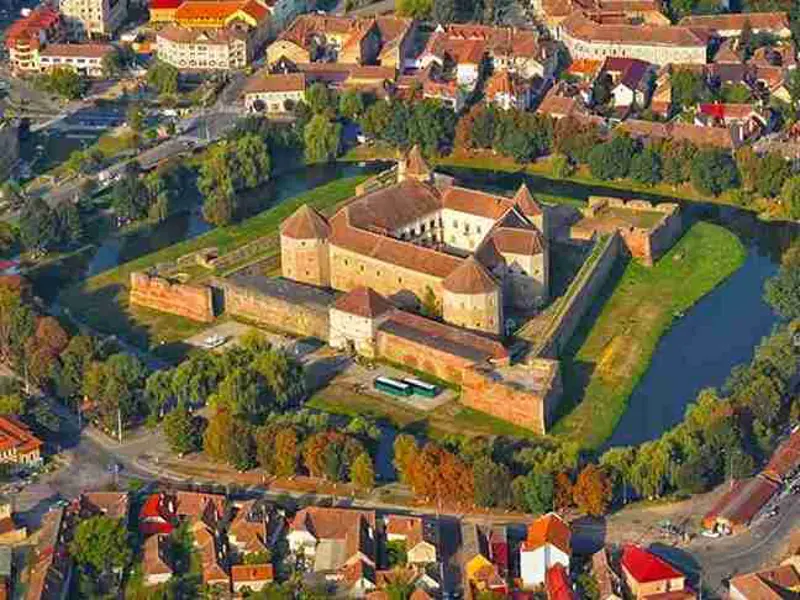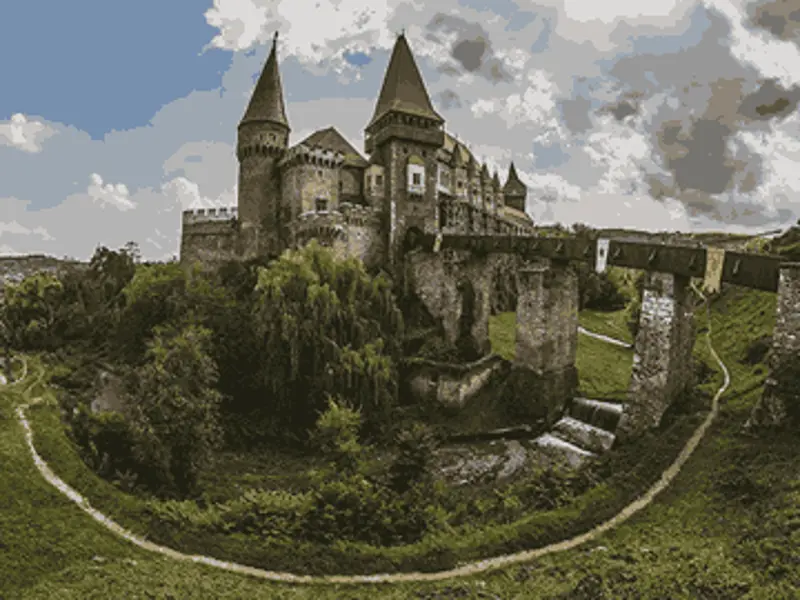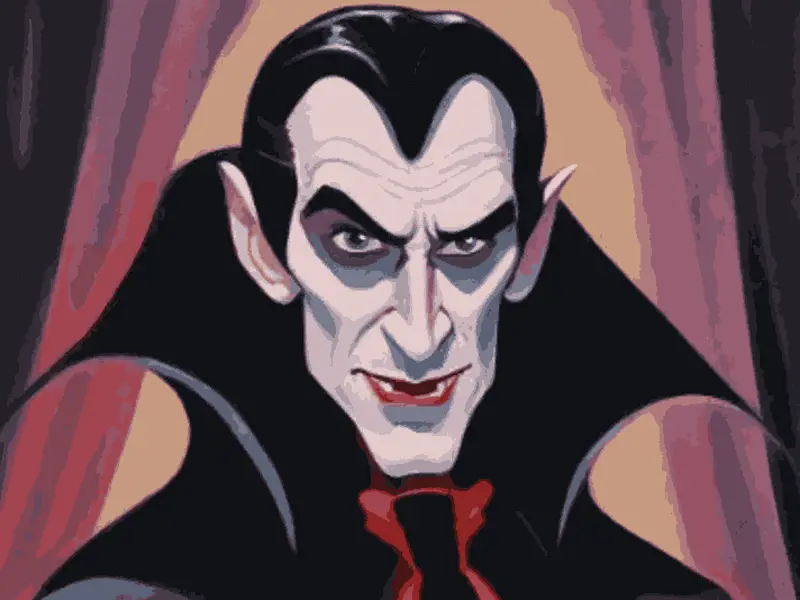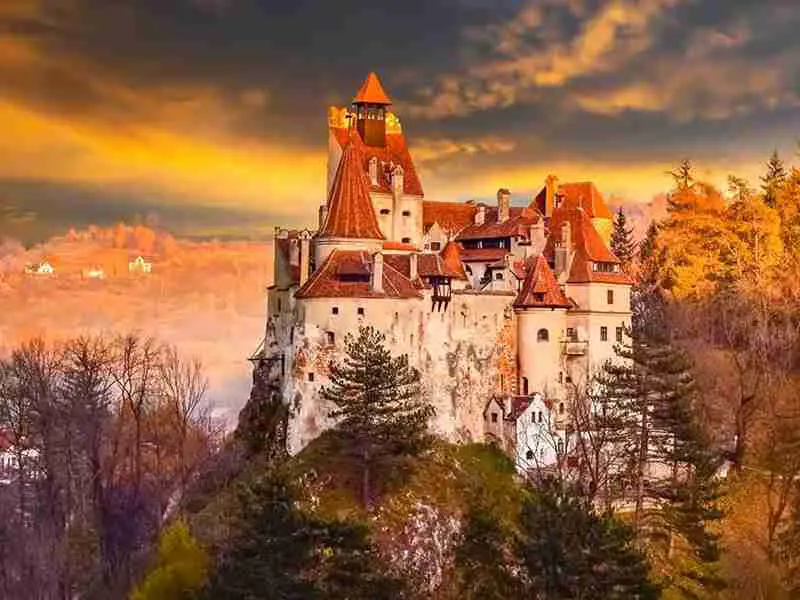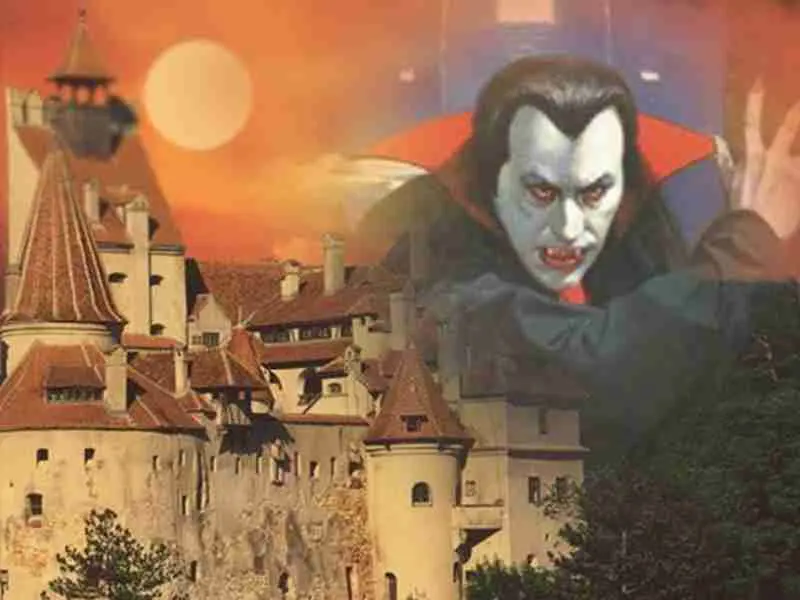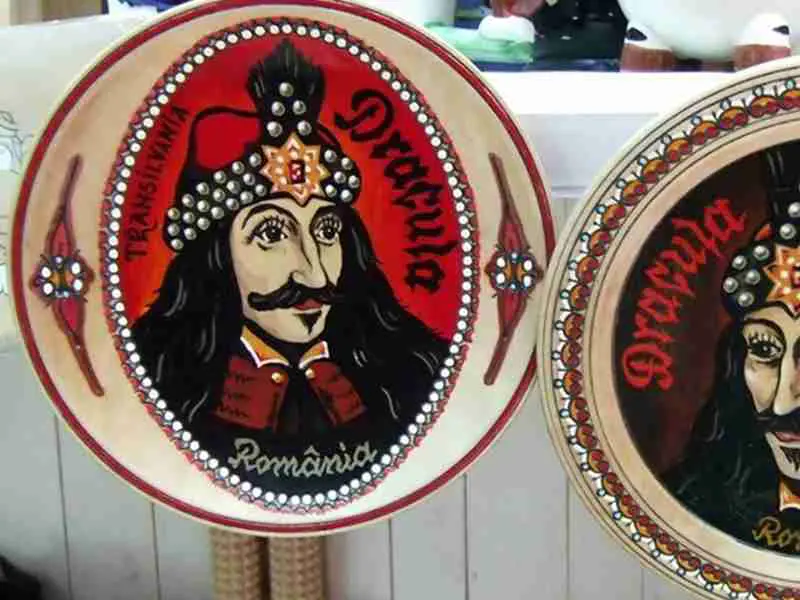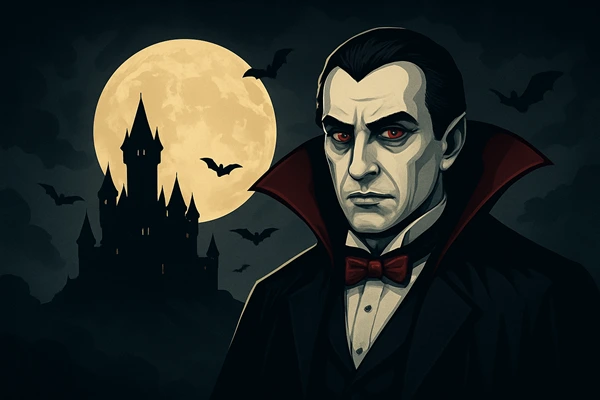
Gothic literature and poetry explore dark themes such as death, vampirism, and mystery, creating a specific atmosphere of the medieval and Gothic style. Authors such as Bram Stoker and Edgar Allan Poe combined folklore with imagination, influencing entire generations of writers and readers. Gothic poetry uses symbols and strong visual images to convey emotions and captivate the reader.
Who are the main authors?
- Bram Stoker – "Dracula"
- Edgar Allan Poe – Gothic stories and poems
- Mary Shelley – influence on Gothic horror
What Themes Does It Explore?
- Vampirism and Vampire Mythology
- Death, Darkness, and Mystery
- Religious Symbols and Superstitions
How does the Gothic style manifest itself?
- Detailed descriptions and dark atmosphere
- Complex characters and unsolved mysteries
- Visual symbols and metaphors
Why is Gothic literature important?
- Influences modern horror and fantasy literature
- Conveys universal emotions and themes
- Connects readers to historical traditions and myths
Where can it be found?
- Bookstores and libraries
- Gothic literature anthologies and collections
- Academic studies and literature courses
Conclusion
Gothic literature and poetry continue to inspire creativity, a fascination with mystery, and an interest in dark themes, keeping Gothic culture relevant and appreciated around the world.