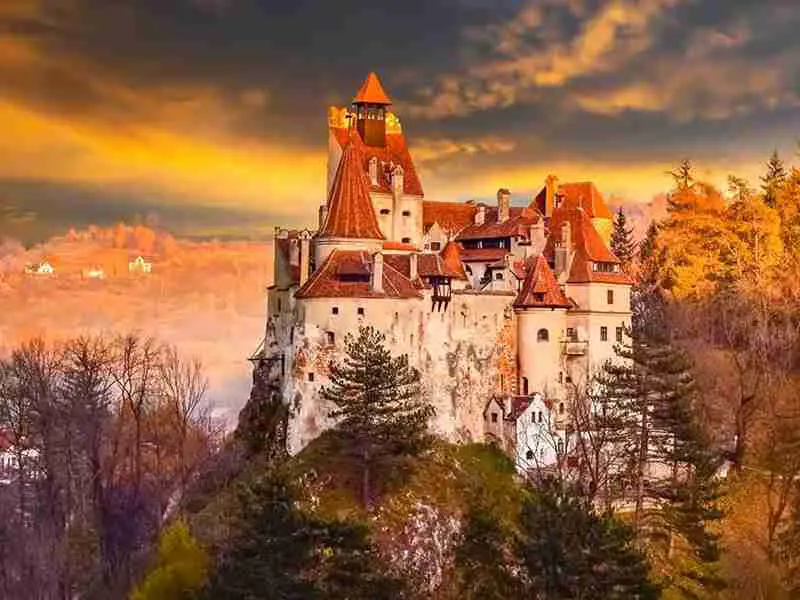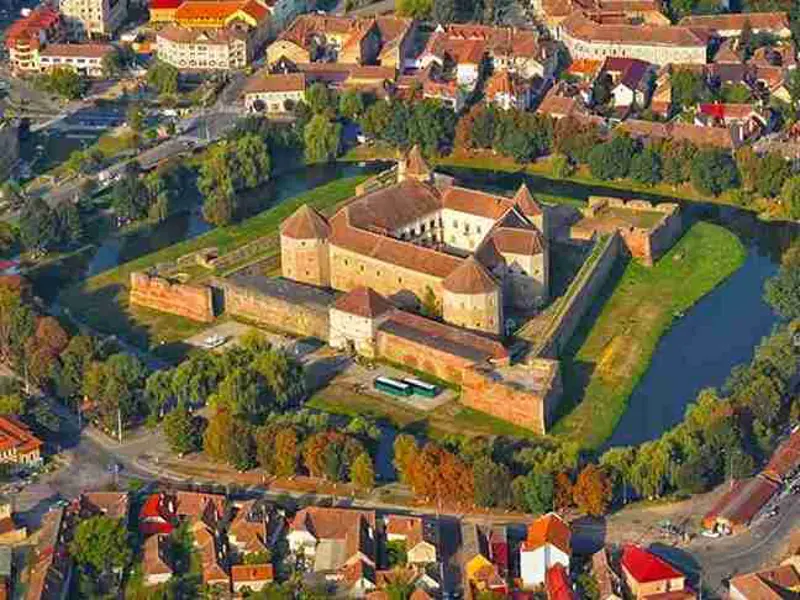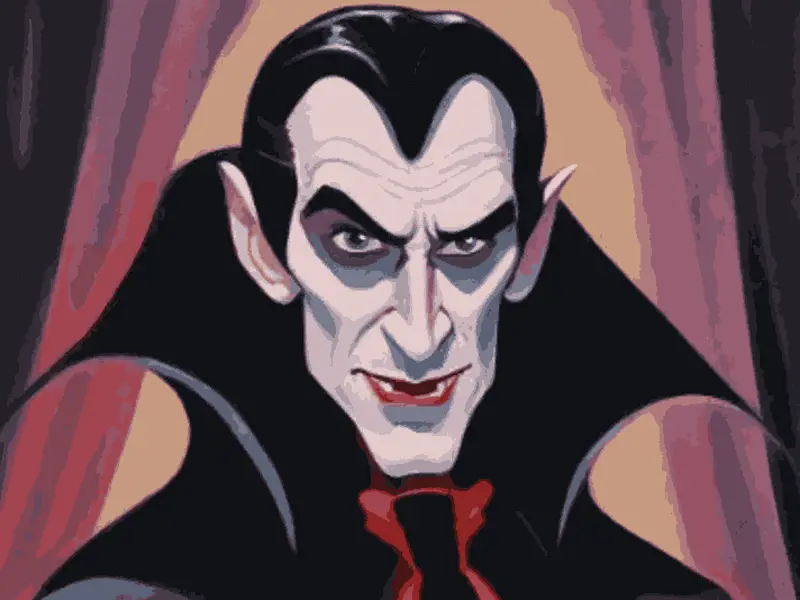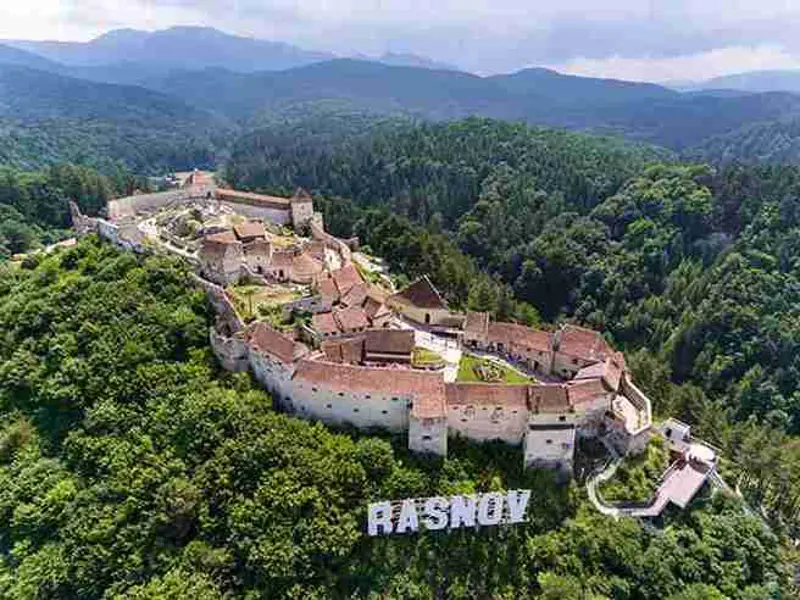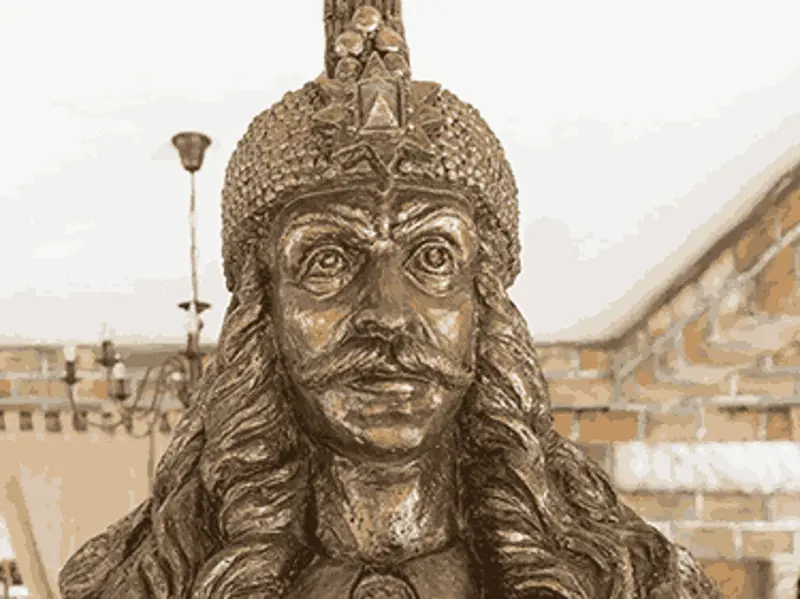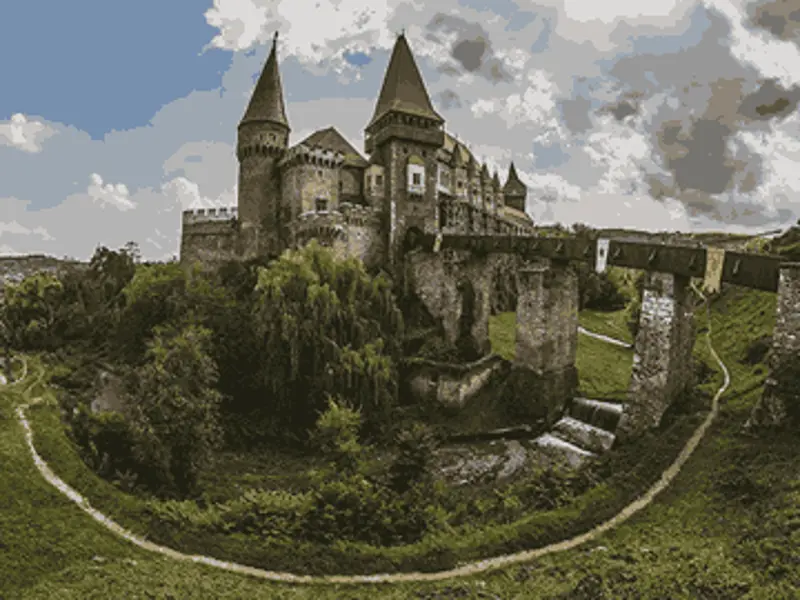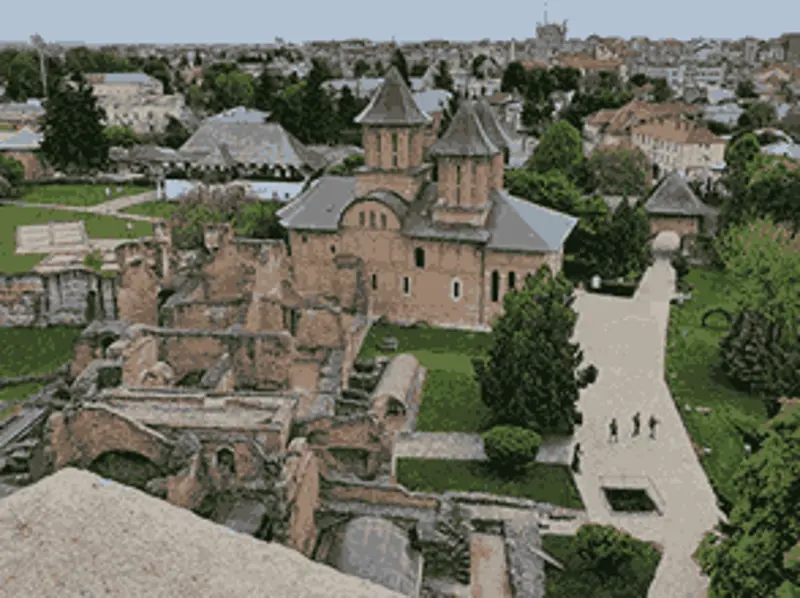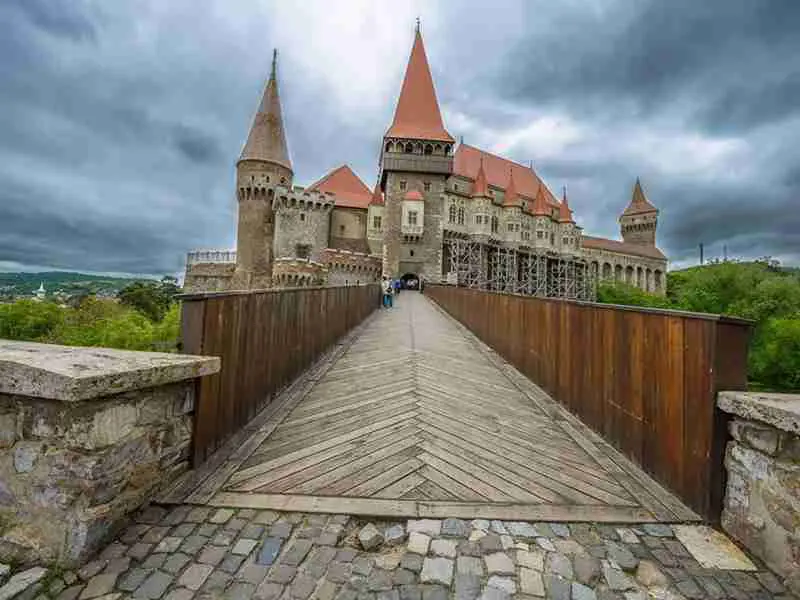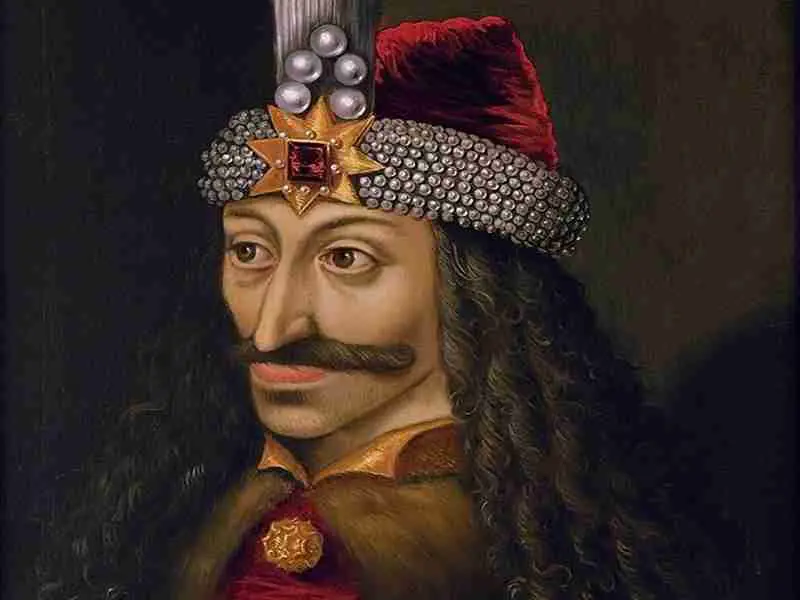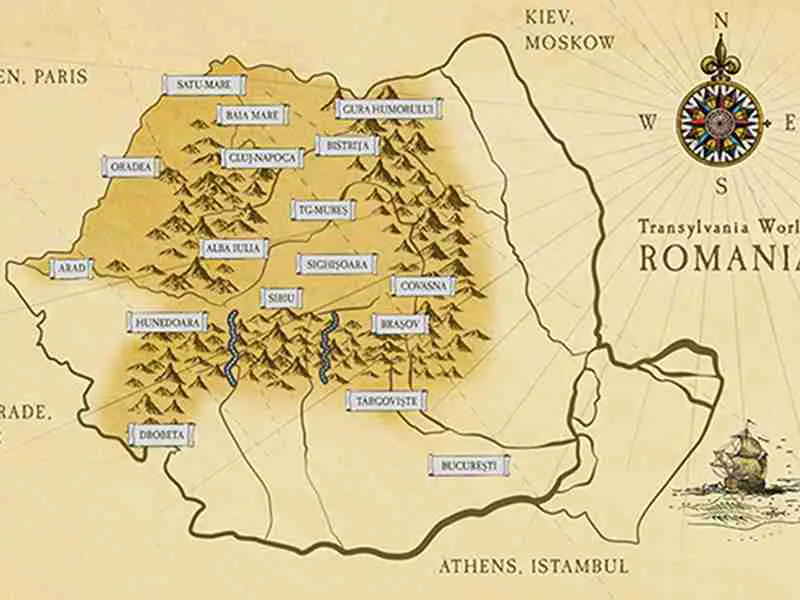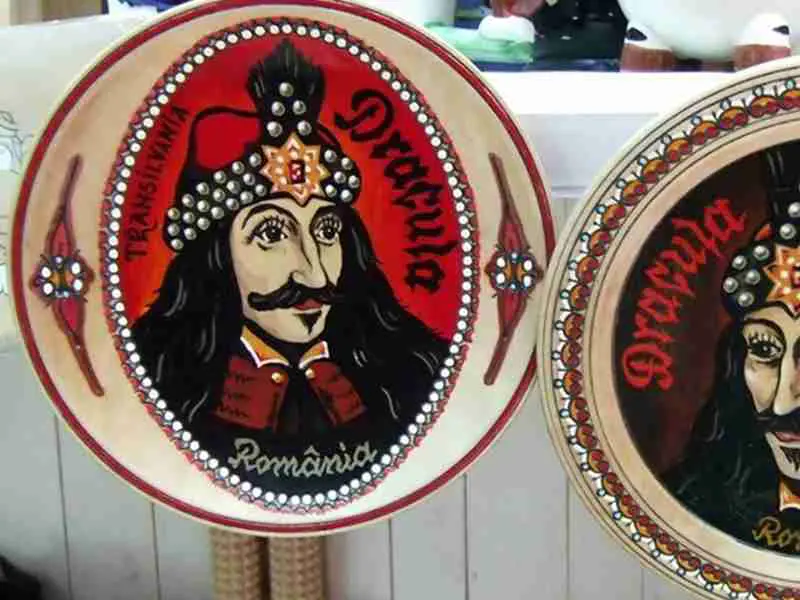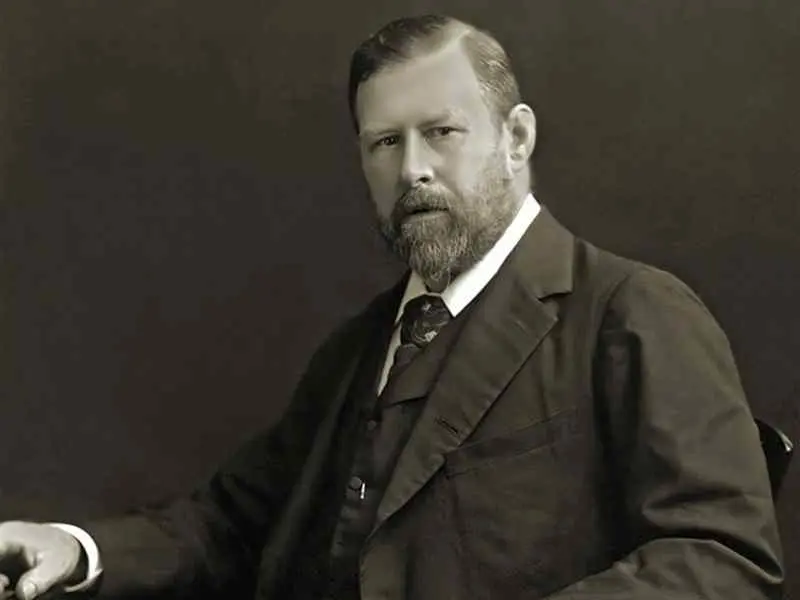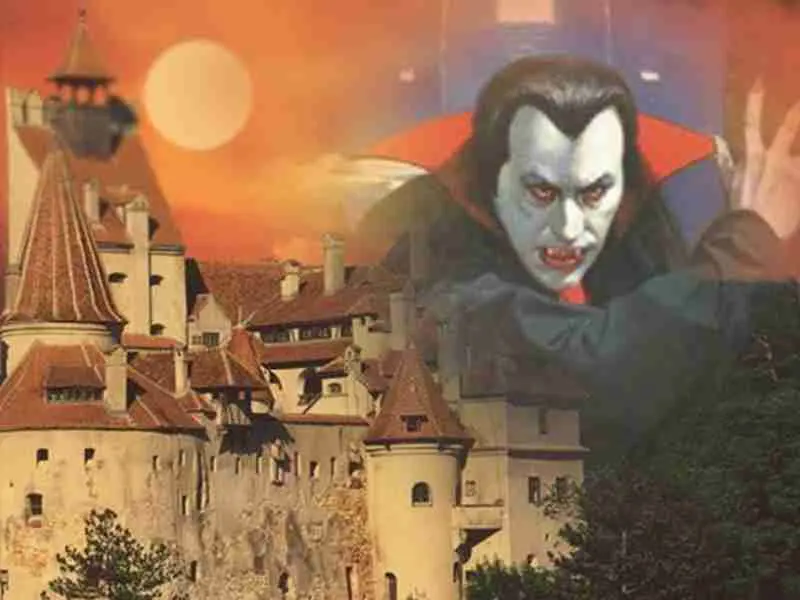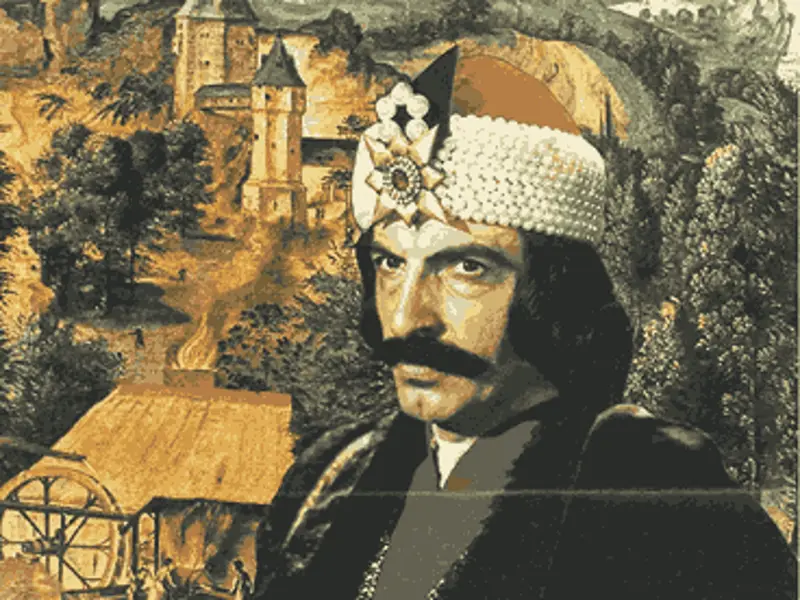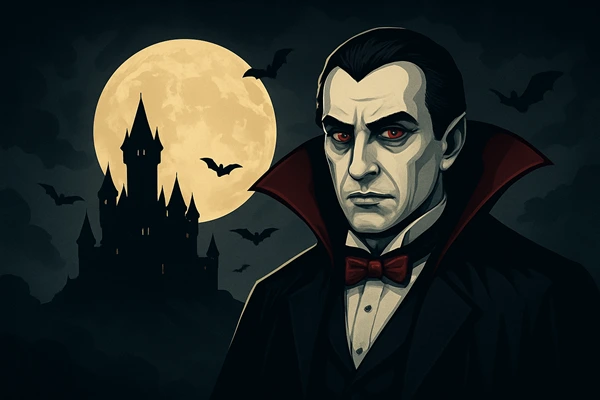
The vampire myth was not limited to Romanian folklore. Gothic literature took over these legends, transforming them into captivating stories for European audiences. Bram Stoker's novel "Dracula" defined the standards of vampirism in culture, and cinema popularized the image of the vampire, from classic films to modern productions, consolidating the myth throughout the world.
Who contributed to the evolution of the myth?
- Bram Stoker – the novel "Dracula"
- Classic and modern film directors
- Gothic and fantasy writers
What elements were added to the myth?
- Strong supernaturalism and extraordinary powers
- The vampire as a symbol of seduction and fear
- Thematic routes and tourist experiences Dracula Tour
How did it spread into global culture?
- Translations of the novel "Dracula" in numerous languages
- Movies and TV series inspired by vampires
- Themed events and festivals
Why are vampires fascinating?
- Mystery and supernatural elements
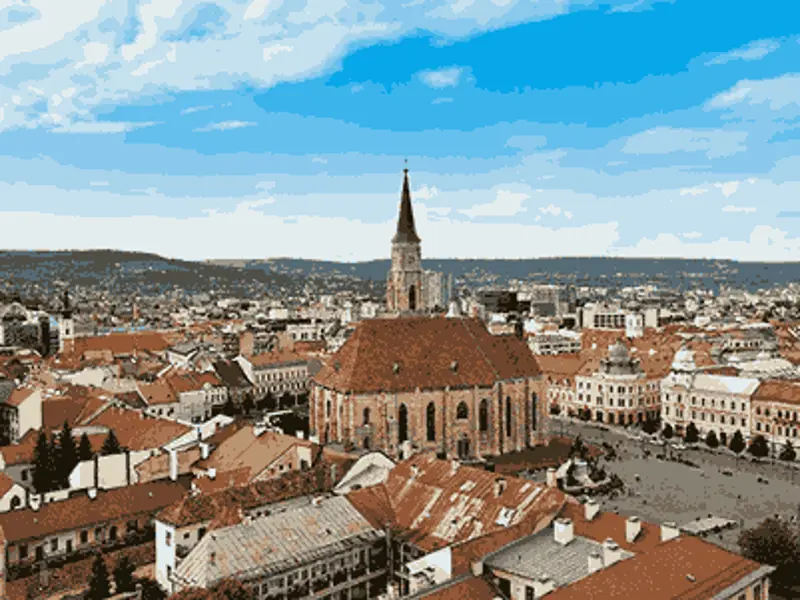
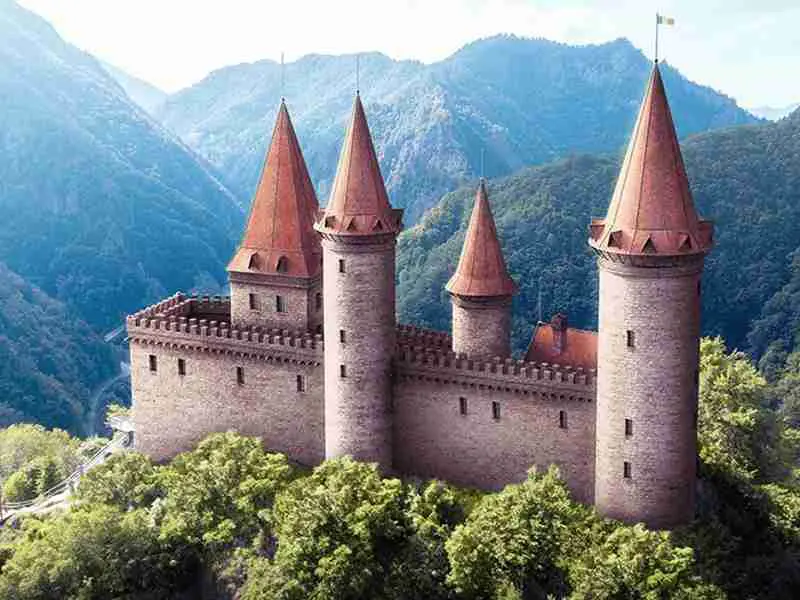
- Connection with Transylvanian history and traditions
- Intrigue and romance associated with vampirism
Where do we encounter the vampire myth today?
- Movies, TV series and video games
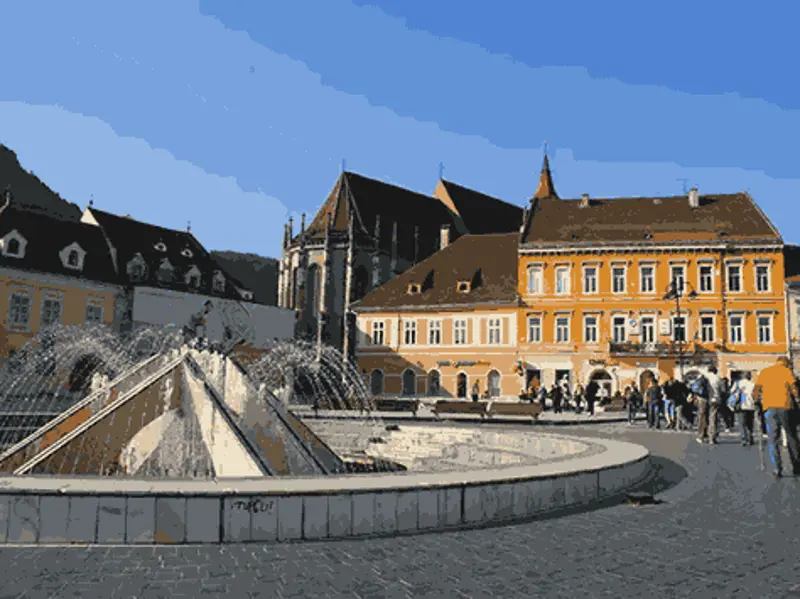
- Tourism and events in Transylvania
- Literary exhibitions and festivals
Conclusion
The vampire myth has moved from local legends to international literature and cinema, becoming a global cultural symbol. Today, the fascination with vampires combines history, mystery and entertainment, keeping the legends of Transylvania alive.