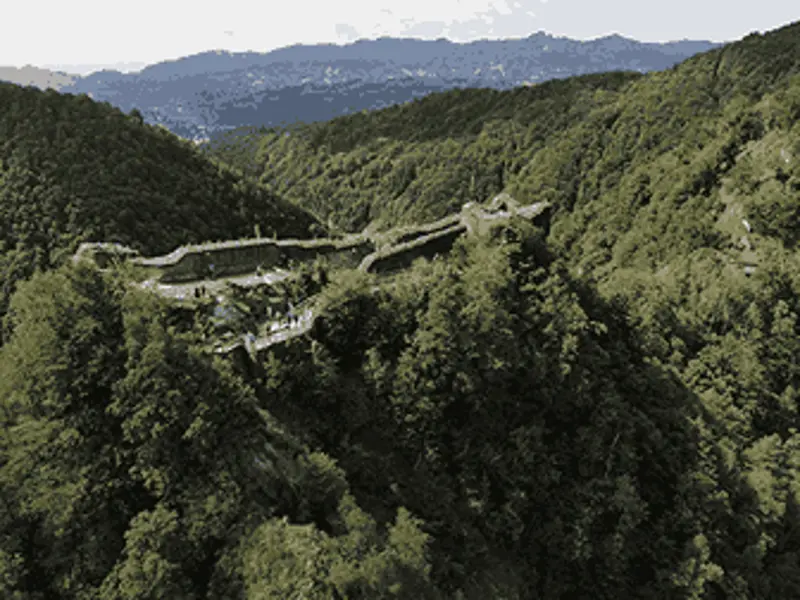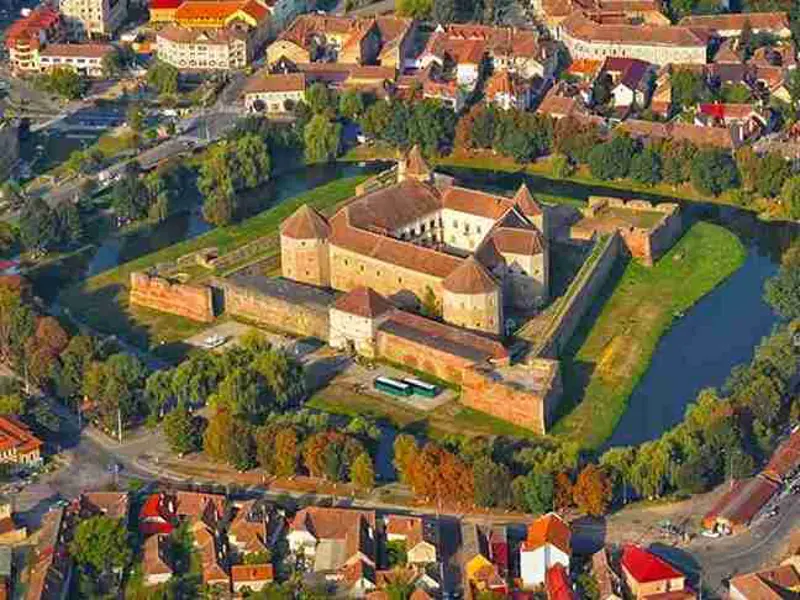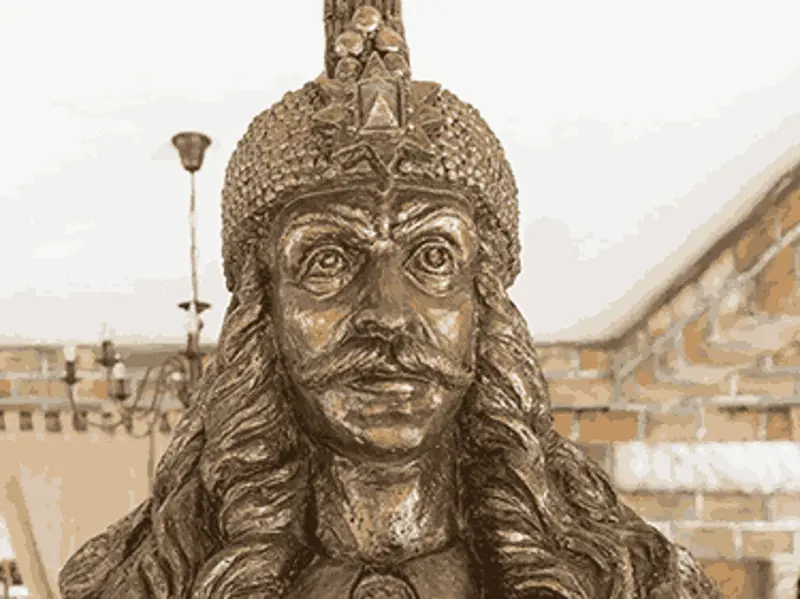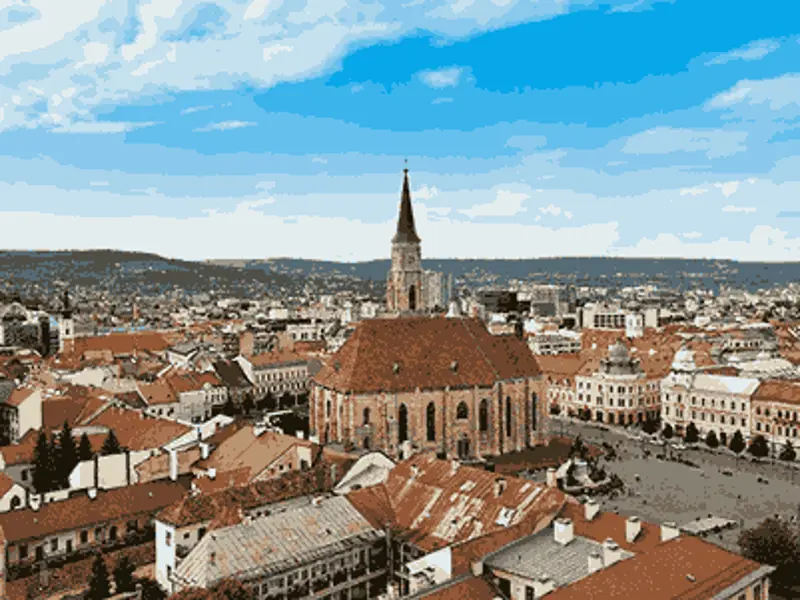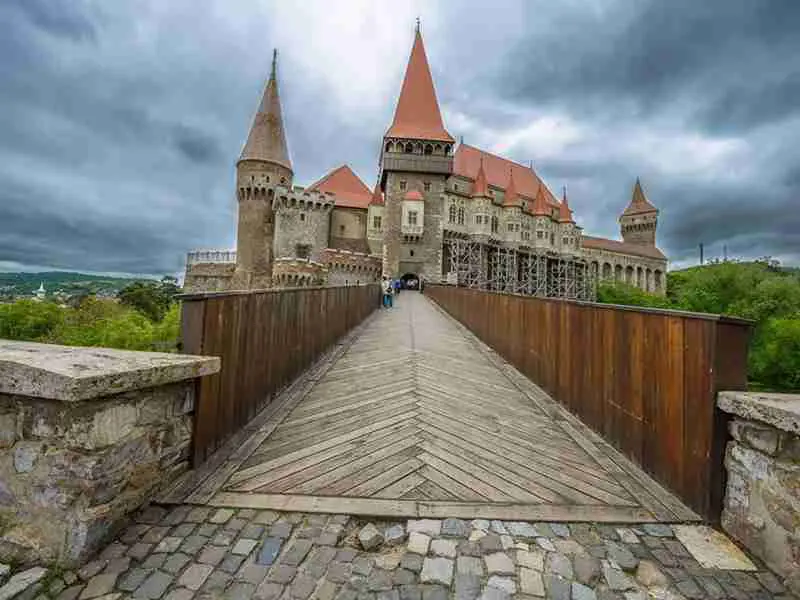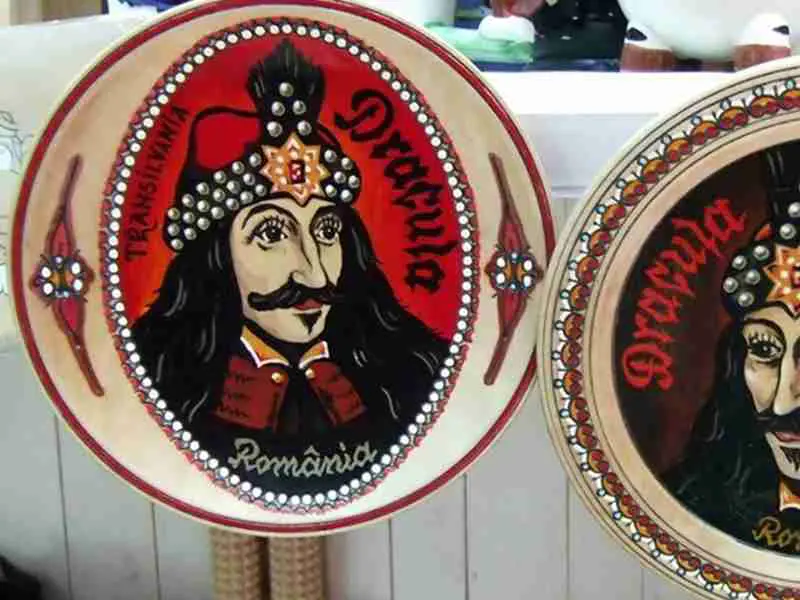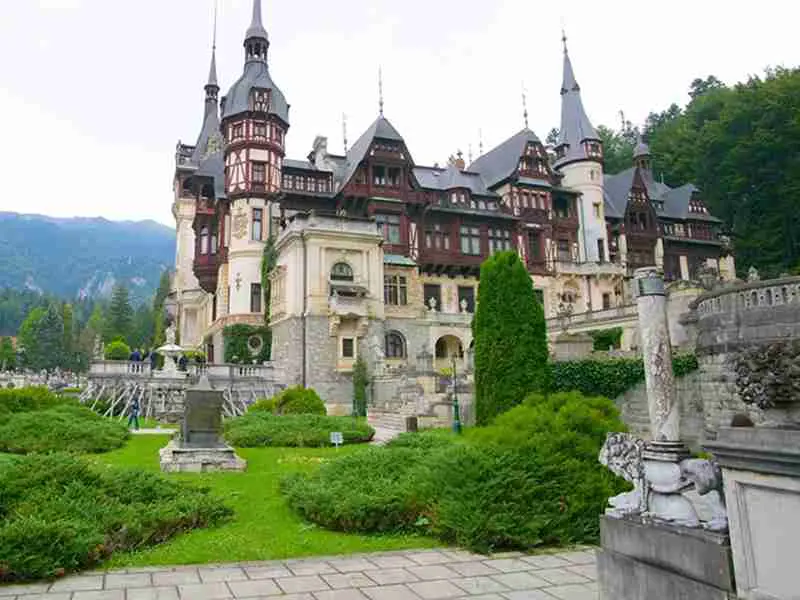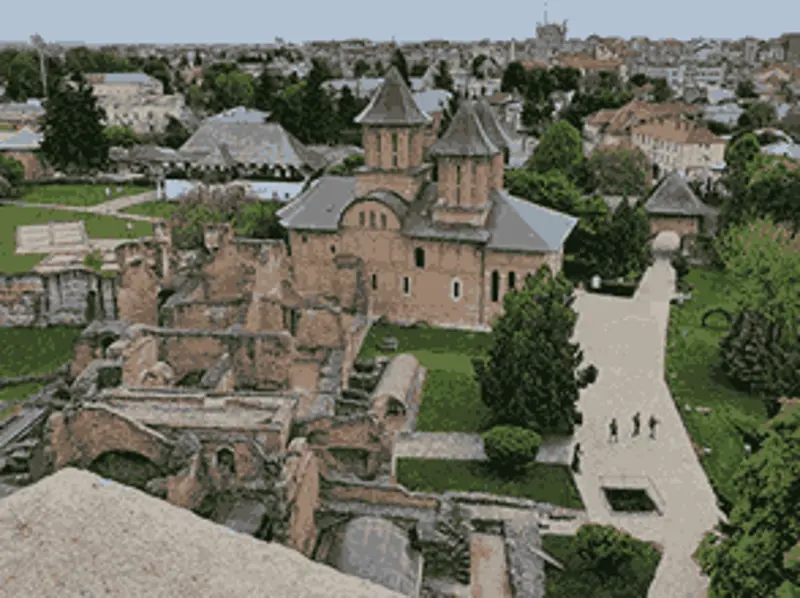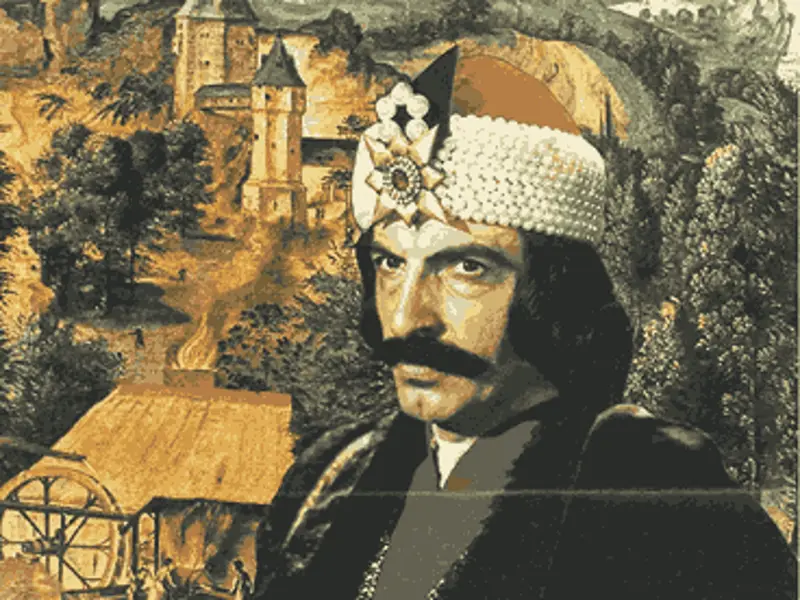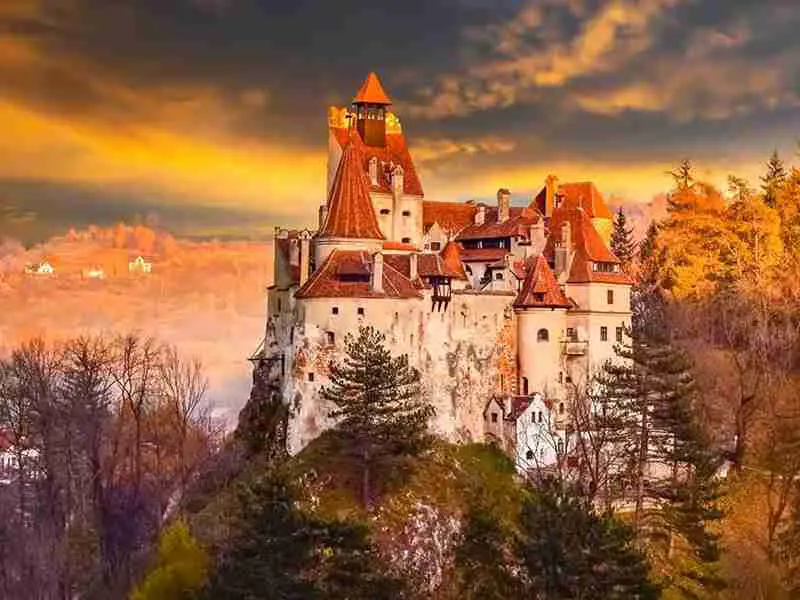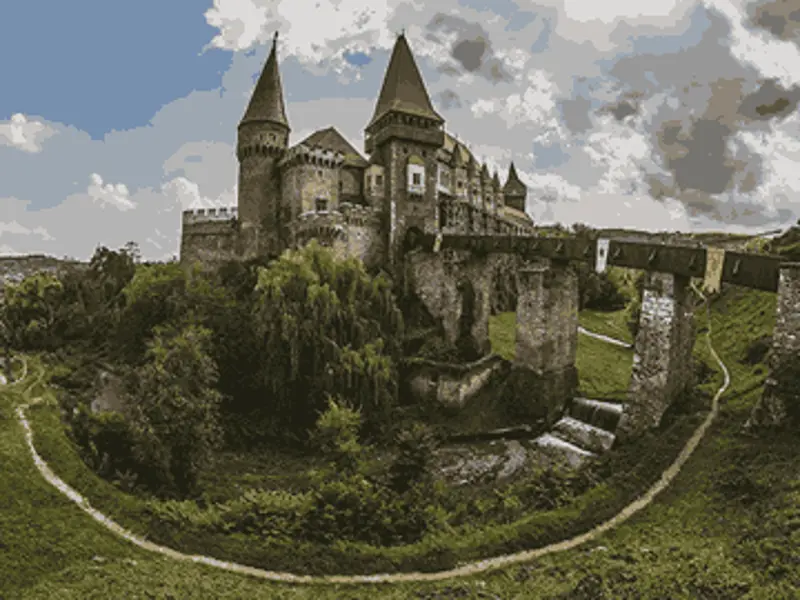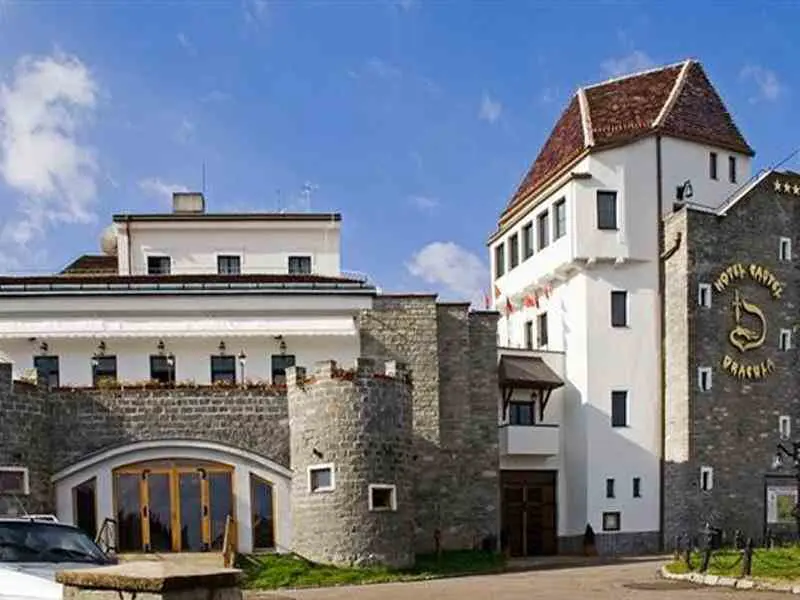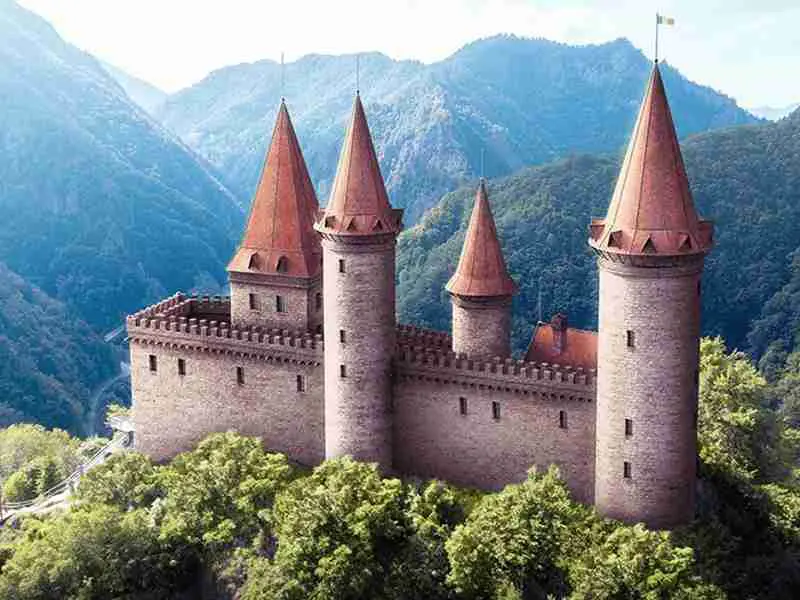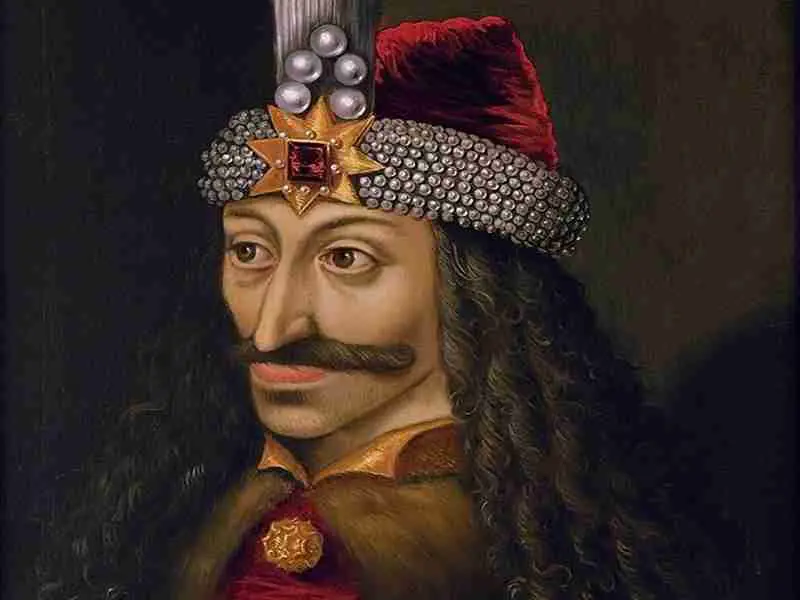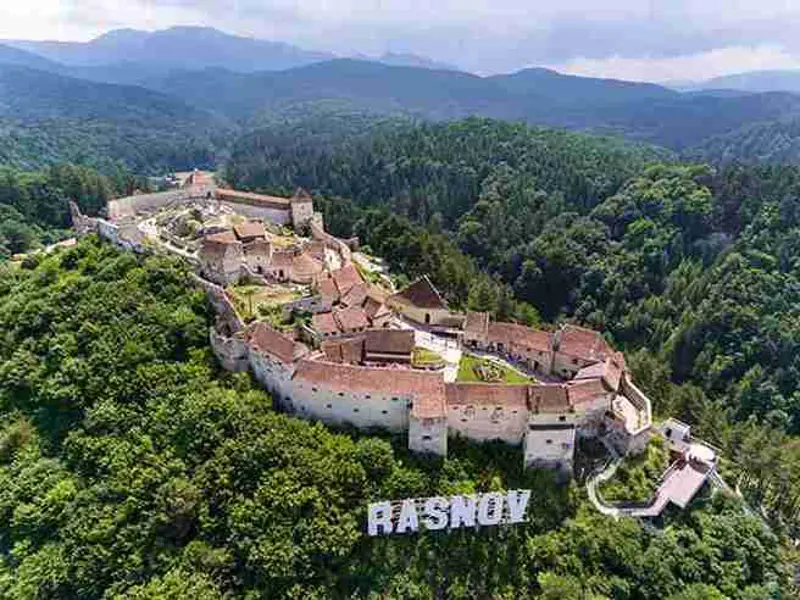
Vlad Țepeș left behind an impressive network of fortresses and fortifications. These structures played a strategic role, protecting the territory and controlling trade routes. His fortresses, some of which are now ruins, reflect the ruler's military prowess and concern for the safety of his inhabitants.
Who built the fortresses?
- Vlad Țepeș and his military advisors
- Local craftsmen for walls and fortifications
- Previous rulers who strengthened existing fortresses
What fortresses are associated with Vlad Țepeș?
- Poenari Fortress – emblematic fortress
- Târgoviște Fortress – medieval capital and royal court
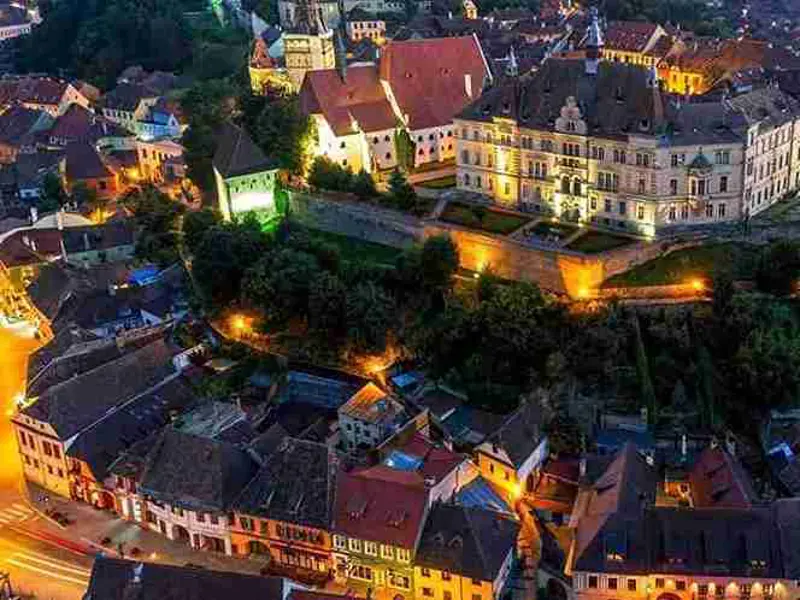
- Sighișoara – birthplace and active medieval fortress
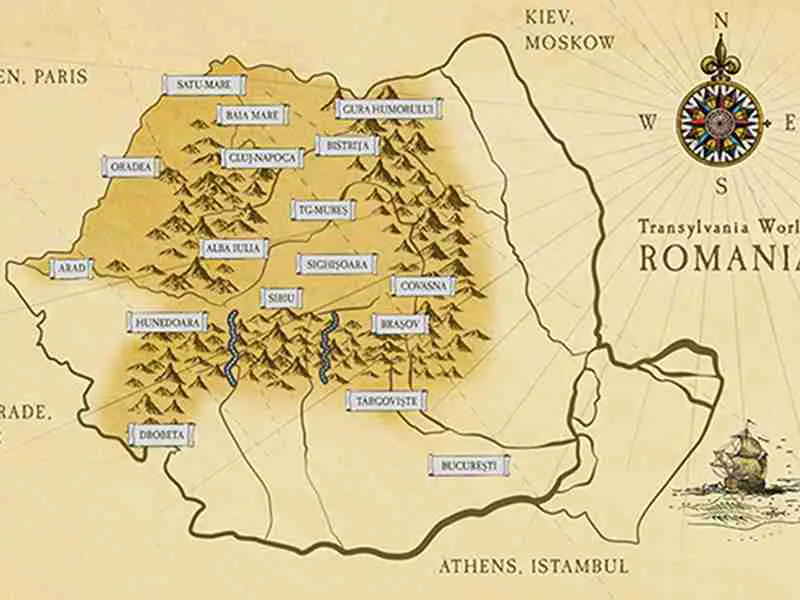
Where are they located?
- Argeș Mountains – Poenari Fortress
- Târgoviște and Curtea de Argeș Cities – Medieval Capitals
- Transylvania – Sighișoara and Other Secondary Fortresses
Why were they important?
- Defense against invaders
- Control of trade routes and territory
- Symbol of the ruler's power and authority
Conclusion
Vlad Țepeș's fortresses are witnesses to a complex medieval era, where power and strategy intertwined with legend. Visiting these fortifications offers an authentic insight into the life and legacy of Prince Dracula.