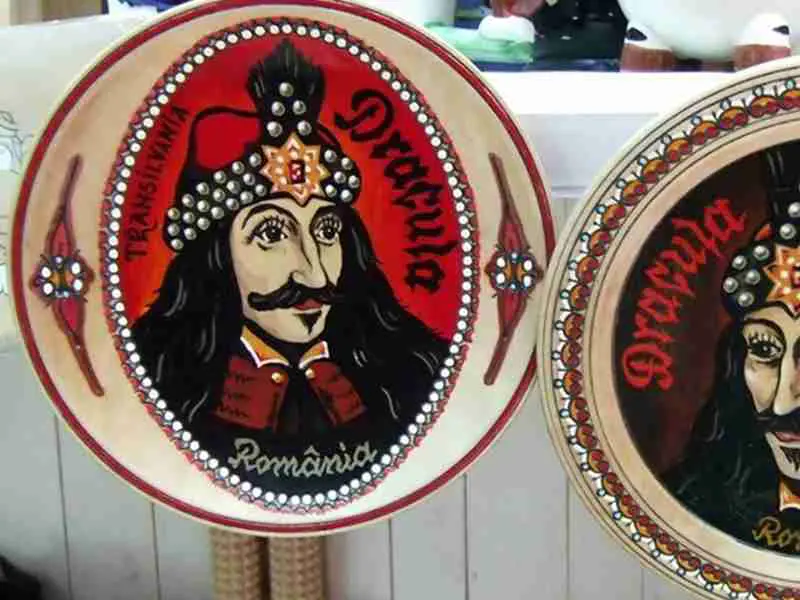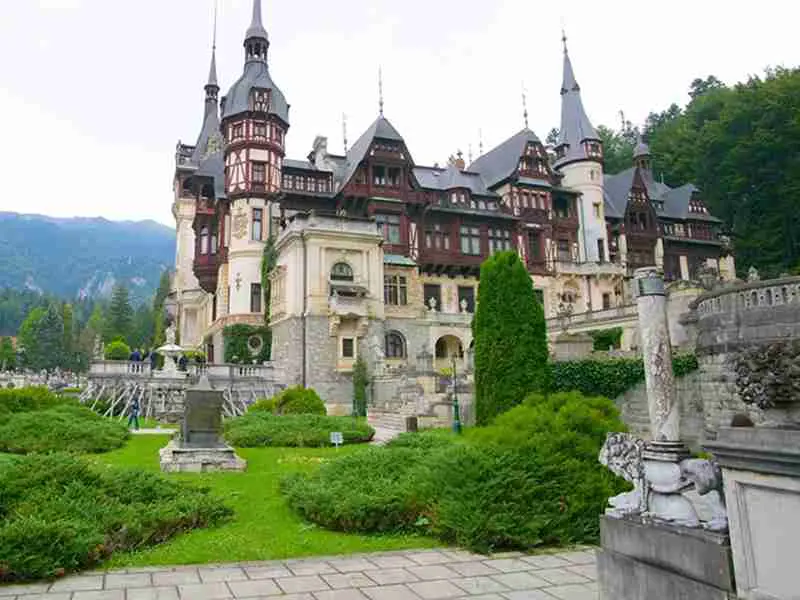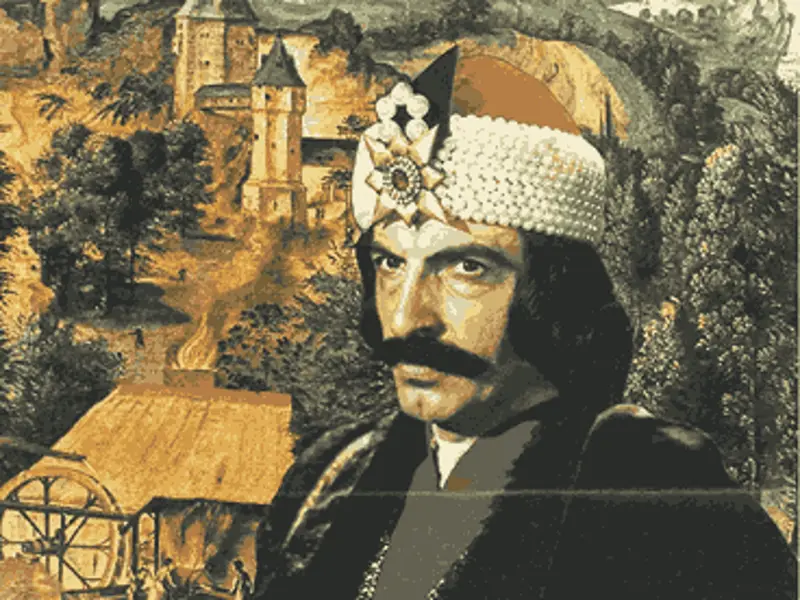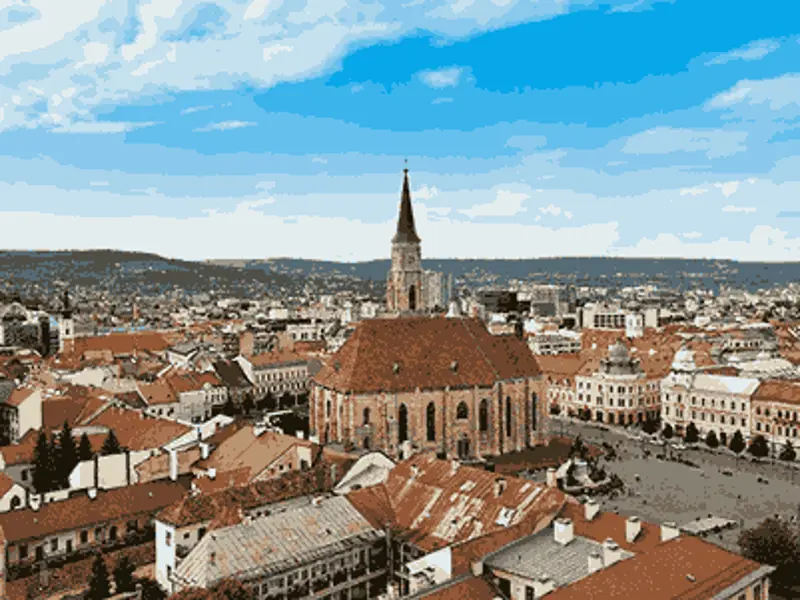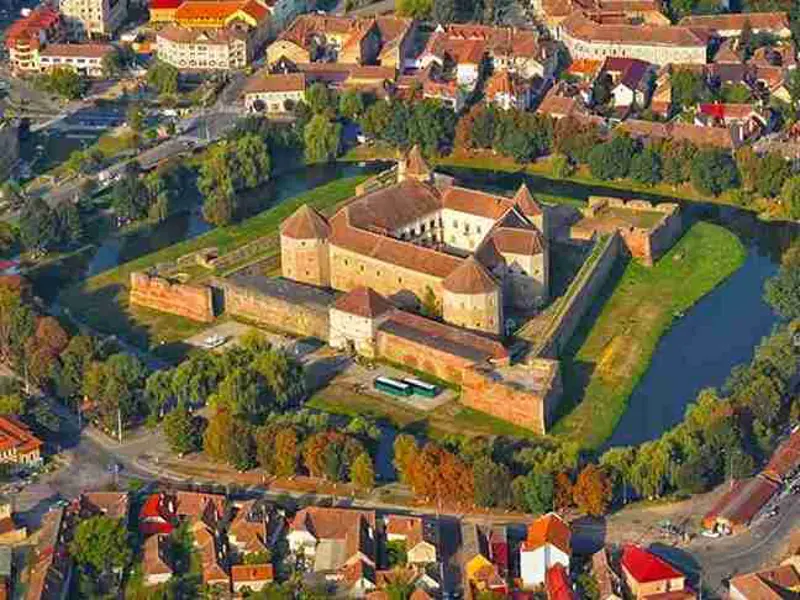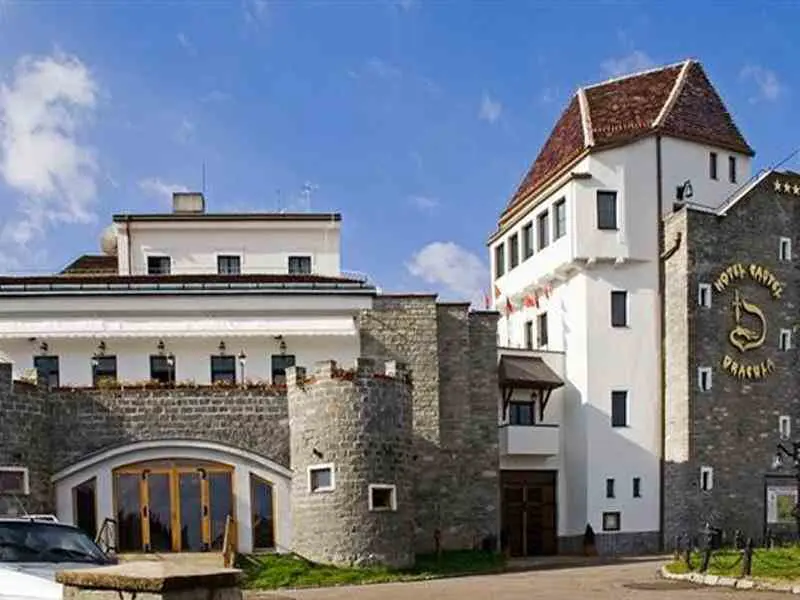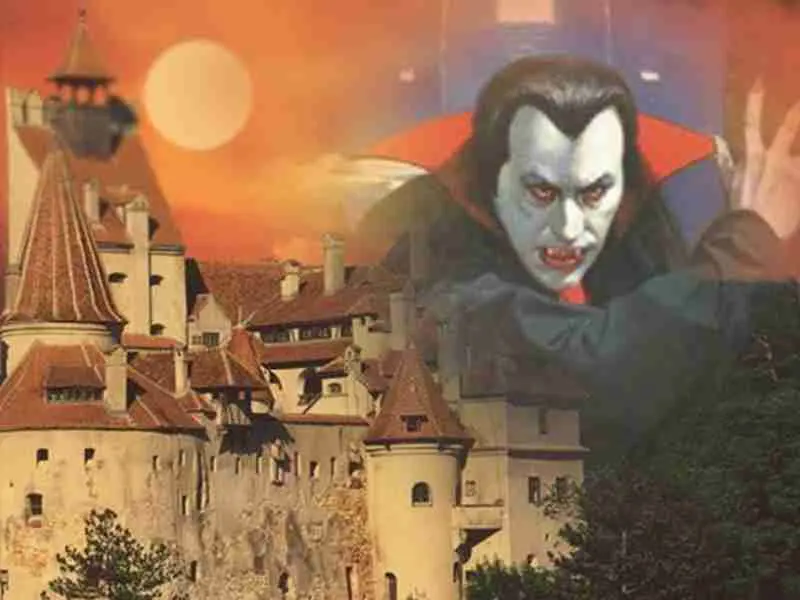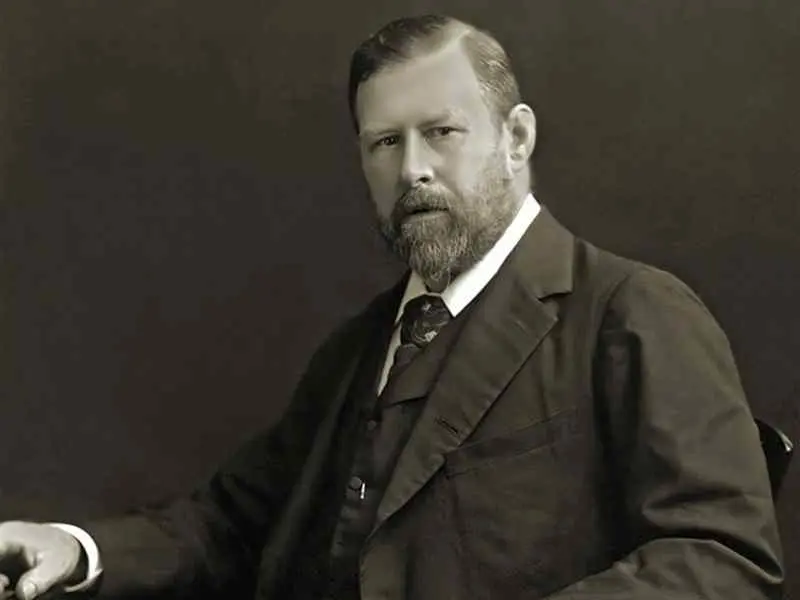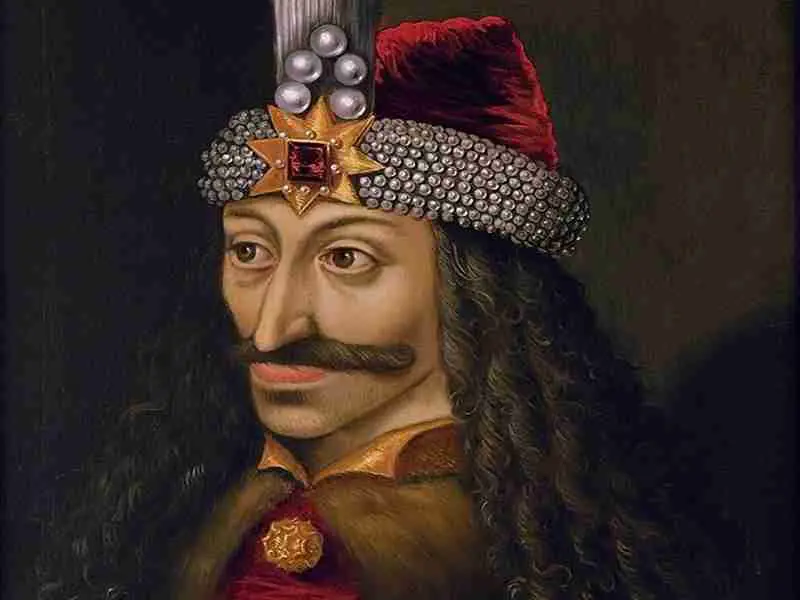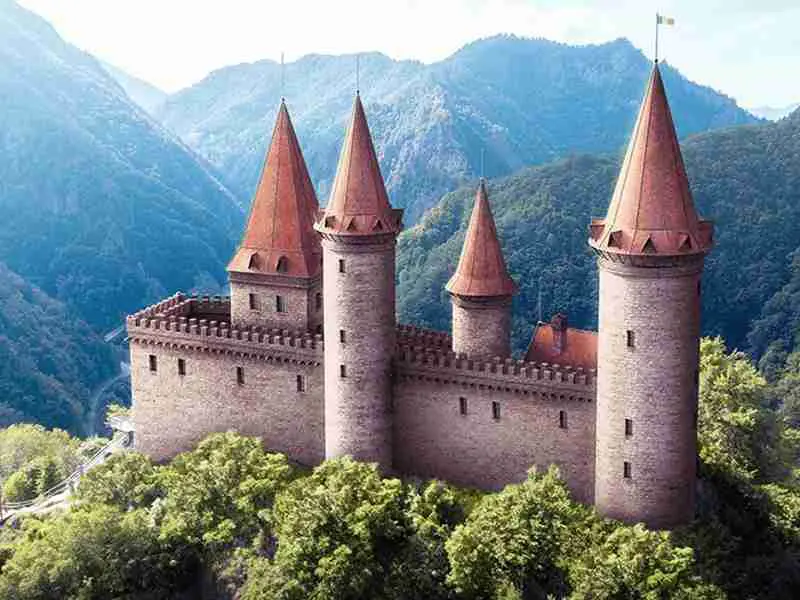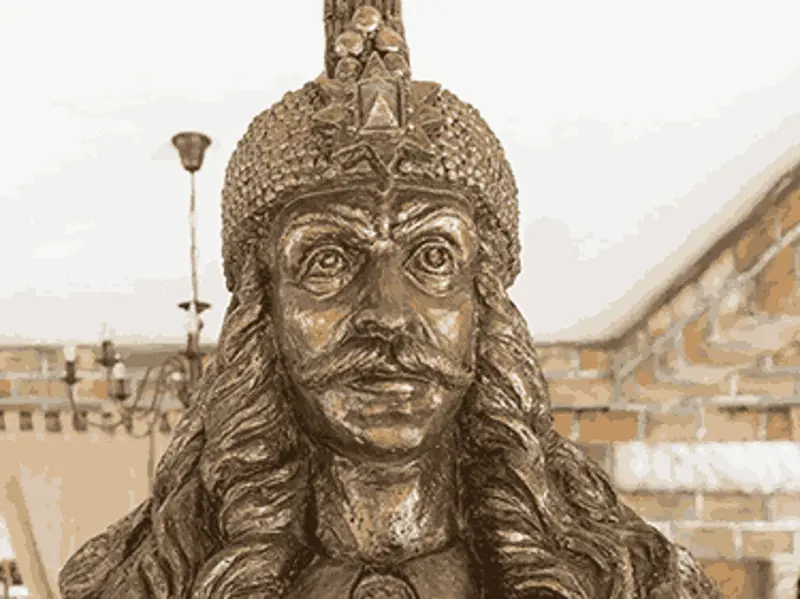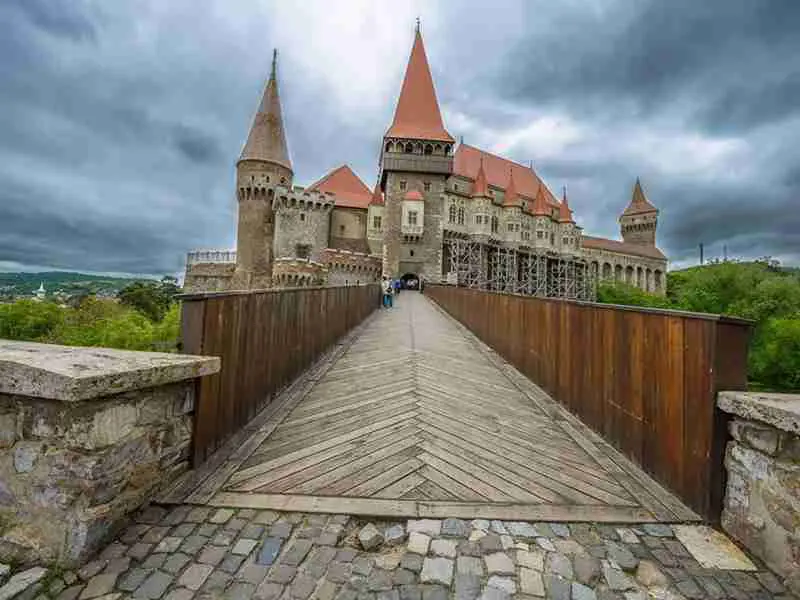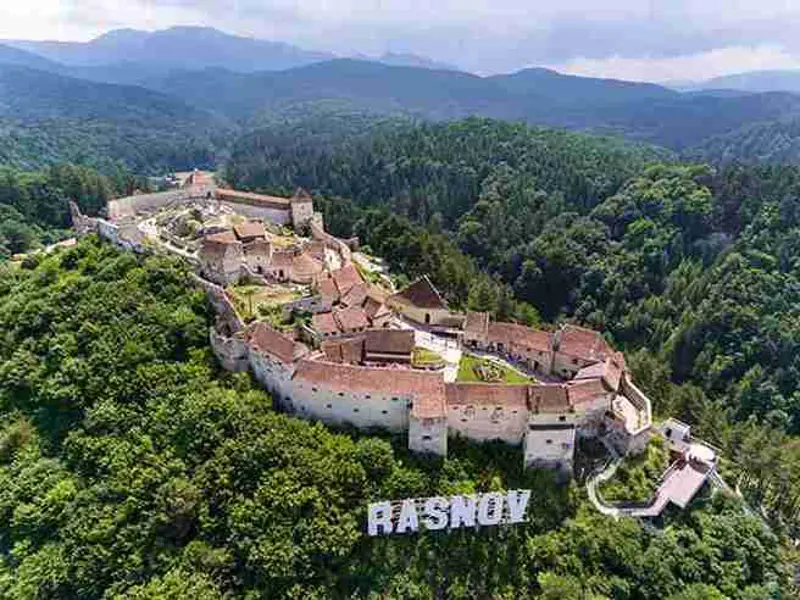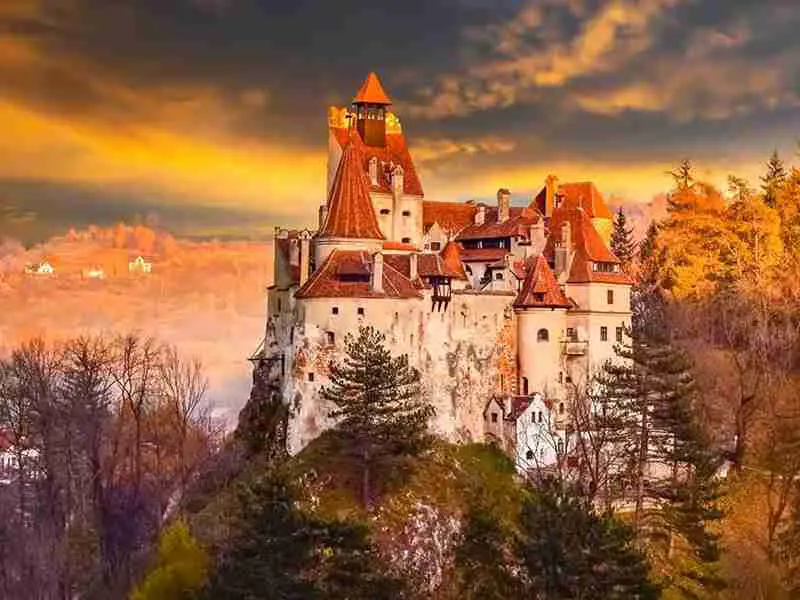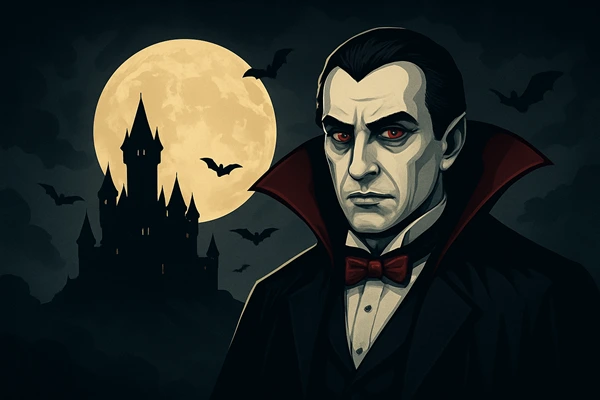
Vlad Țepeș, also known as Dracula, was one of the most important rulers of Wallachia, renowned for his military strategy and for protecting the territory against invaders. Although his methods of punishment were extremely severe, they were intended to consolidate order and discourage rebellion. Vlad Țepeș's reign was marked by the consolidation of fortresses and strategic fortifications, leaving a legacy visible today in Transylvania and other historical regions.
What were Vlad Țepeș's military achievements??
- Defense against the Ottoman Empire and external incursions
- Organization and fortification of strategic fortresses
- Application of effective tactics in local and regional battles
- Maintaining political and social stability in Wallachia
- Coordination of troops for defensive and preventive purposes
What did Vlad Țepeș leave behind?
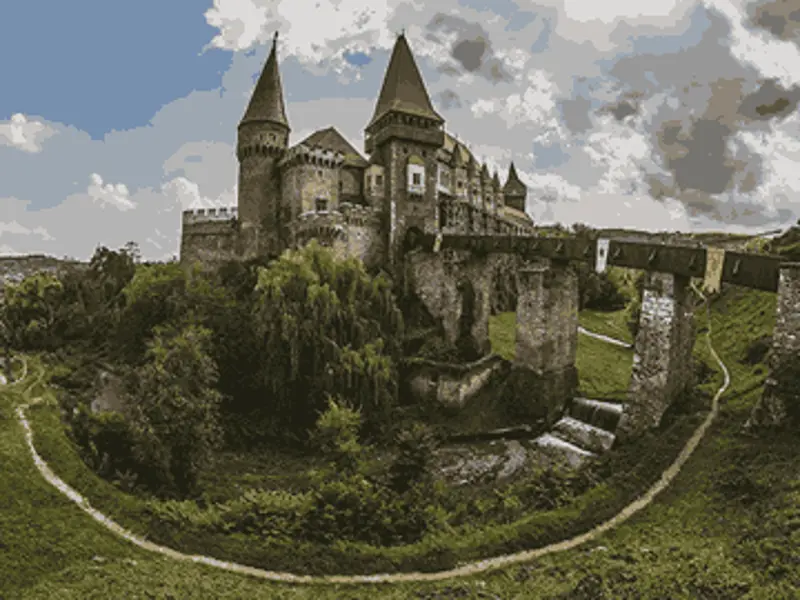
- Forts and fortifications such as Poenari Fortress and Curtea de Argeș
- Strict codes of justice that inspired the myths about Dracula
- Influence on popular culture and Gothic literature
- Legends explaining his cruelty as a form of territorial protection
- Reputation as a harsh, but effective and courageous ruler
Where can traces of Vlad Țepeș be found?
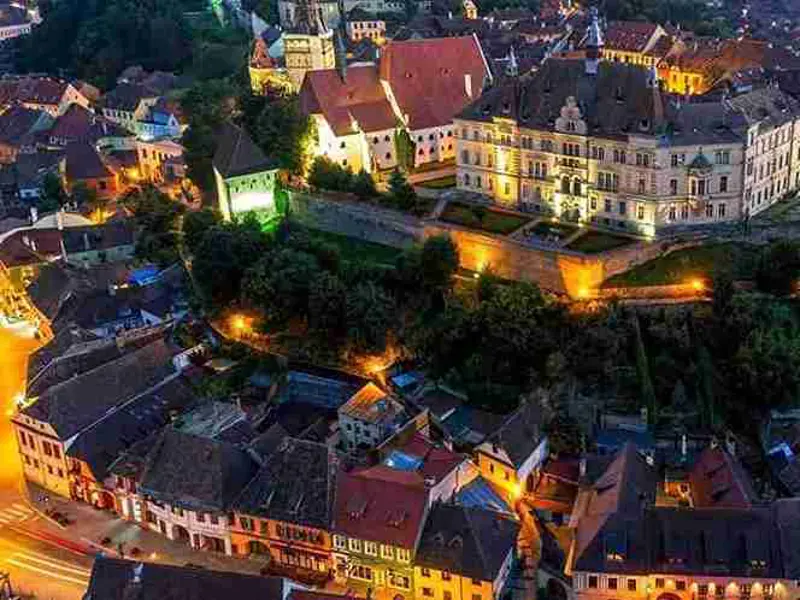
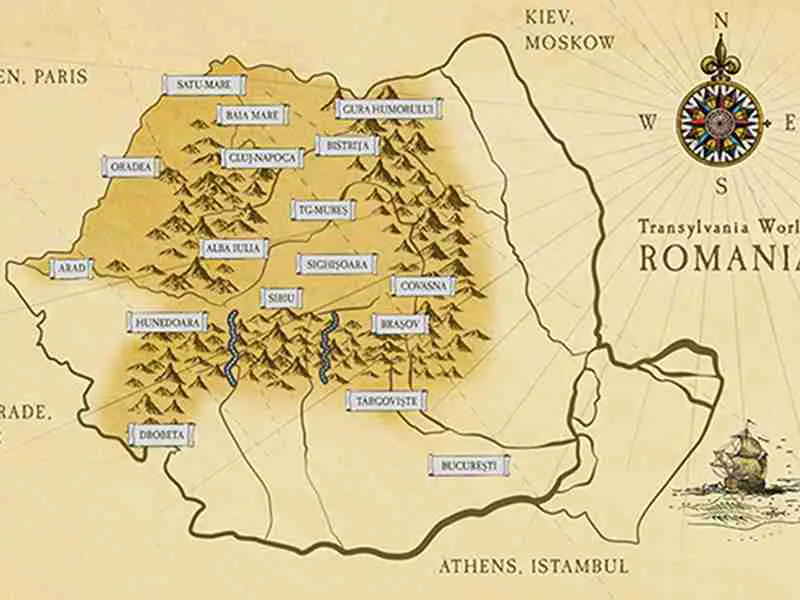
- Sighișoara – his birthplace and emblematic medieval fortress
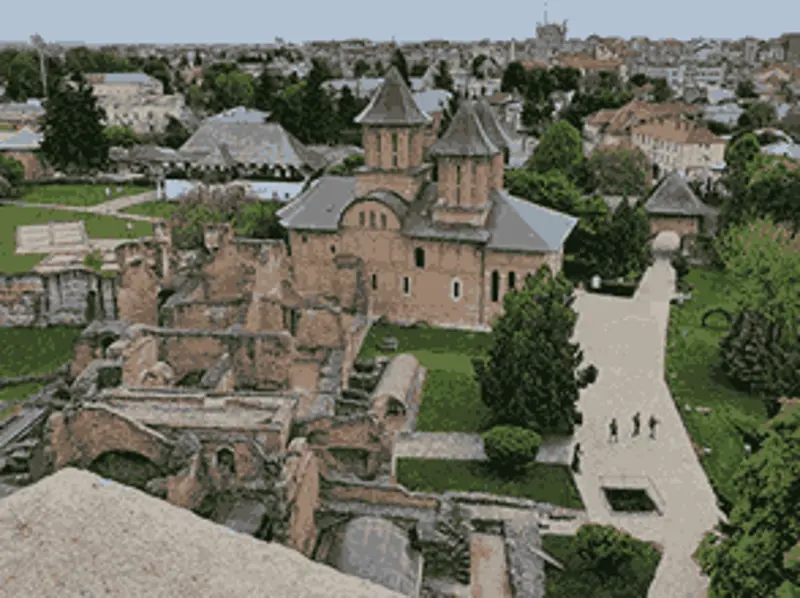
- Curtea de Argeș and Târgoviște – medieval capitals with fortresses
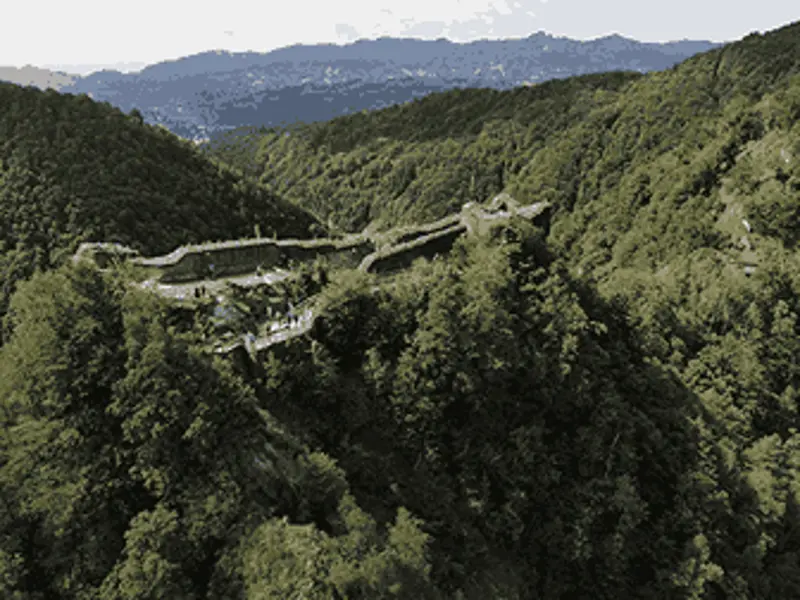
- Poenari Fortress – his real fortification, located on a mountaintop
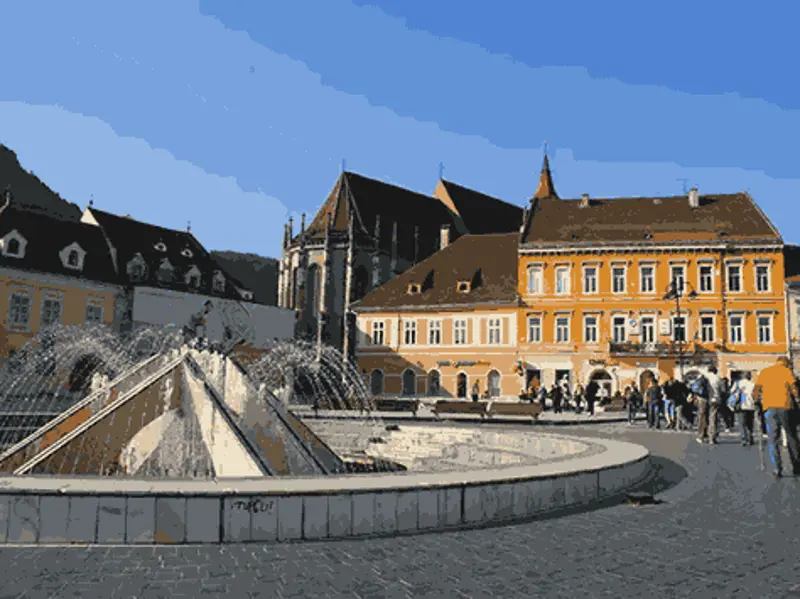
- Brașov and the surrounding Transylvania – regions with historical connections
- Tourist areas that preserve medieval traditions and history
Why is Vlad Țepeș considered an emblematic figure?
- His historical deeds inspired myths and legends Dracula
- His role in protecting the territory and social order
- His influence on European literature and culture
- Symbol of courage, strategy and strict justice
- Historical heritage visible through fortresses and fortifications
Conclusion
Vlad Țepeș remains an emblematic figure in Romanian history, whose deeds and decisions shaped the past and mythology of Transylvania and Wallachia. His fortresses, fortifications and codes of justice continue to fascinate and inspire researchers, tourists and lovers of legends. Dracula is not only a figure of vampiric legends, but also a symbol of courage, strategy and protection of Romanian territory.