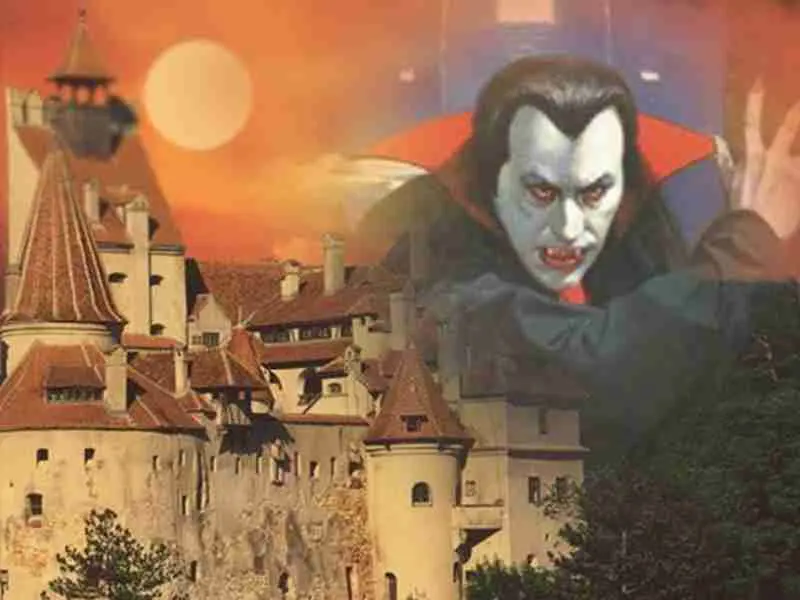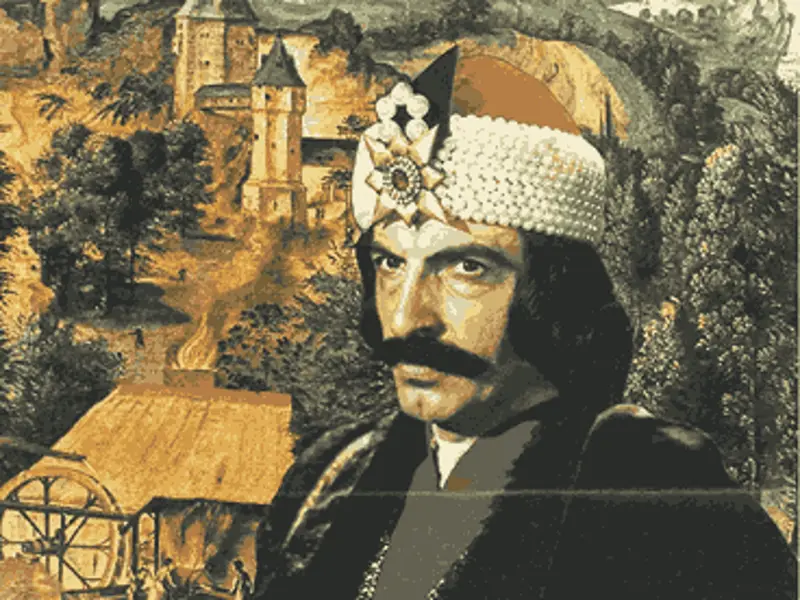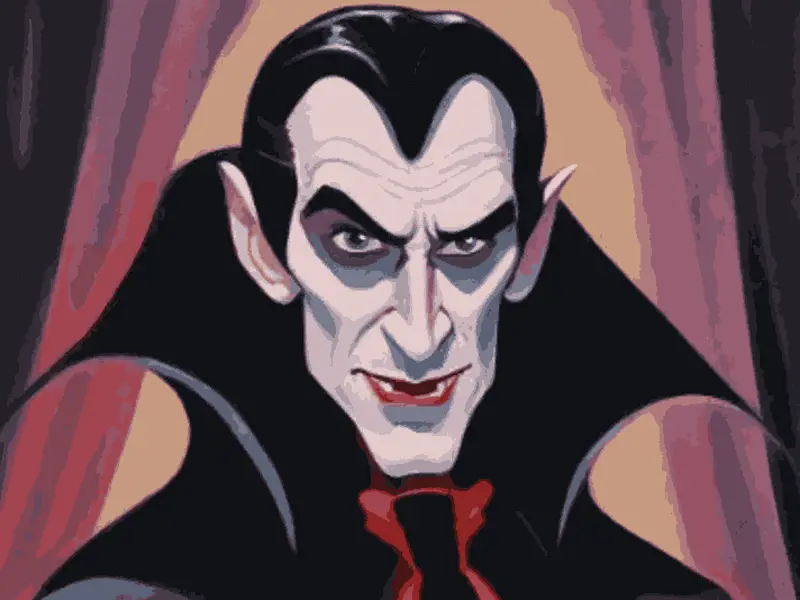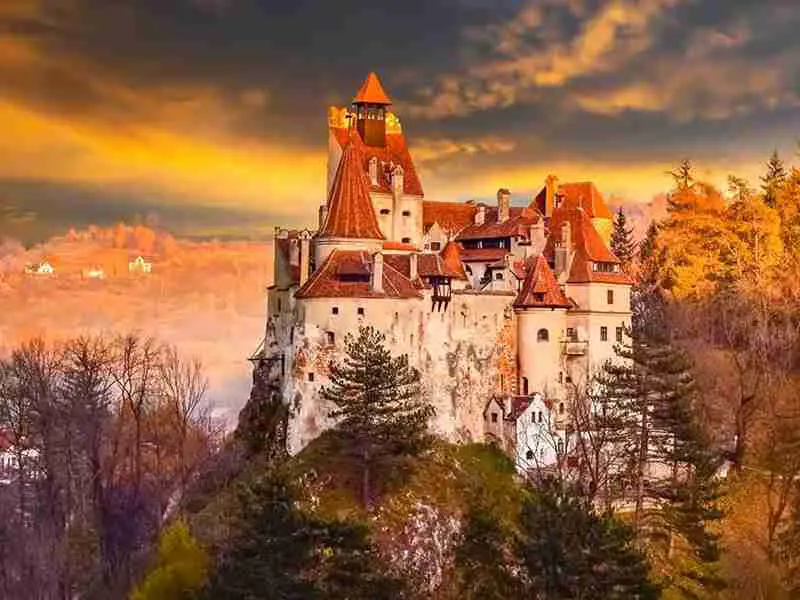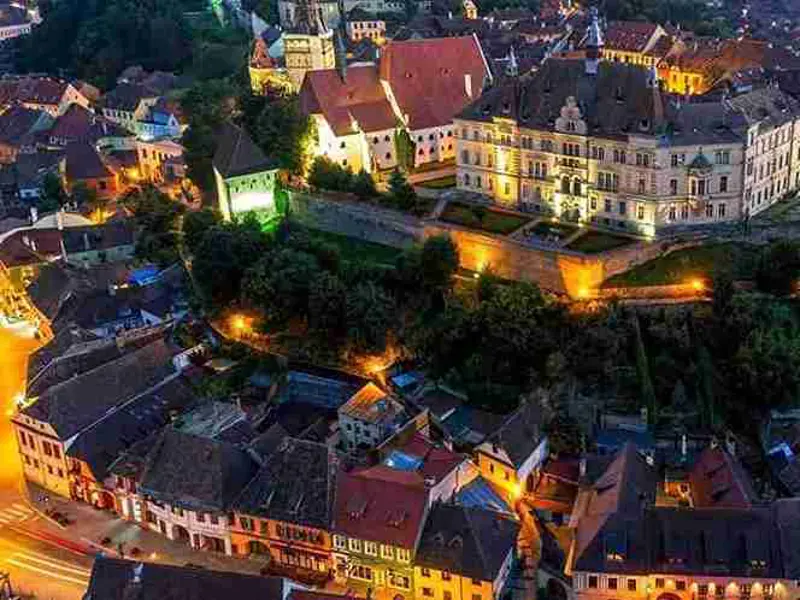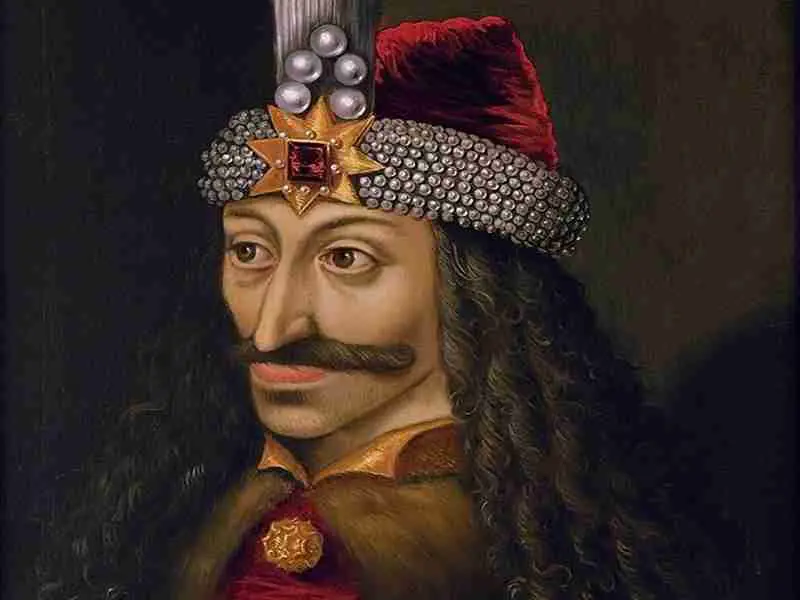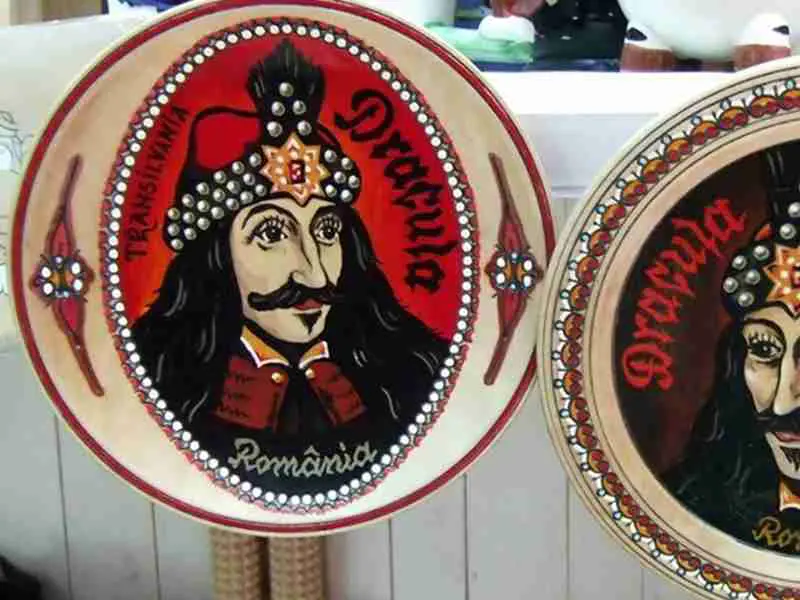
The passage of time has hidden numerous rituals and symbols related to the figure of Dracula, many of them originating from medieval traditions, local Transylvanian superstitions, and the interpretations of foreign chroniclers. Although Vlad Țepeș was a well-documented historical ruler, his connection to obscure rituals emerged through the combination of real and fantastic elements. This combination created an enigmatic portrait, dominated by symbolic gestures, unusual military practices, and customs that are difficult to interpret today.
What military rituals were attributed to him?
- The practice of severe oaths to the Order of the Dragon
- The use of exemplary punishments to intimidate opponents
- The reinforcement of discipline through symbolic ceremonies
What signs and symbols fueled the mystery?
- The dragon as a royal emblem, later interpreted as a demonic symbol
- The use of Wallachian-Transylvanian insignia in his campaigns
- The confusion between religious symbols and marks of power
Why are few authentic details preserved?
- Incomplete or lost medieval documents
- The influence of hostile chronicles from the period of confrontations with the Saxons
- The mixture of fact and fiction in later works
Conclusion
The rituals and symbols associated with Dracula have contributed decisively to his transformation into a legend. Although many of these elements have been exaggerated or reinterpreted, they outline a character between history and mystery, capable of inspiring fascination even after centuries. His enigma remains a subject that continues to excite the imagination and provoke new research.