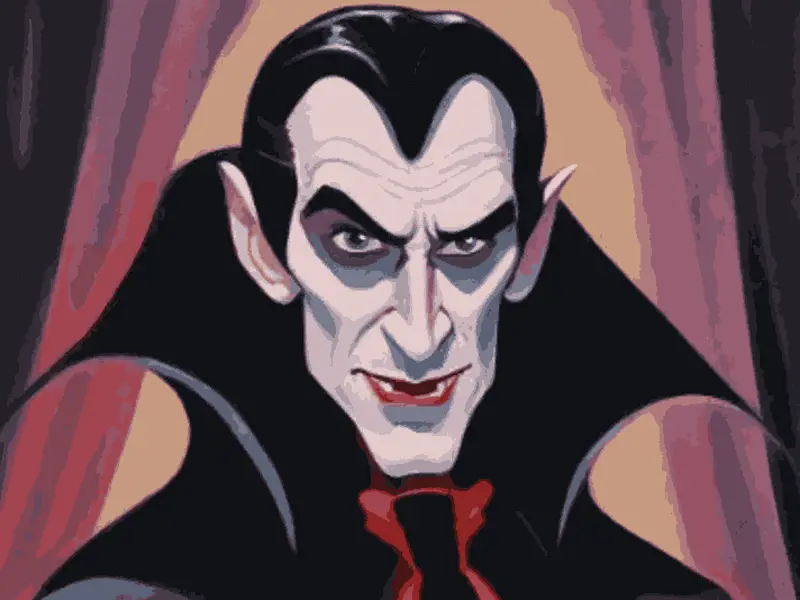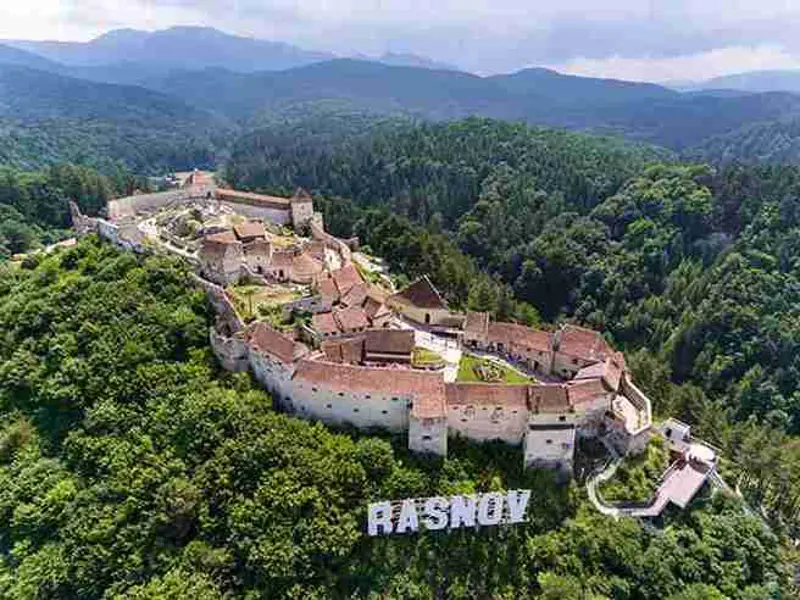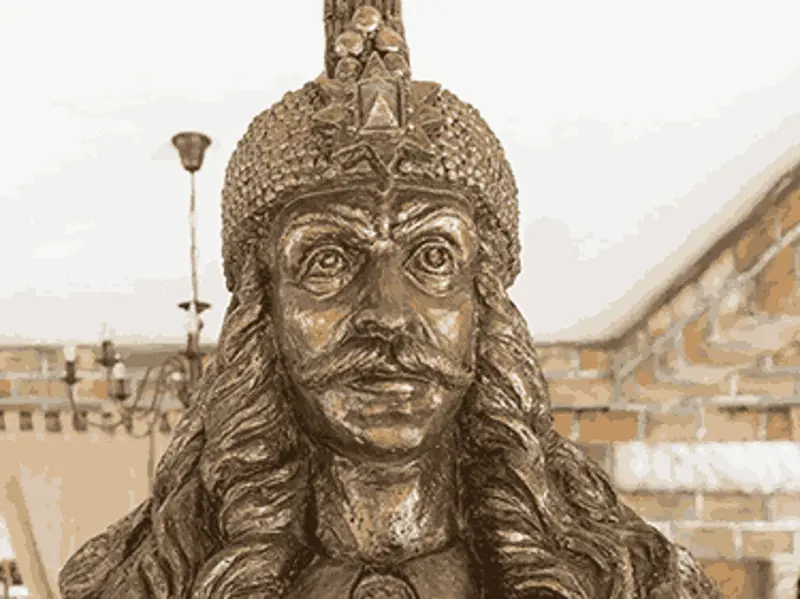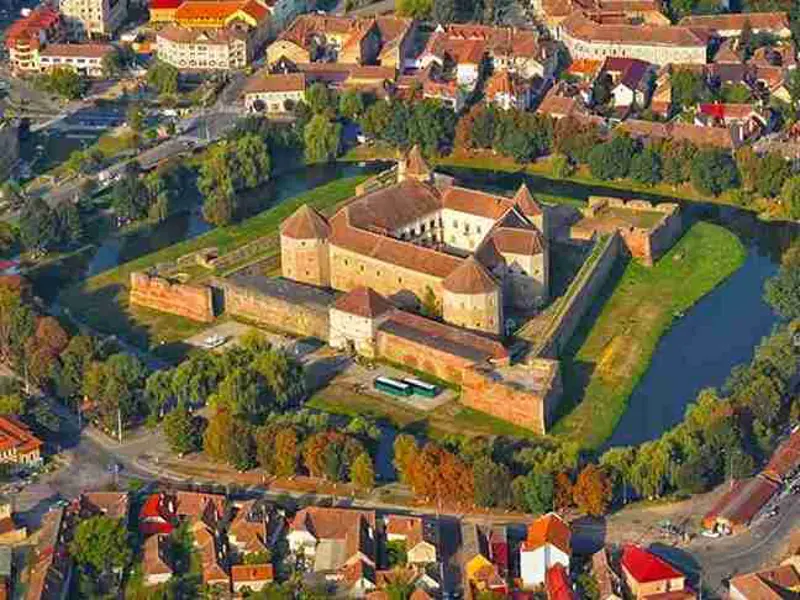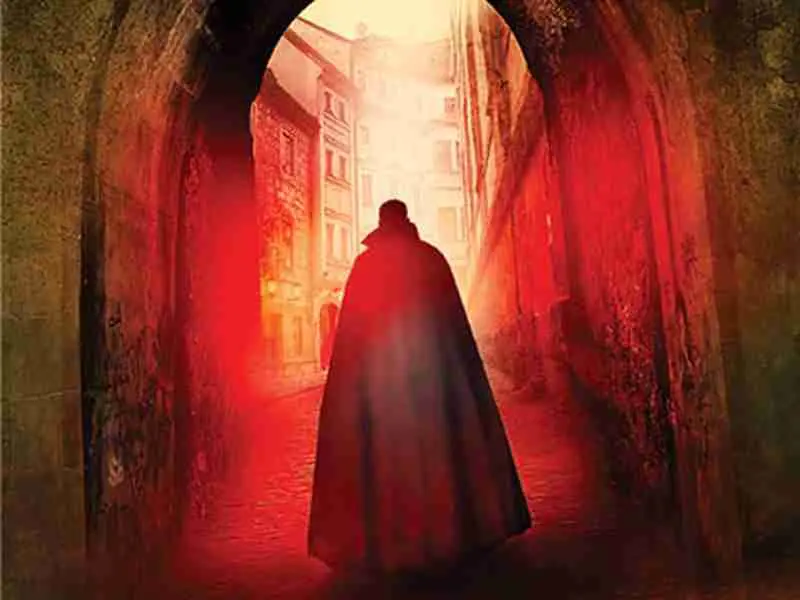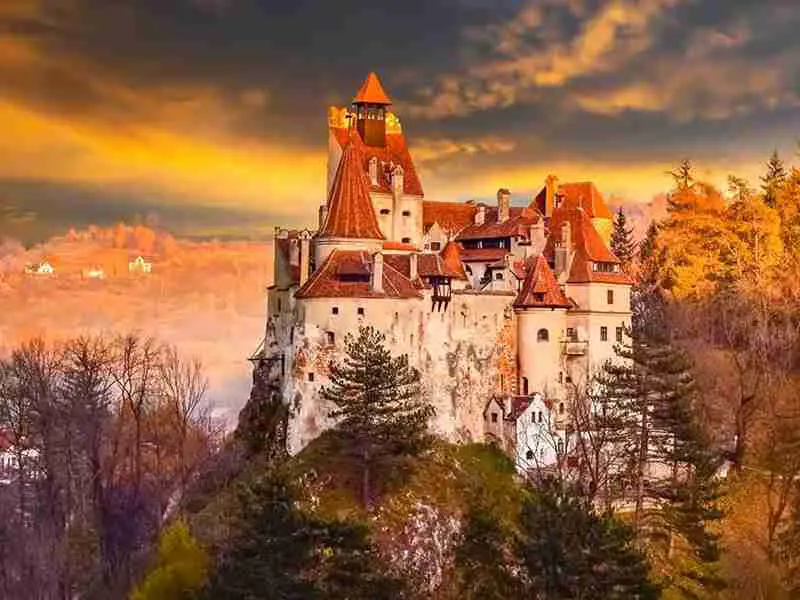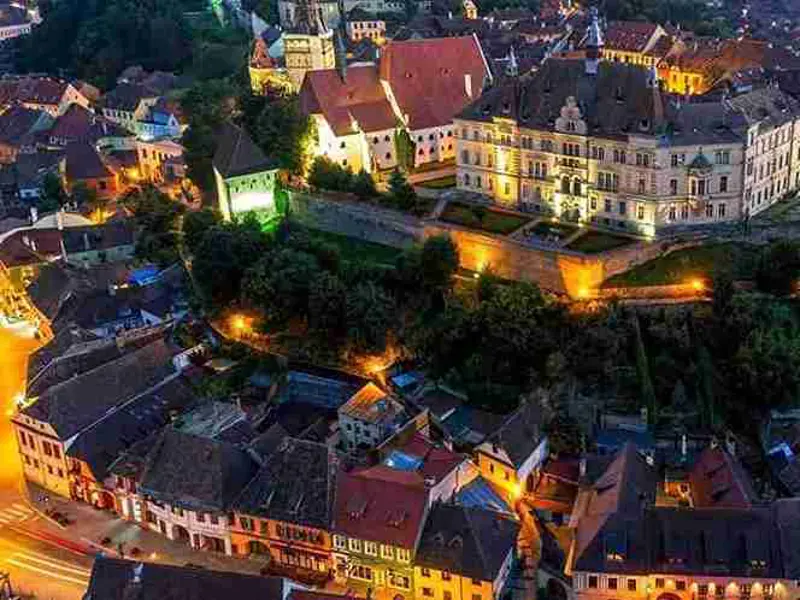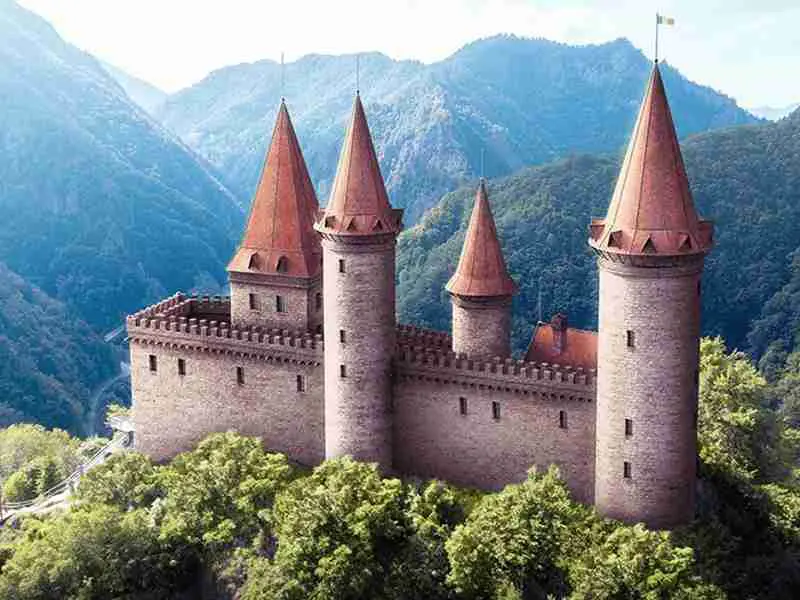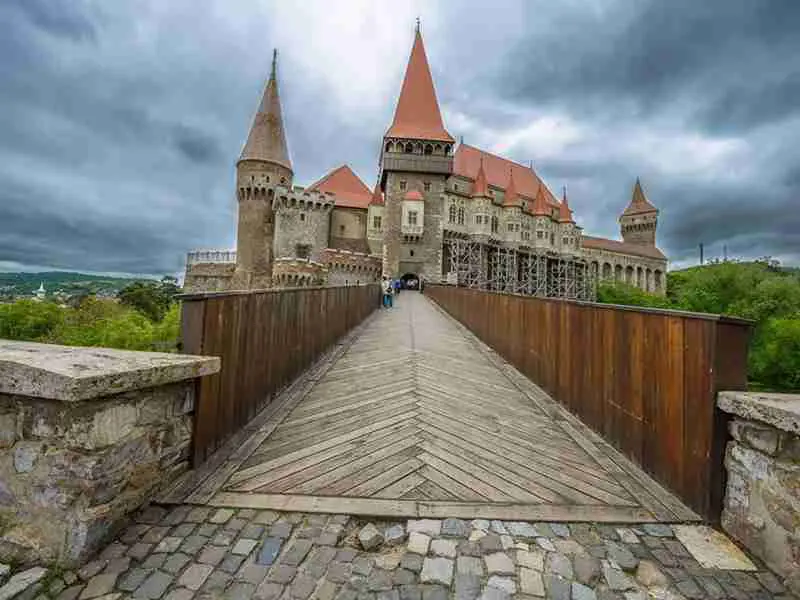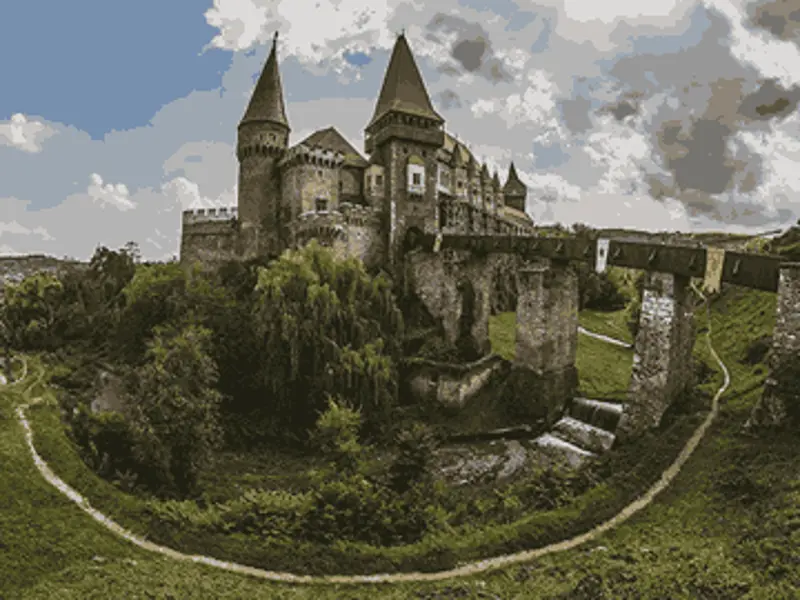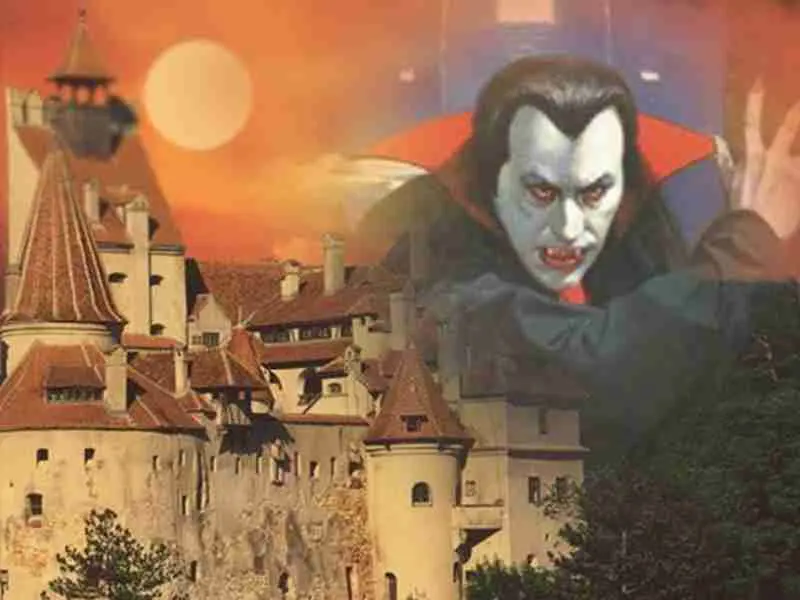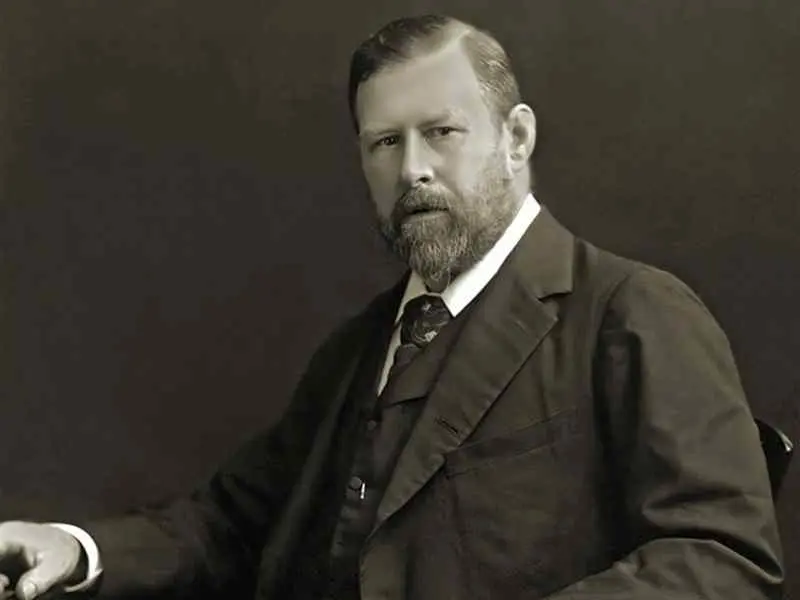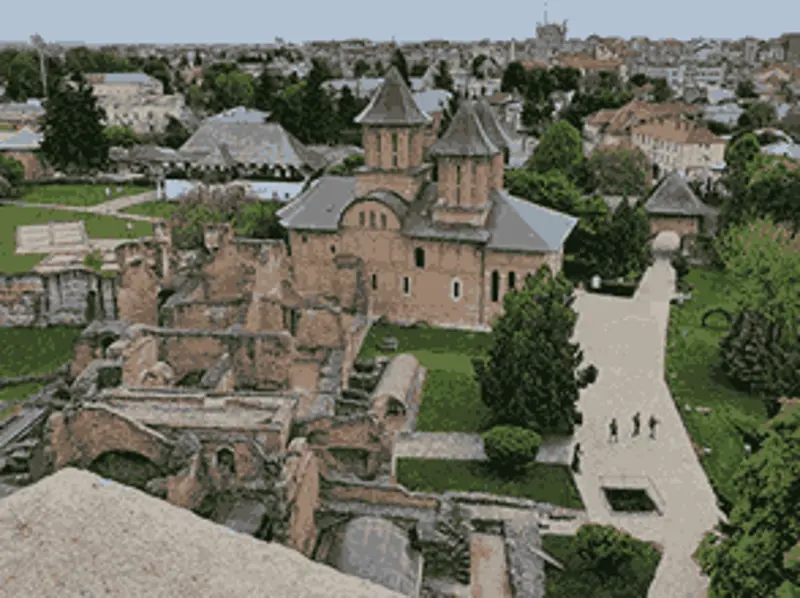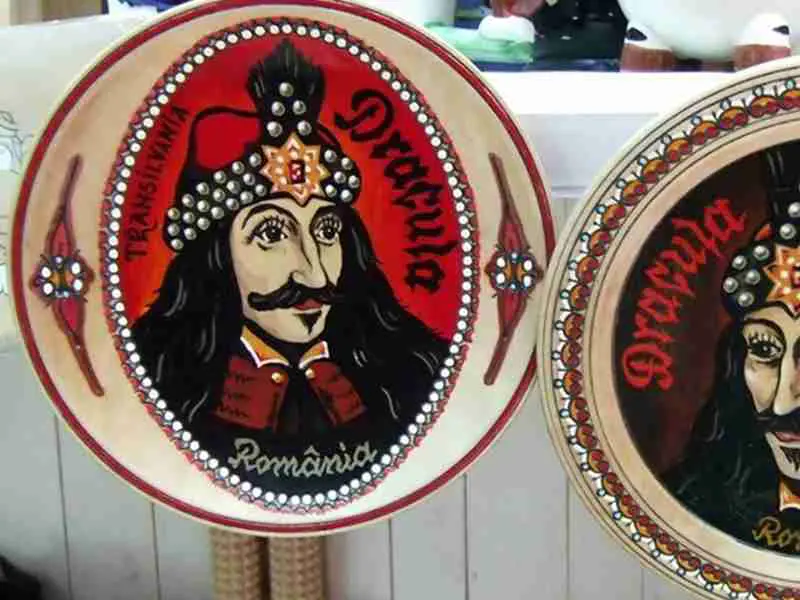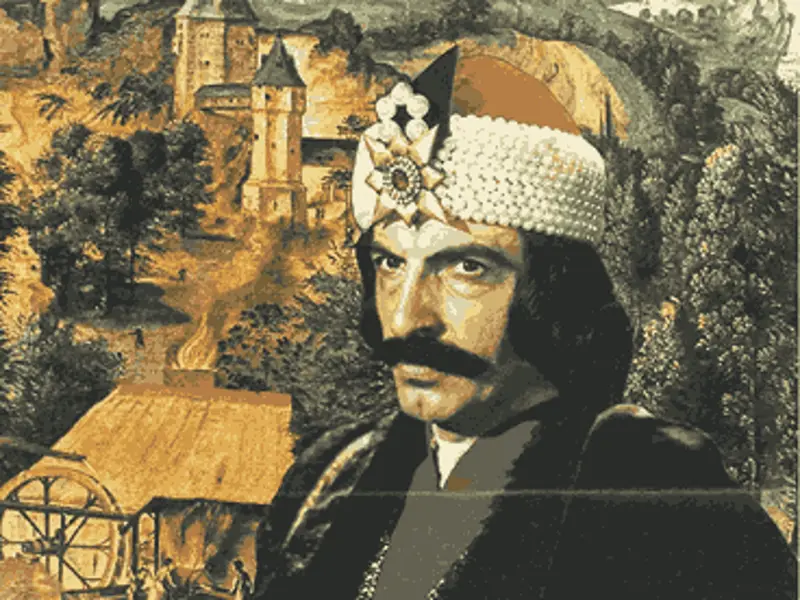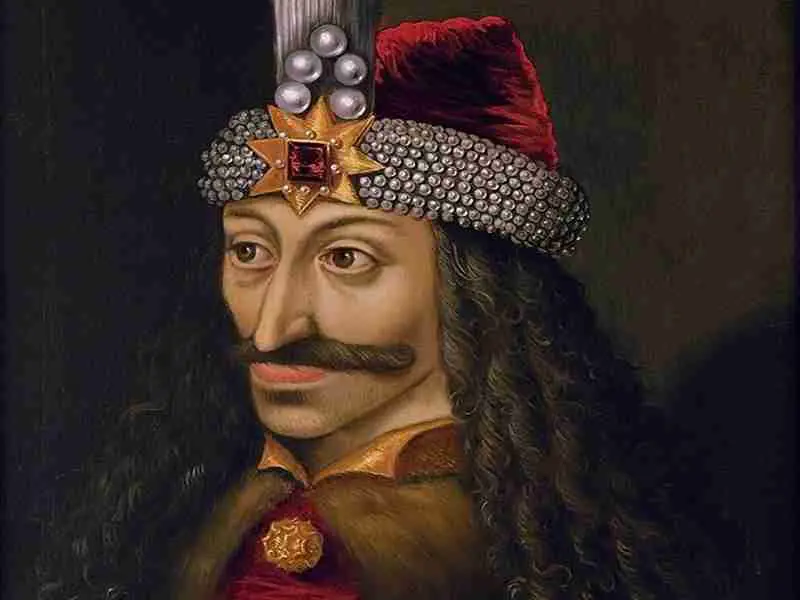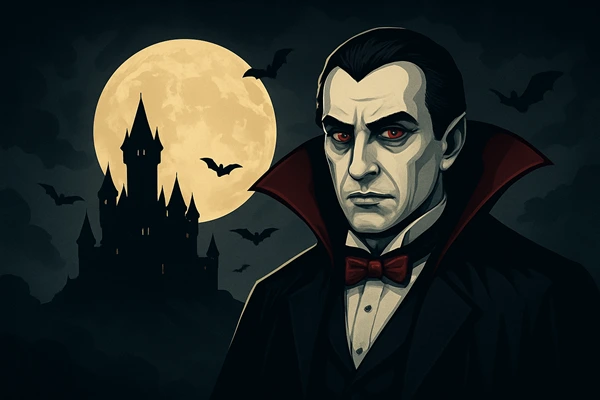
Gothic culture and medieval mythology have profoundly influenced European literature, generating themes such as vampirism, mystery, and the supernatural. Authors such as Bram Stoker and Edgar Allan Poe have taken up Gothic symbols and themes to create landmark works that still fascinate readers. Transylvania, through its legends and the stories of Vlad Țepeș, has become a source of inspiration for Gothic and horror literature.
Who was influenced?
- Horror and Gothic Writers
- Medieval Poets and Playwrights
- Contemporary Fantasy and Historical Fiction Authors
What themes were adopted?
- Vampirism and Medieval Myths
- Death and the Supernatural
- Mystery, Magic, and Religious Symbols
How did the influence manifest itself?
- Through novels, stories, and poems
- Through visual and literary symbolism
- Through film and theatrical adaptations
Why is it relevant?
- Increases interest in myths and medieval culture
- Influences modern literature and cinema
- Connects history with fiction and art
Where are these influences found?
- Literary books and manuscripts
- Films and plays inspired by Dracula
- Academic studies and courses in Gothic literature
Conclusion
Cultural influences on European literature have created a bridge between history, myth, and fiction, offering readers captivating experiences and keeping the Gothic tradition and legends of Transylvania alive.