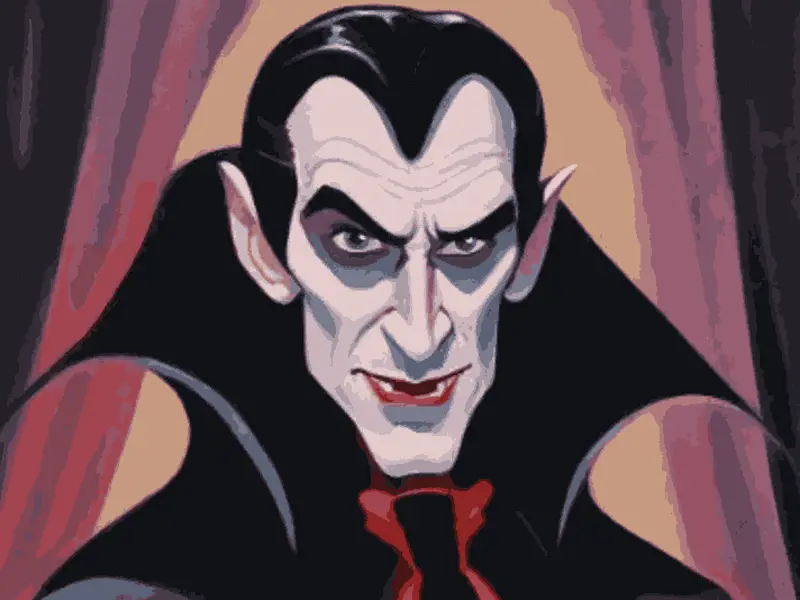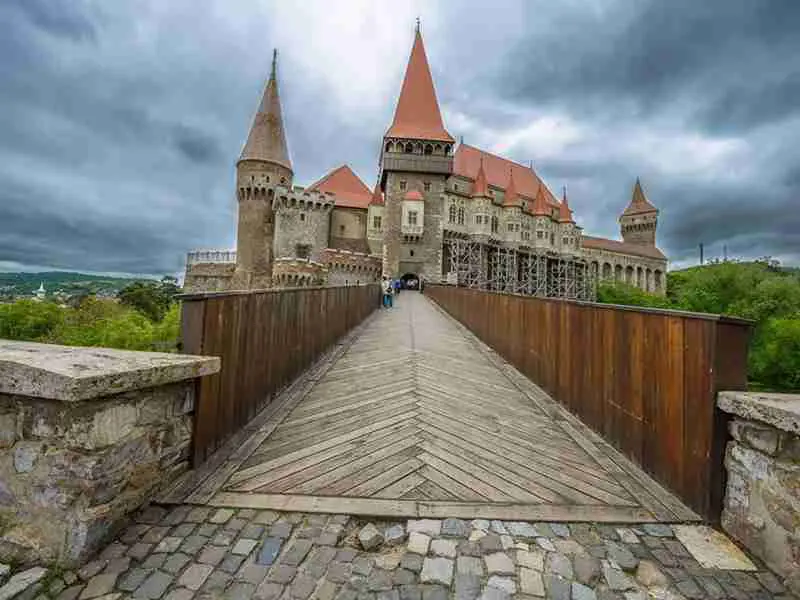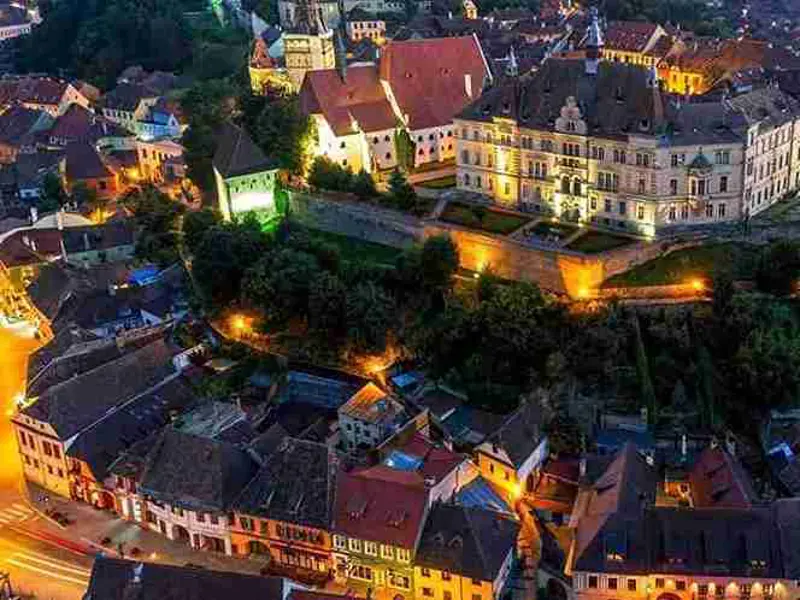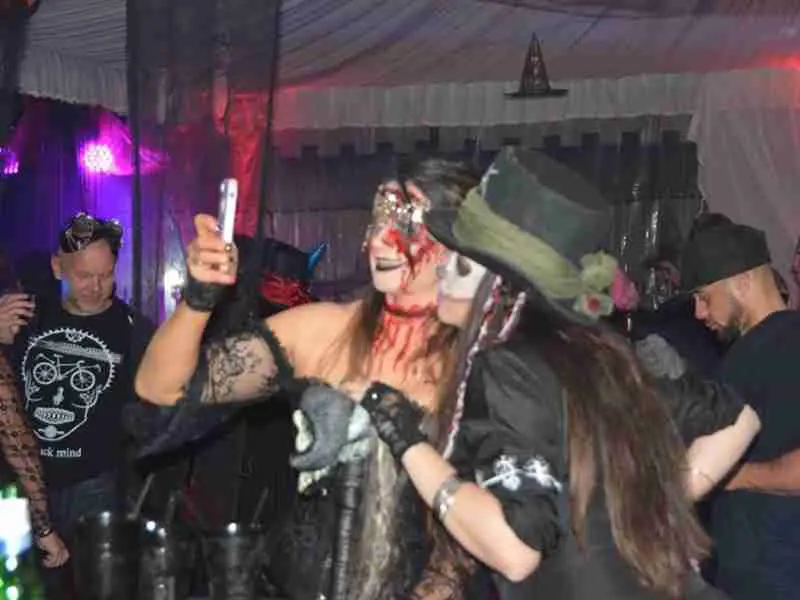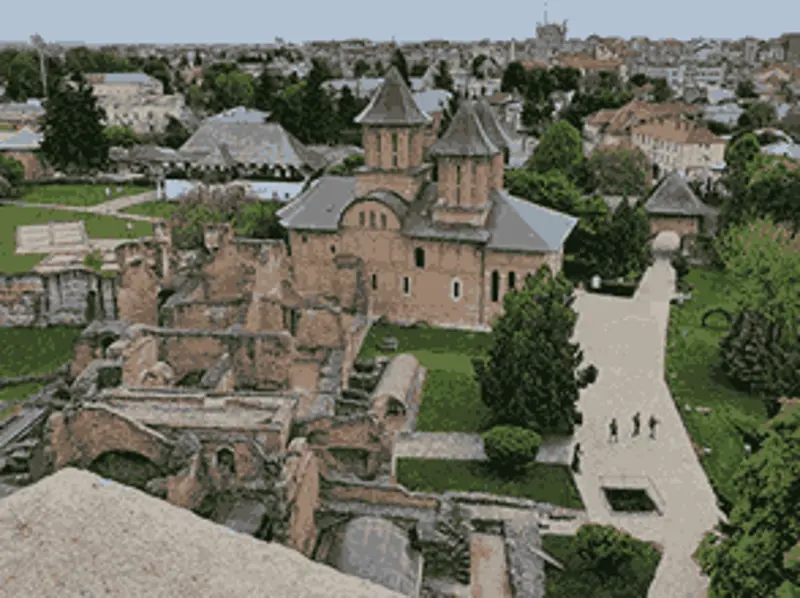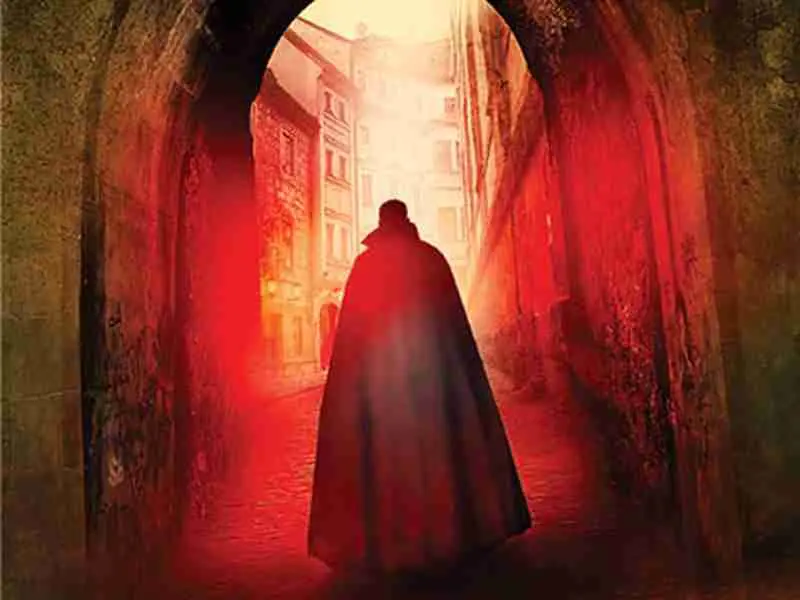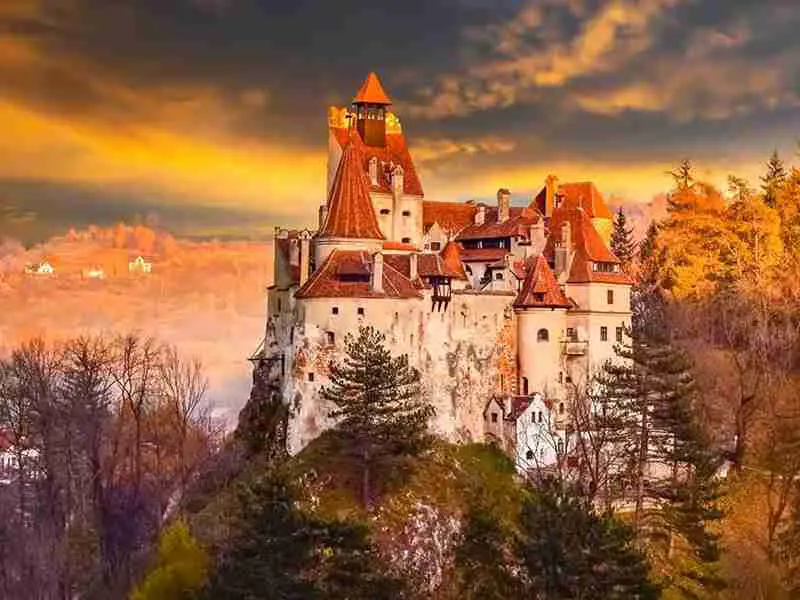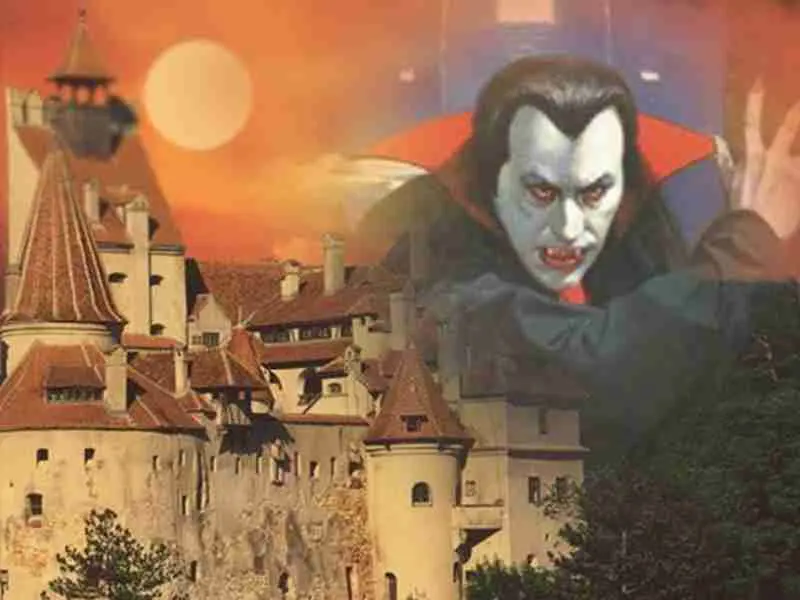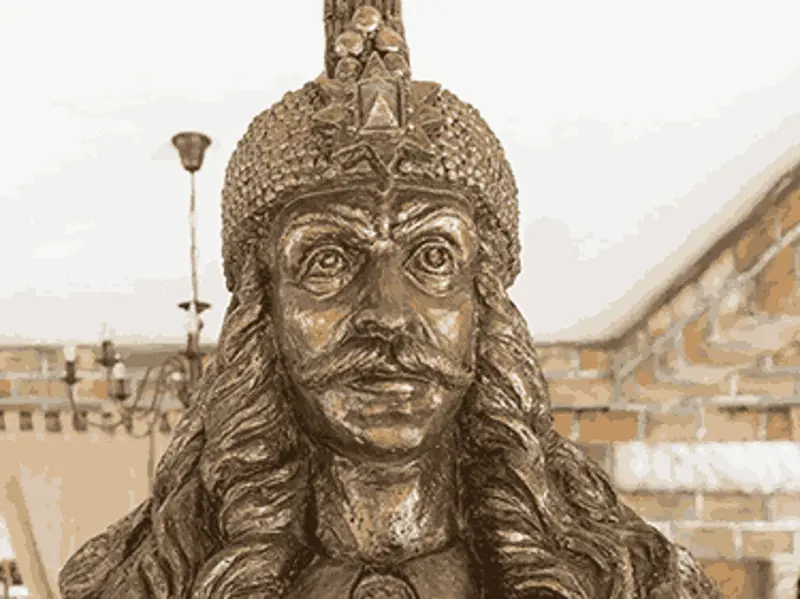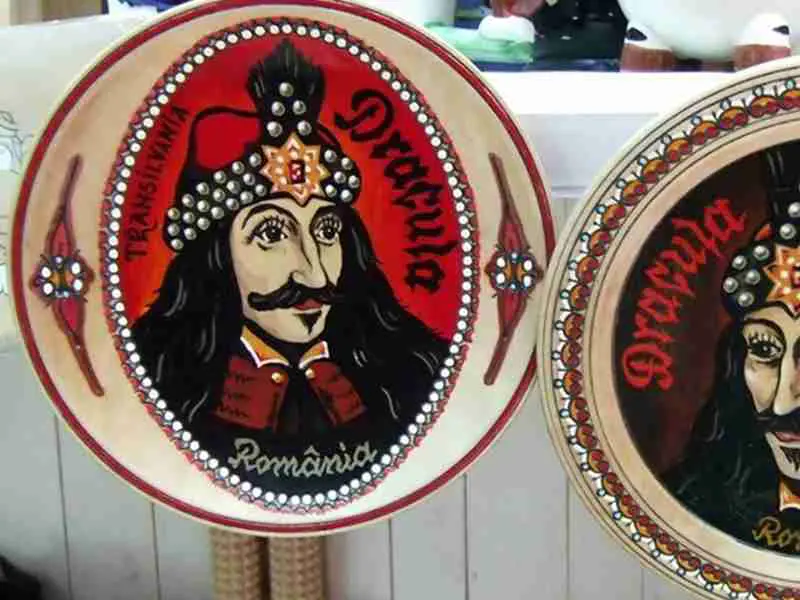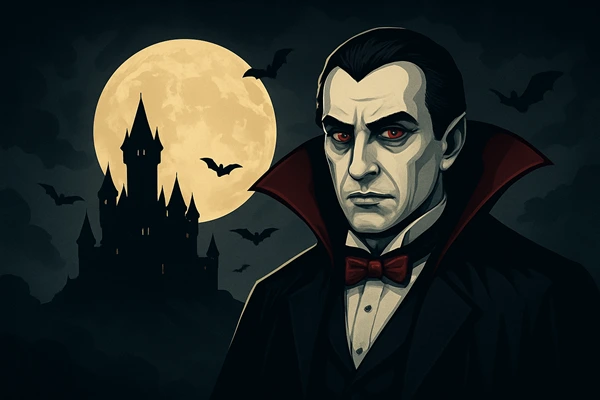
Dracula has become a powerful symbol in visual art, inspiring painters, sculptors, and contemporary artists. From folkloric representations to modern works, his image combines historical and fantastical elements, transforming the character into a cultural landmark. In Transylvania, numerous exhibitions explore the connection between Dracula and Gothic aesthetics, offering visitors an authentic cultural experience.
Who inspires Dracula in art?
- Romanian and European painters
- Contemporary sculptors and artists
- Comic and digital graphic artists
What themes are addressed?
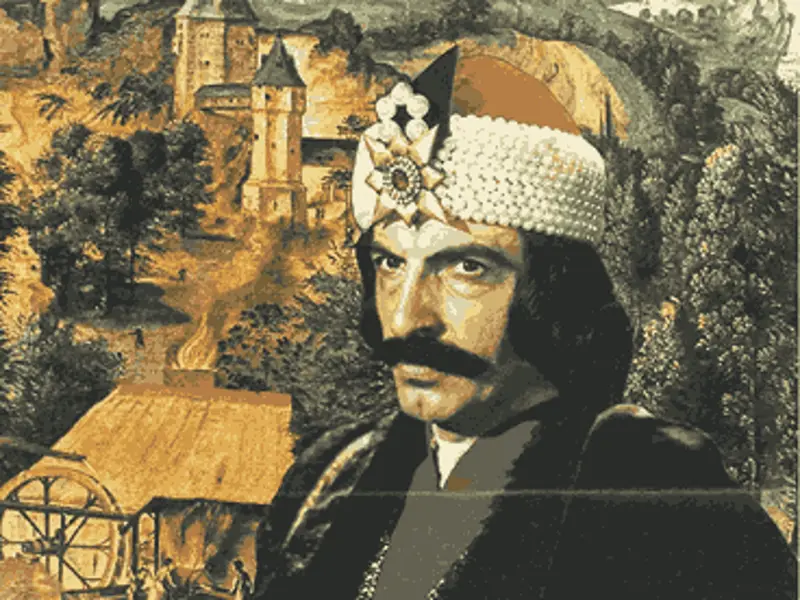
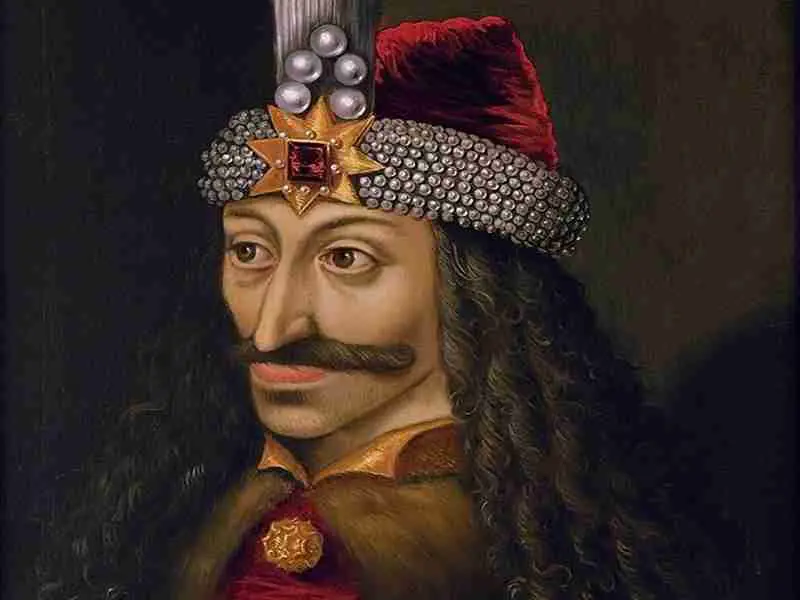
- Vlad Țepeș and the Dracula Legend
- Vampirism and Gothic Elements
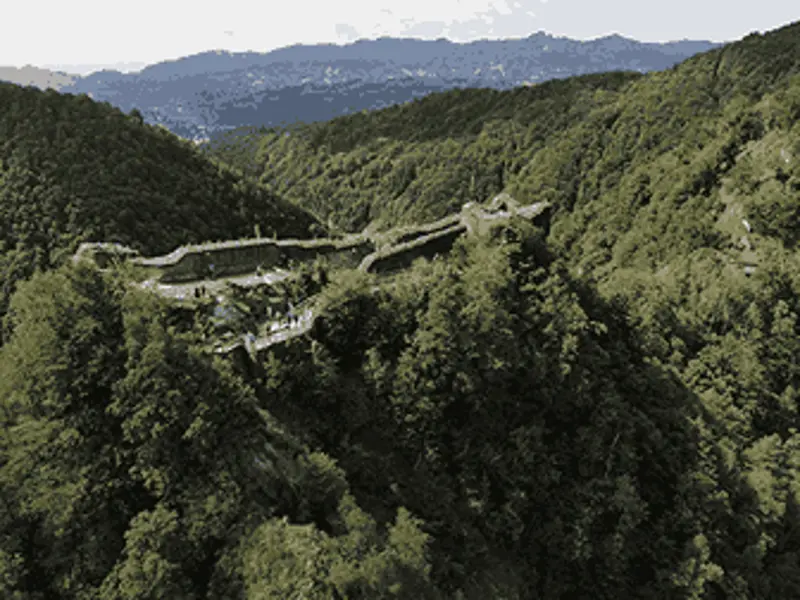
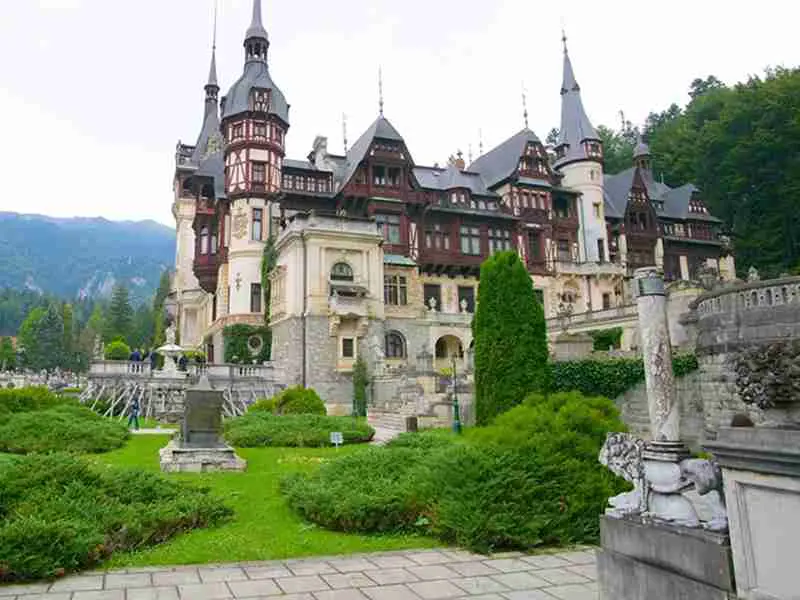
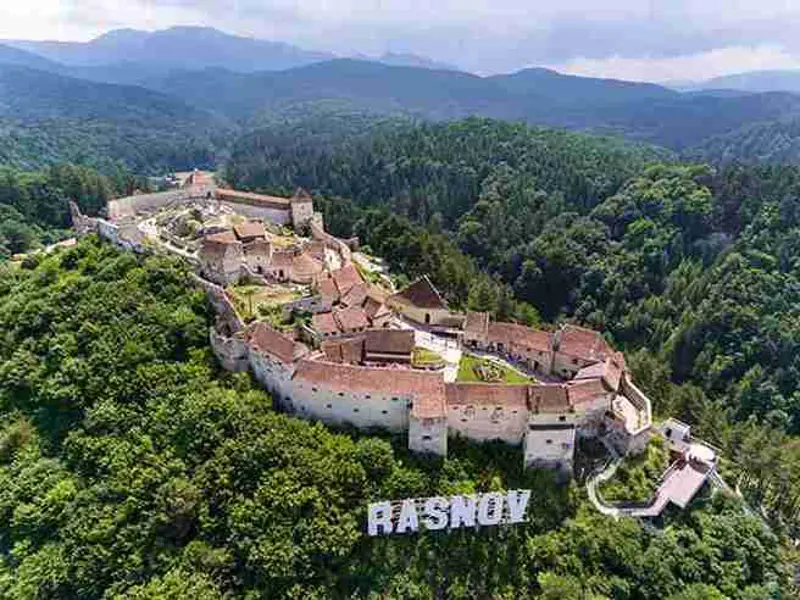
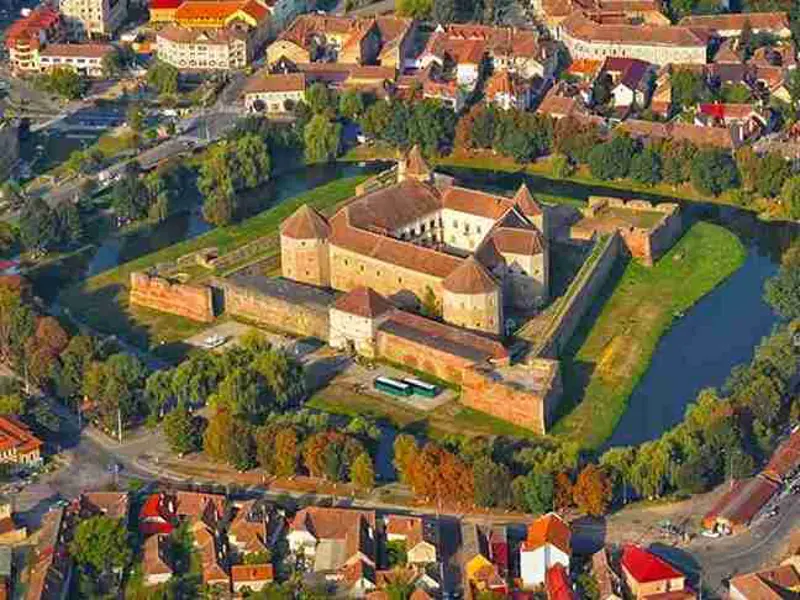
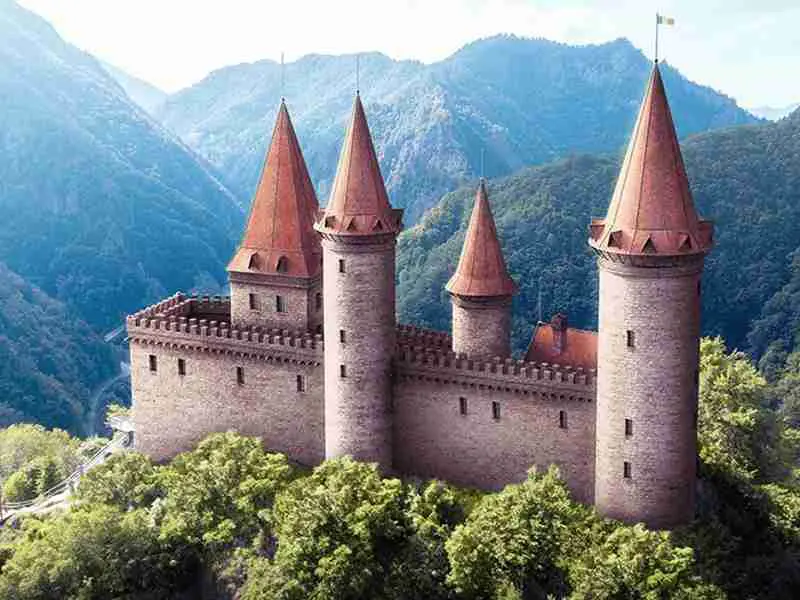
- Transylvanian Landscapes and Medieval Castles
How is it presented?
- Thematic exhibitions in museums
- Illustrations and portraits in books and magazines
- Digital art and contemporary animations
Why is It important?
- Keeps local traditions and myths alive
- Promotes Gothic culture and Transylvanian history
- Provides context for Dracula literature and cinema
Where can you see these works?
- Museums in Transylvania and Romania
- International Gothic Art Exhibitions
- Contemporary and Digital Art Galleries
Conclusion
Dracula has influenced art throughout the centuries, becoming a cultural symbol that connects Romanian folklore with modern artistic expression. Visiting exhibitions and studying works allows anyone to understand his impact on culture.