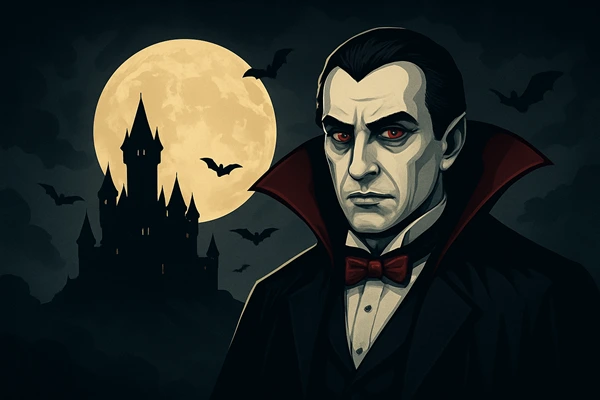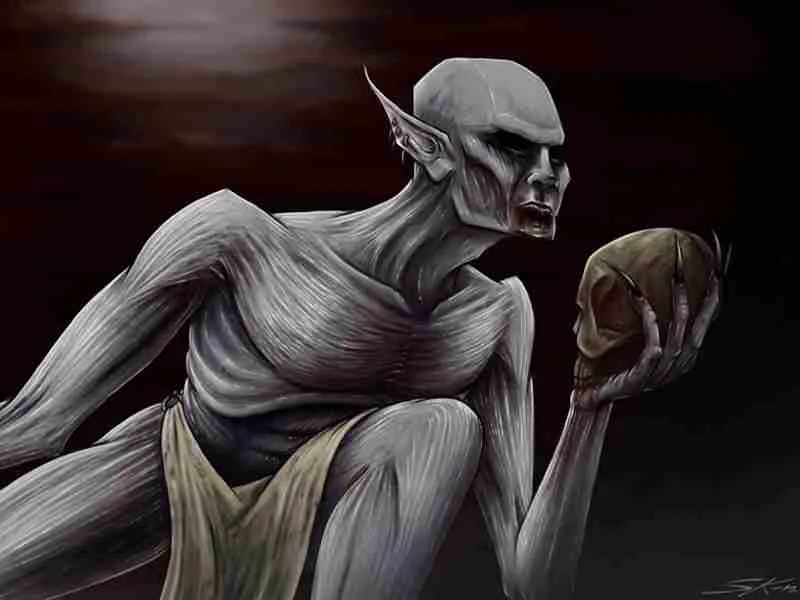
The modern vampire, from Anne Rice to *Twilight*, has evolved from a gothic monster to a complex psychological archetype. He symbolizes our fear of death, attraction to danger, and fascination with immortality. This article explores the psychological underpinnings of the vampire, seen as a metaphor for alienation and power.
The Vampiric Archetype and the Psychology of Alienation
In the modern vision, vampire he is not just a predator, but a tragic figure, condemned to loneliness. This theme resonates strongly with modern societal anxieties about isolation and lack of connection.
- Immortality as Punishment: The vampire is the one who survives all of their loved ones, carrying the burden of historical knowledge and loss.
- The Eternal Stranger: The obligation to hide and change one's identity reflects the feeling of being a social *outsider*.
- Emotional Vampirism: In psychology, the term "emotional vampire" is used to describe people who feed their own ego by draining the energy of those around them.
The Seduction and Eros of the Vampiric Theme
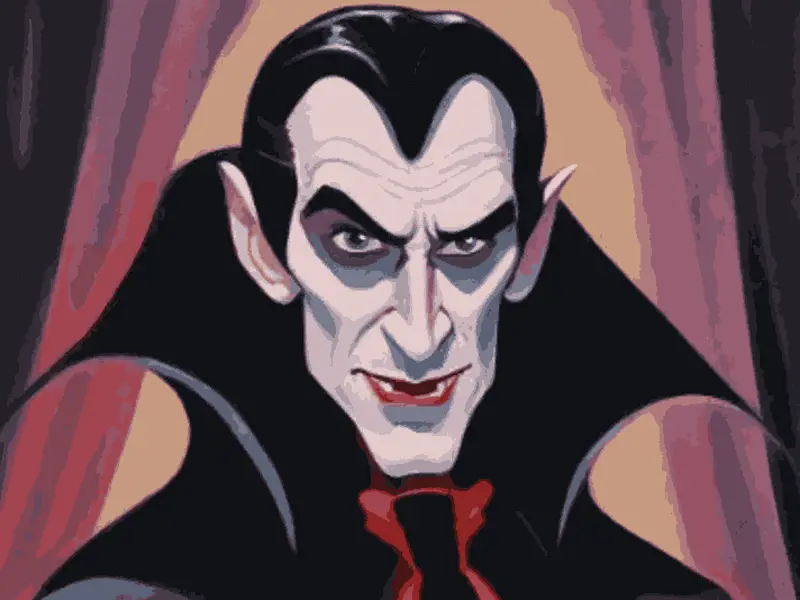
Dracula and his successors in literature and film are often sexualized figures. The vampiric attack is a metaphor for seduction and loss of control.
Sexuality and Symbolism
- The Deadly Kiss:The bite, the central act of the myth, combines intimacy, pleasure, and danger, representing a fusion of Eros and Thanatos (life and death).
- The Power of Subjugation: The vampire possesses hypnotic power, symbolizing the dangerous attraction and fascination for otherness.
- Vampiric Feminism: Modern writers (e.g. Anne Rice) have transformed the female vampire from a victim into an autonomous but morally ambiguous figure.
The Cultural Reception of Immortality
The cultural obsession with vampires reflects our unresolved desire to overcome death.
The Vampire as a Post-Human Ideal
- Stagnant Perfection: The character is often immobilized in physical perfection (eternal youth), but is incapable of moral or spiritual growth.
- The consume: The need for blood is seen as a metaphor for resource consumption, capitalism, and exploitation.
- Scientific Research: Themes such as telepathy, cellular regeneration, and vampiric immortality often inspire science fiction literature.
Conclusion
The vampire archetype in modern culture is much more than a monster. It is a mirror in which we see our own anxieties about power, sexuality, loneliness, and, above all, the tragic desire for immortality. Understanding this psychological underpinning is the key to decoding the legend's enduring success.