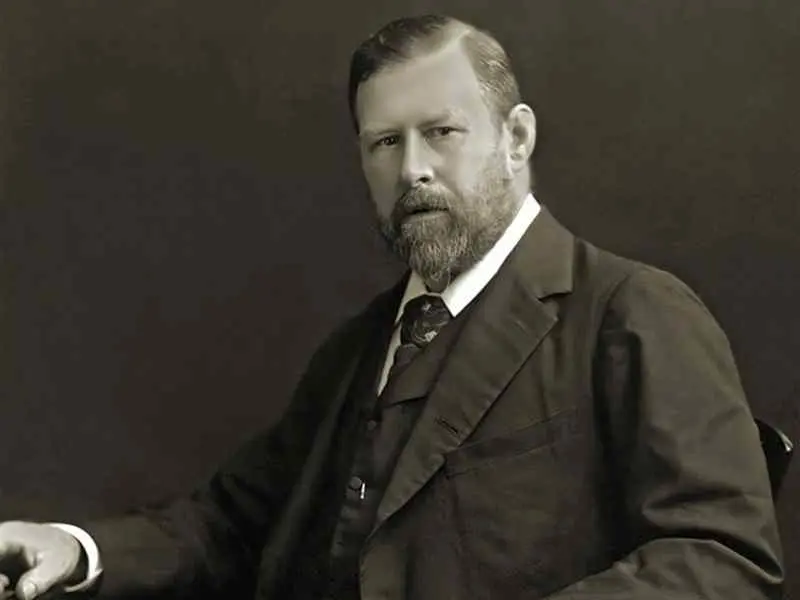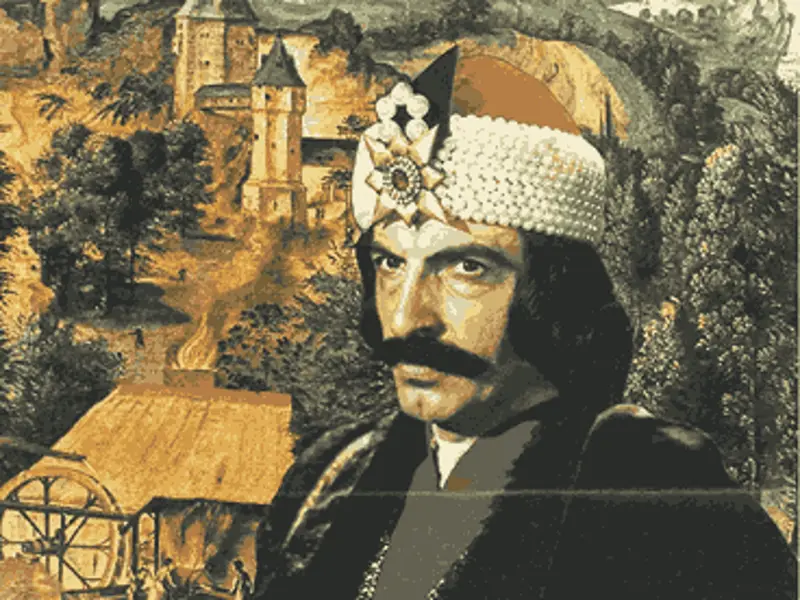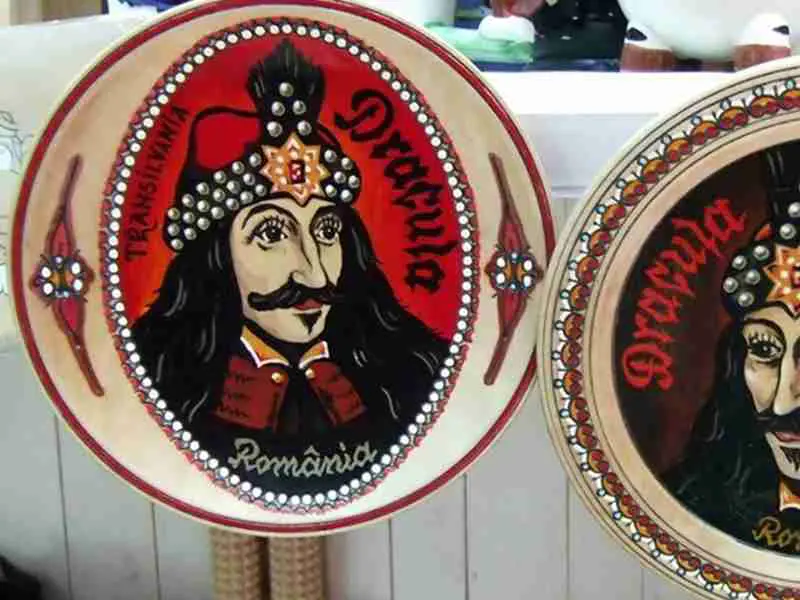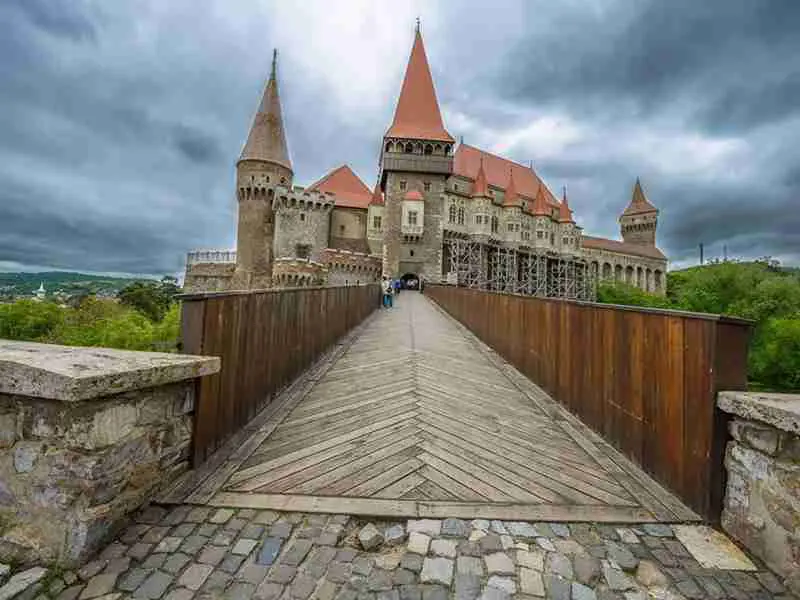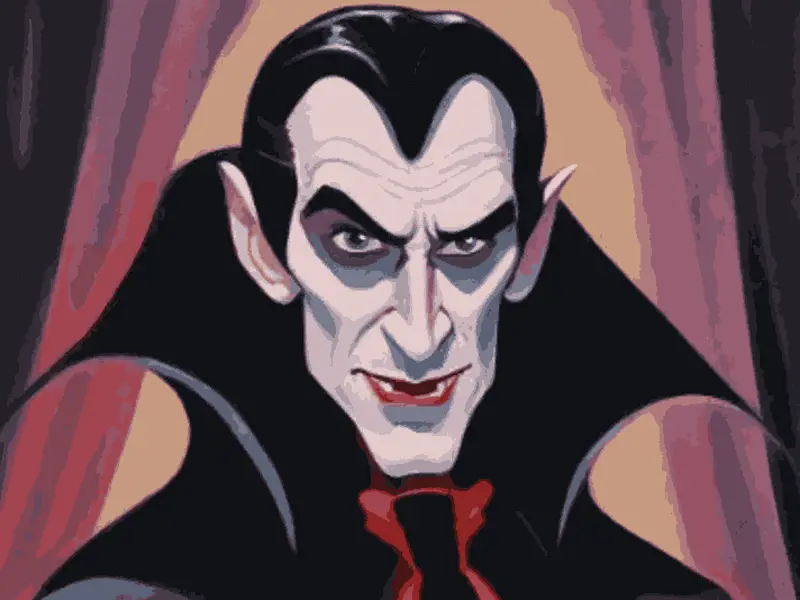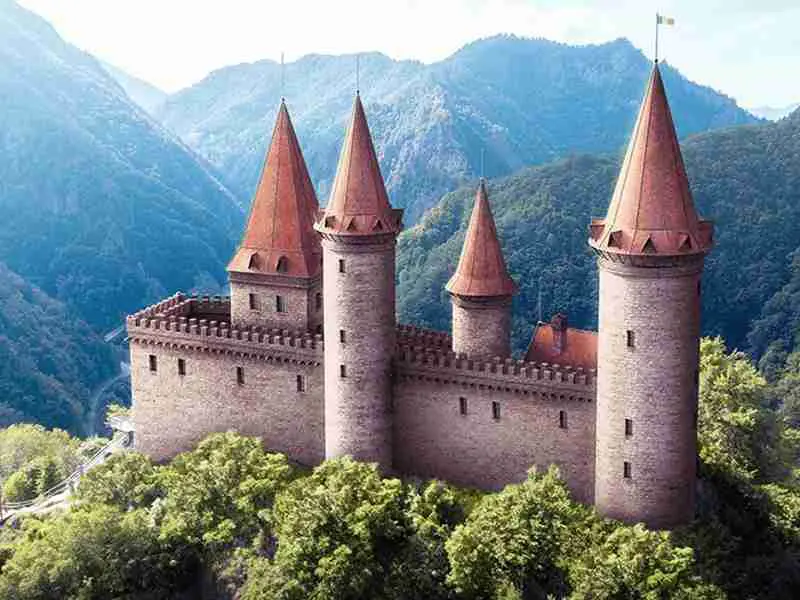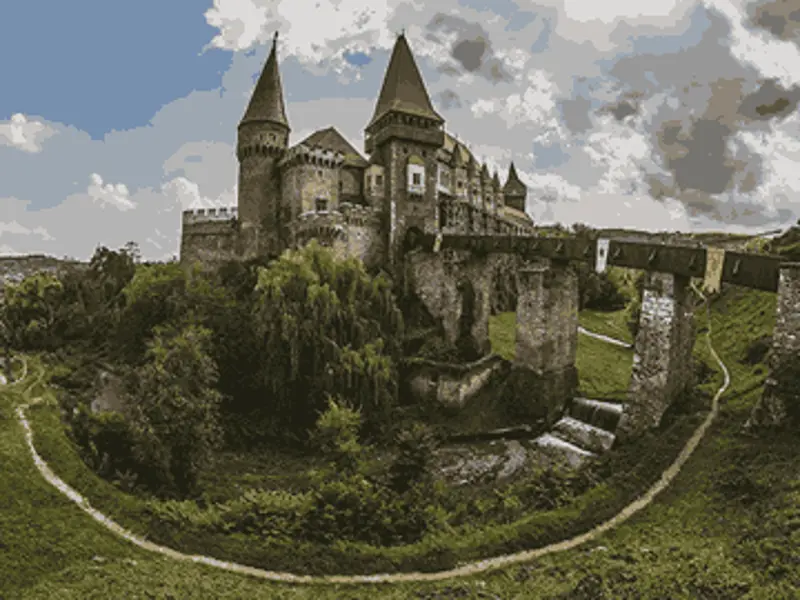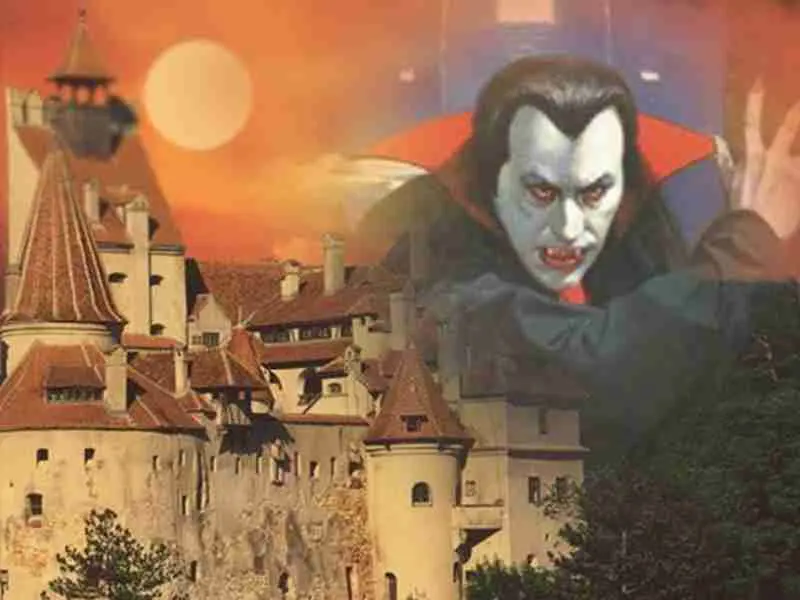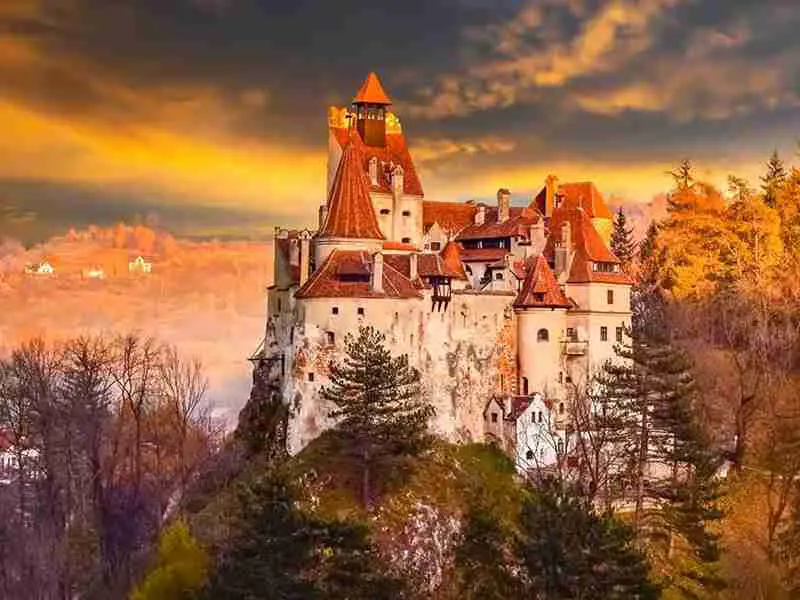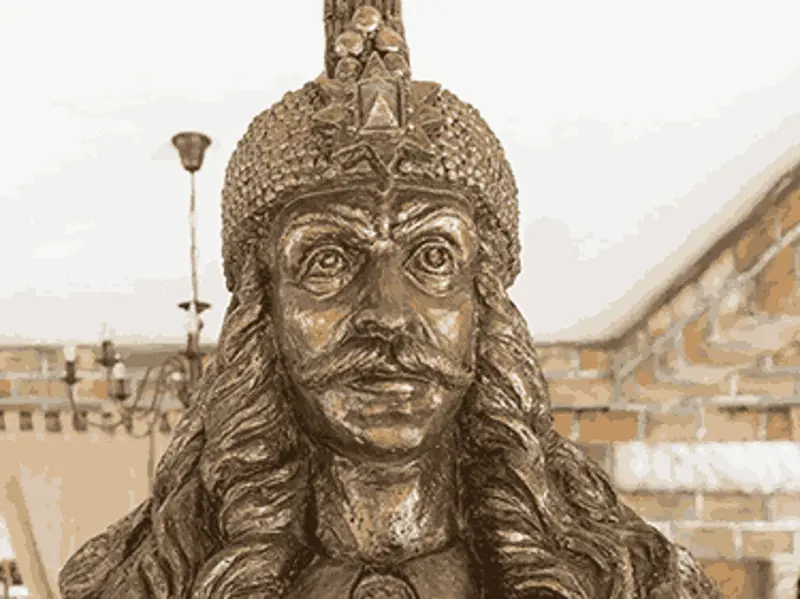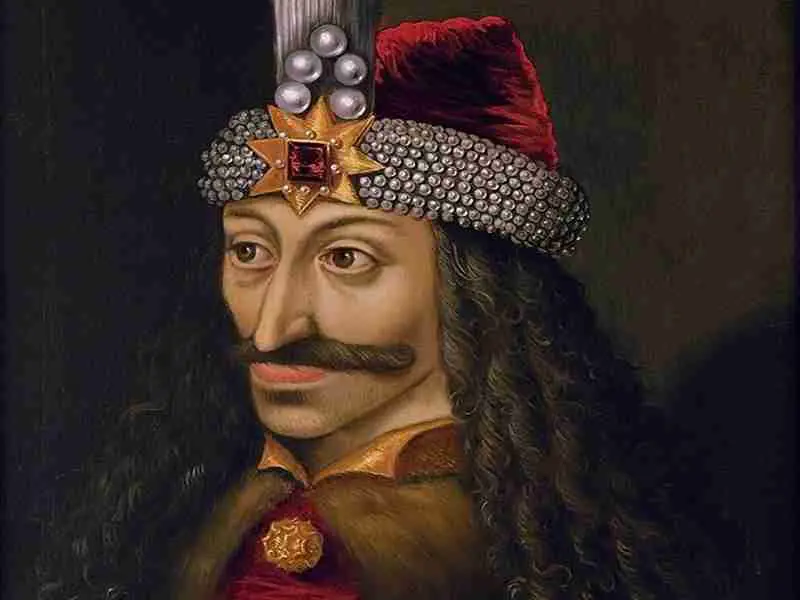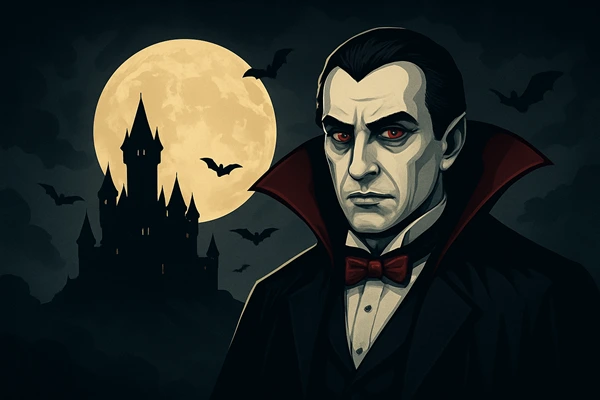
Vlad Țepeș was not only a strict ruler, but also a source of inspiration for myths and literature. His deeds were transformed into folk tales and later into Gothic novels, including the famous work of Bram Stoker's "Dracula". His image combines real history with the myth of the vampire, fascinating readers and researchers for centuries.
Who perpetuated the legend?
- Folk stories from Transylvania and Wallachia
- European writers, among them Bram Stoker
- Journalists and historians who documented his deeds
What aspects of his life inspired the myth?
- The cross and the cruelty of justice
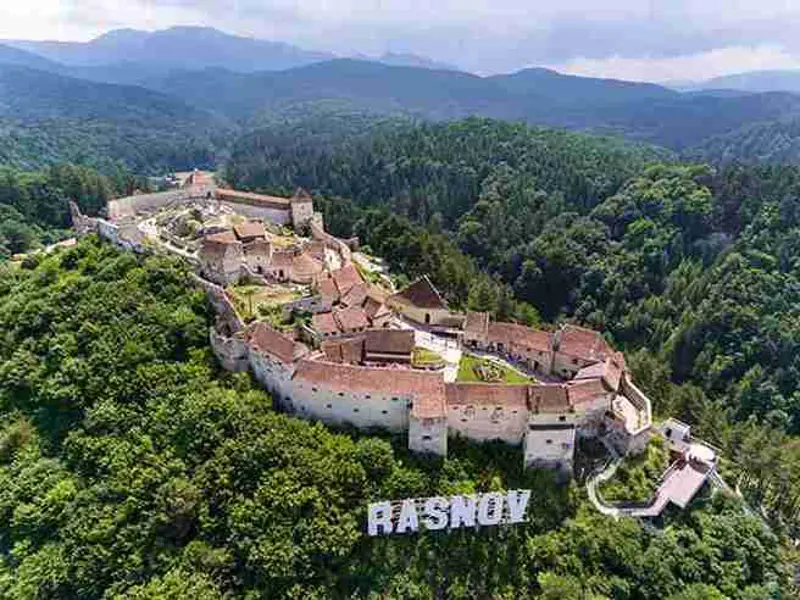
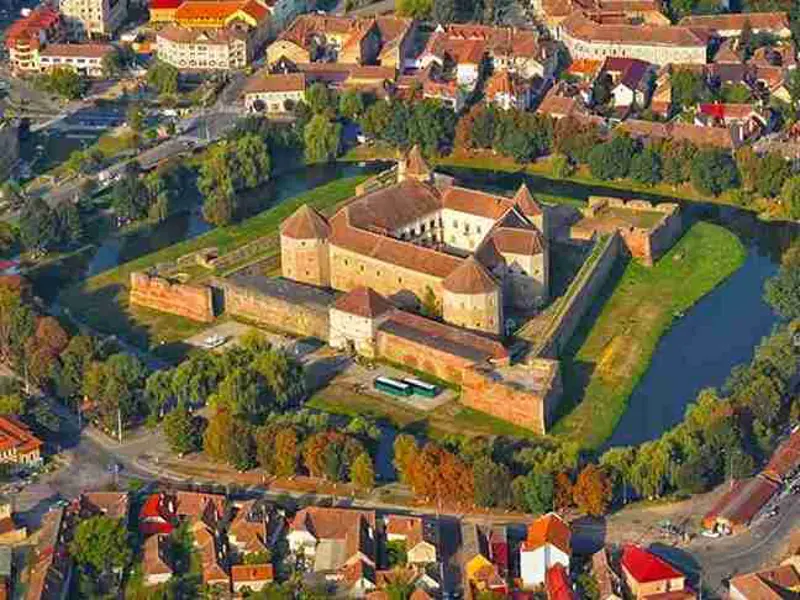
- The fortifications and imposing fortresses
- Local traditions and superstitions about vampires
Where did the legend have an impact?
- European Gothic Literature
- Films and Cinematographic Productions
- Cultural Tourism in Transylvania
Why does Vlad Țepeș remain relevant?
- His figure symbolizes medieval power and strategy
- Dracula legends attract tourists and researchers
- Influences literature, cinema, and popular culture
Conclusion
Vlad Țepeș has transcended history, becoming the symbol of the Dracula legends. His life, deeds and fortresses built continue to inspire stories, films and cultural tourism, keeping alive the memory of the ruler who influenced the history and mythology of Romania.