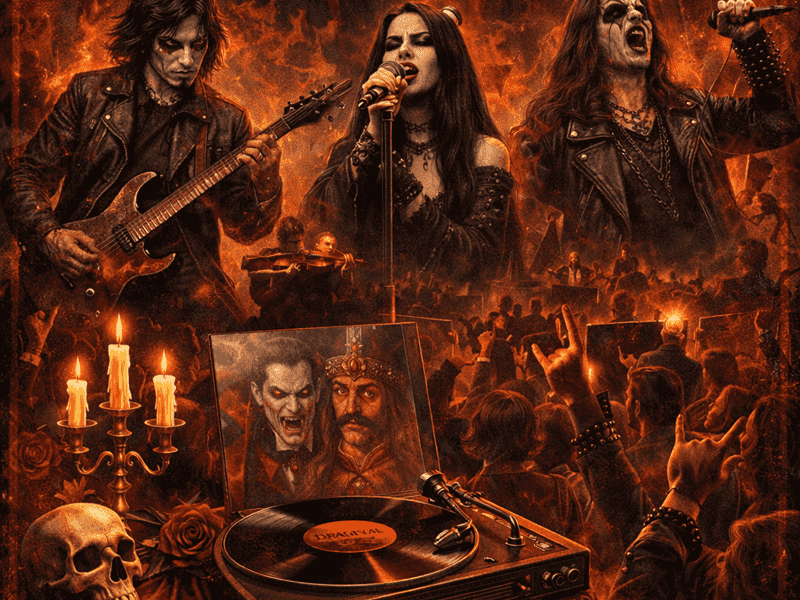
Why Dracula became a source of musical inspiration
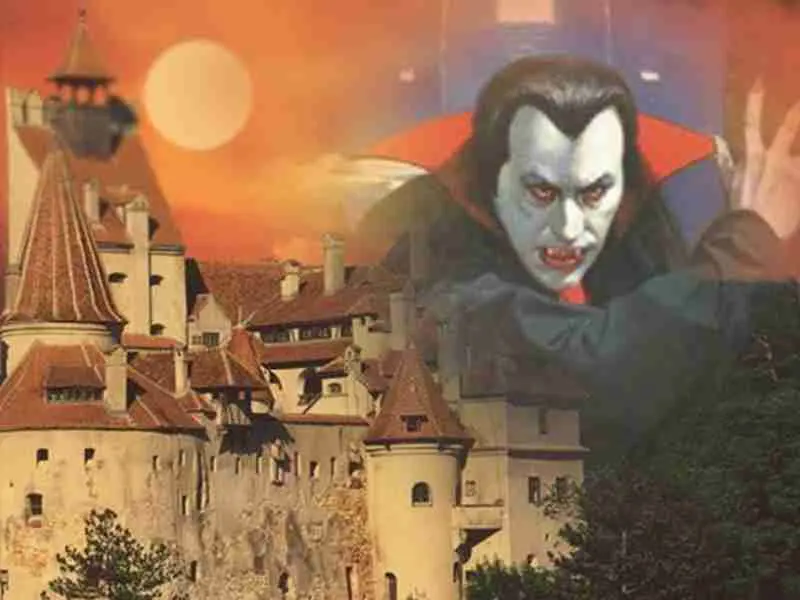
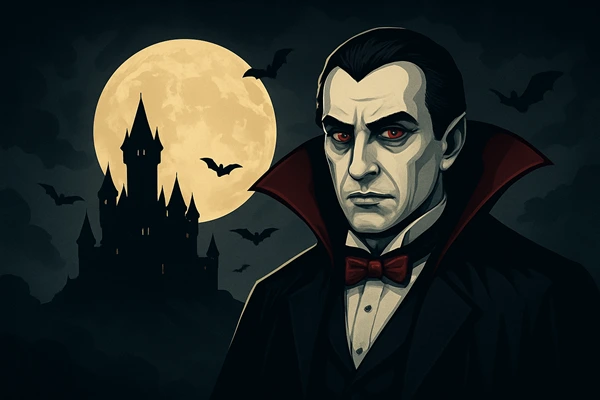
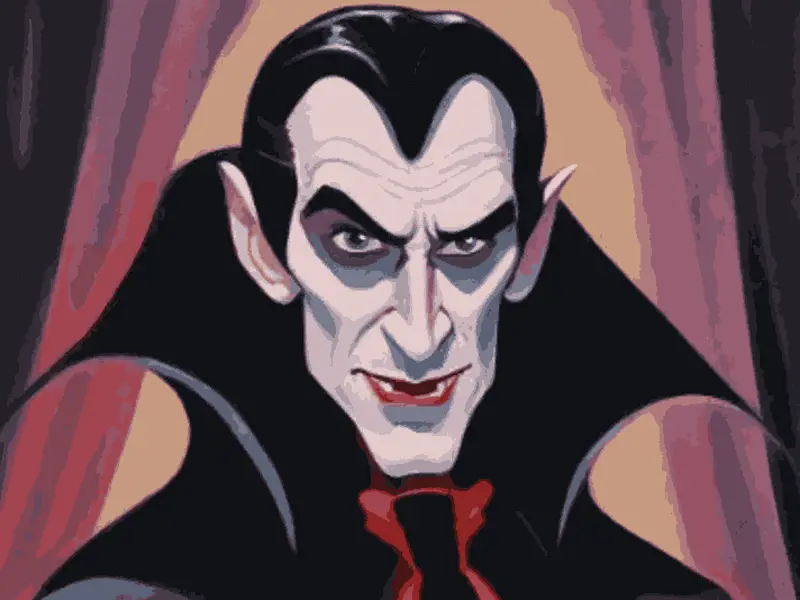
The figure of Dracula has long since transcended the boundaries of literature and film, penetrating strongly into the world of music. The mystery, darkness, seduction and symbolism of power have made this character an artistic motif explored by numerous bands and composers. From gothic rock to symphony orchestra, Dracula offers rich narrative and emotional material, capable of molding itself into almost any musical style.
What are the musical genres influenced by the myth of Dracula?
Various musical genres have found Dracula an ideal source of atmosphere and story. Some bands have built entire albums around the myth, while others have only used certain thematic motifs.
- Gothic rock – dark aesthetics, melancholic lyrics, vampiric themes.
- Symphonic metal – choirs, orchestra, drama inspired by the medieval era.
- Electronic music – hypnotic sounds, mysterious tones, darkwave influences.
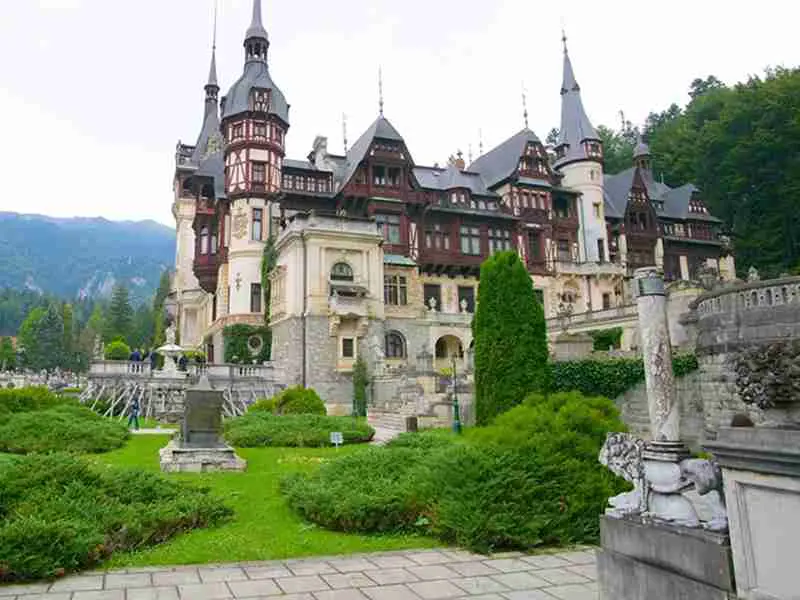
- Orchestral soundtracks – epic themes, harmonies inspired by medieval Transylvania.
Artists and bands directly influenced by the myth of Dracula
Many international artists have dedicated songs or entire albums to the vampire legend. The character often becomes a metaphor for power, fragility, immortality or tragic love. Using combinations of dramatic instruments and intense lyrics, musicians convey Dracula's mysterious aura in their own unique style.
- Gothic rock bands that integrate vampire imagery into live shows.
- Metal bands that reinterpret the character's inner struggle.
- Orchestral composers that evoke the atmosphere of Transylvania.
What musical themes are inspired by the Dracula universe?
The musicians address themes such as the struggle between humanity and its inner monsters, dark seduction, the curse of immortality, or the desire for freedom. Dracula becomes a symbol amplified through sound, rhythm, and harmony, and the lyrics often emphasize the tragic conflict behind the character.
- Impossible love and cursed destiny.
- The mystery of the night and supernatural forces.
- Power, seduction and mind control.
- The inner struggle with one's own vampiric nature.
Conclusion
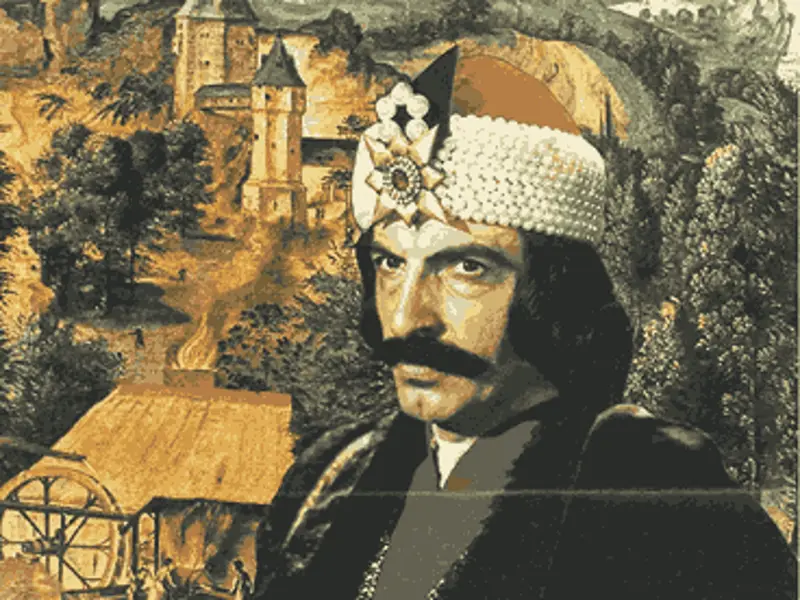
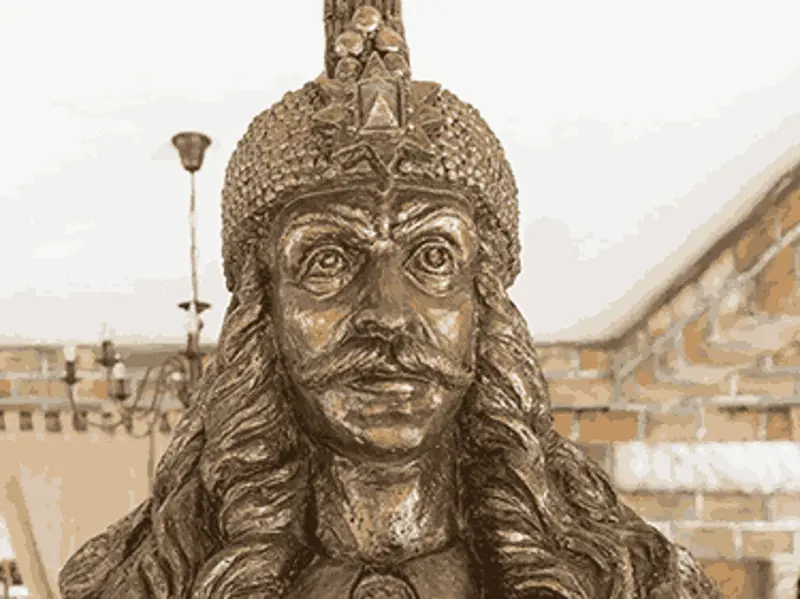
Dracula remains a powerful presence in music due to its symbolic complexity and the gothic atmosphere it inspires. From rock sounds to symphonic compositions, the myth constantly reinvents itself, demonstrating that characters like Vlad Țepeș and his fictional avatars continue to profoundly influence contemporary culture.