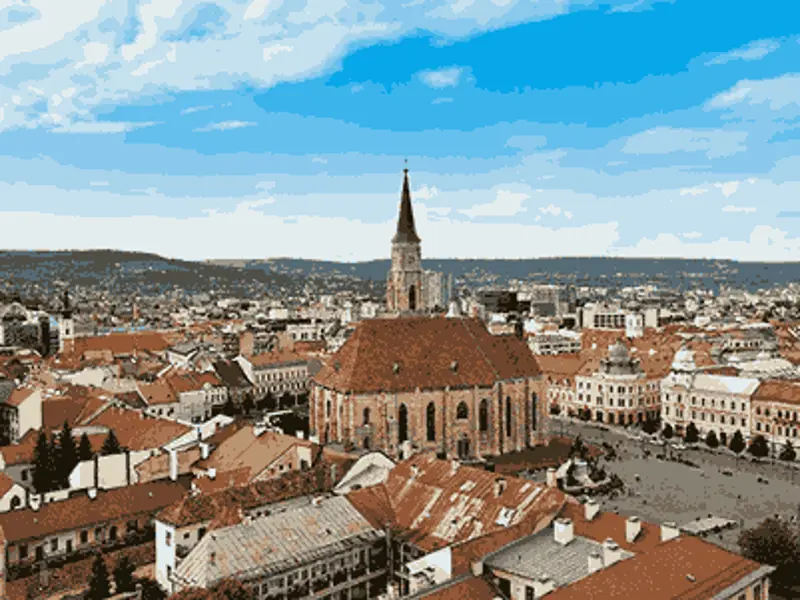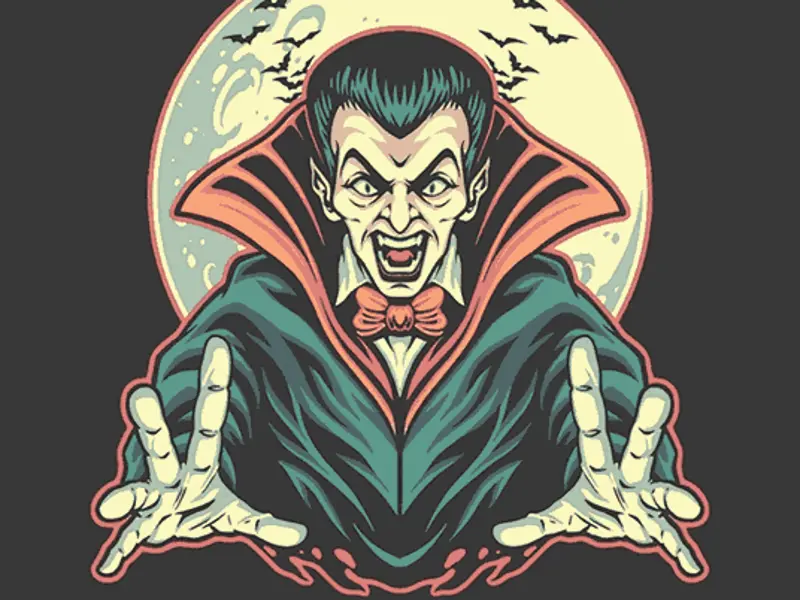
The legend of Dracula has not only influenced literature or cinema, but also art and design. Inspired by Vlad Țepeș and the landscapes of Transylvania, Gothic art, painting, and modern design continue to transform the vampire myth into a source of creativity and cultural expression.
Dracula in painting and sculpture
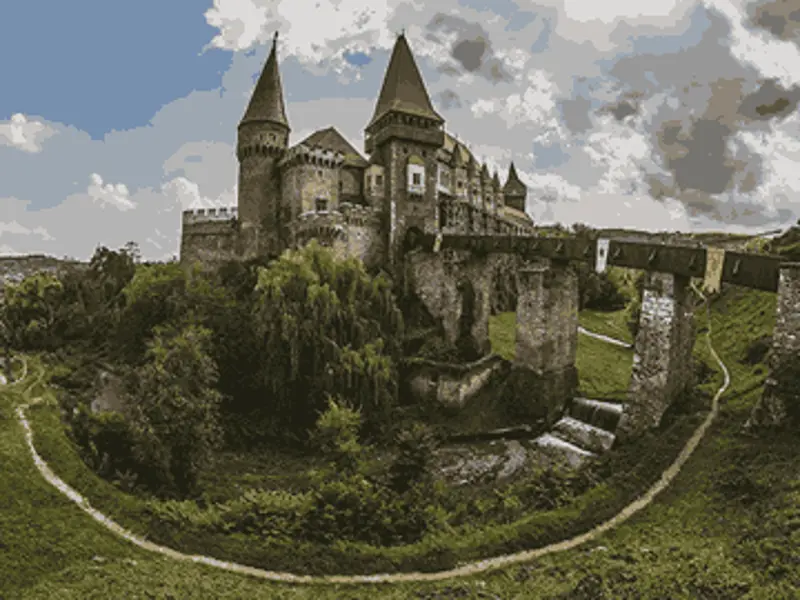
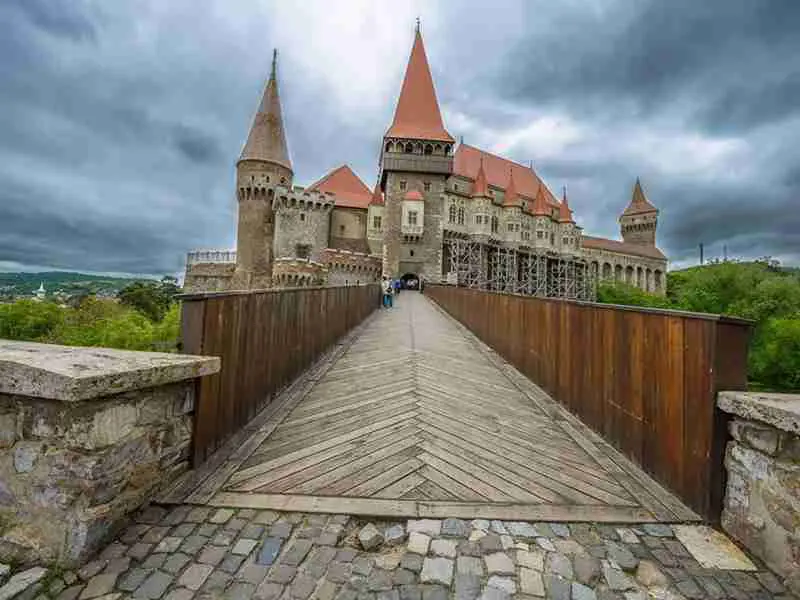
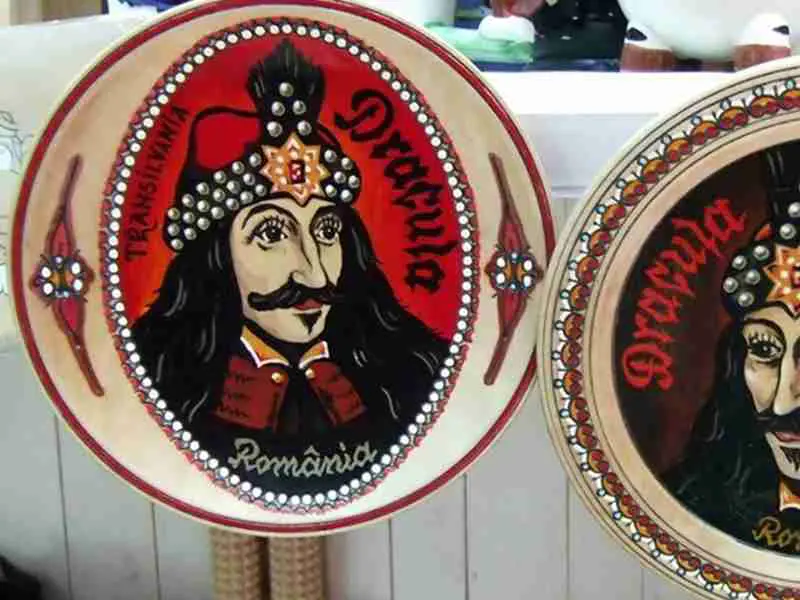
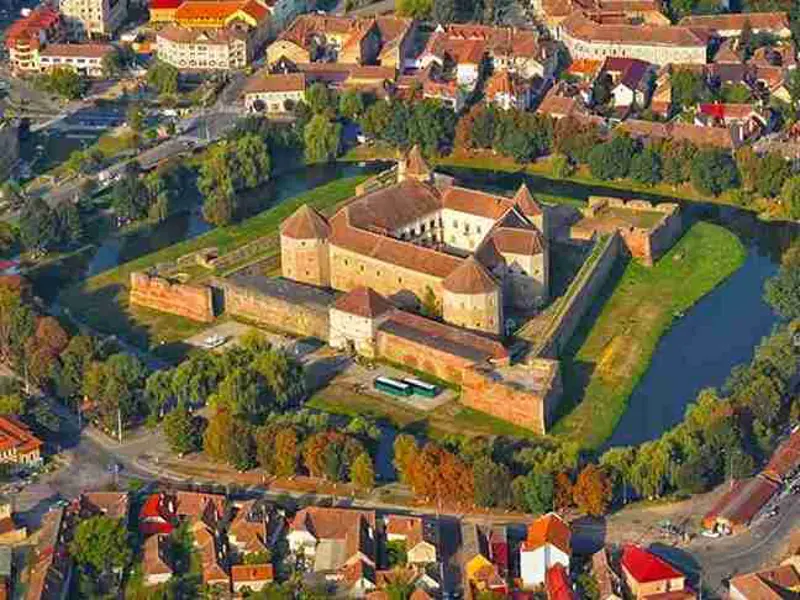
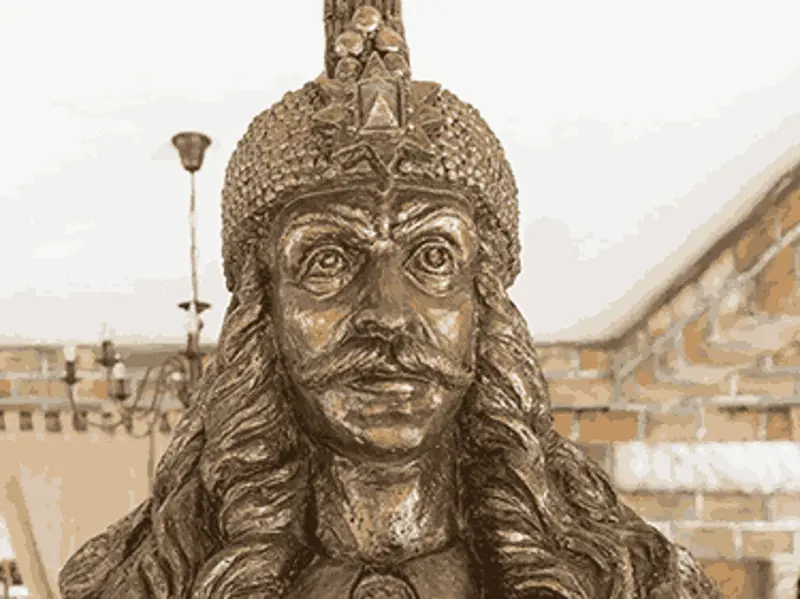
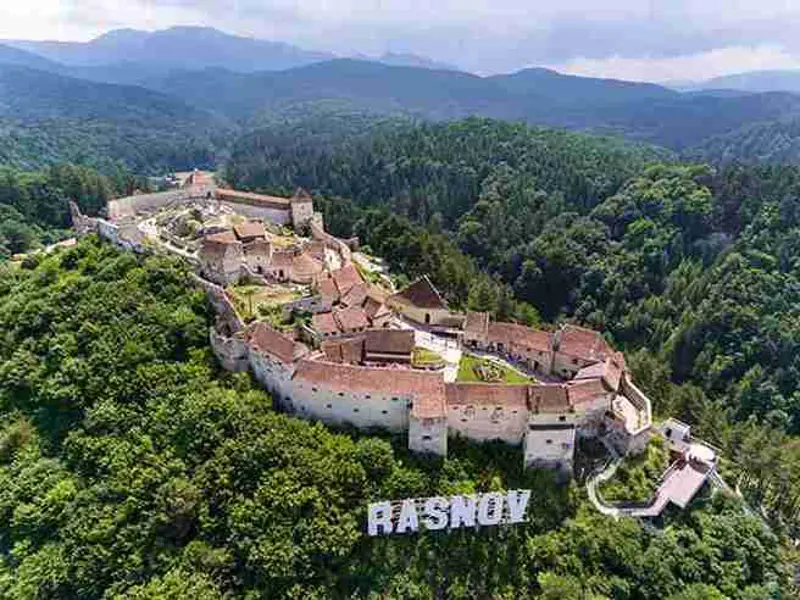
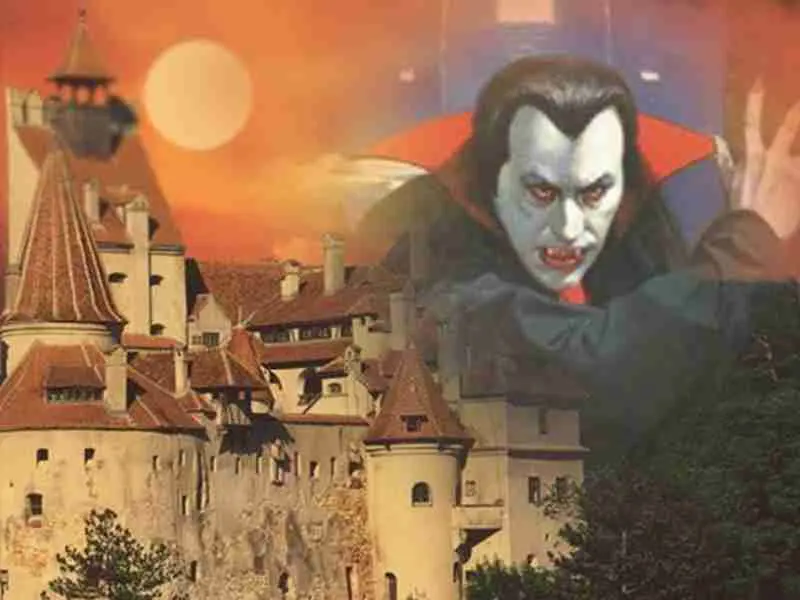
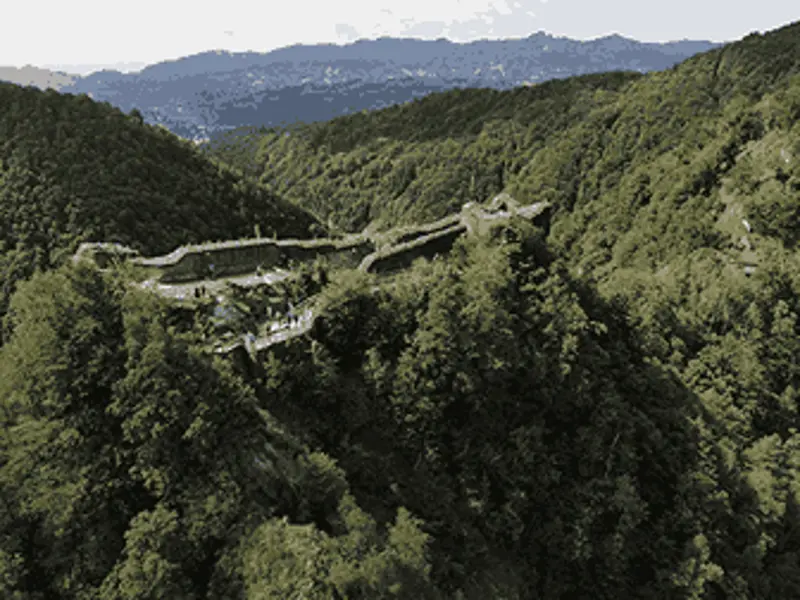
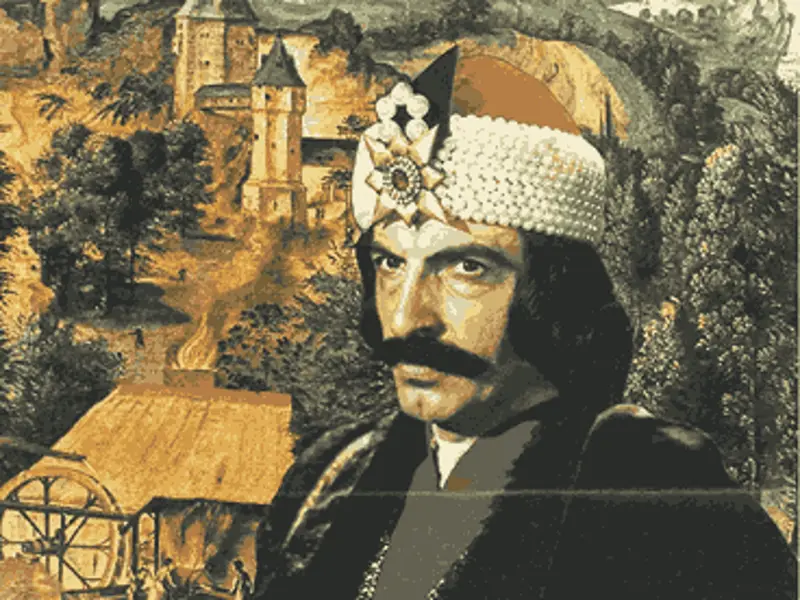
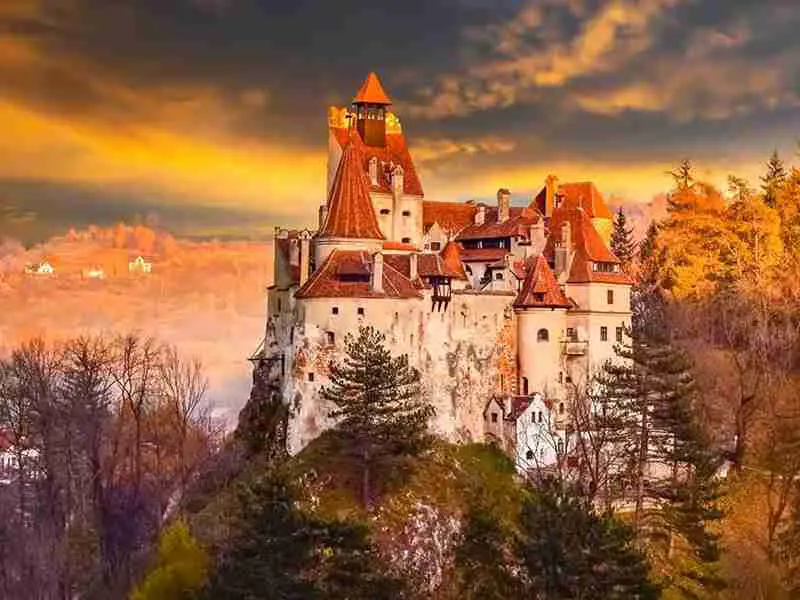
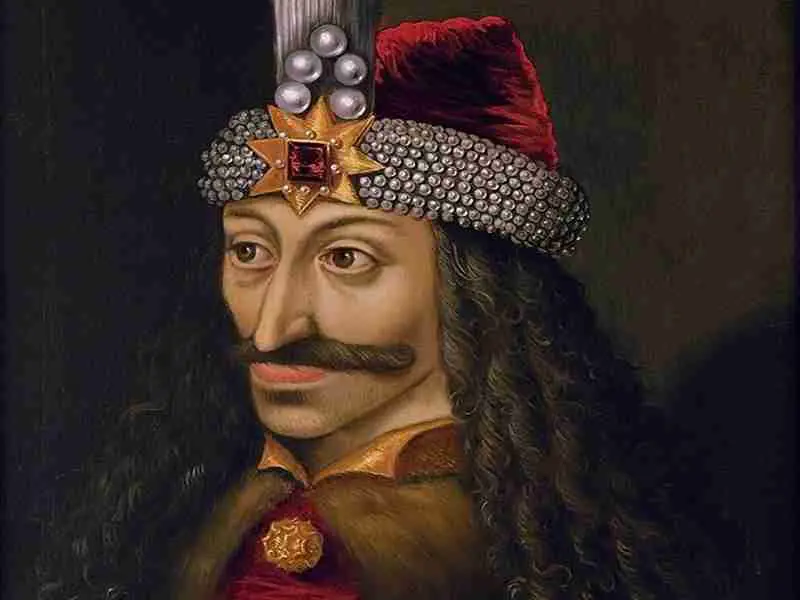
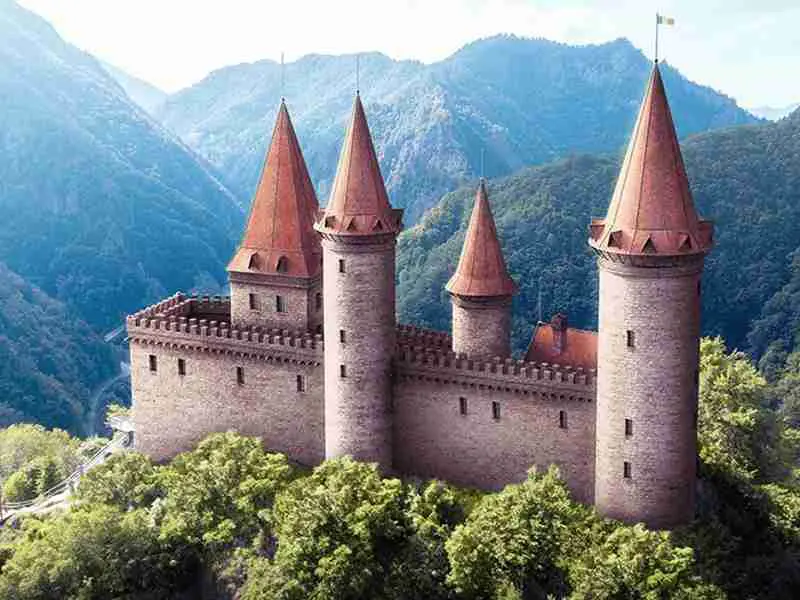
Artists throughout the centuries have depicted the figure of Dracula in paintings, engravings, and sculptures that combine historical realism with the fantastical elements of myth. Bran Castle, medieval landscapes, and Vlad Țepeș have inspired visual works that evoke mystery, terror, and Gothic beauty. These works transform the legend into a visual symbol of Transylvania and medieval European culture.
Interior design and Gothic architecture
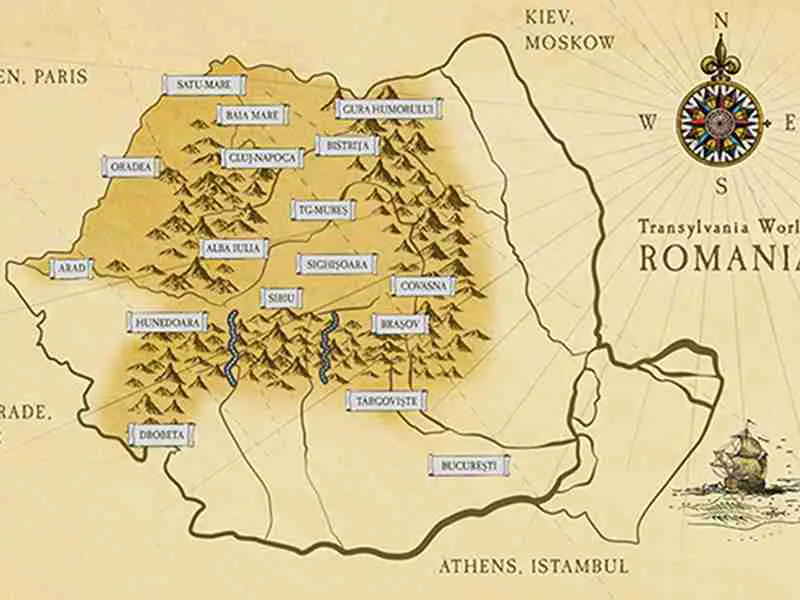
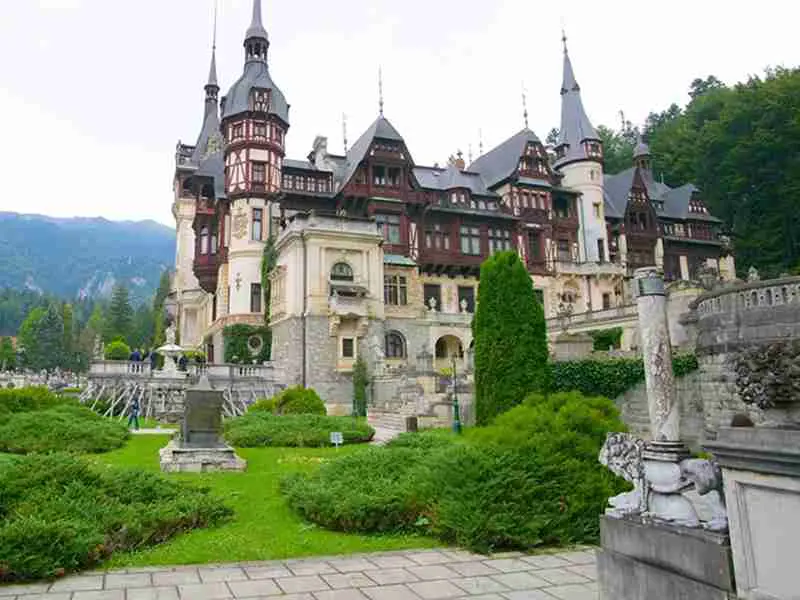
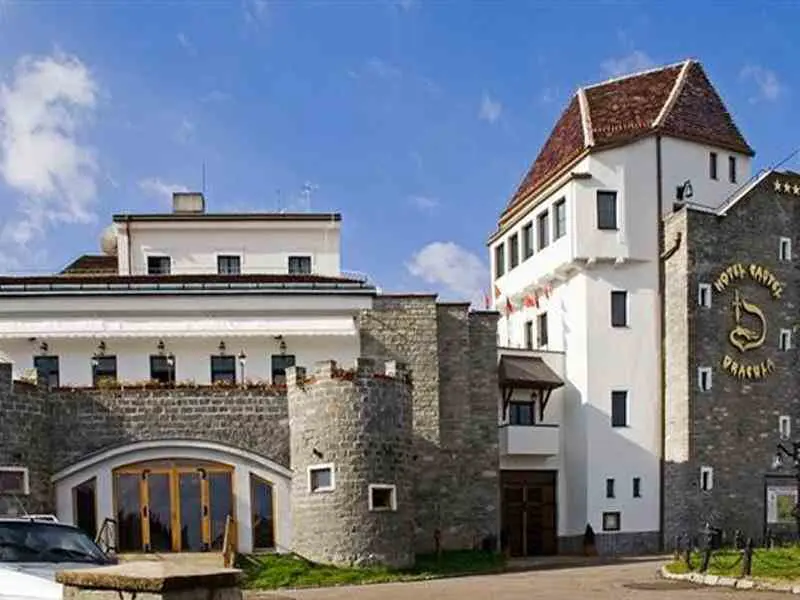
Dracula-inspired elements are also found in interior design and Gothic architecture. From themed decorations in hotels and restaurants, to medieval-themed furniture and dramatic stained glass windows, the vampire aesthetic creates a unique atmosphere. Transylvania thus becomes not only a place of legends, but also a landmark for creativity and contemporary design with historical influences.
Fashion and visual culture
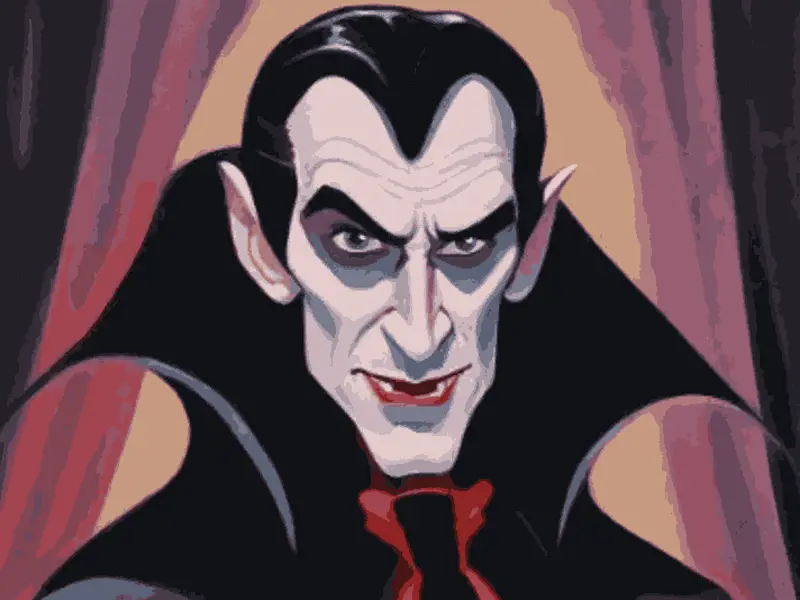
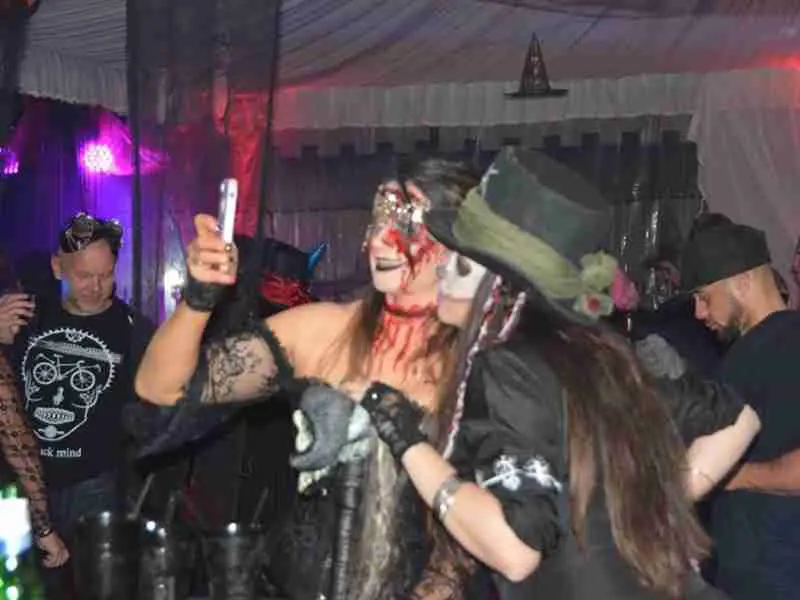
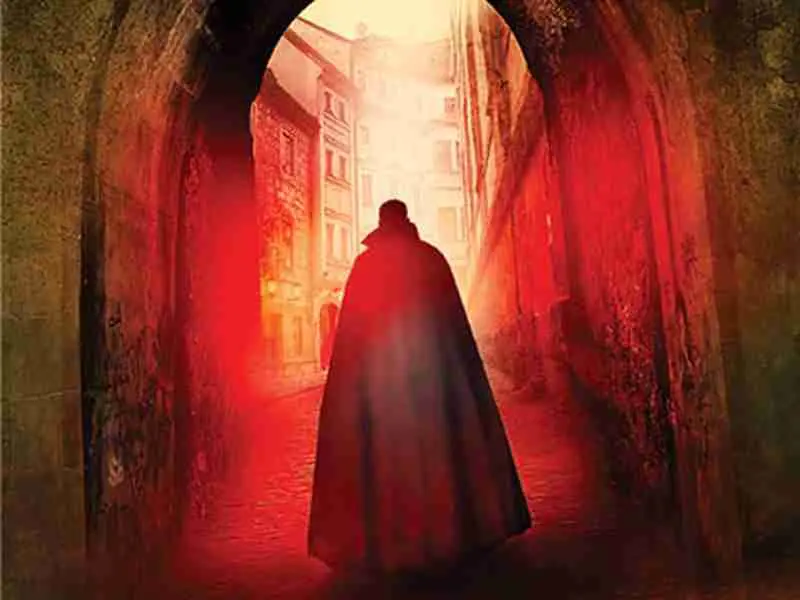
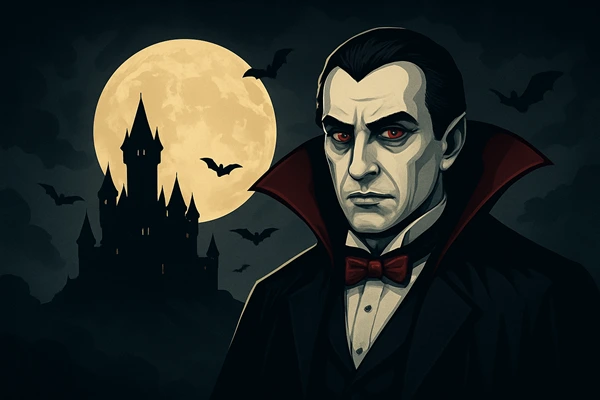
Dracula has inspired Gothic fashion, themed costumes, and graphic illustrators around the world. Elements such as black cloaks, medieval symbols, or settings inspired by Bran Castle frequently appear in paintings, posters, comics, and digital illustrations. Thus, the vampire myth expands beyond tradition, becoming an integral part of modern visual culture.
Why it's worth exploring Dracula-inspired art and design
Discovering Dracula-inspired art and design offers a fascinating insight into how the legend of Vlad Țepeș and the mysteries of Transylvania influenced creativity. Each painting, sculpture or design element brings a unique aesthetic experience, combining history, mythology and Gothic culture into an art form accessible to all.